
If you use a walking pad regularly, keeping it in top shape is key to a smooth and quiet workout. But how do you know when your walking pad needs oil?
Ignoring this simple step can lead to squeaky noises, less smooth movement, or even damage over time. You’ll discover the clear signs that tell you it’s time to oil your walking pad—and how doing this small task can save you from costly repairs.
Keep reading to protect your investment and enjoy every step you take.

Credit: www.youtube.com
Signs Of A Dry Walking Pad
Knowing when your walking pad needs oil helps keep it working well. A dry walking pad can cause problems. It can wear out faster and make your workout less smooth. Watch for certain signs to know if your walking pad needs oiling. These signs tell you it is time to take care of it.
Unusual Noise Levels
Listen to your walking pad while using it. A dry pad often makes loud or strange sounds. These noises come from parts rubbing without enough oil. The sounds might be squeaks, creaks, or grinding. Quiet machines usually run smoothly with oil. Loud noise means your pad needs attention.
Increased Friction During Use
You may feel more resistance when walking. The belt might not glide as easily as before. This happens because the pad is dry and parts rub more. Increased friction makes your workout harder. It also stresses the motor. Oiling reduces friction and keeps the belt moving freely.
Visible Wear On The Belt
Check the belt for signs of damage. Dry belts may look cracked, faded, or rough. The surface might feel dry or stiff to touch. Wear shows the belt is not protected by oil. This can shorten the life of your walking pad. Oiling keeps the belt smooth and lasting longer.

Credit: uk.walkingpad.com
Performance Changes To Notice
Noticing changes in your walking pad’s performance can help you know when it needs oil. Small issues can grow into bigger problems without proper care. Watch for signs that show the machine is not working smoothly. These signals often mean the belt or motor needs lubrication. Acting early saves time and repair costs.
Slower Speed Response
Your walking pad may feel slower than usual. The belt might lag behind your steps. Commands may take longer to register. Oil helps reduce friction and keeps the belt moving fast. Slow speed response often means the pad needs lubrication.
Jerky Or Uneven Motion
The belt may start moving in a bumpy way. You could feel sudden stops or jolts. Smooth walking turns into a rough ride. Lack of oil causes the belt to stick or slip. Regular oiling keeps the movement steady and smooth.
Overheating Issues
The motor or belt area might get hot quickly. Overheating signals extra friction inside the machine. Oil reduces heat by easing parts movement. Too much heat can damage the walking pad. Watch for warmth and oil the machine to cool it down.
Maintenance Frequency Tips
Knowing how often to oil your walking pad keeps it working well. Regular maintenance stops parts from wearing out fast. It saves money and makes your walking pad last longer. You do not need to guess when to oil. Some clear tips help you keep a good schedule.
Recommended Oil Application Intervals
Most walking pads need oil every 3 to 6 months. This depends on use and type of oil. Light use means oiling closer to 6 months. Heavy use calls for oil every 3 months. Always check the manufacturer’s guide for best advice. Using the right oil at the right time protects the belt and motor. Regular oiling helps the pad run smooth and quiet.
Factors Affecting Oil Needs
How often you oil depends on several things. First, how often you use the walking pad. More use means more oil needed. Second, the environment matters. Dusty or dry places make the belt dry faster. Third, the type of belt affects oil needs. Some belts need more oil than others. Watch for signs like squeaking or slow belt movement. These signs mean your walking pad needs oil soon.
Credit: cydeals.cy
How To Check The Walking Pad
Checking your walking pad regularly keeps it working well. Simple checks help you know if it needs oil. A well-lubricated walking pad runs quietly and smoothly. Follow these steps to check your walking pad’s condition.
Inspecting The Belt Surface
Look closely at the belt surface. Check for dryness or rough spots. A dry belt may show cracks or peeling. Smooth and shiny belts usually have enough oil. If the belt looks worn or stiff, it might need oil.
Listening For Unusual Sounds
Turn on the walking pad and listen carefully. Strange noises like squeaks or grinding can mean low lubrication. A well-oiled pad runs quietly without odd sounds. If you hear noise, plan to oil the belt soon.
Testing Smoothness Of Movement
Step on the walking pad and move slowly. Feel if the belt moves smoothly under your feet. Any jerks or resistance signals a dry belt. A smooth, easy glide means the pad is well-oiled and ready.
Choosing The Right Oil
Choosing the right oil for your walking pad is key to keeping it smooth and working well. Using the correct lubricant helps reduce friction and wear. It also extends the life of the walking pad belt. Picking a poor-quality oil can cause damage or make the machine noisy. Knowing which oils work best keeps your walking pad safe and efficient.
Types Of Lubricants Suitable
Silicone-based lubricants suit most walking pads well. They spread evenly and do not attract dust. These oils keep the belt soft and flexible. Another good option is Teflon-based lubricants. They create a slick surface that reduces friction. Avoid heavy oils like motor oil. These can gum up and harm the belt. Always choose lubricants made for treadmills or walking pads.
Avoiding Harmful Substances
Stay away from WD-40 and other penetrating oils. They can break down the belt material. Avoid oils that are thick or sticky. These cause buildup and can clog the machine. Do not use cooking oils or grease. They attract dirt and cause slipping. Use only clear, light lubricants recommended by the manufacturer. This protects your walking pad and keeps it running quietly.
Preventing Damage With Regular Oiling
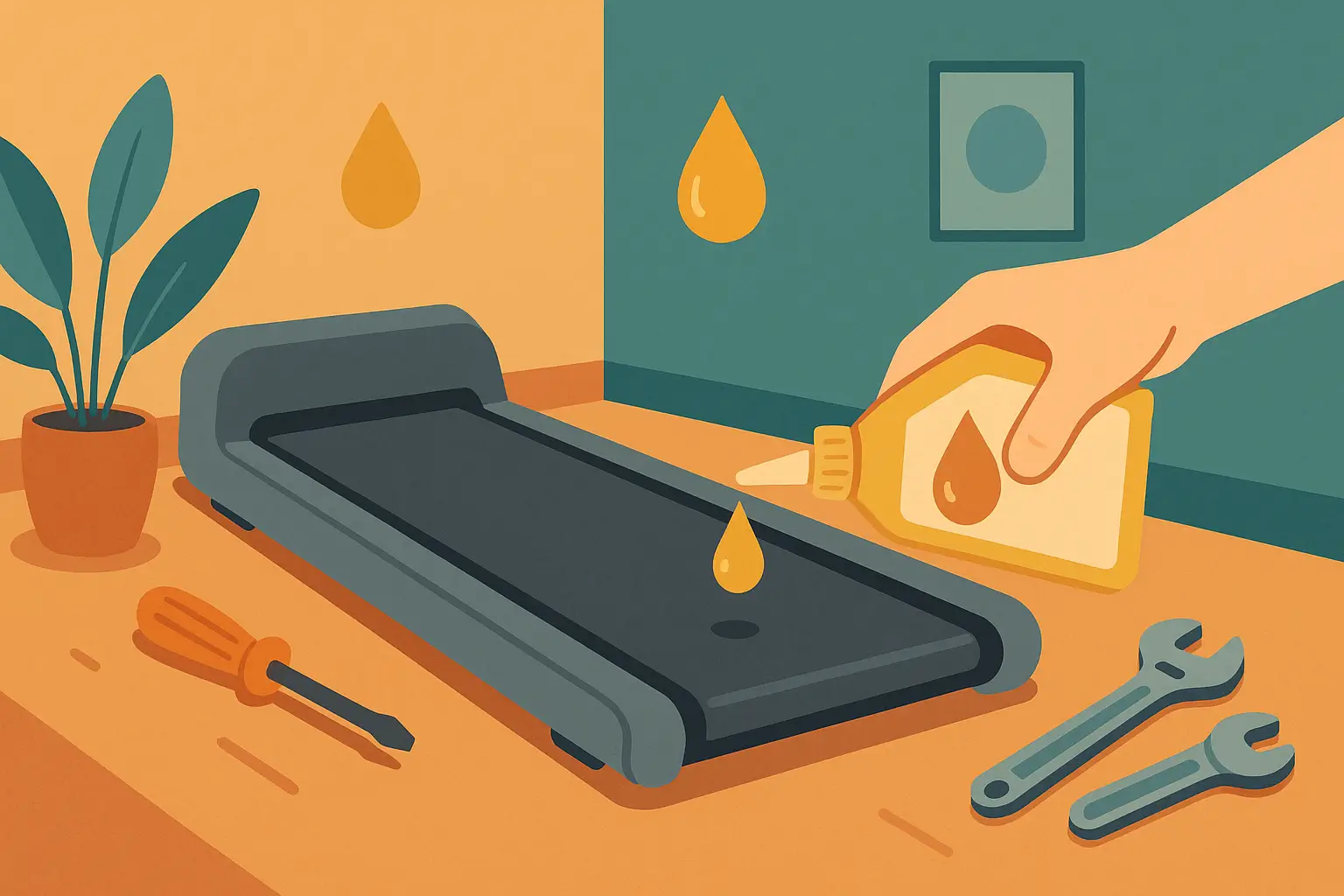
Regular oiling protects your walking pad from wear and tear. It keeps the belt smooth and reduces friction. This simple step prevents damage and keeps your machine working well. Skipping oiling may cause the belt to dry out and crack. That leads to costly repairs or early replacement.
Oiling also helps keep the motor safe. The motor works harder if the belt is stiff. This can cause overheating and damage. A well-oiled walking pad runs cooler and lasts longer. Regular care saves money and keeps your pad ready for use.
Extending Walking Pad Lifespan
Oiling reduces friction between the belt and deck. This lowers the risk of belt wear and tear. The belt moves smoothly, avoiding early damage. A well-maintained belt lasts much longer. The deck beneath stays protected too, preventing cracks or warping.
Consistent oiling helps avoid motor strain. It prevents overheating and parts breaking down. This means fewer repairs and less downtime. Your walking pad will serve you well for years. Simple oiling extends the life of your machine.
Improving User Experience
A smooth, well-oiled belt feels better underfoot. Walking or jogging becomes more comfortable and natural. The pad runs quietly, without annoying squeaks or sounds. This makes exercise more enjoyable and less distracting.
Better belt movement means consistent speed and resistance. You get a steady workout without sudden jerks. Oiling keeps the walking pad safe and user-friendly. Enjoy your sessions with less hassle and more comfort.
Frequently Asked Questions
How Often Should I Oil My Walking Pad Belt?
You should oil your walking pad belt every 3 to 6 months. Frequent use may require more frequent lubrication to reduce friction and wear. Check the manufacturer’s guidelines for specific oiling intervals to keep your walking pad running smoothly.
What Are Signs My Walking Pad Needs Oil?
Common signs include squeaking noises, belt slipping, or increased resistance. If your walking pad feels less smooth or louder than usual, it likely needs oiling. Timely lubrication prevents damage and prolongs the device’s lifespan.
What Type Of Oil Is Best For Walking Pads?
Silicone-based lubricant is best for walking pads. It reduces friction without damaging the belt or deck. Avoid using WD-40 or motor oils, as they can degrade the materials and cause malfunction.
Can Lack Of Oil Damage My Walking Pad?
Yes, lack of oil causes belt wear and motor strain. This can lead to overheating and costly repairs. Regular oiling keeps parts moving smoothly and extends your walking pad’s life.
Conclusion
A walking pad needs oil when it makes noise or feels stiff. Check it often to keep it working well. Oiling helps the machine run smooth and last longer. Don’t wait for big problems to start care. Small steps like oiling save time and money.
Your walking pad will stay quiet and easy to use. Keep an eye on how it feels during walks. Simple care makes a big difference in the long run.
