
Backpacking is more than just hiking with a pack. It’s a careful balance of adventure, challenge, and smart planning. One term that comes up again and again among backpackers is base weight. This concept can change the way you approach every trip, from short weekend hikes to long-distance journeys. If you’re new to backpacking, understanding base weight is a must. Even experienced hikers can benefit from rethinking their gear and habits. In this article, you’ll learn what backpacking base weight means, why it matters, how to calculate it, and practical ways to reduce it. We’ll look at gear choices, common mistakes, and expert tips. You’ll also find clear examples, comparison tables, and answers to questions many beginners have. Let’s dive in.
What Is Backpacking Base Weight?
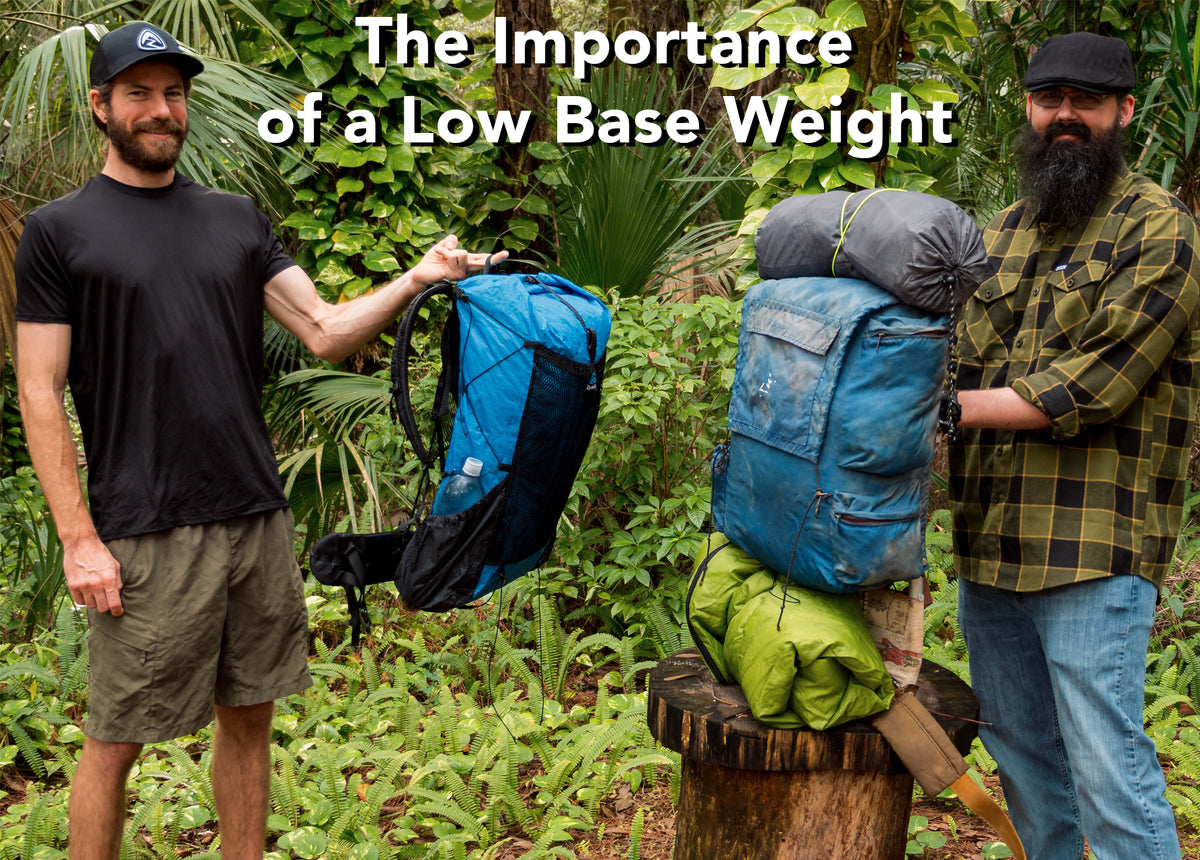
The base weight of your backpack is the total weight of everything you carry—except water, food, and fuel. These items change during your trip, so base weight shows the constant load on your back. It includes your pack, shelter, sleeping system, clothing (not worn), cooking gear, and other essentials.
For example, if your pack weighs 2 pounds, your tent weighs 3 pounds, your sleeping bag weighs 2 pounds, and the rest of your gear weighs 5 pounds, your base weight is 12 pounds. If you add food and water, the total weight goes up, but your base weight stays the same.
Why not count food, water, and fuel?
- These items are “consumables”—they change daily.
- Base weight helps you compare gear setups, not trip length.
Knowing your base weight lets you plan smarter. You can see where your gear is heavy and find ways to lighten your load.
Typical Base Weight Ranges
Backpackers talk about base weight in three main categories:
- Ultralight: Under 10 pounds
- Lightweight: 10–20 pounds
- Traditional: Over 20 pounds
Most beginners start with a traditional base weight. With experience, many move to lightweight or even ultralight setups.
Why Base Weight Matters
Reducing your base weight can change your entire hiking experience. Here’s why it matters:
- Comfort: A lighter pack means less strain on your back, knees, and feet. You’ll feel more energetic, especially on long days.
- Speed: You can walk faster and farther with less weight.
- Safety: You’re less likely to get injured from carrying too much.
- Enjoyment: Hiking feels more fun when you’re not weighed down.
A study by the Appalachian Trail Conservancy found that most thru-hikers started with a base weight of 25–30 pounds. Many later switched to lighter setups, reporting fewer injuries and longer daily mileage.
Real-life Example
Sarah, a beginner hiker, started with a 23-pound base weight. After switching to lighter gear and removing extras, she lowered her base weight to 13 pounds. She finished her first week-long hike without blisters or sore knees. Her biggest surprise?
She didn’t miss any of the gear she left behind.
Credit: zpacks.com
How To Calculate Your Base Weight
Calculating base weight is simple, but it takes careful attention. Follow these steps:
- Lay Out All Gear: Put everything you plan to carry—except food, water, and fuel—on the floor.
- Weigh Each Item: Use a digital kitchen scale for small items and a luggage scale for bigger ones.
- Record Weights: Write down the weight of each item in ounces or grams.
- Add Them Up: Total the weights to get your base weight.
Here’s an example calculation:
| Item | Weight (oz) |
|---|---|
| Backpack | 32 |
| Sleeping bag | 24 |
| Tent | 40 |
| Sleeping pad | 16 |
| Cooking kit | 12 |
| Extra clothing | 18 |
| Other gear | 22 |
| Total | 164 oz (10.25 lbs) |
If you want to move to ultralight hiking, aim for a base weight under 10 pounds.
Common Mistakes When Calculating
- Forgetting small items: Things like a first-aid kit, headlamp, or toiletries add up.
- Counting consumables: Only include gear you’ll carry every day.
- Not double-checking weights: Manufacturers’ listed weights can be wrong. Always weigh gear yourself.
Key Factors That Influence Base Weight
Several things affect your base weight. Understanding these will help you make better choices.
Pack Size And Material
A heavy, large backpack adds extra pounds. Modern packs are made from lightweight materials like Dyneema or ripstop nylon. Smaller packs force you to carry less.
Shelter Choices
Tents, hammocks, and tarps vary in weight. For example, a two-person tent can weigh 4 pounds, while a lightweight solo tent is around 1. 5 pounds. Some hikers switch to tarps or bivy sacks to save weight.
Sleeping System
Sleeping bags and pads are often heavy. Down bags are lighter and compress better than synthetic ones. Inflatable pads are lighter than foam but can puncture.
Clothing
Bring only what you need. Choose lightweight, quick-dry fabrics. Extra clothing increases base weight quickly.
Cooking Gear
Some hikers skip stoves and cook cold meals to avoid carrying cooking gear. If you bring a stove, look for titanium or aluminum options.
Other Essentials
First-aid, repair kits, navigation tools, and hygiene items should be minimal but complete. Look for multi-use items.
How To Reduce Your Backpacking Base Weight
Lowering your base weight is a process. Here are practical steps to help:
- List Every Item: Write down everything you carry. This gives you a clear view of your gear.
- Question Each Item: Ask yourself: Do I need it? Is there a lighter option?
- Replace Heavy Gear: Upgrade to lighter versions if your budget allows.
- Remove Duplicates: Don’t carry two similar items unless needed.
- Use Multi-Use Items: For example, a bandana can serve as a towel, pot holder, or pre-filter for water.
- Minimize Clothing: Bring only essentials—avoid “just in case” items.
- Choose Smaller Packs: This limits what you can carry and forces you to pack lighter.
Example: Gear Replacement
| Item | Traditional Weight (oz) | Lightweight Option (oz) | Weight Saved (oz) |
|---|---|---|---|
| Backpack | 48 | 32 | 16 |
| Tent | 64 | 24 | 40 |
| Sleeping bag | 40 | 24 | 16 |
| Cooking kit | 18 | 8 | 10 |
| Total Weight Saved | 82 oz (5.1 lbs) |
Switching just a few key items can save over 5 pounds.
Advanced Tips
- Go stoveless: Eat cold meals to skip cooking gear.
- Share gear: If hiking with friends, share tents or stoves.
- DIY solutions: Make your own gear from lightweight materials.
Comparing Ultralight, Lightweight, And Traditional Base Weight
Let’s see how different base weights affect a typical backpacking trip:
| Base Weight Type | Pack Weight (lbs) | Daily Mileage | Fatigue Level | Comfort |
|---|---|---|---|---|
| Ultralight | 7–10 | 15–25 | Low | High |
| Lightweight | 10–20 | 10–18 | Medium | Medium-High |
| Traditional | 20+ | 8–12 | High | Medium-Low |
Choosing an ultralight setup lets you hike farther and feel less tired, but it often means sacrificing comfort or durability. Lightweight setups balance comfort and weight. Traditional setups are comfortable in camp but harder to carry.
Essential Gear For A Low Base Weight
Certain gear is almost always included in a low base weight setup. Here’s what you need:
Backpack
Choose a pack under 2 pounds. Many lightweight packs don’t have frames, so pack carefully to avoid discomfort.
Shelter
Look for single-wall tents, tarps, or bivy sacks. Aim for under 2 pounds.
Sleeping Bag
Down sleeping bags are lighter. Quilts are even lighter and popular among ultralight hikers.
Sleeping Pad
Use inflatable pads or thin foam pads.
Clothing
Bring one extra set of clothes, a lightweight jacket, and hat/gloves if needed.
Cooking Kit
Titanium pots and alcohol stoves are lighter than traditional options.
Water Treatment
Choose small, lightweight filters or tablets.
Navigation
Use your phone with maps, but bring a lightweight backup compass.
First Aid
Carry only essentials: bandages, pain relief, antiseptic wipes.
Hygiene
Tiny toothpaste tubes, small soap, and a mini towel.
Mistakes Beginners Make With Base Weight
Many new backpackers struggle with base weight. Here are common mistakes:
- Packing “just in case” gear: Extra items for unlikely emergencies add weight fast.
- Choosing heavy, cheap gear: Budget gear is often heavier.
- Ignoring small items: Minor gear can add a pound or more.
- Not weighing gear: Guessing weights leads to surprises on the trail.
- Over-packing clothing: Only take what you need for the weather.
- Bringing big tents: Solo hikers rarely need a two-person tent.
- Too much cooking gear: One pot and stove are enough.
Non-obvious Insights
- Stuff sacks and organizers: Using several stuff sacks adds up. Consider fewer or lighter options.
- Redundant electronics: Carry only one power bank and charger.
- Water containers: Multiple bottles are heavier than a single lightweight bladder.
Balancing Comfort And Weight
Reducing base weight doesn’t mean sacrificing comfort. The goal is to carry only what you need, in the lightest form.
Comfort Vs. Weight
Some items, like a pillow or thicker pad, add comfort but increase weight. Decide which comforts matter most. For example, many hikers bring a small inflatable pillow (2–3 oz) instead of a heavy foam one (8–12 oz).
Smart Packing
- Use clothes as a pillow.
- Choose a sleeping pad with good insulation but low weight.
- Bring lightweight camp shoes if needed.
How Terrain And Weather Change Base Weight Needs
Your gear depends on where and when you hike. Here’s how terrain and weather affect your base weight:
Terrain
- Mountain hikes: Need warmer clothes and tougher gear.
- Desert hikes: Require sun protection and extra water containers.
- Forest hikes: Lightweight gear is easier to carry in dense woods.
Weather
- Cold: More insulation means higher base weight.
- Rain: Waterproof gear adds weight, but is essential.
- Heat: Less clothing, lighter gear.
Adjust your base weight for the conditions. Never cut safety items to save weight.
Credit: popupbackpacker.com
How Experienced Hikers Approach Base Weight
Experienced hikers develop their own systems. Here are some strategies:
- Annual gear review: Remove unused gear after each trip.
- Track gear weights: Keep a spreadsheet for easy comparison.
- Test new gear: Try lighter options on short trips before switching fully.
- Borrow or rent gear: Test before buying.
Not Obvious: Pack Modifications
Many hikers cut off extra straps, labels, or pockets to save ounces. Some sew their own gear to fit their needs.
Base Weight And Long-distance Hiking
For long hikes (like the Pacific Crest Trail or Appalachian Trail), base weight matters more:
- Energy savings: Lower base weight means less fatigue.
- Less injury risk: Fewer overuse injuries.
- Easier resupply: Less gear to manage.
- Adaptability: Easier to adjust for changing conditions.
Thru-hikers often carry a base weight under 15 pounds. They focus on essentials and replace gear as they learn what works.
How To Start Lowering Your Base Weight
If you’re ready to lower your base weight, start small:
- Weigh all your gear.
- Identify the heaviest items.
- Research lighter alternatives.
- Try changes on a short trip.
- Repeat and refine.
Remember, it’s a process. You don’t need to buy everything at once. Over time, your base weight will drop.
Gear Choices: What Really Matters
When choosing gear, think about:
- Function: Does it do what you need?
- Weight: Is it lighter than other options?
- Durability: Will it last for your trip?
- Cost: Lightweight gear can be expensive. Balance your budget and needs.
Avoid buying gear just because it’s popular. Choose what fits your trip and style.
Data: How Base Weight Affects Hiking Performance
Several studies show that lowering base weight improves hiking performance:
- A 2018 study from the Journal of Outdoor Recreation found that hikers with a base weight under 15 pounds averaged 20% more daily mileage.
- Injury rates dropped by 30% among hikers who reduced their pack weight by 5 pounds.
- Mood and motivation improved, with hikers reporting more enjoyment and less stress.
These numbers show that lowering base weight is not just a trend—it has real benefits.
Comparing Popular Lightweight And Ultralight Gear Brands
| Brand | Gear Type | Average Weight (oz) | Price Range ($) |
|---|---|---|---|
| Gossamer Gear | Backpacks | 20–32 | 120–250 |
| Six Moon Designs | Tents | 24–40 | 200–350 |
| Therm-a-Rest | Sleeping Pads | 8–18 | 40–180 |
| Enlightened Equipment | Quilts | 16–24 | 220–350 |
These brands are trusted by ultralight hikers. Their gear is durable and tested on long-distance trails.
Smart Ways To Save Money While Reducing Base Weight
Lightweight gear can be expensive. Here’s how to save money:
- Buy used gear: Many hikers sell gear in good condition.
- DIY: Make your own gear (tarps, quilts, stuff sacks).
- Prioritize upgrades: Replace the heaviest items first.
- Borrow gear: Try before you buy.
Non-obvious Insight
Thrift stores offer lightweight clothing and gear. Look for down jackets, fleece, or nylon shirts.
Practical Packing Example: Weekend Trip With Low Base Weight
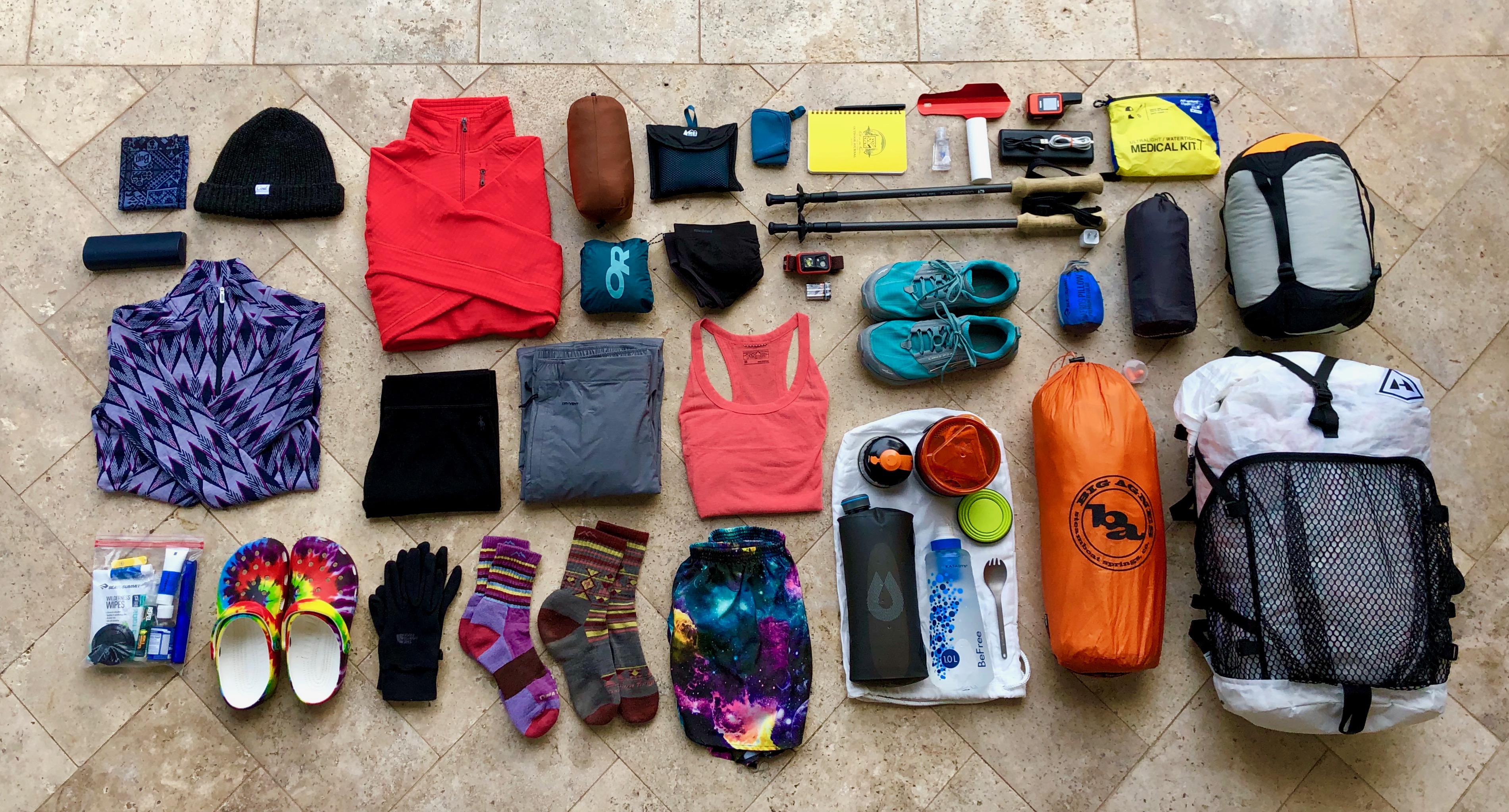
Imagine a weekend trip with a 9-pound base weight. Here’s what you might carry:
- Backpack: 1.5 lbs
- Tent: 1.8 lbs
- Sleeping bag: 1.3 lbs
- Sleeping pad: 0.7 lbs
- Cooking kit: 0.5 lbs
- Water filter: 0.3 lbs
- Extra clothing: 1.2 lbs
- First aid: 0.3 lbs
- Hygiene: 0.2 lbs
- Navigation/phone: 0.5 lbs
Total: 8.8 Lbs
You can hike comfortably, sleep well, and enjoy the trail.
Credit: thetrek.co
How To Track And Improve Your Base Weight Over Time
Keep a gear list and update it after each trip. Write down what you used, what you didn’t, and what you wish you’d brought. Over time, your base weight will improve.
- Use spreadsheets or apps to track gear weights.
- Review after trips: Remove items you didn’t use.
- Ask other hikers: Learn from their experiences.
Expert Advice: When Not To Cut Weight
Sometimes, cutting base weight is not wise:
- Extreme weather: Never skip insulation or rain gear.
- Remote areas: Carry extra safety and repair items.
- Medical needs: Don’t remove first aid gear.
Always balance safety and comfort with weight.
Useful Resources For Backpackers
If you want more details, visit the Backpacking (wilderness) Wikipedia page for deep information on gear, techniques, and safety.
Frequently Asked Questions
What Is A Good Base Weight For Beginners?
A good base weight for beginners is 15–20 pounds. This keeps your pack manageable and comfortable. As you gain experience, try lowering it to 10–15 pounds.
How Can I Weigh My Gear Accurately?
Use a digital kitchen scale for small items and a luggage scale for bigger ones. Always weigh gear yourself—manufacturer weights are sometimes off.
What Gear Should I Upgrade First To Lower Base Weight?
Focus on your big three: backpack, shelter, and sleeping bag. Replacing these can save the most weight.
Is Ultralight Gear Safe For All Conditions?
Ultralight gear is safe if you plan carefully. Never skip essential safety gear like insulation, rain protection, or first aid. Adjust your setup for the weather and terrain.
Can I Go Ultralight On A Budget?
Yes, you can. Buy used gear, make your own items, and upgrade only the heaviest gear first. Thrift stores and gear swaps help too.
Backpacking base weight is a powerful concept. It helps you hike farther, feel better, and enjoy the trail more. Whether you’re new or experienced, understanding and managing your base weight opens a world of adventure. Start small, track your progress, and remember: the best gear is the gear that works for you. Happy hiking!
