
Hiking with a dog is one of life’s simple joys. The bond you create while exploring trails, climbing hills, and crossing streams is special. But not every dog is built for outdoor adventures. Some breeds love the challenge, while others prefer a cozy couch.
If you’re dreaming of a hiking companion, choosing the right dog matters. The wrong choice can lead to frustration, health issues, or even danger. This guide will help you find the best hiking dogs, understand what makes them great, and learn how to prepare for safe, happy adventures together.
What Makes A Great Hiking Dog?
Not all dogs thrive on the trail. The best hiking dogs share a few important traits:
- Endurance: Long hikes demand stamina. Dogs need to walk or run for hours, often on rough terrain.
- Agility: Trails can be tricky. Rocks, roots, and steep climbs require nimble movement.
- Temperament: Calm, friendly dogs are easier to manage in public spaces and around other hikers.
- Size: Medium to large dogs often handle challenging hikes better, but small breeds can surprise you.
- Coat: Dogs with thick coats may struggle in hot weather, while short coats don’t offer enough protection in cold climates.
- Health: Strong hips, joints, and heart are essential.
A hiking dog doesn’t just walk beside you. It shares your adventure, adapts to changing conditions, and keeps you motivated. Let’s explore the breeds that stand out.
Top 15 Best Hiking Dogs
These breeds are famous for their hiking abilities. Some are classic favorites, while others are less well-known but equally impressive. Each has unique strengths and quirks.
1. Labrador Retriever
Labrador Retrievers are America’s most popular dog for a reason. They’re friendly, strong, and love being outside. Their muscular build and medium size make them ideal for long hikes. Labs are also good swimmers, so water trails are a bonus.
- Weight: 55–80 lbs
- Energy: High
- Coat: Short, easy to clean
- Temperament: Gentle and eager to please
Labs rarely tire and enjoy exploring new places. They’re also great with families and other pets.
2. Australian Shepherd
Australian Shepherds are full of energy and intelligence. They love working, which makes hiking feel like a job they want to do. These dogs excel in agility and can handle steep, rocky trails.
- Weight: 40–65 lbs
- Energy: Very high
- Coat: Medium length, needs brushing
- Temperament: Loyal and alert
Aussies need mental stimulation, so hiking is perfect. They do well off-leash but need solid recall training.
3. Border Collie
The Border Collie is often called the smartest dog breed. They learn commands quickly and stay focused. Their stamina is legendary—sheepdogs walk miles every day.
- Weight: 30–45 lbs
- Energy: Extreme
- Coat: Medium, sheds seasonally
- Temperament: Smart and attentive
Border Collies need lots of exercise, so they’re happiest on long, challenging hikes.
4. German Shepherd
German Shepherds are strong, confident, and protective. They adapt well to different terrains, from mountains to forests. Their loyalty makes them excellent hiking partners.
- Weight: 50–90 lbs
- Energy: High
- Coat: Double, sheds heavily
- Temperament: Fearless and obedient
German Shepherds need early training and socialization. They’re steady on trails and can carry small packs.
5. Siberian Husky
Siberian Huskies are built for endurance. These dogs were bred to pull sleds over snowy landscapes. They handle cold weather well and love long hikes.
- Weight: 35–60 lbs
- Energy: Very high
- Coat: Thick, double-layer
- Temperament: Playful and independent
Huskies may wander, so strong recall is vital. They’re happiest in cool climates.
6. Golden Retriever
Golden Retrievers are gentle, social, and athletic. Their love for people and adventure makes them popular hiking dogs. They’re strong swimmers and enjoy varied trails.
- Weight: 55–75 lbs
- Energy: High
- Coat: Medium, needs grooming
- Temperament: Friendly and reliable
Goldens do well in groups and handle moderate to difficult hikes.
7. Vizsla
The Vizsla is a Hungarian breed known for speed and stamina. They’re lean, muscular, and love to run. Their short coat suits warmer climates.
- Weight: 44–60 lbs
- Energy: Very high
- Coat: Short, easy care
- Temperament: Affectionate and lively
Vizslas are sensitive to cold and need exercise daily. They’re great on open trails.
8. Belgian Malinois
Belgian Malinois are often used in police and military work. They’re powerful, agile, and smart. These dogs thrive on activity and need a job.
- Weight: 40–80 lbs
- Energy: Extreme
- Coat: Short, minimal shedding
- Temperament: Alert and loyal
Malinois need experienced owners. They excel on technical trails.
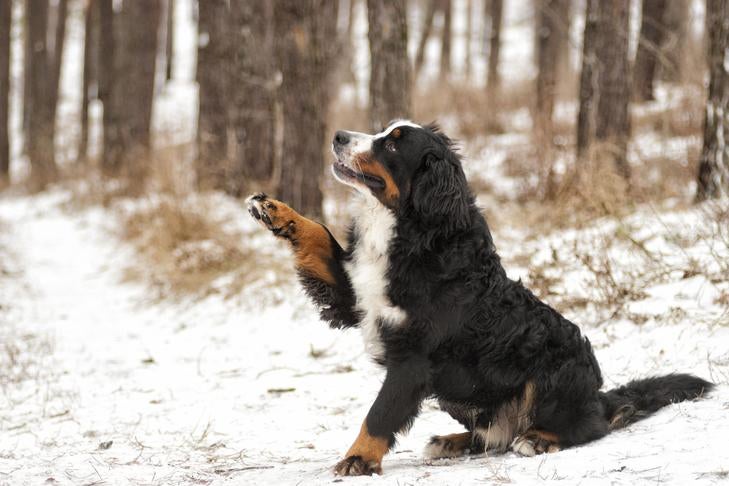
9. Bernese Mountain Dog
The Bernese Mountain Dog is large, gentle, and bred for Swiss mountains. They’re steady on rough terrain and carry packs easily.
- Weight: 70–115 lbs
- Energy: Moderate
- Coat: Thick, sheds seasonally
- Temperament: Calm and affectionate
Bernese dogs love cooler weather and slower hikes.
10. Alaskan Malamute
Alaskan Malamutes are strong, built for pulling heavy loads. Their stamina shines on multi-day hikes. They love the cold and snow.
- Weight: 75–85 lbs
- Energy: High
- Coat: Thick, double-layer
- Temperament: Independent and loyal
Malamutes need strong leadership and careful training.
11. Jack Russell Terrier
Small but mighty, the Jack Russell Terrier surprises many hikers. They’re fearless, energetic, and agile.
- Weight: 13–17 lbs
- Energy: Very high
- Coat: Short, easy care
- Temperament: Bold and lively
Jack Russells handle short to moderate hikes. Their small size lets them squeeze through tight spaces.
12. Weimaraner
Weimaraners are sleek, athletic, and bred for hunting. They cover ground quickly and love adventure.
- Weight: 55–90 lbs
- Energy: High
- Coat: Short, smooth
- Temperament: Loyal and alert
Weimaraners are sensitive and need lots of exercise.
13. Rhodesian Ridgeback
The Rhodesian Ridgeback was bred to hunt lions in Africa. They’re tough, resilient, and handle hot climates well.
- Weight: 70–85 lbs
- Energy: Moderate to high
- Coat: Short, easy care
- Temperament: Calm and independent
Ridgebacks do best on open, sunny trails.
14. Australian Cattle Dog
Australian Cattle Dogs are robust, intelligent, and love to work. Their agility and stamina make them top hiking companions.
- Weight: 35–50 lbs
- Energy: Very high
- Coat: Short, weather-resistant
- Temperament: Loyal and alert
Cattle Dogs thrive on challenging hikes and need mental stimulation.
15. Standard Poodle
The Standard Poodle often surprises hikers. They’re athletic, smart, and adaptable.
- Weight: 40–70 lbs
- Energy: High
- Coat: Curly, hypoallergenic
- Temperament: Friendly and playful
Poodles handle water and rough terrain well. Their coat protects against heat and cold.
Comparing Hiking Dog Breeds
Choosing the right breed depends on your hiking style, climate, and personal preferences. Here’s a simple comparison to help you decide:
| Breed | Energy Level | Best Climate | Ideal Hike Length |
|---|---|---|---|
| Labrador Retriever | High | Moderate | Long |
| Siberian Husky | Very High | Cold | Long |
| Jack Russell Terrier | Very High | Moderate | Short/Medium |
| Bernese Mountain Dog | Moderate | Cold | Medium |
| Australian Shepherd | Very High | Moderate | Long |
| Standard Poodle | High | Moderate | Medium/Long |
Factors To Consider Before Hiking With Your Dog
Not every hike is safe for every dog. Before heading outdoors, think about these important factors:
Age And Physical Condition
Young puppies and older dogs may struggle with tough hikes. Dogs with joint problems, heart issues, or breathing difficulties need easier trails.
- Puppies: Wait until bones and joints are fully developed (usually 12–18 months).
- Seniors: Choose flat, soft paths and shorter distances.
Trail Rules And Regulations
Some trails don’t allow dogs. Others require leashes or restrict certain breeds. Always check local rules.
Weather And Climate
Dogs can suffer from heatstroke or hypothermia. Choose hikes that match your dog’s coat and tolerance.
- Hot weather: Avoid midday hikes. Bring extra water.
- Cold weather: Use protective gear for short-coated breeds.
Gear And Supplies
A well-prepared dog stays safe and happy. Essentials include:
- Water and bowl: Dogs need frequent hydration.
- Food and treats: Pack enough for energy.
- Leash and harness: Choose sturdy, comfortable gear.
- First aid kit: For cuts, ticks, or injuries.
- Dog boots: Protect paws from sharp rocks or hot sand.
- ID tags: In case your dog gets lost.
Training And Recall
A hiking dog must respond to commands, especially in wild areas. Practice recall, “leave it,” and “stay” before hitting the trail.
Hiking Distance And Pace
Dogs can walk faster than humans, but they also tire differently. Watch for signs of exhaustion:
- Heavy panting
- Lagging behind
- Limping or slowing down
Rest often, and adjust the hike to your dog’s ability.
Preparing Your Dog For Hiking
Preparation is key for safe, fun hikes. Don’t just head out—train and build confidence first.
Conditioning
Start with short walks. Increase distance and difficulty slowly. Hills, stairs, and uneven surfaces help build strength.
Vaccinations And Health Checks
Get a vet check before hiking. Make sure vaccinations are current, especially for diseases found outdoors.
- Rabies
- Leptospirosis
- Lyme disease
Trail Manners
Teach your dog to respect other hikers, wildlife, and the environment.
- No chasing animals
- No barking at strangers
- No digging or disturbing the trail
Pack Training
Some dogs can carry their own supplies. Introduce a dog backpack gradually.
- Start empty, then add weight
- Keep packs under 25% of body weight
Hiking With Small Dogs
Many people believe only big dogs hike well. That’s not true. Small breeds like Jack Russell Terrier or Miniature Schnauzer can handle tough trails if trained properly.
Special Considerations
- Pace: Small dogs walk slower. Plan extra time.
- Height: Rocks, steps, and logs may be barriers. Help them over obstacles.
- Safety: Watch for predators (hawks, coyotes) and rough terrain.
Gear For Small Dogs
- Lightweight harness
- Carry bag for emergencies
- Tiny boots for paw protection
Small dogs can surprise you with their endurance. With patience and care, they enjoy hiking as much as big breeds.

Credit: mystboutiquehotel.com
Hiking With Rescue Or Mixed Breed Dogs
You don’t need a purebred to find the best hiking dog. Mixed breeds and rescues often have great stamina and adaptability.
How To Evaluate A Rescue Dog
- Energy level: Observe activity at home and on walks.
- Temperament: Look for confidence and friendliness.
- Physical build: Medium to large mixes often do well.
- Health history: Ask about past injuries or illnesses.
Rescue dogs need time to adjust. Build trust with short walks and positive experiences.
Common Mistakes When Hiking With Dogs
Even experienced hikers make errors. Avoid these common problems:
- Ignoring hydration: Dogs dehydrate quickly. Offer water every 20–30 minutes.
- Skipping health checks: Missed vaccinations or unnoticed injuries can become serious.
- Overestimating stamina: Start slow and watch for signs of exhaustion.
- Letting dogs off-leash too soon: Only do this when recall is perfect.
- Using wrong gear: Ill-fitting harnesses or packs can cause pain or injury.
- Leaving poop on trails: Always pack out waste.
- Forgetting weather risks: Hot pavement, cold snow, or sudden storms threaten safety.

Credit: mystboutiquehotel.com
Real-life Hiking Dog Stories
Seeing real examples helps understand what hiking dogs can achieve.
Sadie The Labrador
Sadie, a Labrador Retriever, has hiked over 400 miles with her owner. She loves water crossings and carries her own snacks. Sadie’s key to success is consistent training and regular vet checks.
Max The Border Collie
Max, a rescue Border Collie, started with short local walks. Now he tackles 10-mile mountain trails. Max’s owner noticed his focus and stamina early, and built confidence through gradual hikes.
Luna The Australian Shepherd
Luna, an Australian Shepherd, is famous in her hiking group for managing steep climbs. Her owner uses puzzle toys to keep Luna mentally sharp on long treks.
Hiking Dog Statistics
The popularity of hiking with dogs has grown fast. According to the American Hiking Society, over 60% of hikers bring a dog on the trail. Dog-friendly parks have increased by 35% in the past decade.
- Most popular breeds: Labrador Retriever, German Shepherd, Australian Shepherd
- Average hike length: 5–8 miles for active breeds
- Dog injuries: Sprains and paw cuts are most common
These numbers show how important it is to choose and care for your hiking companion.
Comparing Hiking Dog Gear
Choosing the right equipment is critical. Here’s a quick look at popular gear options:
| Gear | Purpose | Best For | Price Range |
|---|---|---|---|
| Dog Backpack | Carry supplies | Medium/Large breeds | $30–$80 |
| Boots | Paw protection | All breeds | $20–$50 |
| Harness | Safe walking | All breeds | $25–$70 |
| Collapsible bowl | Water/food | All breeds | $10–$25 |
| GPS tracker | Find lost dogs | Adventurous breeds | $50–$150 |
Non-obvious Insights For Hiking With Dogs
Experienced hikers know a few things beginners often miss:
- Altitude sensitivity: Dogs can suffer from altitude sickness just like humans. Watch for vomiting, weakness, or confusion at high elevations.
- Tick and parasite risks: Dogs are exposed to ticks and other parasites on trails. Use preventive medications and check your dog after every hike.
- Trail etiquette: Not all hikers love dogs. Always step aside for others, and keep your dog close.
- Wildlife encounters: Dogs may chase or bark at animals. Training “leave it” helps avoid trouble.
Credit: www.akc.org
How To Choose The Right Hiking Dog For You
Finding your hiking dog is personal. Ask yourself:
- How often do I hike? Daily hikers need high-energy breeds. Occasional hikers may prefer calmer dogs.
- What climate do I live in? Cold-weather breeds like Huskies or Bernese Mountain Dogs need snow. Hot-weather breeds like Ridgebacks handle heat.
- Do I want a small or large dog? Smaller dogs suit city hikes. Larger dogs handle tough trails.
- Do I hike alone or with family? Friendly breeds like Labradors or Goldens are best for groups.
Visit shelters, talk to breeders, and watch dogs in action. Spend time with your future companion before committing.
Health And Safety Tips
Your dog’s health is the most important factor. Keep these tips in mind:
- Hydration: Carry extra water. Dogs need 0.5–1 ounce per pound per day.
- Food: Bring high-protein snacks for energy.
- Rest breaks: Stop often, especially on hot days.
- Check paws: Look for cuts, burns, or thorns.
- Vet visits: Get annual checkups and discuss hiking plans with your vet.
- Emergency plan: Know the nearest animal hospital on your route.
Where To Find Dog-friendly Hiking Trails
Many parks and trails welcome dogs. Some of the best resources include:
- National Park Service: Their website lists dog policies for each park.
- AllTrails: This app has a filter for dog-friendly trails.
- Local hiking clubs: Join a group to find safe routes and meet other dog owners.
For more details, visit the American Hiking Society, which offers tips and trail guides.
Frequently Asked Questions
What Is The Best Age For A Dog To Start Hiking?
Most dogs can start hiking when they’re 12–18 months old. At this age, their bones and joints are strong enough for longer walks. Puppies need gentle exercise to avoid injury.
How Do I Know If My Dog Is Tired Or Overheated?
Watch for signs like heavy panting, drooling, slow movement, or lying down often. If your dog refuses to walk or seems confused, stop immediately and offer water and shade.
Can I Hike With More Than One Dog?
Yes, but it’s important to keep control. Use leashes or harnesses and practice group recall. Start with short hikes to see how the dogs behave together.
Are Mixed Breed Dogs Good For Hiking?
Many mixed breeds are excellent hikers. Look for medium to large size, high energy, and friendly temperament. Rescue dogs can surprise you with their stamina and adaptability.
What Should I Do If My Dog Gets Injured On The Trail?
Carry a dog first aid kit. Clean wounds, stop bleeding, and keep your dog calm. If the injury is serious, call for help or head to the nearest vet. Know basic first aid before hiking.
Final Thoughts
Hiking with a dog is more than exercise—it’s a partnership. The right dog makes every trail an adventure, every climb a memory. Whether you choose a classic Labrador Retriever, an energetic Australian Shepherd, or a brave Jack Russell Terrier, preparation and care are essential. Remember, every dog is unique. Watch for signs of fatigue, keep your hikes safe and fun, and enjoy exploring the world together. With the right dog by your side, every hike becomes a journey worth taking.
