
Long Term Camping: The Complete Guide For Extended Outdoor Living
Imagine waking up to the sounds of birds, feeling the cool morning air on your face, and having nowhere else to be but nature. For many, long term camping is not just a vacation—it’s a lifestyle, a way to find freedom and reconnect with the world outside busy cities. Whether you are planning to live in a tent for months, set up a base camp for seasonal work, or just want to take a long break from modern life, this guide explains everything you need to know for a safe, comfortable, and enjoyable experience.
What Is Long Term Camping?
Long term camping means staying outdoors for weeks, months, or even years at a time. This is different from a weekend trip or a short holiday. It can involve tent camping, living in a camper van, or setting up a more permanent base camp. People choose this lifestyle for different reasons: adventure, saving money, escaping city stress, or even as a way to test self-reliance.
There are many ways to do long term camping. Some campers move from place to place, while others stay in one spot for a season. Campers may live alone, with family, or join a group. What connects them all is the need for good planning, the right equipment, and the ability to adapt to nature’s challenges.
Why Choose Long Term Camping?
Living outdoors for a long time is not always easy, but it brings real rewards. Here are some reasons people choose extended camping:
- Connection to nature: You experience the changing seasons, weather, and wildlife in a way most people never do.
- Simple living: Life becomes less about things and more about experiences.
- Saving money: Living outdoors can cost less than city life, especially if you travel slowly and cook your own food.
- Adventure: Every day is different, with new challenges and discoveries.
- Personal growth: You learn patience, problem-solving, and self-reliance.
But it’s important to remember that long term camping also brings risks, discomforts, and sometimes loneliness. Knowing what to expect can help you decide if this lifestyle is right for you.
Planning Your Long Term Camping Trip
Good planning is the key to a safe and enjoyable experience. Here are the main steps:
1. Set Clear Goals
Ask yourself why you want to camp long term. Is it for adventure, work, travel, or something else? Your answer will affect your location, gear, and budget.
2. Choose Your Location Wisely
Not all places allow long term camping. Some parks or public lands have rules about how long you can stay. Research the area’s climate, wildlife, and access to resources like water and food.
3. Permits And Legal Issues
Check if you need a camping permit or if there are time limits. In the US, for example, most national forests allow up to 14 days in one spot, but rules vary. Some public lands have free dispersed camping, while others require payment and registration.
4. Budgeting
Even simple living costs money. Make a list of one-time and ongoing costs: gear, food, transportation, permits, and emergencies. Plan for unexpected expenses, as repairs or medical needs can surprise you.
5. Health And Insurance
Think about your health. Bring any medicines you need, and know where the nearest hospital or clinic is. Consider travel insurance if you are far from home.
6. Safety Planning
Have a plan for emergencies, from storms to accidents. Tell friends or family where you are, and set check-in times. Bring a first aid kit and learn basic skills.
Essential Gear For Long Term Camping
Your gear makes the difference between comfort and struggle. While everyone’s needs are different, these basics are essential:
| Item | Why You Need It | Tips for Long Term Use |
|---|---|---|
| Tent or Shelter | Protection from weather, bugs, and animals | Choose 4-season tents for harsh weather, bring repair kits |
| Sleeping Bag & Pad | Warmth and comfort at night | Pick one rated for local temperatures, consider an inflatable pad for better sleep |
| Cooking Gear | Prepare healthy meals | Compact stoves, durable pots, and reusable utensils last longer |
| Water Filtration | Safe drinking water | Bring both a filter and purification tablets as backup |
| Clothing | Protection from sun, rain, cold | Layering is key; choose quick-dry materials |
| Lighting | Nighttime safety | Headlamps with extra batteries are best |
| First Aid Kit | Handle injuries and sickness | Include extra supplies for long trips |
| Power Supply | Charge devices | Solar panels or battery packs work well off-grid |
| Navigation Tools | Maps, compass, GPS | Don’t rely only on phones; paper maps are essential |
| Multi-tool/Knife | Many uses: repairs, food, safety | Choose a durable, high-quality tool |
Two key insights: First, redundancy matters—a backup water filter or light source can save your trip if something breaks. Second, prioritize multi-use items (like a bandana or tarp) to save space and weight.
Credit: merinoprotect.com
Shelter Options: Pros And Cons
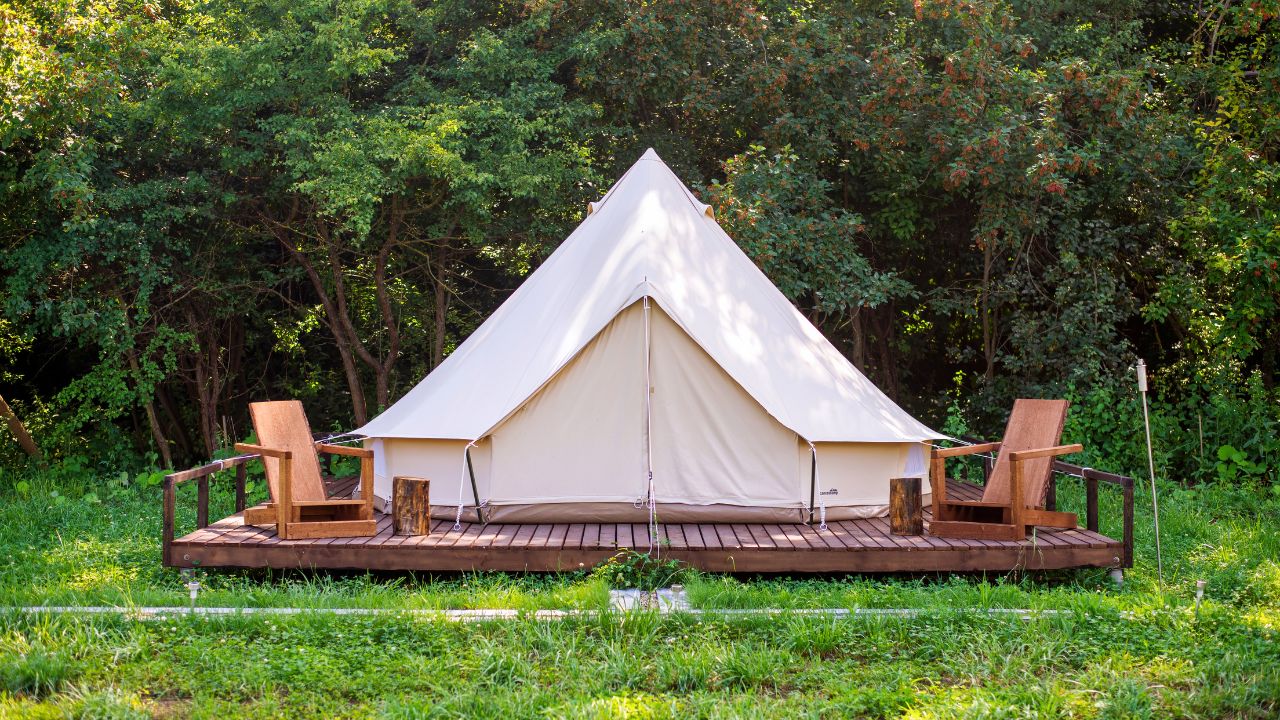
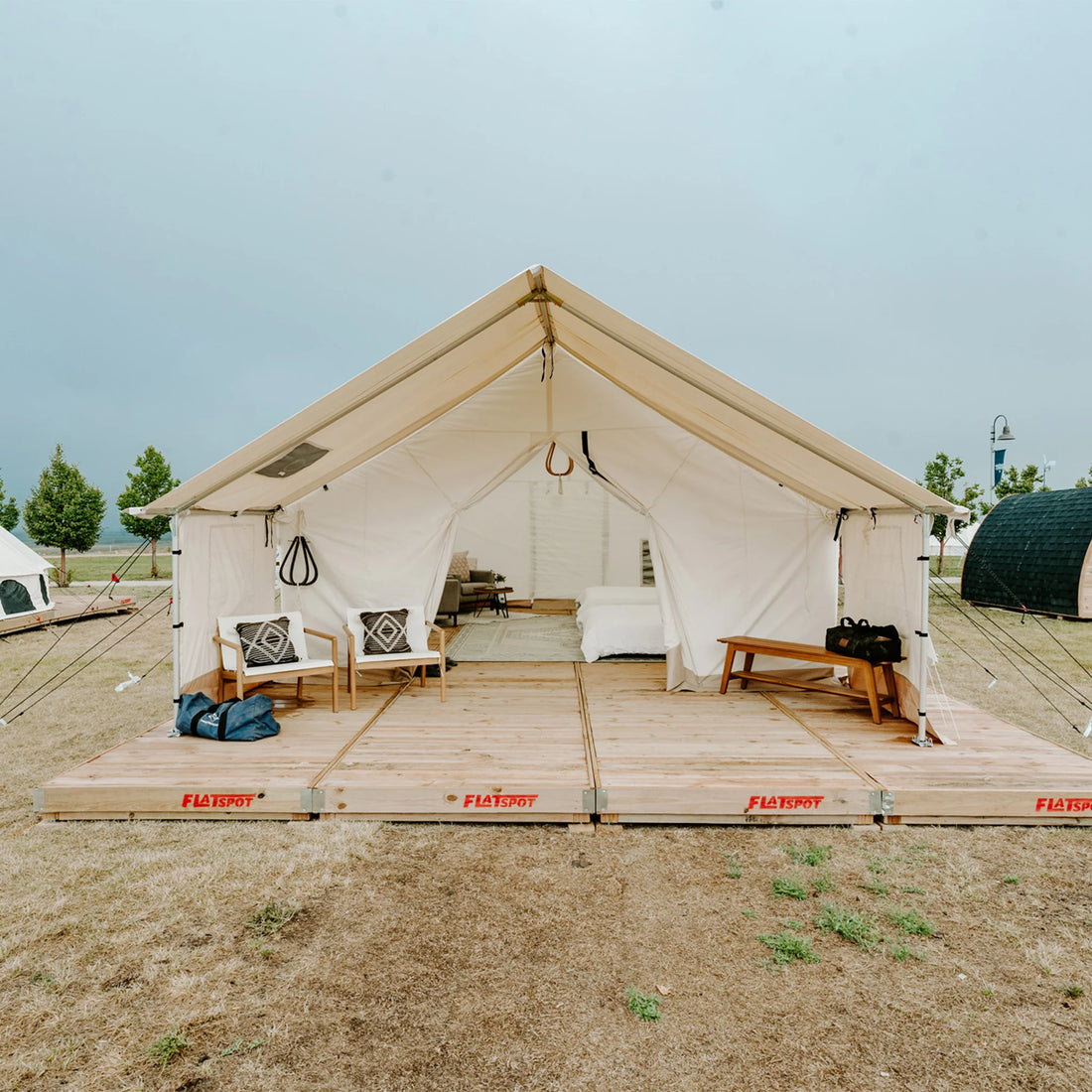
Your shelter is your home. The main options are tents, camper vans, RVs, hammocks, or even tiny cabins. Each has its benefits and challenges:
| Shelter Type | Pros | Cons |
|---|---|---|
| Tent | Light, flexible, affordable | Less protection from weather and animals |
| Camper Van/RV | Comfort, security, mobility | Expensive, needs fuel, limited off-road use |
| Hammock | Very light, great for hot climates | Not suitable for cold or treeless areas |
| Tiny Cabin/Yurt | Most comfortable, like a real home | Expensive, not mobile, may need permits |
A common beginner mistake is choosing a shelter that is too heavy or not suited for the expected weather. Test your shelter setup before your trip, and always carry repair tools.
Food And Water Strategies
Food Storage And Preparation
For long term camping, you can’t rely on daily trips to the store. Plan for:
- Non-perishable foods like rice, pasta, canned beans, and oats
- High-calorie foods: Nuts, dried fruit, jerky, peanut butter
- Fresh food when available: Local markets, foraging, fishing, or gardening
Store food in animal-proof containers to avoid attracting bears or raccoons. Practice safe cooking—never cook inside your tent.
Cooking Methods
- Portable gas stoves are reliable and easy to use.
- Campfires are traditional, but check local fire rules and risks.
- Solar ovens are a good option in sunny areas.
Water Collection And Purification
Drinking water is your top priority. Even clear mountain streams can contain harmful bacteria. Main options:
- Water filters: Remove most bacteria and protozoa.
- Boiling: Kills all germs, but uses fuel.
- Purification tablets: Lightweight, but leave a taste.
Always have a backup method. In dry areas, collect rainwater using tarps and buckets.
Hygiene And Sanitation
Staying clean is not just about comfort—it prevents illness. Here’s how to manage hygiene:
- Bathing: Use biodegradable soap at least 200 feet from water sources. Wet wipes can help between baths.
- Toilets: Dig a “cat hole” (6-8 inches deep) for waste, cover it well. In some places, portable toilets are required.
- Laundry: Wash clothes in a bucket with minimal soap. Hang dry in the sun.
- Trash: Pack out everything. Even small scraps attract animals.
A less-known tip: Hand sanitizer is not enough for true cleanliness. Wash with soap and water often, especially before eating.
Staying Healthy And Safe
Health is your foundation for long term camping. Common issues include cuts, insect bites, cold, heat, and loneliness.
Dealing With Weather
- Cold: Layer clothing, eat high-energy food, and stay dry.
- Heat: Drink plenty of water, wear a hat, and rest during midday.
- Storms: Secure your shelter, move away from tall trees in lightning.
Wildlife Safety
- Store all food and scented items in bear-proof containers or hang them from a tree.
- Keep a safe distance from all animals, especially in spring (baby animals) and fall (mating season).
- Learn about local snakes, insects, and plants that can harm you.
First Aid Skills
At a minimum, learn to treat:
- Cuts and burns
- Sprains and broken bones
- Allergic reactions
- Stomach problems
A wilderness first aid course is a smart investment.
Power, Connectivity, And Communication
Most long term campers want at least some power for charging phones, lights, or GPS. Here are the main solutions:
Power Options
- Solar panels: Quiet, renewable, but slow on cloudy days.
- Battery packs: Good for short trips, heavy for long ones.
- Car chargers: Useful if you have a vehicle.
- Generators: Provide lots of power, but noisy and use fuel.
Internet And Communication
- Cell service is weak or missing in remote areas. Consider a satellite communicator for emergencies.
- Download maps and guides before you leave.
- Tell someone your plans and check in regularly.
A non-obvious insight: Some solar panels work poorly in cold weather—test your setup before you rely on it.
Managing Money While Camping
Living outdoors saves money, but you still need income for food, gear, and emergencies. Common options:
- Remote work: Many campers work online—writing, programming, teaching.
- Seasonal jobs: Farms, campgrounds, parks, or tourism.
- Crafts and art: Sell handmade items at local markets.
- Saving money: Live simply, trade goods with other campers.
Budget for replacement gear and medical needs. Don’t assume you can always find work in remote places.
Social Life And Community
Long term camping can be lonely, especially if you travel alone. But there are ways to build a community:
- Join online groups: Many forums and social media groups exist for campers and nomads.
- Attend gatherings: Events like “van life meetups” or “rendezvous” are common in some areas.
- Volunteer: Help with local projects or conservation work.
- Camp with friends: Share tasks, meals, and company.
It’s okay to enjoy solitude, but regular contact with others helps mental health.
Adapting To The Seasons
Nature changes, and so must you. Each season brings its own joys and problems.
Spring
- Watch for flooding and melting snow.
- Insects become active—bring repellent.
Summer
- Heat and storms are the main issues.
- Water sources may dry up.
Fall
- Cold nights return, but fewer bugs.
- Good time for foraging wild foods.
Winter
- Only for experienced campers.
- Need extra insulation, strong shelter, and more calories.
A tip that beginners miss: Plan your moves with the seasons. If you travel, follow the good weather—north in summer, south in winter.
Environmental Impact And Leave No Trace
Long term camping can harm nature if you’re not careful. Follow these principles to reduce your impact:
- Camp only in allowed places. Don’t cut new trails or clear land.
- Pack out all trash. Even food scraps can damage the ecosystem.
- Use established fire rings. Avoid making new ones.
- Respect wildlife. Don’t feed or approach animals.
- Protect water sources. Wash and use the bathroom far from streams and lakes.
For more details, the official Leave No Trace Center for Outdoor Ethics explains the seven core rules.
Real-world Examples: Long Term Camping Lifestyles
Solo Tent Camping
Maria, a graphic designer, spent six months living in national forests in the western US. She worked online, moved every two weeks, and kept costs below $600 a month. Her biggest challenge was finding reliable internet, but the freedom and beauty made it worthwhile.
Family Van Life
The Johnson family (two adults, two kids) lived in a converted van for a year, traveling across Canada. They homeschooled their children, cooked all meals, and visited parks and museums. The children learned practical skills and grew closer as a family.
Seasonal Work Camp
A group of friends spent summer working at a mountain lodge. They camped nearby, saved money, and explored the wilderness on days off. By sharing gear and tasks, they made the experience affordable and fun.
Credit: livemoreoutside.com
Common Mistakes And How To Avoid Them
- Underestimating weather: Bring gear for the worst case, not just the best.
- Ignoring local rules: Fines for illegal camping can ruin your trip.
- Poor food storage: Bears and raccoons are smarter than you think.
- Overpacking: Heavy loads make travel hard. Choose multi-use gear.
- Skipping trial runs: Test your setup on a short trip first.
- Not planning for boredom: Bring books, games, or hobbies.
A tip often missed: Your first camp will not be perfect. Adjust your system as you go.
How Long Term Camping Changes You
After months outdoors, many campers say they:
- Feel more confident and resilient
- Appreciate small comforts
- Value time and experiences over things
- Have stronger bodies and clearer minds
But it’s not always easy. You may get lonely, tired, or frustrated. That’s normal—just don’t be afraid to ask for help or take a break.
.JPG)
Credit: mtnmanblog.blogspot.com
Getting Started: First Steps
If you’re ready to try long term camping, here’s a plan:
- Start small: Try a week-long trip close to home.
- Borrow or rent gear before buying everything.
- Learn basic skills: Fire building, water purification, first aid.
- Talk to experienced campers: Online forums and local groups are full of advice.
- Make a checklist: Review before every trip.
The journey to long term camping is as important as the goal. Take your time, learn, and enjoy the process.
Frequently Asked Questions
How Long Can I Legally Camp In One Spot?
Rules vary by country and region. In the US, most national forests and Bureau of Land Management lands allow 14 days in one spot, then you must move at least 25 miles. Some private campgrounds allow longer stays with permission.
Always check local rules before you set up camp.
Is Long Term Camping Safe For Solo Campers?
Yes, with good planning and precautions. Tell someone where you are, carry a first aid kit, and know basic survival skills. Solo campers should be extra careful about weather and wildlife, and check in regularly with family or friends.
How Do I Get Mail Or Packages While Camping?
You can use services like “General Delivery” at post offices, or have mail sent to a friend or a local business with permission. Some campgrounds accept packages for guests. Plan ahead if you need important documents or deliveries.
What Do I Do If My Gear Breaks Or Fails?
Always carry basic repair tools and materials—duct tape, sewing kit, spare parts. Learn to fix tents, zippers, and stoves. In emergencies, look for the nearest outdoor store or hardware shop. Having a backup for critical items (like water filters) is wise.
How Can I Meet Other Long Term Campers?
Join online communities, attend meetups, and visit popular campgrounds. Many people make lifelong friends through shared experiences outdoors. Volunteering or joining group hikes are good ways to connect.
Living outdoors for months or years is a big adventure. With good planning, the right gear, and the willingness to adapt, long term camping can be one of the most rewarding experiences of your life. Nature will test you, but it will also teach you more than any classroom or office ever could. Pack wisely, respect the land, and enjoy the journey—your long term camping story is just beginning.
