
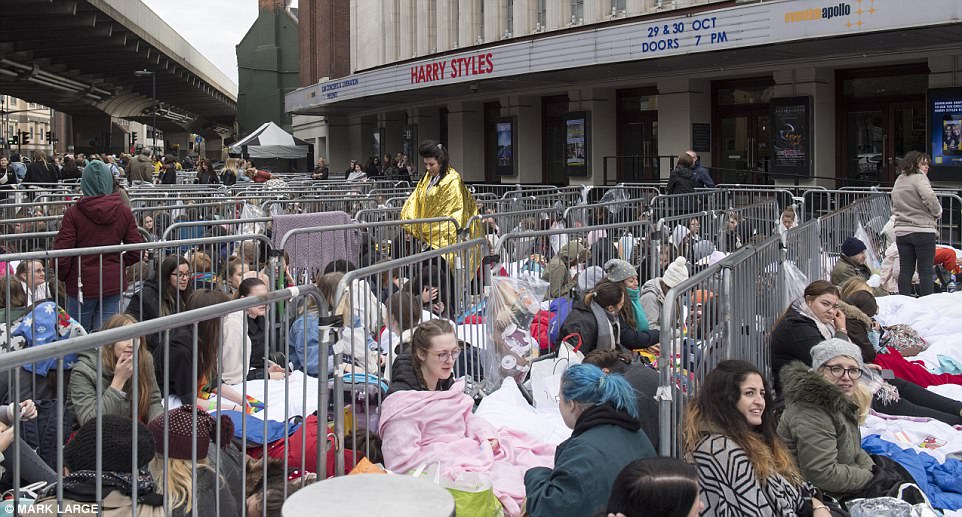
People often wonder why some music fans are willing to sleep outside, sometimes for days, just to get into a concert. You may have seen photos of long lines of tents and sleeping bags, sometimes stretching around blocks, as fans wait for the doors to open.
To many, this dedication seems extreme. But for those who camp outside concerts, it’s about much more than simply getting a good spot. It’s about community, anticipation, memories, and sometimes even identity. The experience starts long before the music begins.
In this article, we’ll explore the reasons why people camp outside concerts, the psychology behind this behavior, and what fans gain from the experience. We’ll look at the social side, the practical benefits, and the risks. We’ll also share real stories, data, and insights that go beyond the obvious.
If you’ve ever wondered what drives people to brave cold nights, rain, or lost sleep for a few extra hours in line, keep reading.
The Desire For The Best Spot
One of the biggest reasons people camp outside concerts is to get as close as possible to the stage. For fans, especially at general admission (GA) events, where seats are not assigned, proximity to the artist can mean everything. The difference between being in the first row and being further back is huge. The front row offers a clear view, eye contact, and sometimes interaction with the performer.
At major events, the first people in line often get front row access, which is highly prized. Some fans will travel across cities or even countries to be among the first. For popular artists, fans may queue for 24 hours or more—sometimes even up to a week for the biggest shows.
A study from Eventbrite found that 24% of concertgoers have arrived more than five hours early just to secure a better spot. With GA concerts, the earlier you arrive, the better your chances. This urgency creates a competitive environment, pushing fans to go to extremes.
Why Front Row Matters
- Clear view: No heads or hands blocking the stage.
- Personal interaction: Artists often notice and acknowledge those in the front.
- Setlists and souvenirs: Some fans catch guitar picks, setlists, or drumsticks thrown into the crowd.
- Unique memories: First-row experiences are often once-in-a-lifetime.
It’s not just about seeing the show—it’s about being part of a moment that feels exclusive.
Community And Friendship
Camping outside concerts isn’t always a solo experience. For many, it’s a chance to connect with others who share their passion. The line outside a show often becomes a temporary village, where fans bond over their love for the artist and music.
How Communities Form
- Shared experience: Waiting in line creates a sense of camaraderie.
- Traditions and rituals: Fans may bring games, food, and share stories.
- Online groups: Many organize campouts via social media, meeting up with people they’ve only talked to online.
Fans often make lasting friendships during these waits. Some even form fan clubs or travel together to multiple concerts. For introverts or those who feel isolated in their daily lives, these communities can be especially important. In a world where many connections happen online, camping outside concerts offers a rare chance for real-life, face-to-face interaction.
Non-obvious Insight: Micro-communities
Not all fans in line want the same thing. Some are front row die-hards, while others simply want to experience the atmosphere. Small groups form within the larger crowd, each with its own traditions. For example, some groups exchange homemade bracelets, while others run “mini games” to pass the time.
The Thrill Of Anticipation
Waiting is usually seen as boring or stressful. But for concert campers, the anticipation is part of the excitement. The hours—or days—spent waiting can actually heighten the experience.
Psychologist Dr. Amit Kumar found that anticipation can boost happiness more than the event itself. The buildup, the planning, and even the discomfort all add to the story. The wait becomes part of the concert memory.
Why Anticipation Feels Good
- Builds excitement: The longer the wait, the greater the reward feels.
- Shared suspense: The whole group experiences a rising sense of excitement together.
- Storytelling: Fans love to share the story of “that time we camped for 36 hours for Taylor Swift.”
A fan may remember the jokes, the sunrise, or the shared snacks as much as the music. The wait is not wasted time—it’s an essential part of the adventure.
Exclusive Access And Perks
Some concerts and festivals offer special rewards for early arrivals. These can include:
- Early entry wristbands
- Meet-and-greet opportunities
- Limited edition merchandise
- Soundcheck access
For superfans, these perks are worth the effort. A few hours in line might mean a once-in-a-lifetime experience, like meeting their idol or getting a signed poster.
Here’s a comparison of what early arrivals can get versus regular ticket holders:
| Early Arrivals | Regular Ticket Holders |
|---|---|
| Front row access | Middle or back seating |
| Chance for setlist or souvenirs | Less likely to receive extras |
| Possible artist interaction | Limited or no interaction |
| Special wristbands/gifts | Standard admission only |
These rewards are rarely advertised, but fans who camp outside concerts know the secrets.
The Social Media Factor
In the age of Instagram and TikTok, being up front isn’t just about the live moment—it’s also about sharing it online. Fans want the best possible photos and videos to post. Content from the front row is more impressive, more likely to get likes, and sometimes even noticed by the artist themselves.
How Social Media Changes Camping Culture
- Proof of dedication: Posting from the front row shows commitment to the fandom.
- Fan recognition: Artists sometimes repost fan content or invite top fans to future events.
- Viral moments: Special interactions—like a singer handing the microphone to a fan—are more likely when you’re close to the stage.
This creates an extra layer of motivation. The concert experience lives on long after the last song, shared across social platforms.
The Search For Identity And Belonging
For some fans, especially teens and young adults, camping outside concerts is about more than music. It’s about finding a place where they belong. Being part of a dedicated fan group can be a core part of someone’s identity.
Why This Matters
- Shared values: Fans often have similar tastes, attitudes, and even worldviews.
- Safe space: The concert line can be a place where people feel accepted, regardless of background.
- Rites of passage: Camping out can feel like a test of dedication—a way to “prove” you’re a true fan.
Research shows that group activities like this can boost self-esteem and happiness. For people who feel misunderstood in their regular lives, the sense of belonging is powerful.
The Practical Side: Avoiding Disappointment
Concerts, especially for popular artists, can sell out fast. Even with a ticket, GA shows are first-come, first-served. If you want a good spot, arriving late can mean hours of standing in the back, with poor views and sound.
Camping is a way to guarantee entry or a better experience. Some fans have missed out in the past and don’t want to repeat the disappointment.
Here’s a look at what camping can mean for your concert experience:
| Without Camping | With Camping |
|---|---|
| Long wait at the door | First group inside |
| Limited view of the stage | Front row or close proximity |
| Less chance for souvenirs | Higher chance for setlists, picks, etc. |
| Missed opportunities | Possible artist interaction |
The practical benefit is clear: camping increases your chances for the best experience.
Unique Traditions And Fan Culture
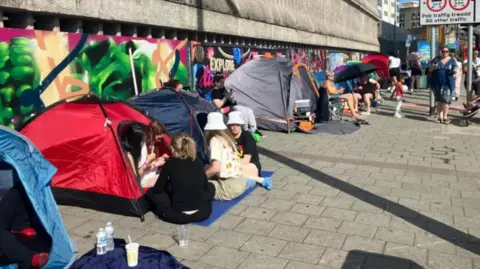
Each music scene has its own camping traditions. K-pop fans, for example, are known for organizing elaborate queuing systems, complete with signup sheets, shifts, and unofficial “line captains. ” At festivals like Glastonbury or Coachella, camping is not just a means to an end—it’s part of the event itself.
Some rock fans bring portable grills and cookouts. Others decorate their tents with band logos. Pop fans might exchange homemade crafts or gifts.
Non-obvious Insight: Line Etiquette
Every group develops its own unwritten rules. For instance, in some lines, you can leave for a shower or meal as long as you have a “place holder” to keep your spot. In others, leaving the line means losing your spot entirely.
Knowing these unwritten rules can make or break your experience.
The Drawbacks And Risks
Camping outside concerts is not for everyone. There are real risks and downsides, including:
- Weather exposure: Rain, heat, or cold can be challenging.
- Physical discomfort: Sleeping on concrete or standing for hours is tough.
- Safety concerns: Crowds can be unpredictable, and not all areas are safe overnight.
- Health issues: Lack of sleep, poor nutrition, and dehydration are common.
A 2019 survey by Festicket found that 34% of campers had experienced “major discomfort” during overnight waits. There are also stories of items being stolen or conflicts over line positions.
Despite these challenges, most campers feel the rewards outweigh the risks. But it’s important to be prepared and to know your limits.
How To Camp Safely And Comfortably
If you’re considering camping outside a concert, some planning can make the experience more enjoyable and safe. Here are some practical tips:
- Check venue rules: Some places ban overnight camping or set strict guidelines.
- Bring essentials: Warm clothing, portable chargers, snacks, water, and a comfortable chair or mat.
- Stay with a group: There’s safety in numbers.
- Plan for weather: Bring a poncho or sunblock, depending on the forecast.
- Respect others: Follow unwritten line etiquette and be considerate.
Most importantly, listen to your body. If you’re too tired or feel unsafe, it’s OK to step back.
Here’s a quick comparison of essential items:
| Must-Have Items | Optional Comforts |
|---|---|
| Water bottle | Pillow |
| Warm jacket/blanket | Portable fan |
| Snacks | Board games/cards |
| Phone charger | Travel coffee mug |

Real Stories From Concert Campers
Hearing from people who have actually camped outside concerts gives a clearer picture of what the experience is like.
- Lisa (age 22, New York): “Camping for BTS was wild. We started as strangers but by sunrise, we were friends. I still talk to those people two years later.”
- Miguel (age 28, Madrid): “I camped for Metallica and ended up in the front row. James Hetfield smiled right at me. It was worth every hour.”
- Sasha (age 19, Sydney): “It was freezing, but the adrenaline kept us going. The line had its own rules—if you left for too long, you lost your spot.”
Many fans say camping becomes part of the story they tell, sometimes more memorable than the concert itself.
How Artists And Venues Respond
Some artists love seeing fans camp out. They’ll bring food, coffee, or even come out to say hello. Others worry about safety and encourage fans not to camp. Venues are mixed—some set up organized queuing systems; others ban camping to avoid problems.
Recently, some ticketing platforms have introduced “early entry” or “fan pit” tickets to reduce the need for camping. This helps, but demand is often higher than supply, so camping continues.
The Global Phenomenon
Camping outside concerts is not just an American thing. Around the world, fans show similar dedication, but with local twists.
- South Korea: Fans queue in organized shifts, sometimes with written schedules.
- Brazil: Camping is common for big pop shows, with fans forming line groups on WhatsApp.
- UK Festivals: Camping is part of the festival culture, with elaborate tents and themed camps.
Cultural differences shape the experience, but the underlying passion is the same.
Economic Impact
Camping outside concerts doesn’t just affect fans—it impacts local businesses. Restaurants, coffee shops, and hotels near venues often see increased sales. Some even open early to serve campers.
A 2018 report from Pollstar estimated that live music events generate over $10 billion per year in ticket sales in the US alone, with related spending (food, hotels, merchandise) adding billions more. While camping may not directly drive all this, the dedication of superfans helps create buzz and higher sales.
Is Camping Outside Concerts For Everyone?
Camping is not for every fan. Some people prefer to arrive just before the show and enjoy it from wherever they land. For others, the line is as important as the music. It’s a matter of personality, priorities, and physical ability.
If you’re curious, try it for a smaller show first. Talk to people who’ve done it, and decide if the experience matches what you want. Don’t feel pressured—there’s no single “right” way to enjoy live music.
Frequently Asked Questions
Why Do Some Fans Camp For Days Before A Concert?
Some fans camp for days to guarantee front row access, get closer to their favorite artists, and enjoy exclusive perks like setlists or personal interactions. The experience itself, including meeting other fans, is also a big motivation.
Is Camping Outside Concerts Allowed Everywhere?
Not all venues or cities allow camping. Some have strict rules against overnight waiting due to safety or local laws. Always check with the venue before planning to camp.
What Should I Bring If I Want To Camp For A Concert?
Essentials include a warm jacket, sleeping bag or blanket, snacks, water, portable phone charger, and comfortable shoes. Optional items are a pillow, chair, or entertainment like cards.
Are There Risks To Camping Outside Concerts?
Yes, camping can involve risks like exposure to weather, lack of sleep, and safety issues. It’s important to stay with a group, watch your belongings, and be aware of your surroundings.
Does Camping Guarantee A Better Concert Experience?
Camping increases your chances of a front row spot or special moments, but it doesn’t guarantee them. The experience can be rewarding, but also challenging. Consider your limits and preferences before deciding.
Camping outside concerts is more than a way to get a good view—it’s a unique blend of anticipation, community, and passion. For many, the wait becomes as important as the show itself. If you ever decide to try it, you’ll join a global tradition that’s as much about people as it is about music. For more on fan culture and live events, visit the Live music Wikipedia page.
