
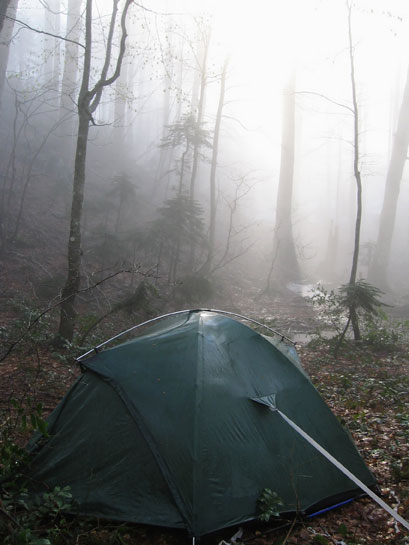
Camping in the rain might sound uncomfortable or even impossible to some people. But for those with the right approach and knowledge, rainy camping can become a memorable adventure. The smell of fresh rain, the sound of droplets on your tent, and the misty forest all offer a unique experience that sunny days just can’t match. However, to enjoy camping when it’s wet, you need to be well-prepared and know how to adapt. Let’s dive into what makes camping in the rain both challenging and rewarding, and how you can turn a soggy trip into a story worth telling.
Why Consider Camping In The Rain?
Rain doesn’t have to ruin your camping plans. In fact, there are some unexpected benefits:
- Fewer crowds: Popular campsites are often empty when the weather turns, so you get more privacy and quiet.
- Unique beauty: Rain brings out lush colors, dramatic skies, and sometimes even rainbows.
- Wildlife sightings: Animals are more active in cool, rainy weather compared to hot, dry days.
- Mosquito control: Heavy rain can reduce flying insects, making evenings more comfortable.
But these rewards come with new challenges. Wet gear, muddy trails, and slippery surfaces can test any camper’s patience. With the right preparation, you’ll learn to love the rain—and maybe even look forward to it.
Essential Gear For Camping In The Rain
Good gear makes all the difference between a miserable trip and a comfortable one. Here’s what you need to stay dry, warm, and happy.
Waterproof Shelter
Your tent is your main defense against the rain, so choose wisely. Look for:
- Full rainfly: Covers the entire tent, not just the top.
- Sealed seams: Prevents water from sneaking in.
- Bathtub floor: The bottom of the tent should rise a few inches up the walls.
- Good ventilation: Prevents condensation inside.
Bring an extra tarp to put under your tent (called a footprint) and another to hang over it. This double layer adds protection.
Rain-ready Clothing
Staying dry isn’t just about comfort—it’s about safety. Hypothermia can happen even in mild temperatures if you get wet. Pack:
- Rain jacket and pants: Look for breathable materials like Gore-Tex.
- Quick-drying base layers: Avoid cotton, which stays wet and cold.
- Wool or synthetic socks: These keep insulating even when damp.
- Waterproof boots: Keep your feet dry and offer good grip.
Smart Packing
Wet gear is heavy and messy. To keep your things dry:
- Use dry bags or zippered plastic bags for clothes, electronics, and food.
- Line your backpack with a trash compactor bag (thicker and tougher than a regular trash bag).
- Bring extra garbage bags—they’re useful for everything from covering gear to sitting on wet logs.
Camp Comfort Items
Rainy weather means more time in your tent or under shelter. Make it cozy:
- Camp chairs with waterproof seats
- Lanterns or headlamps (rainy days get dark early)
- Playing cards or a book
- Waterproof matches or a lighter
Cooking Gear
Cooking in the rain can be tricky. A few essentials make it easier:
- Stove with windscreen: Don’t rely on campfires, which are hard to start when wet.
- Covered cook area: A tarp or pop-up shelter keeps your kitchen dry.
- Sealable food containers: Rain brings out animals, so store food safely.
Quick Comparison: Tent Features For Rainy Camping
Here’s a look at what matters most when choosing a tent for wet weather.
| Feature | Why It’s Important | What to Look For |
|---|---|---|
| Rainfly Coverage | Keeps rain off tent body | Full coverage, reaches ground |
| Seam Sealing | Blocks leaks at stitching | Factory-taped or DIY seam sealer |
| Ventilation | Reduces condensation inside | Mesh windows, vents under rainfly |
| Bathtub Floor | Prevents ground water entry | Floor wraps up at least 4 inches |
How To Set Up Camp In The Rain
Pitching your tent in the rain is not the same as on a sunny day. The right setup will keep you dry and comfortable.
Picking The Best Campsite
Location is everything when it’s wet. Look for:
- High ground: Avoid valleys or dips where water collects.
- Gentle slope: A slight tilt helps water run off instead of pooling.
- Natural cover: Trees can block some rain, but avoid dead branches (“widowmakers”).
- Distance from water: At least 200 feet from lakes or streams, which can flood.
Setting Up Your Shelter
- Put up a tarp first: If you have a tarp, set it up over your tent site before unpacking anything. This gives you a dry space to work.
- Lay your footprint: Spread a groundsheet or tarp under the tent, but tuck the edges so they don’t stick out (or water will collect).
- Assemble tent quickly: Practice at home so you can pitch fast in bad weather.
- Stake it tight: Rain and wind can collapse a loose tent.
- Create a vestibule: Use the rainfly or an extra tarp to make a dry entryway for boots and wet gear.
Managing Water Flow
- Dig a small trench around your tent only if necessary (some parks ban this).
- Make sure tent doors are facing away from the wind-driven rain.
- Use guy lines to keep rainfly taut so water runs off, not in.
Keeping Your Gear Dry
- Leave wet clothes and boots in a plastic bag or vestibule.
- Use separate dry bags for sleeping gear.
- Hang clothes from a line under the tarp, not inside your tent.
Example: Fast Shelter Setup
Experienced campers often use the “tarp-first” method. As soon as you arrive, grab a large tarp and tie it between trees with paracord. Set your gear underneath. Now you can set up the tent in the dry, organize supplies, and even cook dinner while it rains.
Cooking And Eating In The Rain
Food tastes better outdoors, but cooking in the rain takes extra planning.
Safe Cooking Options
- Portable stove: Gas or canister stoves are reliable when wood is wet.
- Wind shelter: Use a tarp or dedicated camp kitchen shelter, but never cook inside your tent (fire risk and carbon monoxide).
- Pre-made meals: Bring some meals you can eat cold, just in case.
Keeping Food Dry And Safe
- Store food in sealed containers or dry bags.
- Hang food from a tree or use a bear canister, especially if rain brings out animals looking for an easy meal.
- Pack extra snacks in your pockets for quick energy.
Easy Rainy-day Meals
Some foods are better suited for wet weather:
- Instant soups: Quick to make and warming.
- Dehydrated meals: Just add hot water.
- Wraps and tortillas: Less messy than bread.
- Oatmeal: Simple, filling, and uses little fuel.
Cooking Tip
Bring extra fuel. Rain and wind make stoves work harder, so you might use more gas than expected.

Credit: www.tentsile.com
Staying Warm And Dry
Wet weather can quickly chill your body, even in summer. Warmth and dryness are key for safety and comfort.
Keeping Yourself Warm
- Layer clothing: Start with a wicking base, add insulation, then a rain shell.
- Change out of wet clothes immediately.
- Wear a hat and gloves, since most body heat is lost from your head and hands.
Drying Out
- Hang wet clothes under a tarp, not inside your tent (moisture will build up).
- Stuff wet socks in your sleeping bag at night (body heat can help dry them a bit).
- Bring a small camp towel for wiping off rain before you enter your tent.
Sleeping Warm
- Use a synthetic sleeping bag (stays warmer when damp than down).
- Sleep on an insulated pad—the ground will be colder when wet.
- Keep a separate set of dry clothes just for sleeping.
Example: Why Cotton Kills
You might have heard, “cotton kills. ” When cotton gets wet, it loses all insulation and takes a long time to dry. Synthetic or wool materials wick moisture and keep you warm, even if damp. This is why jeans and cotton hoodies are a poor choice for rainy camping.
Fun Activities When It Rains
Rain doesn’t have to mean boredom. With a little creativity, you can have just as much fun.
Nature Exploration
- Watch for frogs, salamanders, and other creatures that come out in wet weather.
- Take a walk in the rain—just wear your waterproof gear.
Camp Games
- Bring playing cards or small board games.
- Tell stories or play word games under the tarp.
Photography
Rain brings out deep colors and misty effects. Protect your camera with a plastic bag or special cover.
Reading And Relaxing
Pack a good book or download podcasts and music before your trip.
Camp Chores
This is a great time to organize your gear, patch clothing, or plan your next day.
Example: The Sound Of Rain
Many campers find the sound of rain on the tent relaxing. It’s a unique experience that city dwellers rarely get. Some even say it helps them sleep better.
Safety And Health Considerations
Camping in the rain has special risks. Stay alert and avoid common mistakes.
Hypothermia
Even in mild weather, wet clothes and wind can lower your body temperature fast. Symptoms include shivering, confusion, and slurred speech. The key is to stay dry, eat enough food, and watch for warning signs.
Slips And Falls
Wet rocks and mud are slippery. Wear boots with good traction, step carefully, and use trekking poles if needed.
Waterborne Illness
Rain can wash bacteria into streams and lakes. Always filter or boil water, even if it looks clean.
Lightning
If you hear thunder, move away from tall trees, open fields, or exposed ridges. Stay inside your tent (not touching metal poles) or in your car if possible.
Flooding
Heavy rain can cause flash floods, especially in canyons or near rivers. Always choose a campsite on high ground and pay attention to the weather forecast.
Example: What Most Beginners Miss
Many new campers forget to ventilate their tent in the rain. Closing all windows and vents keeps out rain but traps moisture from your breath and wet clothes, making everything damp. Leave vents open a crack to let air flow.
How To Make Rainy Camping Enjoyable
With the basics covered, here’s how to turn a rainy trip into a highlight.
Adjust Your Attitude
A positive mindset makes a huge difference. Instead of fighting the weather, embrace it as part of the adventure.
Plan For Flexibility
Don’t stick to a rigid schedule. Allow time for delays and slower movement.
Bring Comfort Items
A favorite snack, a warm drink, or cozy slippers for the tent can boost morale.
Stay Organized
Keep dry and wet gear separate. Know where everything is, so you’re not searching in the rain.
Connect With Nature
Rain brings out sounds, smells, and wildlife you don’t get on sunny days. Take time to notice these details.
Example: Rainy Memories
Some of the most memorable camping stories come from unexpected challenges. Maybe you played cards by lantern light, watched a thunderstorm roll in, or saw a double rainbow after the rain stopped. These moments are hard to plan—but easy to appreciate if you’re open to them.
Packing Checklist For Rainy Camping
Here’s a quick reference to help you pack for a wet-weather adventure.
- Waterproof tent with full rainfly
- Extra tarp(s) and paracord
- Groundsheet or tent footprint
- Rain jacket and pants
- Synthetic or wool base layers
- Waterproof boots and extra socks
- Dry bags or heavy-duty plastic bags
- Portable stove and fuel
- Quick-cook or no-cook meals
- Camp chair with waterproof seat
- Lantern/headlamp and spare batteries
- Waterproof matches/lighter
- Camp towel
- Playing cards/books
- First aid kit
- Water filter or purifier
- Trash bags (multi-use)
- Sleeping bag (synthetic preferred)
- Sleeping pad (insulated)
- Hat and gloves
Comparing Rainy Vs. Dry Camping
See how camping in the rain compares to fair-weather trips.
| Aspect | Rainy Camping | Dry Camping |
|---|---|---|
| Campsite privacy | Higher, fewer people | Lower, more crowded |
| Wildlife activity | More visible in cool rain | Less active midday |
| Fire building | Difficult, often impossible | Easy, most materials dry |
| Gear care needed | High—stay dry or risk problems | Moderate |
| Photography | Moody, dramatic shots | Bright, clear images |
Credit: www.mossyoak.com
Common Mistakes And How To Avoid Them
Even experienced campers make errors in the rain. Here are some to watch out for:
- Choosing low ground: Water pools in depressions and can flood your tent.
- Not ventilating the tent: Leads to damp sleeping bags from condensation.
- Wearing cotton: Holds water and chills your body.
- Packing only one set of clothes: Always bring extras.
- Relying on campfires: Wet wood rarely burns; bring a stove.
- Forgetting extra fuel: Rainy conditions use more.
- Not packing gear in waterproof bags: Backpacks alone are not waterproof.
- Ignoring weather forecasts: Sudden storms can change everything.
- Cooking inside your tent: Dangerous due to fire and carbon monoxide.
- Leaving food out: Attracts animals, especially when they can smell it in the rain.
Non-obvious Insights For Rainy Camping
Some tips aren’t obvious until you learn them the hard way:
- Double tarp method: One tarp under, one over your tent is much better than just a rainfly.
- Camp shoes: Lightweight rubber shoes or sandals are perfect for walking around camp when it’s muddy.
- Bring extra cord and clips: Wet weather needs more guy lines and places to hang things.
- Pack high-calorie snacks: Your body burns more energy staying warm in the rain.
- Keep a small towel in your pocket: Wipe down wet gear or your face before entering your tent.
Real-world Example: A Rainy Weekend In The Pacific Northwest
Imagine camping in Olympic National Park, Washington. The forecast shows rain all weekend—no surprise for the region. With the right gear, you set up a tarp shelter first, pitch your tent underneath, and cook a hot meal while listening to the patter of rain.
The next day, you hike through lush, green forest, spotting a herd of elk and bright mushrooms that only appear after rain. Evenings are spent playing cards under the tarp, with the sound of rain creating a peaceful background. The trip ends with dry gear, great stories, and a new respect for camping in the rain.
Environmental Considerations
Rainy camping requires extra care for the environment:
- Use established campsites to avoid creating mud pits.
- Stick to durable surfaces when hiking—wet soil is more easily damaged.
- Pack out all trash, as animals are more active and can scatter garbage.
- Avoid digging trenches if local rules prohibit it—use tarps and smart site selection instead.

Credit: www.youtube.com
How To Dry Out After A Rainy Trip
Once home, it’s important to dry your gear quickly to avoid mold and smells:
- Unpack everything as soon as possible.
- Hang your tent, sleeping bag, and clothes in a warm, dry place.
- Wipe down boots and check for damage.
- Store gear only when fully dry.
Useful Resources
For more information about weather, gear, and camping safety, check out the National Park Service Camping Guide.
Frequently Asked Questions
How Do I Keep My Tent Dry During Heavy Rain?
Choose a tent with a full rainfly and set it up on high ground. Use a groundsheet or tarp underneath, but make sure the edges don’t stick out. Pitch an extra tarp over the tent if possible, and keep the rainfly tight so water runs off. Always ventilate to reduce condensation inside.
Can I Still Have A Campfire In The Rain?
It’s much harder to start a fire with wet wood, and sometimes it’s not allowed if the ground is saturated. Bring a portable camp stove as your primary cooking method. If you do try a fire, look for dry wood under logs or use fire starters, and build a windbreak.
What Is The Best Clothing For Camping In The Rain?
Wear synthetic or wool layers that dry quickly and keep you warm even if damp. A waterproof jacket and pants are essential. Avoid cotton, as it stays wet and cold. Bring extra socks and a hat for warmth.
How Do I Prevent Hypothermia While Camping In The Rain?
Stay dry and well-fed. Change out of wet clothes immediately, sleep in dry layers, and eat high-energy foods. Watch for signs like shivering or confusion, and warm up with hot drinks or by moving around.
What Should I Do If My Sleeping Bag Gets Wet?
If your bag is only a little damp, air it out under a tarp or in your tent with good ventilation. If it’s soaked, use dry clothes as insulation and sleep on top of your bag with a dry blanket or emergency bivy.
In very cold conditions, don’t risk sleeping in a wet bag—find shelter or seek help.
Rainy camping isn’t just about surviving the elements—it’s about enjoying the experience. With the right mindset and preparation, you’ll discover a side of nature few campers ever see. Next time the forecast looks gray, remember: the adventure begins when the clouds roll in.
