
When you’re planning a camping trip or an overnight adventure outdoors, the question of comfort becomes important. You want to sleep well, wake up rested, and enjoy your trip. Two popular options for sleeping outside are the air mattress and the sleeping pad. Both have their loyal fans, but they serve different needs. If you’re unsure which one suits you best, this guide will help you choose wisely. You’ll learn the differences, advantages, disadvantages, and how each option fits various situations. As a calm expert, I’ll walk you through all the details, including some insights many beginners miss.
What Is An Air Mattress?
An air mattress is a portable inflatable bed. Usually made from PVC, rubber, or other durable materials, you fill it with air using a pump (manual, battery, or electric). Air mattresses come in different sizes, from single to queen. They’re popular for car camping, sleepovers, and as temporary beds at home.
Some air mattresses offer extra features:
- Built-in pumps for easy inflation
- Raised sides for stability
- Flocked surfaces for comfort
Air mattresses are usually thicker than sleeping pads, often 8–20 inches tall when fully inflated. This helps create a bed-like feel.
What Is A Sleeping Pad?
A sleeping pad is a lightweight mat for outdoor sleeping. It’s thinner and simpler than an air mattress. Sleeping pads come in three main types:
- Foam pads (closed-cell foam)
- Self-inflating pads (mix of foam and air)
- Inflatable pads (filled with air, but thinner than air mattresses)
Sleeping pads are designed mainly for insulation and cushioning. They protect you from cold ground and provide some comfort. Most pads are 0. 5–2 inches thick. They roll or fold up small, making them easy to carry in a backpack.
Air Mattress Vs Sleeping Pad: Core Differences
Let’s compare the key differences so you understand how each works.
| Feature | Air Mattress | Sleeping Pad |
|---|---|---|
| Thickness | 8–20 inches | 0.5–2 inches |
| Weight | 4–20 lbs | 1–3 lbs |
| Packing Size | Large | Compact |
| Comfort Level | High (bed-like) | Moderate |
| Insulation (R-value) | Low–Moderate | Moderate–High |
| Price Range | $30–$200 | $20–$150 |
These differences matter when deciding which product fits your camping style.
Comfort And Sleep Quality
Comfort is the top concern for most people. Air mattresses often win here because they’re soft, thick, and feel like a real bed. They’re especially good for side sleepers or anyone with back pain. You can adjust firmness by adding or removing air.
Sleeping pads, especially foam ones, are firmer. They provide enough support for most campers, but you’ll notice the ground underneath. Inflatable and self-inflating pads offer more cushioning, but still less than an air mattress.
Some campers find sleeping pads better for spinal alignment. The firm surface avoids sagging, which can happen with air mattresses if not inflated correctly.
Real Example
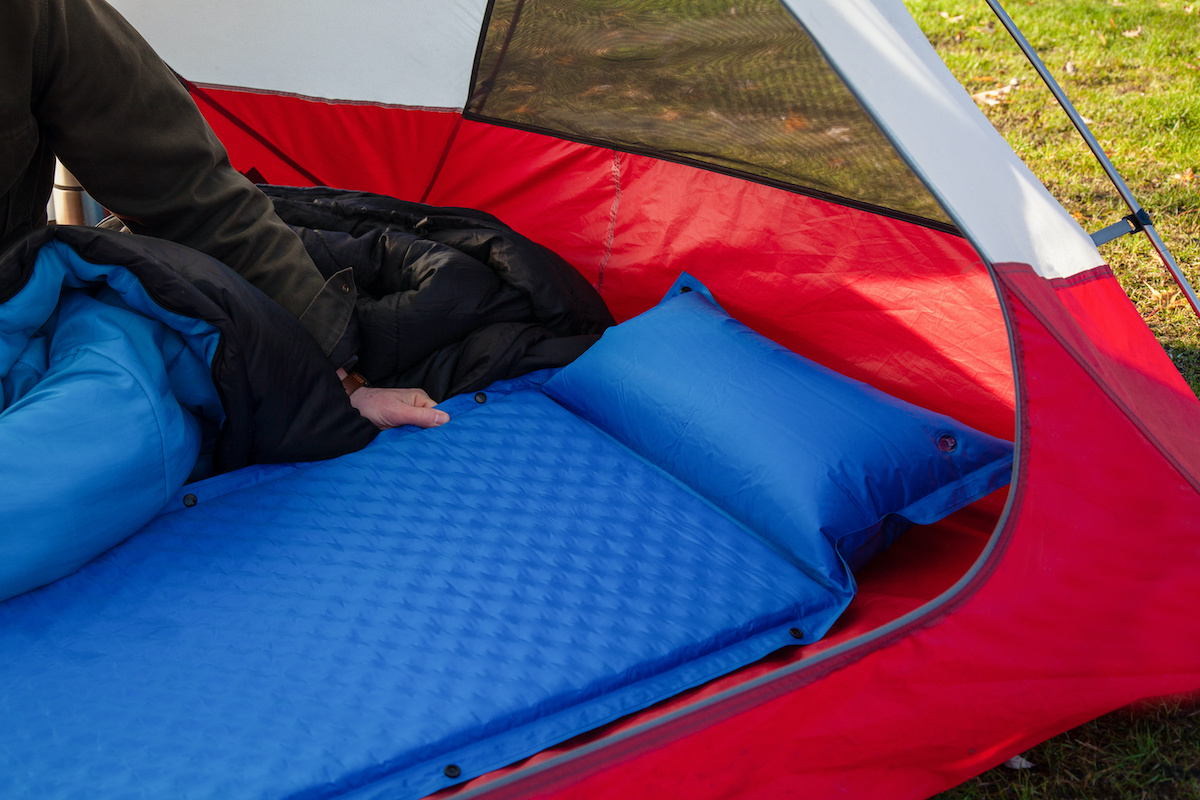
Sarah, a weekend camper, tried both options. She found her air mattress comfortable but noticed it lost air overnight, making her wake up sore. Her foam sleeping pad was less cushy, but she slept better because it stayed consistent.
Credit: www.masterclass.com
Insulation And Warmth
Camping often means cold nights. Here, insulation is key. Air mattresses are thick, but air inside them does not insulate well. Cold air from the ground can seep through, making you chilly. Unless your air mattress has a high R-value (a measure of insulation), it’s not ideal for cold conditions.
Sleeping pads are designed to insulate. Closed-cell foam pads have an R-value of 2–5, while some inflatable pads reach 7+. The higher the R-value, the warmer you’ll stay.
| Type | Typical R-value | Best Use |
|---|---|---|
| Air Mattress | 1–2 | Warm-weather camping, indoor use |
| Foam Pad | 2–5 | All seasons, backpacking |
| Inflatable Pad | 3–7 | Cold-weather camping, backpacking |
If you camp in cold climates, choose a pad with a high R-value. For summer trips, air mattresses are fine.
Portability And Packing
Portability is critical for hikers and backpackers. Air mattresses are bulky and heavy. Even the smallest models take up space and add weight. They work well for car camping or places you can drive to.
Sleeping pads shine here. Foam pads weigh less than 2 lbs and roll up tightly. Inflatable pads are even lighter, often less than 1 lb. You can easily strap them to your backpack.
A common beginner mistake is to underestimate packing size. If your trip involves hiking, always check the packed size and weight.
Setup And Ease Of Use
Setting up your bed after a long day should be quick. Air mattresses need a pump. Manual pumps take effort; electric pumps need batteries or outlets. Some air mattresses have built-in pumps, but they can fail.
Sleeping pads, especially foam types, are ready in seconds. Just unroll. Self-inflating pads need a few minutes to inflate; some require a bit of extra air.
Many campers forget to bring a pump, leading to frustration. With sleeping pads, you don’t need extra equipment.
Practical Tip
Test your pump at home before your trip. Pumps break or batteries die unexpectedly. Always have a backup plan.
Durability And Longevity
Camping gear faces rough conditions. Rocks, sticks, and uneven ground can damage your bed.
Air mattresses are more likely to puncture. Small holes can cause slow leaks that ruin your night. Repair kits help, but finding leaks in the dark is hard. High-end air mattresses use thicker materials, but all can fail.
Sleeping pads, especially foam ones, are tough. Closed-cell foam is almost impossible to puncture. Inflatable pads can leak, but their smaller size makes repairs easier.
If you camp often, invest in a durable pad. For occasional use, air mattresses are fine.
Price And Value
Both options come in a wide price range. Air mattresses start at $30 for basic models and reach $200 for deluxe versions. Sleeping pads range from $20 (foam) up to $150 (high-end inflatable).
Don’t assume expensive means better. Some pricey air mattresses offer little extra value. Sleeping pads often last longer, making them a better investment for frequent campers.
Common mistake: Buying a cheap air mattress for outdoor use. It may not survive rough conditions.
Air Mattress: Pros And Cons
Let’s break down the main advantages and disadvantages.
Pros
- High comfort: Feels like a real bed
- Adjustable firmness: Add or remove air
- Good for groups: Larger sizes available
- Easy to clean: Wipeable surfaces
Cons
- Heavy and bulky: Not ideal for hiking
- Poor insulation: Not warm in cold conditions
- Needs a pump: Extra equipment required
- Prone to punctures: Can leak easily

Credit: www.youtube.com
Sleeping Pad: Pros And Cons
Sleeping pads have their own strengths and weaknesses.
Pros
- Lightweight and compact: Easy to carry
- Excellent insulation: Keeps you warm
- Durable: Hard to damage
- Quick setup: No pump needed
Cons
- Less comfort: Thinner padding
- Firm feel: Not bed-like
- Limited size options: Mostly single size
- Can slip: Moves around on smooth ground
Who Should Choose An Air Mattress?
Air mattresses are best for:
- Car campers: You drive to your site, so weight and size don’t matter.
- Family camping: Larger beds for multiple people.
- Indoor use: Guests or sleepovers.
- Short trips: Where comfort is top priority.
If you need a bed for a few nights and want maximum comfort, air mattresses are ideal.
Who Should Choose A Sleeping Pad?
Sleeping pads are perfect for:
- Backpackers: Need light, compact gear.
- Cold-weather campers: Want insulation from the ground.
- Solo campers: Single size fits well.
- Frequent outdoor trips: Durable and reliable.
If your trip involves hiking, rough terrain, or cold nights, a sleeping pad is best.
Common Beginner Mistakes
Many new campers make simple errors:
- Ignoring R-value: This leads to cold nights.
- Buying cheap gear: Low-quality air mattresses and pads fail quickly.
- Forgetting a pump: Essential for air mattresses.
- Choosing comfort over practicality: Heavy air mattresses can ruin backpacking trips.
- Overlooking repair kits: Always have a patch kit for inflatable gear.
Real-world Comparison: Camping Scenarios
Let’s look at how each option performs in different situations.
Car Camping With Family
Air mattresses shine here. You have space in your car, and comfort matters. Multiple people can share a queen-size mattress. Setup is easy with an electric pump.
Sleeping pads work if you want individual beds. They’re less comfortable but easier to pack.
Backpacking In The Mountains
Sleeping pads win. Weight and size are crucial. Foam pads are reliable and warm. Inflatable pads offer extra comfort without much weight.
Air mattresses are too heavy and bulky. Carrying a pump adds more hassle.
Winter Camping
Sleeping pads, especially high R-value models, keep you warm. Air mattresses let cold air circulate under you, making you shiver.
Foam pads are best for extreme cold. Layer two pads for extra warmth.
Indoor Use
Air mattresses are popular for guests and sleepovers. They feel like a real bed and store easily.
Sleeping pads are less comfortable indoors, but some use them for yoga or as extra mats.
Key Factors To Consider When Choosing
Before you buy, ask yourself these questions:
- Where will you use it? Car camping, backpacking, indoor?
- How important is comfort? Do you need a bed-like sleep?
- Will it be cold? Consider R-value for warmth.
- How much can you carry? Weight and packing size matter for hiking.
- How often will you use it? Durability is important for frequent trips.
Popular Air Mattress And Sleeping Pad Brands
Some brands stand out for quality and reliability.
Air Mattress Brands
- Coleman: Known for durable camping gear
- Intex: Affordable, good for indoor use
- SoundAsleep: High-end comfort
Sleeping Pad Brands
- Therm-a-Rest: Leaders in sleeping pads
- NEMO: Innovative designs
- Klymit: Lightweight and compact
Choosing a reputable brand often means fewer problems in the field.
Advanced Insights: What Beginners Often Miss
Two details many beginners overlook:
- Noise: Air mattresses can be noisy when moving. PVC materials squeak, which can disturb sleep, especially if you share the bed.
- Altitude Impact: At high altitudes, air mattresses can lose firmness as the air inside expands and contracts. Sleeping pads don’t have this problem.
A third insight: Moisture buildup. Air mattresses can trap moisture underneath, leading to mildew if used repeatedly outdoors. Sleeping pads allow better airflow.
Comparing Setup Time And Maintenance
Let’s see how much effort each option needs.
| Task | Air Mattress | Sleeping Pad |
|---|---|---|
| Setup Time | 5–15 minutes | 1–3 minutes |
| Maintenance | Patch leaks, clean surface | Clean foam, patch inflatable pads |
| Storage | Deflate, fold, store dry | Roll/fold, store dry |
Air mattresses take longer to set up and require more care. Sleeping pads are fast and simple.
Safety And Health Considerations
Sleeping outside can affect your health. Air mattresses, if not inflated properly, cause back pain. Sleeping pads, if too thin, make you sore. Choosing the right thickness matters.
Another point: Air mattresses can harbor dust mites if used indoors for long periods. Sleeping pads, especially foam types, are less prone to this.
Environmental Impact
Camping gear affects the environment. Air mattresses use PVC and synthetic materials, which are hard to recycle. Leaks and damage often mean throwing them away.
Sleeping pads, especially foam types, last longer and some brands use recycled materials. Inflatable pads can be repaired easily, reducing waste.
If sustainability matters to you, research materials and brand policies.
Tips For Better Sleep Outdoors
No matter which option you choose, follow these tips:
- Use a sleeping bag with the right temperature rating
- Place a groundsheet under your mattress or pad to protect it
- Bring a pillow or use a folded jacket for head support
- Wear warm clothes at night
- Avoid caffeine before bed
A good night’s sleep makes any adventure better.
Future Trends: The Next Generation Of Sleeping Gear
Technology is changing camping gear. Some air mattresses now use smart pumps that adjust firmness automatically. Sleeping pads are getting lighter, warmer, and more compact. Brands are focusing on eco-friendly materials and modular designs.
If you’re planning a future purchase, keep an eye on new developments.
How To Repair Air Mattresses And Sleeping Pads
Sometimes accidents happen. Here’s how to fix your gear:
Air Mattress Repair
- Find the leak: Inflate and listen for hissing.
- Mark the spot: Use a pen.
- Clean the area: Remove dirt.
- Apply patch: Follow kit instructions.
- Test: Re-inflate and check.
Sleeping Pad Repair
- Foam pads: Usually can’t be patched, but tears can be taped.
- Inflatable pads: Patch like air mattresses, but leaks are smaller.
Always carry a repair kit. Practice repairs at home before your trip.
How To Store Your Sleeping Gear
Proper storage extends the life of your mattress or pad:
- Clean and dry before storing
- Deflate air mattresses fully
- Roll sleeping pads loosely
- Store in a cool, dry place
- Avoid direct sunlight
Storing gear wet leads to mold and bad smells.
Where To Buy And Research
You can buy air mattresses and sleeping pads at outdoor stores, online retailers, or direct from brands. Read reviews, compare specs, and check warranty policies. For detailed technical info, see Wikipedia.

Credit: www.youtube.com
Frequently Asked Questions
What Is The R-value And Why Does It Matter?
R-value measures how well a sleeping pad or air mattress insulates you from cold ground. Higher R-value means better warmth. For cold camping, look for pads with R-value 4 or higher.
Can I Use An Air Mattress In A Tent?
Yes, but make sure your tent is large enough. Air mattresses are bulky and may not fit small tents. Always use a groundsheet to protect from sharp objects.
Are Sleeping Pads Comfortable For Side Sleepers?
Some are. Inflatable pads with extra thickness offer more comfort for side sleepers. Foam pads are firmer, which can be tough for side sleepers. Test before your trip if possible.
How Do I Prevent Air Mattress Leaks?
Avoid setting up on sharp rocks or sticks. Use a groundsheet. Don’t overinflate. Always carry a patch kit. Inspect your mattress before each trip.
Is It Worth Investing In A High-end Sleeping Pad?
If you camp often or in cold places, yes. High-end pads offer more warmth, comfort, and durability. For occasional use, basic foam pads are fine.
Final Thoughts
Choosing between an air mattress and a sleeping pad depends on your needs. Air mattresses offer comfort but lack insulation and portability. Sleeping pads are light, warm, and tough but less cushy. Think about your camping style, environment, and priorities.
With the right choice, you’ll sleep well and wake up ready for adventure. Remember, good gear makes every outdoor experience more enjoyable.
