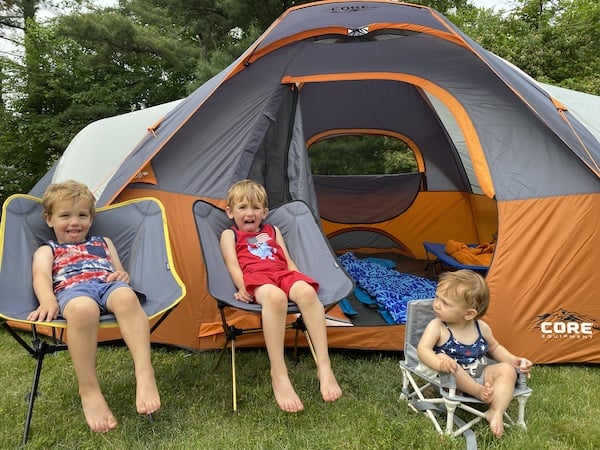
Going camping with kids is one of the best ways to build memories, teach important life skills, and enjoy the outdoors together. But making it safe, comfortable, and fun takes more than just a tent and a sleeping bag. Kids need the right gear to stay happy, engaged, and protected.
Many families discover that a few well-chosen accessories can turn a basic campsite into an adventure playground. If you’re planning your next trip, you’ll want to know which items truly make a difference. This guide covers the best camping accessories for kids, explains why each matters, and shares tips to help you choose wisely.
Whether you’re a first-time camper or a seasoned outdoor family, you’ll find useful ideas and practical advice here.
Choosing Camping Accessories For Kids: What Matters Most
Before jumping into specific gear, it’s important to understand how kids’ needs differ from adults. Children often get cold faster, tire more easily, and need extra stimulation. The best camping accessories for kids address these unique challenges.
Safety is always the top priority. Look for gear with child-friendly materials and features, like rounded edges, reflective strips, or easy-to-use buckles. Comfort matters, too—kids won’t enjoy the trip if they’re shivering or bored. Accessories that keep them warm, dry, and entertained make camping enjoyable for everyone.
Durability is another key factor. Kids can be rough on equipment, so sturdy construction and washable surfaces are must-haves. Finally, consider portability. Lightweight, compact items are easier to carry and pack, especially if you’re hiking to your site.
One insight many parents miss: age-appropriate gear. Not every “kid’s” item suits all ages. For example, a toddler’s sleeping bag won’t fit a ten-year-old, and a preteen might find some games too simple. Match the accessory to your child’s age, size, and interests.
Essential Sleeping Gear For Kids
A good night’s sleep is crucial for children, especially outdoors. The right sleeping gear keeps them cozy and safe, even if temperatures drop or rain falls.
Kids’ Sleeping Bags
Children often get cold quickly. Standard adult sleeping bags are too large and don’t insulate small bodies well. Kids’ sleeping bags are shorter, narrower, and often have extra insulation. Look for bags rated to at least 30°F (-1°C) for spring and fall camping.
Some top features:
- Fun designs (cartoon characters, bright colors)
- Built-in pillows or hooded tops
- Water-resistant shells
- Easy-clean materials
A practical tip: Let your child try the bag at home before the trip. This reduces anxiety and helps them get comfortable.
Sleeping Pads And Mats
Rocks, roots, and cold ground can make sleeping uncomfortable. Kids’ sleeping pads add warmth and cushioning. Foam pads are lightweight and affordable, while inflatable versions offer more comfort but require careful handling.
Key factors:
- Thickness: At least 1 inch for young kids
- Non-slip surfaces
- Easy deflation/storage
Some brands offer double-width pads for siblings who like to sleep together.
Kids’ Camping Pillows
Standard pillows are bulky and don’t fit small heads well. Camping pillows for kids are compact, supportive, and often washable. Some have fun patterns or built-in stuff sacks.
Tip: A pillow that smells like home (after a wash in familiar detergent) can ease homesickness.
Keeping Kids Warm And Dry: Clothing & Accessories
Weather can change quickly outdoors. Proper clothing and accessories protect kids from cold, wet, or windy conditions.
Rain Gear
A sudden shower can ruin the fun if children aren’t prepared. Kids’ rain jackets should be waterproof (not just water-resistant), lightweight, and have hoods. Rain pants and ponchos help, too.
Some jackets feature:
- Reflective strips for safety
- Packable design for easy storage
- Breathable fabric to prevent overheating
Tip: Choose bright colors so you can spot your child easily.
Layered Clothing
Camping often means temperature swings. Dress kids in layers—a moisture-wicking base, a warm mid-layer (like fleece), and a waterproof outer shell.
Benefits:
- Easy adjustment for changing weather
- Better insulation
- Quick drying
Avoid cotton for the base layer; it absorbs sweat and stays wet.
Waterproof Footwear
Mud, streams, and dew can soak regular shoes. Waterproof boots or closed-toe sandals keep feet dry and comfortable.
Features to look for:
- Non-slip soles
- Easy fastening
- Lightweight construction
For younger kids, boots with handles make them easier to pull on.
Fun Camping Accessories: Entertainment & Exploration
Keeping kids entertained is as important as keeping them safe. Boredom can lead to whining or risky behavior. The right accessories turn downtime into adventure.
Outdoor Games And Toys
Classic games work well, but camping-specific toys add excitement. Some popular choices:
- Bug catchers and magnifying glasses: Encourage exploration
- Glow sticks and LED lanterns: Fun for nighttime play
- Frisbees and balls: Great for open spaces
- Nature scavenger hunt kits: Combine learning and play
Tip: Pack toys in a waterproof bag to avoid damage from rain or spills.
Binoculars And Exploration Tools
Kids love to observe wildlife. Children’s binoculars are lighter and easier to use than adult models. Look for rubber grips and adjustable focus.
A set of field guides (picture books about birds, plants, or insects) lets kids identify what they see. Some sets include compasses or maps for basic navigation.
Kids’ Camping Chairs
Sitting around the fire feels special with your own chair. Kids’ camping chairs are sized for small bodies, often with cup holders and fun prints.
Important features:
- Stable bases to prevent tipping
- Easy folding
- Washable fabric
Some models have built-in sunshades, useful for daytime rest.
Headlamps And Flashlights
Nighttime can be scary for young campers. Headlamps leave hands free and make exploring fun. Choose models with adjustable straps and low-weight batteries.
Flashlights with soft lights or fun shapes (like animal designs) are ideal for bedtime reading or bathroom trips.
Safety tip: Teach children to keep the light pointed down to avoid dazzling others.
Mealtime Accessories: Eating Made Easy
Eating outdoors is exciting for kids, but it can get messy or frustrating without the right accessories.
Child-friendly Dinnerware
Disposable plates are wasteful and not always safe. Kids’ camping dinnerware is reusable, lightweight, and usually made from BPA-free plastic or silicone.
Look for:
- Easy-grip handles
- Bright colors
- Stackable designs
Some sets include utensils with built-in cases—helpful for keeping things clean.
Portable High Chairs And Booster Seats
For younger children, portable high chairs or booster seats make mealtime safer and easier. Many models attach to picnic benches or have stable legs.
Features:
- Easy cleaning surfaces
- Secure harnesses
- Compact folding
Tip: Test the seat at home to ensure your child fits comfortably.
Insulated Bottles And Sippy Cups
Keeping drinks cool or warm is important. Insulated bottles hold temperature for hours. For toddlers, spill-proof sippy cups are best.
Features to check:
- Wide openings for easy filling
- Leak-proof lids
- Dishwasher safe
Kids often drink more if they like the bottle’s design.
Safety Accessories: Protecting Kids Outdoors
Camping introduces risks—scrapes, bugs, and sunburn. The right safety accessories reduce worry and keep kids healthy.
First Aid Kits For Kids
A kids’ first aid kit is lighter and easier to use than adult versions. It should include:
- Bandages in fun shapes
- Antiseptic wipes
- Tweezers for splinters
- Kids’ pain relievers (check age limits)
- Small scissors
Add allergy medication if needed. Teach older kids how to use the kit.
Insect Protection
Mosquitoes and ticks can spoil the trip. Kid-safe insect repellents come in sprays, wipes, or bracelets. Avoid products with high DEET concentrations for young children.
Some options:
- Natural repellents (citronella, lemon eucalyptus)
- Wearable bug bands
- Mosquito net hats
Tip: Apply repellent to clothes as well as skin.
Sun Protection
Sunburn happens fast outdoors. Kids’ sunscreen should be SPF 30 or higher, water-resistant, and easy to apply. Wide-brimmed hats and UV-blocking sunglasses offer extra defense.
Choose hats with chin straps for windy days. Sunglasses should have shatterproof lenses.
Emergency Whistles And Id Bands
Kids can wander off, especially in large campsites. Emergency whistles help them signal for help. ID bands (with contact info) are useful for younger children.
Teach your child to blow the whistle if lost, and make sure they understand its purpose.
Storage And Organization: Keeping Gear Under Control
Kids can create chaos quickly. Smart storage solutions keep gear organized and reduce stress.
Kids’ Backpacks
Children love carrying their own gear. Kids’ camping backpacks are smaller, lighter, and have padded straps. Look for:
- Multiple pockets
- Reflective strips
- Water-resistant fabric
Let your child pick a design—they’re more likely to carry it with pride.
Gear Storage Bags
Stuff sacks and zippered bags keep toys, clothes, and snacks separated. Color-coded bags help kids find what they need.
Benefits:
- Reduces mess
- Speeds up packing
- Keeps dirty and clean items apart
Tip: Use clear bags for small items like socks or gloves.
Hanging Organizers
A hanging organizer attaches to your tent or a nearby tree. It’s great for storing flashlights, hats, and toiletries. Some models have mesh pockets and hooks.
They help kids learn responsibility by keeping their own gear sorted.
Hygiene Accessories: Staying Clean Outdoors
Maintaining hygiene is a challenge while camping, especially with young children. Accessories designed for kids make it easier.
Portable Hand Washing Stations
Hand washing is crucial, especially before meals and after using the bathroom. Portable hand washing stations include a water jug, soap dispenser, and towel holder.
Some designs are collapsible for easy packing. Place the station near your tent entrance.
Kid-friendly Toiletries
Choose kid-safe soap, toothpaste, and wipes. Unscented or mild products reduce allergic reactions. Biodegradable wipes are better for the environment.
Tip: Pack extra wipes for messy activities like crafts or hiking.
Travel Towels
Microfiber towels are light, dry quickly, and come in fun colors. They’re handy for washing faces, drying hands, or cleaning up spills.
Teach kids to hang their towel after use to prevent mildew.

Lighting And Safety At Night
Nighttime safety is often overlooked. Proper lighting helps kids feel secure and reduces accidents.
Glow-in-the-dark Accessories
Glow sticks, glowing tent stakes, and glow-in-the-dark wristbands help kids find their way at night. They’re also fun for games.
Tip: Use glow items to mark tent entrances or paths to the bathroom.
Safe Lanterns For Kids
Traditional lanterns can be heavy or risky. LED lanterns designed for kids are cool to the touch, shatterproof, and often have auto-off timers.
Some lanterns feature animal shapes or color-changing lights.
Nighttime Navigation Tools
If your campsite is large, a map with marked paths and reflective markers helps kids return safely. Teach them to recognize key landmarks.
Best Camping Accessories For Kids: Quick Comparison
To help you compare, here’s a table showing which accessories suit different age groups:
| Accessory | Best for Ages | Key Feature |
|---|---|---|
| Kids’ Sleeping Bag | 3–12 | Extra insulation |
| Rain Jacket | 2–14 | Waterproof, reflective |
| Outdoor Games | 4–12 | Bug catchers, scavenger kits |
| Camping Chair | 3–10 | Stable base, cup holder |
| First Aid Kit | All ages | Child-safe supplies |
Tips For Making Camping Easier For Kids
Even with great accessories, camping can be challenging. Here are practical tips to help:
- Practice at home: Set up the tent in your backyard and let kids try their gear.
- Let kids pack their own bag: It builds excitement and responsibility.
- Create a routine: Kids thrive on structure. Set regular times for meals, play, and sleep.
- Bring familiar items: A favorite stuffed animal or blanket eases anxiety.
- Teach safety rules: Explain boundaries, fire safety, and what to do if lost.
- Involve kids in camp chores: Let them help with meal prep or gathering firewood.
- Expect messes: Outdoor play is messy—embrace it and pack extra clothes.
A common mistake: Overpacking. Many parents bring too much gear, making setup stressful. Focus on essentials and leave bulky extras at home.
Data Table: Most Popular Camping Accessories For Kids
Research shows which items families buy most often. Here’s a summary:
| Accessory | Percent of Families Using | Average Price (USD) |
|---|---|---|
| Kids’ Sleeping Bag | 89% | $35 |
| Rain Jacket | 76% | $28 |
| Camping Chair | 70% | $22 |
| Outdoor Games | 65% | $18 |
| Kids’ Backpack | 61% | $25 |
| Headlamp | 57% | $15 |

Best Accessories For Different Camping Styles
Not all camping trips are the same. The best accessories depend on your plans.
Car Camping
You can bring more gear when camping near your vehicle. Larger items like portable high chairs, big storage bins, and multiple games work well.
Backpacking
Weight matters. Choose compact sleeping gear, lightweight rain jackets, and small flashlights. Kids’ backpacks should be fitted to their size.
Group/family Camping
Accessories for sharing, like double sleeping pads, group games, and large lanterns, are helpful. Safety items (ID bands, emergency whistles) are especially important.
Primitive Camping
Limited facilities mean hygiene items (wipes, hand washing stations), extra layers, and basic dinnerware are essential.
Non-obvious Insights For Parents
Many guides miss a few key points:
- Test all gear before your trip. Kids often react badly to unfamiliar items, so let them try everything at home.
- Involve kids in choosing accessories. When children help pick their gear, they’re more likely to use and take care of it.
- Don’t rely on screens. While tablets can entertain, camping is a chance to unplug. Instead, focus on nature-based toys and games.
Another practical insight: Pack a comfort item. Even older kids may appreciate a favorite pillow or stuffed animal when sleeping outdoors.
Where To Buy Reliable Camping Accessories For Kids
Quality matters more than price. Many families shop online or at outdoor stores. Look for brands specializing in children’s gear. Reviews from other parents are especially helpful.
For more information about outdoor gear and child safety, visit REI’s camping advice.
Frequently Asked Questions
What Is The Most Important Camping Accessory For Kids?
The most important is a kids’ sleeping bag. It keeps children warm, comfortable, and safe at night. Without proper insulation, kids can get cold quickly outdoors, even in summer.
How Can I Keep My Child Entertained During Camping?
Bring outdoor games, nature exploration tools, and scavenger hunt kits. Encourage kids to help with camp chores and explore the area. Avoid relying on screens; use the outdoors as a playground.
What’s The Best Way To Protect Kids From Bugs?
Use kid-safe insect repellent, long sleeves, and hats with mosquito nets. Avoid camping near standing water, and check for ticks regularly. Natural repellents can be effective for young kids.
How Do I Make Meals Easier For Young Campers?
Pack child-friendly dinnerware, insulated bottles, and portable high chairs. Simple foods like sandwiches, fruit, and trail mix work well. Involve kids in meal prep—they enjoy helping out.
Are There Special Safety Rules For Camping With Kids?
Yes. Always set boundaries for where kids can go, teach them to use emergency whistles, and review basic fire safety. Make sure kids know what to do if they get lost—blow the whistle and stay in one place.
Camping with kids is a wonderful adventure, but it’s easier and safer with the right accessories. Choose gear that fits your child’s age, interests, and needs. Test everything before your trip, involve your children in planning, and embrace the mess and excitement.
With thoughtful preparation, your family will create lasting memories and develop a love for the outdoors.