
Motorcycle camping gives you freedom, adventure, and a closer connection to nature. You ride through open roads and sleep under the stars. But packing the right gear is essential—especially when your space is limited. The best camping gear for motorcycle trips is lightweight, compact, and tough enough to handle unpredictable weather or rough terrain.
Choosing wisely can turn a basic ride into a comfortable journey.
Let’s explore what you really need, what to avoid, and a few smart tricks that beginners often miss. Whether you’re planning your first overnight trip or you’re a seasoned rider, this guide will help you build your perfect packing list.
Essential Shelter: Tents And Alternatives
Your shelter is the most important piece of motorcycle camping gear. It protects you from wind, rain, and insects. But not every tent is suitable—size and weight matter.
Choosing The Right Tent
A good motorcycle camping tent is:
- Lightweight (under 5 lbs)
- Compact (packs to 12–16 inches)
- Quick to set up
Many riders like one-person tents for their size, but two-person tents give more room for gear and are still manageable.
| Model | Weight | Packed Size | Price (USD) |
|---|---|---|---|
| MSR Hubba NX | 3.5 lbs | 18 x 6 in | $350 |
| Big Agnes Copper Spur HV UL2 | 3.1 lbs | 13 x 6 in | $450 |
| Alps Mountaineering Lynx 1 | 4.2 lbs | 17 x 6 in | $120 |
Tip: Many beginners forget about tent ventilation. Choose a tent with mesh panels to reduce condensation inside.
Alternatives: Hammocks And Bivy Sacks
If you’re camping in areas with trees, a hammock tent (like the Hennessy Hammock) is even lighter and packs smaller. Bivy sacks are minimal shelters that work for quick overnight stops but can feel cramped.
Sleeping Comfort: Pads And Bags
Sleeping well makes your trip safer and more enjoyable. A bad night’s sleep can ruin your energy the next day.
Sleeping Bags
For motorcycle trips, look for:
- Synthetic insulation (dries faster if wet)
- Comfort rating matching your lowest expected night temperature
- Compression sack for easy packing
Most riders choose bags rated for 30–40°F for spring and fall trips.
Sleeping Pads
A good sleeping pad insulates you from cold ground and adds comfort. Choose:
- Inflatable pads (compact, but need a pump or lungs)
- Foam pads (cheap, but bulky)
| Pad Type | Packed Size | Weight | R-Value (Warmth) |
|---|---|---|---|
| Therm-a-Rest NeoAir Xlite | 9 x 4 in | 12 oz | 4.2 |
| Klymit Static V | 8 x 3 in | 18 oz | 1.3 |
| Foam Pad | 20 x 6 in | 16 oz | 2.0 |
Non-obvious insight: Many new campers forget the importance of the R-value. Even in summer, ground can be cold—pads with R-value above 2.0 are best for multi-season trips.
Cooking Gear: Stoves And Utensils
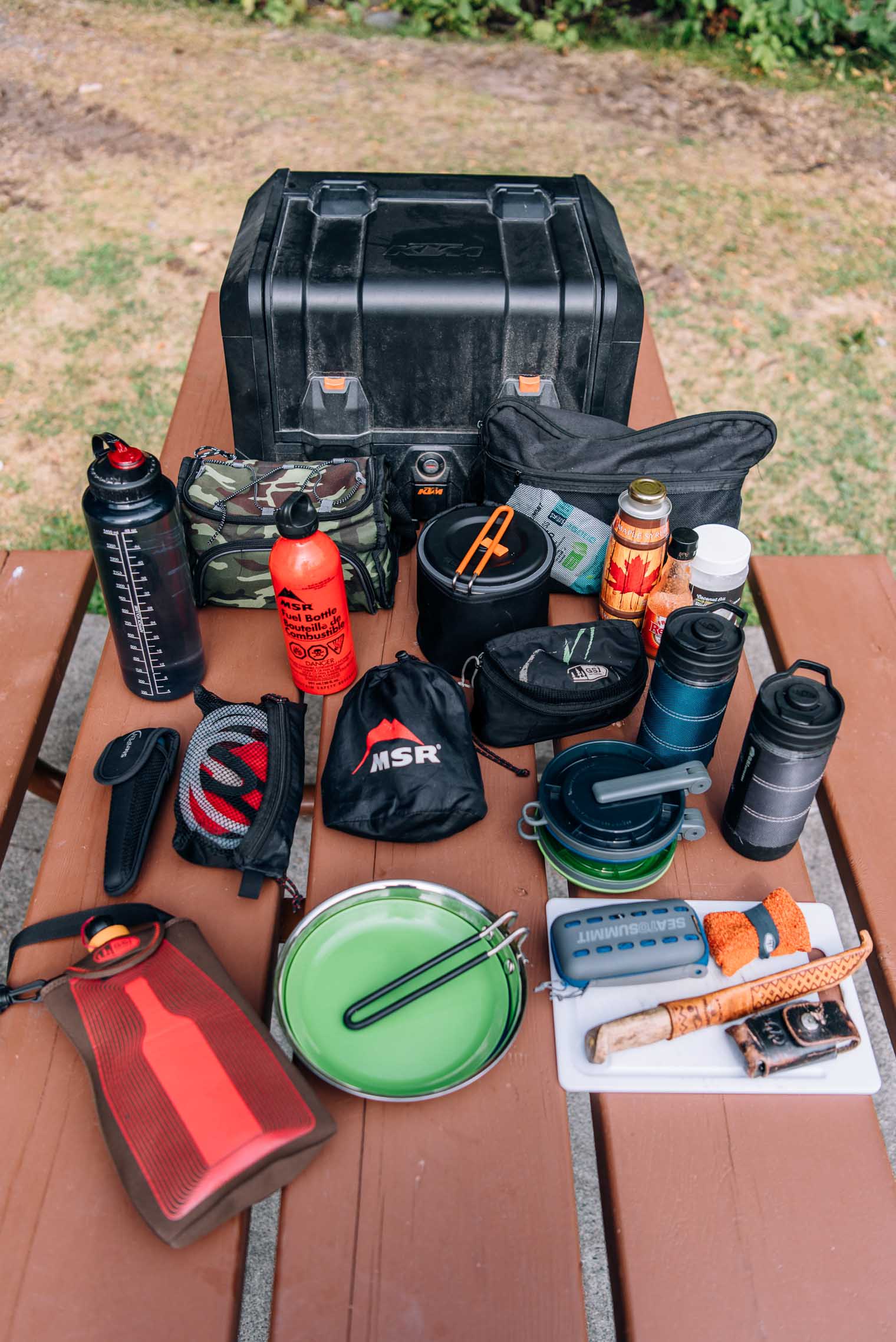
Eating hot food on the road feels amazing. But motorcycle campers need cooking gear that is safe, small, and fuel-efficient.
Compact Stoves
- Canister stoves (like the MSR PocketRocket) are light and simple.
- Liquid fuel stoves (like the MSR WhisperLite) work in cold weather, but need more maintenance.
Beginner mistake: Many riders bring full-size pots. Instead, choose a nested cook set—a pot, lid, and cup that fit inside each other.
Essential Cooking Items
- Stove
- Cook pot (1 liter)
- Spoon/fork
- Lighter/matches
- Small sponge for cleaning
Tip: Carry a few instant meals (ramen, oatmeal, soup) and a freeze-dried dinner for emergencies.
Water Storage And Filtration
Clean water is critical, and you can’t always trust streams or campground taps.
Water Bottles And Bladders
- Nalgene bottles are tough and don’t leak.
- Hydration bladders (like CamelBak) fit inside tank bags and let you drink while riding.
Filtration
- Sawyer Mini and LifeStraw filters remove bacteria and parasites.
- UV purifiers are fast but need batteries.
| Filter Model | Weight | Filter Life | Price |
|---|---|---|---|
| Sawyer Mini | 2 oz | 100,000 gal | $25 |
| LifeStraw | 2 oz | 1,000 gal | $20 |
| Steripen UV | 3 oz | 8,000 uses | $70 |
Non-obvious insight: Always carry at least two liters of water. Even experienced riders underestimate how quickly dehydration can happen—especially in hot weather.
Packing And Storage Solutions
Motorcycles have limited space, so smart packing is key.
Dry Bags And Packing Cubes
- Dry bags keep your gear safe from rain. Use them for clothes, electronics, and food.
- Packing cubes help organize small items (socks, chargers, toiletries).
Saddlebags, Tail Bags, And Tank Bags
- Saddlebags are the main storage for most riders. Hard cases protect gear but are heavy.
- Tail bags sit behind you and work for sleeping bags or tents.
- Tank bags hold things you need quickly (maps, snacks, wallet).
Beginner mistake: Overpacking. Only bring what you truly need. Heavy bikes are harder to handle and less fun to ride.
Lighting And Power
When camping, you need light for setting up, cooking, and moving around at night.
Headlamps And Lanterns
- Headlamps are hands-free and bright. Choose models with at least 100 lumens.
- Small LED lanterns help light your tent or picnic table.
Charging Devices
- Power banks recharge phones, GPS, or lights.
- Some motorcycles have USB ports—but don’t rely on them alone.
Tip: Solar chargers are useful for longer trips, but they work best in sunny weather.
Clothing For Motorcycle Camping
Your clothing has to protect you while riding and keep you comfortable at camp.
Riding Gear
- Armored jacket and pants (abrasion and impact protection)
- Waterproof layers (Gore-Tex or similar)
Camp Clothing
- Base layers (moisture-wicking)
- Insulation (fleece or synthetic jacket)
- Hat and gloves (for cold nights)
- Quick-dry socks
Non-obvious insight: Always pack one set of dry camp clothes, stored in a waterproof bag. Even if your riding gear gets wet, you’ll have something dry to wear.
Safety And Emergency Gear
Accidents and unexpected events can happen. A few key items make a big difference.
First Aid Kits
A basic kit should have:
- Bandages and gauze
- Antiseptic wipes
- Tweezers
- Painkillers
- Blister treatment
Tools And Repair Kits
Carry:
- Multitool
- Tire repair kit
- Small air pump
- Zip ties
Navigation And Communication
- Paper map and compass (backup for GPS)
- Emergency whistle
Tip: Let someone know your route and expected return time. Cell service is not always reliable in remote areas.
Personal Hygiene And Comfort
Camping doesn’t mean you have to be dirty or uncomfortable.
Hygiene Essentials
- Biodegradable soap
- Microfiber towel
- Toothbrush and paste
- Hand sanitizer
- Toilet paper (in a zip bag)
Comfort Extras
- Earplugs (for noisy campgrounds)
- Inflatable pillow
- Bug spray
Beginner mistake: Forgetting about bugs. Mosquitoes can ruin a trip—always bring repellent.
Smart Packing Tips
Motorcycle campers often learn these lessons the hard way:
- Pack heavy items low and centered on the bike for stability.
- Test-pack your gear before leaving. Make sure you can reach everything and nothing rubs or rattles.
- Use bungee cords or straps to secure loose items.
- Leave room for food and water—don’t pack your bags so tight you can’t fit daily supplies.
Best Brands And Where To Buy
Trusted brands for motorcycle camping gear include MSR, Big Agnes, Therm-a-Rest, CamelBak, and Alps Mountaineering. For motorcycle-specific luggage and accessories, Givi, Wolfman, and Kriega are popular.
For more detailed reviews and buying guides, visit ADV Pulse.
Frequently Asked Questions
What Is The Most Important Camping Gear For Motorcycle Trips?
The tent and sleeping bag are most important. They protect you from weather and help you sleep well. If you must choose, always focus on shelter and warmth first.
How Do I Pack My Motorcycle For Camping?
Pack heavy items (like tools and water) low and close to the bike’s center. Use dry bags for clothes and electronics. Store quick-access items (snacks, maps) in your tank bag.
Can I Use Backpacking Gear For Motorcycle Camping?
Yes, most backpacking gear works well because it’s light and compact. However, consider motorcycle-specific luggage for durability and protection against vibration.
How Do I Stay Safe While Camping Alone?
Always tell someone your plan and route. Carry a first aid kit, repair tools, and a backup navigation method. Avoid camping in isolated areas unless you’re experienced.
What’s The Best Way To Cook Food While Camping?
Use a compact stove with a small pot. Instant meals and freeze-dried food are easiest. Always check local fire rules before using open flames.
Motorcycle camping is all about balance—packing light, staying safe, and enjoying the open road. With the right gear, you can focus on the adventure and make lasting memories. Remember, the best camping gear for motorcycle trips is what keeps you comfortable, safe, and ready for whatever the journey brings.
