Nestled between the Rocky Mountains and sweeping prairies, Alberta is a Canadian province packed with natural wonders and urban energy. If you dream of turquoise lakes, towering peaks, dinosaur fossils, and vibrant city life, Alberta offers all of this and more. For travelers seeking adventure, wildlife, culture, or just a peaceful escape, the best tourist attractions in Alberta deliver unforgettable experiences in every season.
This guide explores Alberta’s most captivating destinations, from world-famous national parks to hidden gems. Whether you want to hike, ski, soak in hot springs, or dive into local history, you’ll find the province’s top sites covered in detail here. Let’s dive into the must-see attractions and discover what makes Alberta a dream for travelers of all kinds.
Banff National Park
Banff National Park is more than just a park—it’s a symbol of wild Canada. Founded in 1885, it’s Canada’s oldest national park and a UNESCO World Heritage Site. Every year, over four million visitors come to see its rugged mountains, turquoise lakes, and dense forests.
Lake Louise
Lake Louise is probably the most iconic spot in Banff. Its bright blue water, surrounded by peaks and glaciers, looks unreal in photos—and even better in person. In summer, you can rent a canoe or hike one of the many trails. Winter turns the lake into a giant skating rink, and the nearby Lake Louise Ski Resort becomes a hub for snow sports.
Moraine Lake
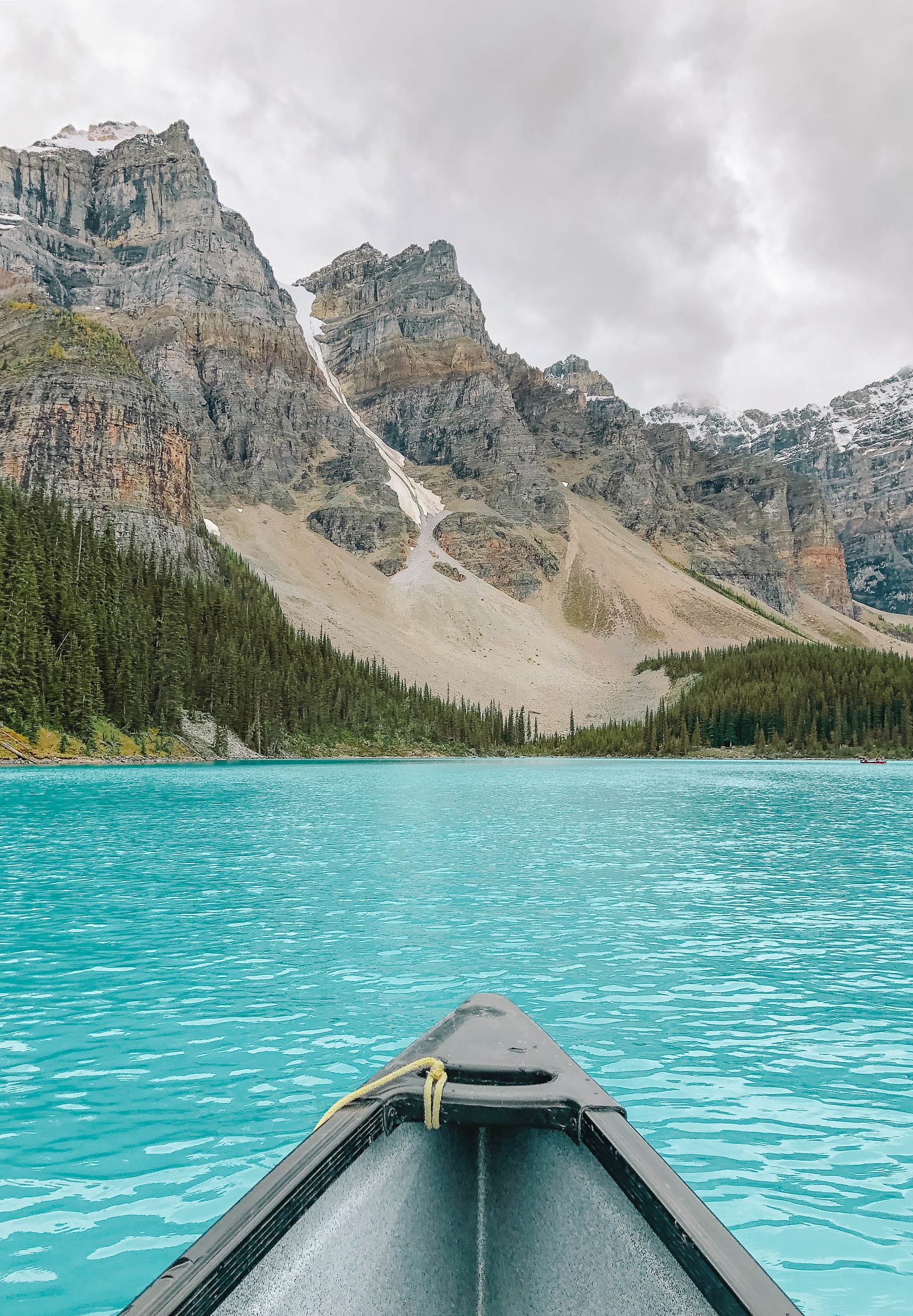
Another highlight is Moraine Lake, with its intense blue color from glacial silt. The view from the Rockpile Trail is famous—the “Twenty Dollar View” once appeared on Canadian currency. Early morning is the best time to visit before crowds arrive, especially since vehicle access is limited in peak season.
Banff Townsite
The town of Banff is lively year-round, full of restaurants, shops, and galleries. Don’t miss the Banff Upper Hot Springs for a relaxing soak with a mountain view. The Banff Gondola offers a bird’s-eye look at the Rockies—perfect for families or anyone who wants a less strenuous way to see the landscape.
Not-so-obvious Insights
- In summer, Banff’s wildlife is active. You may spot elk, bears, or bighorn sheep along the roads—drive carefully and keep your distance.
- The shoulder seasons (May-June and September-October) have fewer tourists and beautiful scenery, but some services may be limited.
Jasper National Park
To the north, Jasper National Park covers over 4,200 square miles, making it the largest national park in the Canadian Rockies. It’s wilder and less crowded than Banff, giving visitors space to explore nature.
Maligne Lake
Maligne Lake is famous for its deep blue waters and Spirit Island—a tiny, photogenic spot. You can take a boat cruise, paddle a kayak, or hike the shoreline trails. In winter, the lake freezes, and the area becomes a playground for cross-country skiing and snowshoeing.
Athabasca Falls
One of Alberta’s most powerful waterfalls, Athabasca Falls impresses visitors with its force and beauty. Walkways and viewing platforms let you feel the spray and hear the roar up close.
Dark Sky Preserve
Jasper is a designated Dark Sky Preserve, meaning artificial light is limited, and the stars shine bright. Visit in October for the Jasper Dark Sky Festival, or just enjoy stargazing on clear nights anytime.
Local Tips
- Wildlife sightings are common—moose, wolves, and even mountain goats call Jasper home.
- Jasper’s Icefields Parkway, connecting Banff and Jasper, offers breathtaking views. Allow extra time for photo stops.

Credit: www.youtube.com
Lake Louise And Moraine Lake
While both lakes are in Banff, their unique beauty makes them attractions in their own right. Each has its charms and best times to visit.
| Feature | Lake Louise | Moraine Lake |
|---|---|---|
| Elevation | 5,249 ft (1,600 m) | 6,183 ft (1,885 m) |
| Best Season | June–September | Late June–mid-October |
| Main Activities | Canoeing, hiking, ice skating | Hiking, photography, canoeing |
| Facilities | Chateau Lake Louise, tea house | Limited; no overnight stays |
Pro tip: Parking is very limited at Moraine Lake, and access may be restricted. Shuttle buses often sell out, so book early.
Icefields Parkway
The Icefields Parkway is one of the world’s most scenic drives, stretching 144 miles (232 km) between Banff and Jasper. The road winds through valleys, past glaciers, waterfalls, and endless forests. Set aside at least a day to make stops along the way.
Columbia Icefield
The Columbia Icefield is a highlight of the Parkway. You can walk on the Athabasca Glacier with a guided tour or brave the glass-floored Skywalk for dramatic views. The Icefield is shrinking due to climate change—each year, it loses several meters of ice, making it even more important to see now.
Peyto Lake
Known for its wolf-head shape, Peyto Lake is a must-see. The color is especially stunning in July and August, thanks to glacial rock flour suspended in the water.
Essential Insights
- Gas stations are rare—fill up before starting the drive.
- Cell service is limited, so download maps and info ahead of time.
Calgary
As Alberta’s largest city, Calgary offers a mix of modern attractions and wild west history. It’s the gateway to the Rockies but deserves time on its own.
Calgary Stampede
Every July, the Calgary Stampede transforms the city into a giant rodeo and festival. Called “The Greatest Outdoor Show on Earth,” it draws over a million visitors for rodeo events, concerts, and parades.
Calgary Tower
For a view of the city and mountains, visit the Calgary Tower. Its observation deck has a glass floor section for a thrilling look straight down.
Glenbow Museum
The Glenbow Museum holds art and history exhibits, including Indigenous artifacts and Western Canadian history.
Hidden Gems
- Stephen Avenue is a pedestrian street with lively patios and shops.
- The Bow River pathway system is great for walking or biking.
Edmonton
Alberta’s capital, Edmonton, is known for its festivals, green spaces, and the largest shopping mall in North America.
West Edmonton Mall
With over 800 stores, a water park, amusement park, and even an ice rink, West Edmonton Mall is more than just a place to shop. It’s a destination for families and thrill-seekers alike.
Royal Alberta Museum
The Royal Alberta Museum is Western Canada’s largest museum, featuring natural history, Indigenous culture, and hands-on exhibits.
Festivals
Edmonton is called “Festival City. ” In summer, don’t miss the Edmonton International Fringe Theatre Festival or the Heritage Festival, which celebrates cultures from around the world.
Practical Advice
- Many festivals are outdoors—bring layers, as Alberta weather can change quickly.
- The river valley parks are perfect for a picnic or stroll.
Waterton Lakes National Park
In southern Alberta, Waterton Lakes National Park combines prairie, mountain, and lake landscapes. It’s smaller and quieter than Banff or Jasper, making it a peaceful escape.
Upper Waterton Lake
Upper Waterton Lake stretches into the US, forming an international peace park with Montana’s Glacier National Park. Boat tours cross the border, and the shoreline is ideal for hiking and photography.
Prince Of Wales Hotel
This historic hotel offers postcard-worthy views. Even if you’re not staying overnight, you can enjoy afternoon tea or just walk the grounds.
Noteworthy Tips
- Wildflowers bloom in late June and July, creating colorful meadows.
- The park is home to rare wildlife, including black bears and mountain goats.
Drumheller And The Badlands
The region around Drumheller is famous for its strange landscapes and dinosaur history. The Canadian Badlands feature hoodoos, canyons, and fossil-rich hills.
Royal Tyrrell Museum
The Royal Tyrrell Museum is a world leader in paleontology. See real dinosaur skeletons, fossil labs, and interactive displays. It’s a must-visit for families or anyone curious about the prehistoric past.
Hoodoos And Horseshoe Canyon
Hoodoos are tall, thin rock spires shaped by wind and water. The Hoodoo Trail is an easy walk, and nearby Horseshoe Canyon offers hiking with dramatic views.
Off-the-beaten-path
- The Atlas Coal Mine gives a glimpse of Alberta’s mining history.
- The World’s Largest Dinosaur, a giant T-rex statue in Drumheller, offers fun photo ops and a view from its mouth.
Kananaskis Country
Between Calgary and Banff lies Kananaskis Country, a group of parks and wilderness areas. Less crowded than the national parks, it’s popular for hiking, camping, and mountain biking.
Peter Lougheed Provincial Park
This park is the heart of Kananaskis, with scenic lakes and more than 50 miles of trails. In winter, it’s a cross-country skiing hotspot.
Kananaskis Nordic Spa
For relaxation, the Kananaskis Nordic Spa offers outdoor pools, saunas, and massages in a forested setting.
What Visitors Miss
- Grizzly bears are present—carry bear spray and know how to use it.
- Parking lots fill quickly on weekends. Arrive early for the best spots.
Canmore
Just outside Banff, Canmore is a favorite for those who want mountain scenery without big crowds. The town has a creative, welcoming vibe, with art galleries, cozy cafes, and local breweries.
Outdoor Activities
Hiking, mountain biking, and rock climbing are popular. The Three Sisters peaks are a famous photo spot, and the Bow River offers gentle walks.
Nordic Centre
Built for the 1988 Winter Olympics, the Canmore Nordic Centre is great for cross-country skiing and mountain biking.
Insider’s Note
- Canmore’s restaurants and bakeries are excellent—don’t miss a stop for fresh pastries or local beer.
- Short-term rentals can be pricey in peak season; book early.
Credit: handluggageonly.co.uk
Dinosaur Provincial Park
For a truly unique landscape, visit Dinosaur Provincial Park, another UNESCO World Heritage Site. It’s one of the world’s richest fossil beds, with more than 40 dinosaur species found here.
Guided Tours
You can only explore some areas with a guide. Tours let you see fossil sites and learn about the park’s history.
Camping And Wildlife
The park’s campground puts you right in the Badlands. At sunset, the rocks glow with color, and you may spot mule deer or coyotes.
Pro Insights
- Summer can be hot and dry. Bring water, sunscreen, and a hat.
- Night skies are stunning—perfect for stargazing.
Athabasca Glacier
The Athabasca Glacier is the most visited glacier in North America. Part of the Columbia Icefield, it’s easy to reach from the Icefields Parkway.
Glacier Adventure
Special buses called Ice Explorers take you onto the glacier itself. You can walk on the ice and even fill a water bottle from melt streams.
Icefield Skywalk
Nearby, the Glacier Skywalk is a glass walkway that extends over a deep canyon. The views are thrilling but not for those with a fear of heights.
Safety Reminder
- The glacier is always moving and has deep crevasses. Never walk on it alone.
- Dress warmly—even in summer, temperatures are much colder on the ice.
Elk Island National Park
Just east of Edmonton, Elk Island National Park is a sanctuary for bison, elk, and over 250 bird species.
Wildlife Viewing
The park is famous for its bison herds. Early morning or evening are the best times to see animals near the road.
Stargazing
Like Jasper, Elk Island is a Dark Sky Preserve. On a clear night, you can see the Milky Way and sometimes the Northern Lights.
What Many Miss
- Mosquitoes can be intense in summer. Bring repellent.
- The park has picnic spots and short nature trails, ideal for families.
Head-smashed-in Buffalo Jump
This UNESCO site tells the story of Plains Indigenous peoples who hunted bison by driving them over cliffs. The interpretive center blends history, archaeology, and culture.
Visitor Experience
You can walk the trails, view ancient bison bones, and see displays explaining how the site was used for thousands of years.
Cultural Importance
Guided tours are led by Indigenous interpreters, adding real insight into Alberta’s history.
Good To Know
- The site is about 90 minutes from Calgary.
- The wind can be strong—dress for the weather.
Unique Alberta Experiences
Alberta isn’t just about the big parks and cities. Add something special to your trip with these experiences:
- Northern Lights Viewing: In winter, visit northern Alberta for a chance to see the aurora borealis.
- Hot Springs: The Banff Upper Hot Springs and Miette Hot Springs near Jasper offer natural pools with mountain views.
- Ranch Stays: Experience cowboy life with a stay at a working ranch.
- Ice Magic Festival: Held in Lake Louise each January, this festival features ice sculptures and winter fun.
Seasonal Highlights
Alberta changes with the seasons, offering different attractions and experiences:
| Season | Main Attractions | Tips |
|---|---|---|
| Spring (Apr–Jun) | Wildflowers, wildlife babies, hiking | Trails may be muddy; some roads closed |
| Summer (Jul–Aug) | Lakes, festivals, camping, canoeing | Peak crowds; book early |
| Fall (Sep–Oct) | Larch trees, fewer tourists, crisp air | Shorter days; dress in layers |
| Winter (Nov–Mar) | Skiing, ice walks, Northern Lights | Cold weather; check road conditions |
Travel Tips For Visiting Alberta
- Weather can change quickly in the mountains—layered clothing is essential.
- Wildlife: Never feed or approach wild animals. Carry bear spray in the Rockies.
- Parks Canada Pass: Entry to national parks requires a pass. Buy online or at park gates.
- Driving: Many attractions are far apart—renting a car offers the most flexibility.
- Language: English is the main language, but many signs include French.
- Currency: The Canadian dollar (CAD) is the official currency. Credit cards are widely accepted.
- Tipping: Standard tips are 15–20% for restaurants.
Frequently Asked Questions
What Is The Best Time To Visit Alberta?
The best time depends on your interests. Summer (June to August) is popular for hiking, lakes, and festivals. Winter (December to March) is ideal for skiing and seeing the Northern Lights. Fall offers beautiful colors, and spring brings wildlife and flowers.
Do I Need A Car To Visit Alberta’s Attractions?
A car is very helpful, especially for national parks and rural areas. Public transport is limited outside major cities. For sites like Banff, Jasper, and Drumheller, driving lets you explore at your own pace.
Are There Entrance Fees For Alberta’s National Parks?
Yes, a Parks Canada pass is required for Banff, Jasper, Waterton, and other national parks. Fees vary by group size and duration. Some sites, like Head-Smashed-In Buffalo Jump, have separate entrance fees.
Where Can I See The Northern Lights In Alberta?
The best chance is in northern Alberta or in Dark Sky Preserves like Jasper and Elk Island. Clear, dark nights in winter offer the best views. Light pollution in cities can make the aurora harder to see.
What Should I Pack For A Trip To Alberta?
Bring layered clothing, waterproof jackets, hiking shoes, and sun protection. In winter, pack insulated coats, gloves, and hats. Don’t forget your camera and travel insurance.
For more in-depth travel planning and the latest visitor updates, you can check the official Travel Alberta site.
Alberta’s attractions are as diverse as its landscapes. From the dramatic peaks of Banff to the quiet beauty of the Badlands, every corner of the province offers something special. Whether you love outdoor adventures, cultural discoveries, or just soaking in stunning views, Alberta will leave you wanting more.
Credit: www.educba.com
