
Ontario is a place where nature and culture blend seamlessly. From stunning waterfalls to lively cities, it offers something for every traveler. Whether you’re interested in outdoor adventures, history, art, or food, Ontario has many attractions that can fill your days with wonder.
Many people know about Niagara Falls, but Ontario’s treasures go far beyond this icon. Let’s explore the best tourist attractions in Ontario and discover why millions visit this province every year.
Niagara Falls
When people think of Ontario, Niagara Falls often comes to mind first. This majestic waterfall is one of the most famous natural wonders in the world, attracting over 12 million visitors annually. The falls are actually three waterfalls: Horseshoe Falls, American Falls, and Bridal Veil Falls. Horseshoe Falls, the largest, sits mostly on the Canadian side.
What makes Niagara Falls special is its sheer power. Over 2,800 cubic meters of water flow over the edge every second. Visitors can get close to the action by walking along the promenade or taking a boat tour that brings you right into the mist. At night, colorful lights illuminate the falls, creating a magical atmosphere.
For a different view, the Journey Behind the Falls experience lets you walk through tunnels behind the waterfall. You can also explore the Niagara Parks Botanical Gardens or try your luck at the local casinos. One non-obvious tip: visit in the winter to see the falls surrounded by ice—it’s less crowded and just as beautiful.
Toronto: Ontario’s Urban Heart
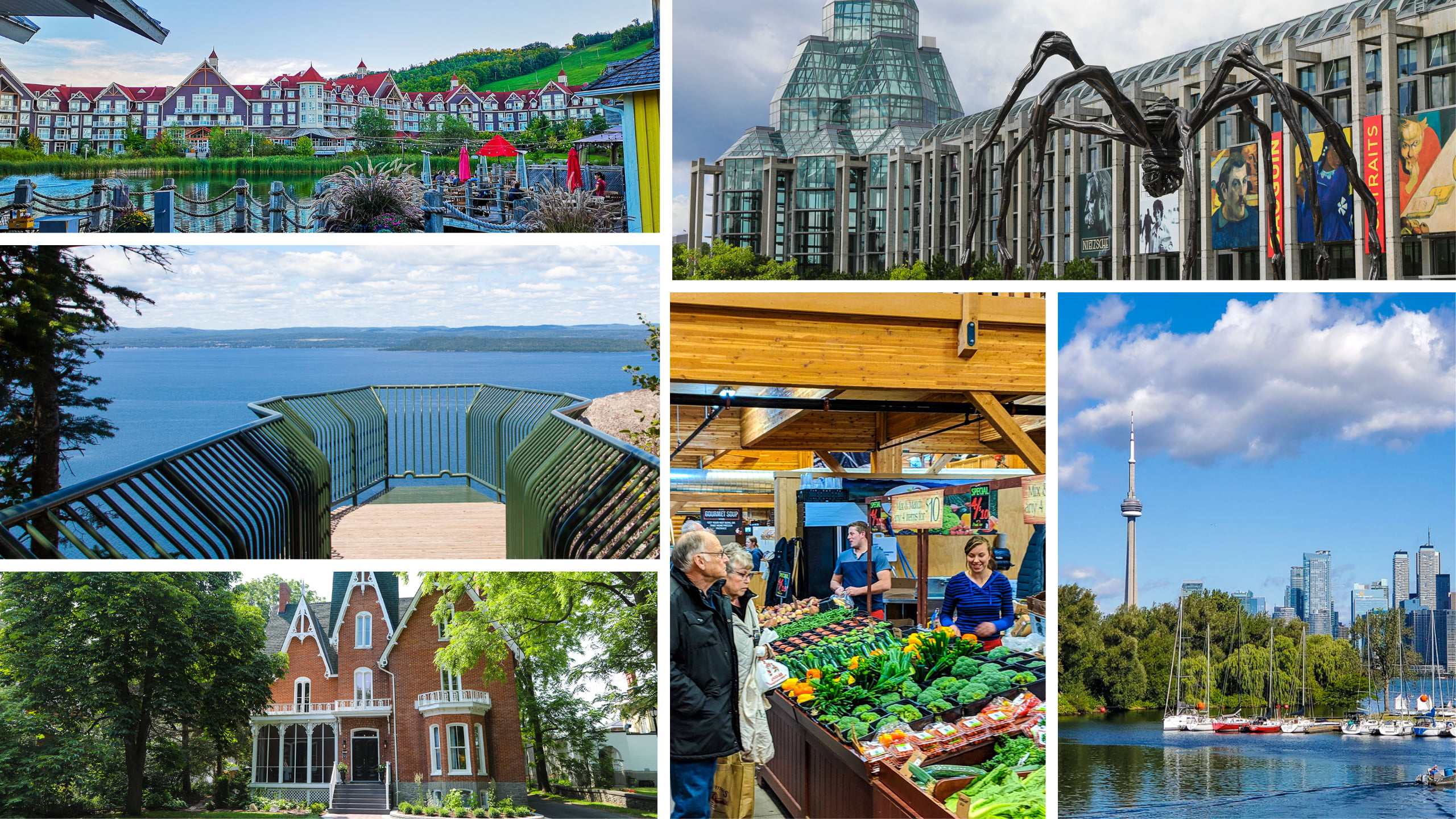
Toronto is Canada’s largest city and a melting pot of cultures. The skyline is dominated by the CN Tower, which stands 553 meters tall. From the observation deck, you can see all the way across Lake Ontario on a clear day. For the brave, the EdgeWalk lets you walk around the outside rim of the tower—secured by a harness, of course.
The city is also home to world-class museums like the Royal Ontario Museum (ROM) and the Art Gallery of Ontario (AGO). In neighborhoods like Kensington Market and Chinatown, you’ll find diverse food and vibrant street art.
Sports fans can catch a Toronto Raptors basketball game or a Blue Jays baseball match. For families, the Toronto Zoo and Ripley’s Aquarium are must-sees.
Comparing Toronto’s Top Attractions
Here’s a quick look at three of Toronto’s most visited spots:
| Attraction | Type | Annual Visitors | Highlight |
|---|---|---|---|
| CN Tower | Landmark | 2 million | EdgeWalk experience |
| Royal Ontario Museum | Museum | 1.4 million | Dinosaurs & world cultures |
| Toronto Zoo | Zoo | 1.3 million | Over 5,000 animals |
A tip many people miss: Toronto’s Islands are just a short ferry ride from downtown and offer beaches, bike paths, and great views of the city skyline.
Ottawa: The Capital’s Highlights
Ottawa is the political heart of Canada, but it’s also rich in culture and history. The Parliament Hill buildings are a must-see. In summer, you can watch the Changing of the Guard ceremony and enjoy evening light shows. The guided tours are free, but booking in advance is wise.
The Rideau Canal is another top attraction. In winter, it becomes the world’s largest skating rink, stretching over 7.8 kilometers. In warmer months, you can take boat tours or walk along the scenic paths.
Art lovers will enjoy the National Gallery of Canada, which houses both Canadian and international works. The city’s ByWard Market is a lively spot for shopping and trying local foods, like the famous BeaverTails pastry.
Ottawa also offers easy access to museums like the Canadian Museum of History and the Canadian Museum of Nature.
Algonquin Provincial Park
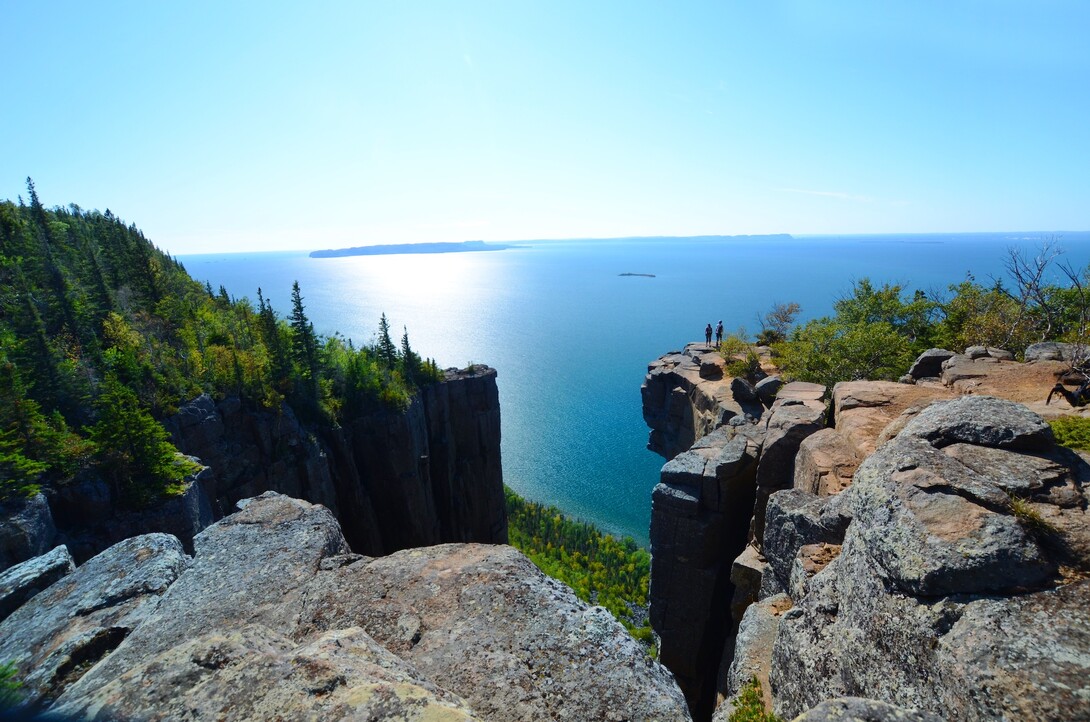
Nature lovers should not miss Algonquin Provincial Park. Covering over 7,600 square kilometers, it’s one of Ontario’s oldest and largest parks. The park is famous for its lakes, forests, and wildlife—you might spot moose, beavers, or even wolves.
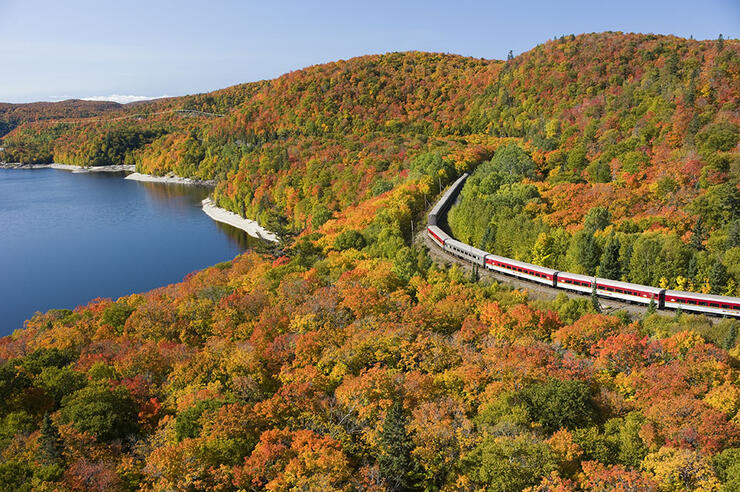
Algonquin offers over 2,400 lakes and 1,200 kilometers of streams and rivers. Canoeing is a favorite activity, but there are also hiking trails for all abilities. In fall, the park’s forests explode with color, drawing photographers from around the world.
Camping is popular, but there are also rustic lodges and cabins. A practical tip: book campsites early, especially for weekends or the autumn leaf season. Many beginners overlook the Visitor Centre, which has exhibits about the park’s ecology and history.
Credit: northernontario.travel
Muskoka Lakes
The Muskoka region is known as Ontario’s “cottage country.” It’s dotted with clear lakes and pine forests, making it a perfect summer escape. The area is famous for its beautiful lake houses, many owned by celebrities.
Boating, swimming, and fishing are popular here. In towns like Gravenhurst and Bracebridge, you’ll find local shops, art galleries, and restaurants. The Muskoka Steamships offer cruises on Lake Muskoka, giving you a view of the grand cottages and natural scenery.
A non-obvious tip: visit in late September or early October for the fall colors—Muskoka is especially stunning then, and crowds are smaller.
Thousand Islands
Stretching along the St. Lawrence River, the Thousand Islands region is a unique landscape of over 1,800 islands. You can explore the area by boat, kayak, or even helicopter. Many islands have historic mansions, like the famous Boldt Castle.
Fishing, cycling, and scuba diving are also popular, thanks to the crystal-clear waters and shipwrecks. The region is home to Thousand Islands National Park, which protects many of the smaller islands.
The best way to experience the area is on a boat tour—many tours leave from Gananoque or Kingston. A practical tip: bring your passport if you plan to visit the U.S. side, as some islands are in New York State.
Bruce Peninsula National Park And Tobermory
The Bruce Peninsula offers some of the clearest waters in Ontario. Located between Georgian Bay and Lake Huron, the area is famous for its limestone cliffs, turquoise water, and caves. The Grotto, a sea cave with blue water, is a highlight.
Hiking is popular, with trails like the Bruce Trail offering dramatic views. Tobermory, the nearby town, is known as the “Scuba Diving Capital of Canada,” thanks to shipwrecks in Fathom Five National Marine Park.
Boat tours to Flowerpot Island showcase unique rock formations and rare plants. An insider tip: parking at the Grotto fills up fast in summer—book your spot online before you go.
Stratford
Stratford is a small city with a big reputation for the arts. The annual Stratford Festival draws theater lovers from around the world. It runs from April to October, featuring Shakespeare plays and modern works.
The city itself is charming, with Victorian architecture, tree-lined streets, and the scenic Avon River. Local restaurants often use ingredients from nearby farms, so food is fresh and creative.
Many visitors miss the Stratford Chocolate Trail, where you can sample treats from local chocolatiers. If you love the arts, plan your visit around festival dates for the full experience.
Kingston And Fort Henry
Kingston sits at the spot where Lake Ontario meets the St. Lawrence River. It was once the capital of Canada and is filled with historic buildings. The star attraction is Fort Henry, a 19th-century military fort.
Fort Henry offers interactive tours, cannon firings, and military reenactments. The views over the water are stunning, especially at sunset. Kingston is also home to Queen’s University and a lively waterfront.
Boat cruises from Kingston explore the Thousand Islands region. A practical tip: Kingston’s downtown is walkable, so park your car and explore on foot for the best experience.
St. Lawrence Market (toronto)
Located in downtown Toronto, St. Lawrence Market is one of the world’s best food markets. It’s been operating since 1803 and is a paradise for food lovers. You’ll find everything from fresh cheeses and meats to artisanal breads and pastries.
The market is famous for the peameal bacon sandwich, a Toronto specialty. On Saturdays, there’s a bustling farmers’ market with local produce and flowers.
Many visitors overlook the Market Gallery upstairs, which hosts exhibits about Toronto’s history. The market is busiest on weekends, so visit on a weekday morning for a more relaxed experience.
Royal Ontario Museum (rom)
The Royal Ontario Museum is Canada’s largest museum of world cultures and natural history. It has over six million objects, covering everything from dinosaurs to Egyptian mummies.
The Michael Lee-Chin Crystal, a modern glass addition, has become an architectural icon. Popular exhibits include the massive dinosaur skeletons and the First Peoples Gallery.
ROM is family-friendly, with hands-on activities for kids. Free guided tours are available, but many visitors miss them—check the schedule at the entrance. If you love history or science, plan at least half a day here.
Canada’s Wonderland
Just north of Toronto, Canada’s Wonderland is the country’s largest theme park. It covers 300 acres and has over 200 attractions, including 17 roller coasters—the most in Canada.
The park is known for rides like Leviathan and Yukon Striker, two of the tallest and fastest coasters in the world. There’s also a massive water park, Splash Works, and areas for younger kids.
A practical tip: lines are longest on weekends and holidays, so visit on a weekday if you can. Many beginners miss the Fast Lane pass, which lets you skip long lines for an extra fee.
Credit: www.thegate.ca
The Distillery Historic District (toronto)
Toronto’s Distillery District is a pedestrian-only area filled with Victorian industrial buildings. Once home to the world’s largest whiskey distillery, it’s now a center for art galleries, boutiques, and restaurants.
The cobblestone streets come alive during festivals, especially the Toronto Christmas Market and Light Festival. The district is also a favorite for photographers, thanks to its mix of old and new.
Many people overlook the local craft breweries and chocolate shops—take time to explore the side alleys for hidden gems.
Blue Mountain Resort
Blue Mountain is Ontario’s top ski resort, located near Collingwood. In winter, it offers skiing, snowboarding, and tubing. In summer, it transforms into an adventure playground with mountain biking, zip lines, and golf.
The pedestrian village is filled with shops, spas, and restaurants. There’s also a large indoor water park, making it a year-round destination for families.
A tip: Blue Mountain is busiest during holidays and weekends, but midweek visits offer shorter lines and better deals.
Sudbury’s Science North
In northern Ontario, Science North is a hands-on science center that makes learning fun for all ages. The building is shaped like two snowflakes and sits on the shore of Ramsey Lake.
Exhibits cover everything from space to insects, with live animal shows and an IMAX theater. Science North also operates Dynamic Earth, where you can take an underground mine tour.
Many visitors miss the boardwalk trail along Ramsey Lake—bring comfortable shoes for a walk before or after your visit.
Prince Edward County
Prince Edward County is an island community known for its wineries, food, and art. It’s a favorite weekend escape from Toronto. The region has over 40 wineries, plus cideries and craft breweries.
Sandbanks Provincial Park is famous for its sand dunes and beaches—some of the best in Ontario. The County is also home to art studios, antique shops, and farm-to-table restaurants.
A non-obvious tip: many wineries have picnic areas with lake views—pack your own lunch to enjoy the scenery.
Credit: northernontario.travel
Ontario Science Centre
The Ontario Science Centre in Toronto is a favorite for families and curious minds. There are hundreds of interactive exhibits, live science demonstrations, and a planetarium.
Popular zones include the rainforest ecosystem and the hands-on KidSpark area for young children. The OMNIMAX theater shows science and nature films on a huge dome screen.
A practical tip: check the schedule for live demonstrations—they’re often the highlight, but many visitors miss them.
Comparing Natural Vs. Urban Attractions In Ontario
To help plan your trip, here’s a comparison of some top natural and urban attractions:
| Attraction | Type | Best Season | Family Friendly |
|---|---|---|---|
| Niagara Falls | Natural | Year-round | Yes |
| Algonquin Park | Natural | Fall/Summer | Yes |
| CN Tower | Urban | Year-round | Yes |
| Royal Ontario Museum | Urban | Year-round | Yes |
Hamilton Waterfalls
Hamilton is often called the “Waterfall Capital of the World,” with over 100 waterfalls within city limits. Webster’s Falls and Albion Falls are two of the most popular, each offering scenic trails and viewing platforms.
Many visitors miss lesser-known falls like Tiffany Falls and Devil’s Punchbowl, which are just as beautiful and less crowded. Spring is the best time to visit, when water flow is strongest.
A practical tip: wear sturdy shoes, as some trails can be muddy or slippery after rain.
Fort William Historical Park
Located in Thunder Bay, Fort William Historical Park is a reconstruction of an 1800s fur trading post. Costumed guides bring history to life, showing how people lived and traded in the past.
The site covers over 250 acres and includes over 40 historic buildings. You can watch blacksmiths, bakers, and canoe builders at work. Special events like powwows and night sky programs add extra excitement.
Many travelers don’t realize the park offers overnight experiences, where you can sleep in a historic cabin or tent.
Elora Gorge
Elora Gorge is a natural wonder just northwest of Guelph. The Grand River has carved deep cliffs and caves into the limestone, creating a dramatic landscape.
Popular activities include tubing, kayaking, and hiking. The town of Elora is known for its arts scene, charming shops, and the historic Elora Mill.
A non-obvious tip: the gorge is busiest on hot summer weekends—try visiting on a weekday for a quieter experience.
Planning Your Visit: Practical Tips
- Book tickets or parking in advance for popular sites like the Grotto, CN Tower, and ROM.
- Ontario’s weather can change quickly—bring layers and rain gear.
- Some attractions, like Algonquin Park, require permits for camping or canoeing.
- Many sites are busiest on weekends and holidays; midweek visits are often more relaxed.
- Try local foods wherever you go—each region has its own specialties.
Frequently Asked Questions
What Is The Best Time To Visit Ontario’s Tourist Attractions?
Ontario offers year-round attractions. Summer (June to August) is best for outdoor activities, cottage country, and festivals. Fall (September to October) is famous for colorful leaves, especially in Algonquin Park and Muskoka. Winter brings ice skating on the Rideau Canal and winter sports at Blue Mountain. Spring is ideal for waterfalls and fewer crowds.
Are Ontario’s Attractions Suitable For Families With Children?
Yes, most major attractions like Canada’s Wonderland, the Ontario Science Centre, Toronto Zoo, and Niagara Falls are family friendly. Parks like Algonquin and Blue Mountain have activities for all ages. Always check if there are age or height restrictions for certain rides or activities.
Do I Need A Car To Explore Ontario’s Attractions?
A car is useful for exploring rural areas, parks, and regions like Muskoka or Prince Edward County. Cities like Toronto and Ottawa have good public transport for main sights. For places like Niagara Falls, train and bus options are available, but a car offers more flexibility.
How Expensive Are Ontario’s Tourist Attractions?
Prices vary. Major sites like the CN Tower or Royal Ontario Museum charge admission, usually between $20–$40 for adults. Parks may charge per vehicle or per person. Many outdoor sites, such as waterfalls in Hamilton or beaches, are free or low cost. Plan for extra expenses like parking, food, and special tours.
Where Can I Find Official Information About Ontario’s Attractions?
For the latest updates, hours, and ticket information, visit the official Ontario Tourism website: Ontario Travel.
Ontario is full of unforgettable experiences. From the roar of Niagara Falls to the quiet beauty of Algonquin’s forests, every corner offers something unique. Plan your trip, explore widely, and discover why Ontario is one of Canada’s most visited provinces.
