
Quebec stands out as one of North America’s most fascinating travel destinations. This Canadian province blends old-world European charm with vast wilderness and vibrant cities. Visitors can wander through cobblestone streets, marvel at grand waterfalls, hike untamed forests, and sample world-famous poutine.
Quebec’s unique French heritage adds a distinct flavor to every experience, making it feel unlike anywhere else in Canada or the United States.
For travelers, choosing what to see in Quebec can feel overwhelming. From historic sites to stunning national parks, the province offers something for every taste and season. This guide explores the best tourist attractions in Quebec, helping you make the most of your visit—whether you’re planning a short getaway or an extended adventure. Along the way, you’ll find practical tips, essential details, and insider insights that most beginners miss.
Old Quebec (vieux-québec)
Old Quebec is the heart of Quebec City and a UNESCO World Heritage Site. Its fortified walls, narrow lanes, and stone buildings transport you to 17th-century France. The atmosphere is lively year-round, with street performers, artists, and cozy cafés around every corner.
A highlight here is the Château Frontenac, the most photographed hotel in the world. Even if you don’t stay overnight, the castle-like exterior and grand lobby are worth seeing. Stroll along the Dufferin Boardwalk for sweeping views of the St. Lawrence River.
Don’t miss the Petit-Champlain District, one of North America’s oldest shopping streets. In winter, twinkling lights and snow create a fairy-tale scene. In summer, outdoor terraces buzz with energy.
Insider tip: The funicular railway connects Lower Town to Upper Town, saving you a steep climb and offering unique views.
Montmorency Falls
Just 15 minutes from Quebec City, Montmorency Falls is a natural wonder that’s even taller than Niagara Falls. Water plunges 272 feet (83 meters) into the Montmorency River, making it a dramatic sight in every season.
Visitors can cross a suspension bridge over the falls for heart-pounding views. There’s also a cable car, a staircase with observation decks, and ziplining for thrill-seekers. In winter, the spray creates a huge “Sugarloaf” of ice at the base—a favorite with photographers.
For a memorable experience, plan a picnic in the park or dine at the elegant Manoir Montmorency. The falls are lit up at night in summer, adding a magical touch.
Non-obvious insight: Early morning visits avoid tour bus crowds and give the best light for photos.
Montreal’s Old Port (vieux-port De Montréal)
Montreal’s Old Port blends the city’s rich history with exciting modern attractions. Once a busy shipping area, it’s now a waterfront hotspot for locals and tourists alike.
Highlights include:
- The Montreal Science Centre for hands-on exhibits
- The Grande roue de Montréal, the tallest observation wheel in Canada
- Riverside cycling paths and Segway tours
- Clock Tower Beach for urban sunbathing
In winter, the Old Port turns into a wonderland with ice skating and light shows. In summer, boat cruises and outdoor events bring the area to life.
Practical tip: Try a river cruise for unique views of Montreal’s skyline.
Parc National De La Jacques-cartier
This national park, just 30 minutes north of Quebec City, is a paradise for outdoor lovers. Parc National de la Jacques-Cartier covers over 250 square miles of forested mountains and deep river valleys.
Visitors can enjoy:
- Hiking on more than 60 miles of trails
- Canoeing and kayaking down the Jacques-Cartier River
- Wildlife spotting (moose, deer, and sometimes black bears)
- Winter activities like snowshoeing and cross-country skiing
Camping is popular, but day-trippers can also enjoy the park’s beauty. The Les Loups Trail offers one of the best panoramic views.
Non-obvious insight: In autumn, the park’s foliage turns brilliant red and orange—a photographer’s dream.
Basilica Of Sainte-anne-de-beaupré
North of Quebec City lies one of North America’s oldest and most important pilgrimage sites. The Basilica of Sainte-Anne-de-Beaupré welcomes over a million visitors each year.
The basilica’s twin spires and stained-glass windows are breathtaking. Many come to pray for healing, leaving crutches and braces behind as tokens of gratitude. Even non-religious visitors are moved by the peaceful atmosphere and intricate mosaics.
The surrounding village offers quaint shops and quiet spots along the St. Lawrence River.
Travel tip: Visit in July for the annual Feast of Saint Anne, when the site comes alive with processions and celebrations.
Mont-tremblant Resort
In the Laurentian Mountains, Mont-Tremblant is Quebec’s premier four-season resort. In winter, it’s famous for skiing and snowboarding. In summer, it becomes a hub for hiking, mountain biking, and golfing.
Mont-Tremblant Village is modeled after an Alpine town, with colorful buildings and lively plazas. Families love the adventure parks, zip lines, and lake activities. The panoramic gondola offers stunning views year-round.
Non-obvious insight: Autumn is a secret favorite for locals—fall colors and fewer crowds make for a perfect getaway.
Gaspé Peninsula And Percé Rock
Quebec’s Gaspé Peninsula offers some of Canada’s wildest coastal scenery. The star attraction is Percé Rock, a massive limestone formation rising from the Gulf of St. Lawrence. At low tide, you can sometimes walk to the rock itself.
Nearby, the tiny village of Percé is known for its seafood and friendly locals. Boat tours visit Bonaventure Island, home to North America’s largest gannet colony—over 100,000 birds nest here each year.
Outdoor enthusiasts can hike in Forillon National Park, kayak with seals, or visit historic lighthouses. The region’s remote beauty rewards those willing to travel off the beaten path.
Travel tip: Summer and early autumn offer the best weather and wildlife viewing.
La Citadelle De Québec
The Citadelle is an active military fortress and the oldest military building in Canada. Perched high above Old Quebec, it offers panoramic views of the city and river.
Visitors can watch the changing of the guard ceremony (summer), tour the ramparts, and explore the fascinating military museum. The Citadelle is also the official residence of the Canadian monarch and the Governor General.
Insider tip: Guided tours provide colorful stories about the fortress’s history and daily life of the soldiers.
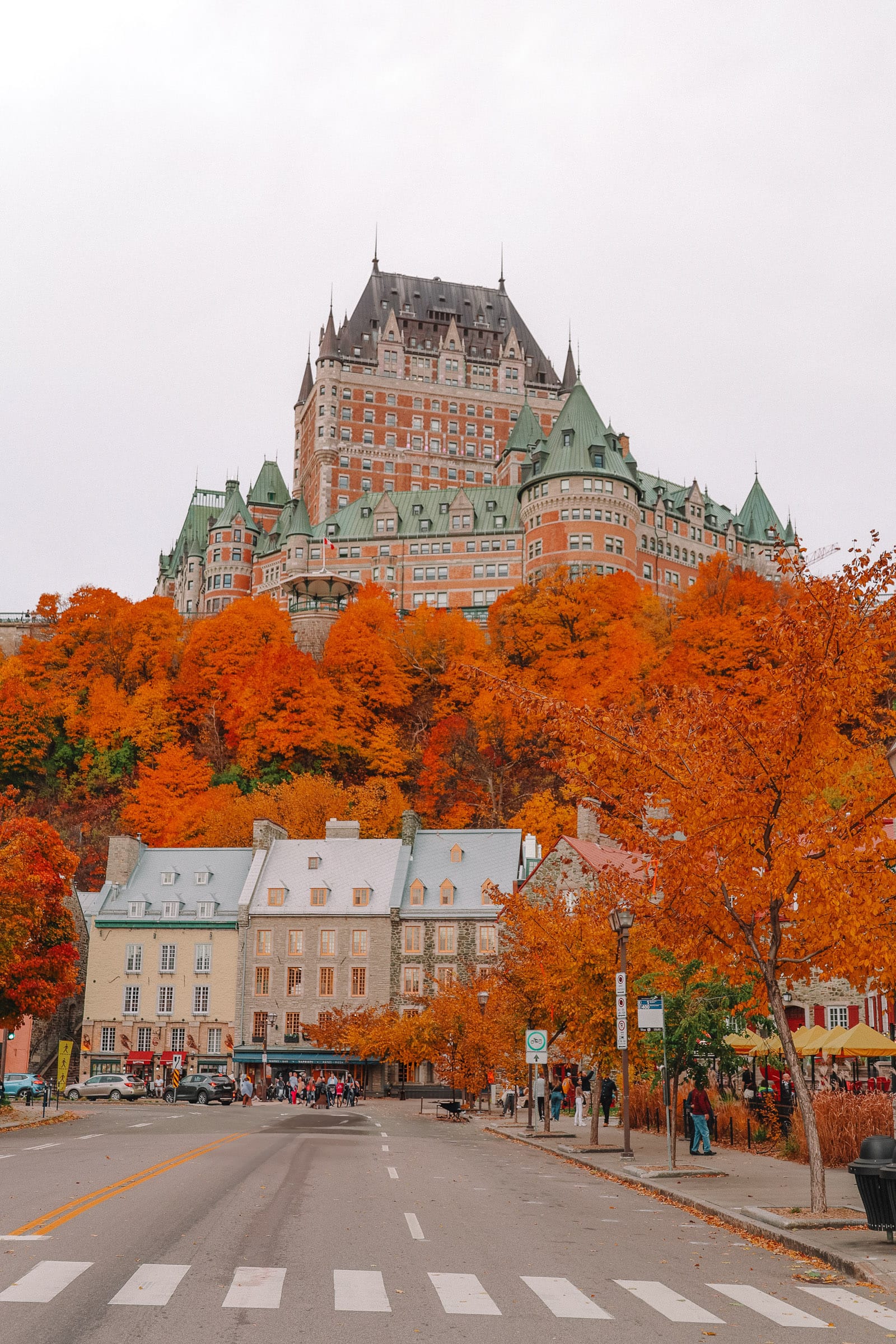
Credit: handluggageonly.co.uk
Musée De La Civilisation (museum Of Civilization)
Quebec City’s Musée de la Civilisation is one of Canada’s top museums. It brings Quebec’s history and culture to life through interactive exhibits and innovative displays.
Key features include:
- Rotating exhibitions on First Nations, science, and world cultures
- Hands-on activities for children and families
- Permanent exhibits exploring Quebec’s identity
The museum’s modern architecture contrasts with the old city’s stone buildings, creating a striking visual effect.
Practical tip: Buy tickets online to skip entry lines during busy times.
Quartier Petit Champlain
Tucked at the base of Old Quebec, Quartier Petit Champlain is a charming district full of boutiques, bistros, and art galleries. Its narrow, cobblestone streets are often decorated with seasonal flowers or festive lights.
The area is especially magical during the winter holidays, when it feels like a scene from a storybook. Local shops sell unique gifts, from handmade crafts to Quebec maple syrup.
Non-obvious insight: Look for the murals depicting the neighborhood’s history—they make great photo spots and tell fascinating stories.
Île D’orléans
Just a short drive from Quebec City, Île d’Orléans is a rural island famous for its farms, orchards, and heritage homes. Visitors come for fresh strawberries, apples, cheese, and ice cider—a local specialty.
You can spend a day touring the island’s six villages by car or bicycle. Each has its own church, art galleries, and roadside stands. The views of the St. Lawrence River and Montmorency Falls are spectacular.
Travel tip: In July, strawberry season brings festivals and picking events.
Mont Royal Park
Montreal’s Mont Royal Park is the city’s green heart. Designed by Frederick Law Olmsted (of Central Park fame), it’s a favorite spot for locals to relax, jog, or picnic.
The park’s summit offers one of the best views of downtown Montreal. In winter, the park is perfect for sledding and ice skating. Spring and fall bring beautiful colors and bird watching.
The large Beaver Lake is a popular family area, while the forested trails offer a quiet escape from city life.
Non-obvious insight: On Sundays, the park hosts “Tam-Tams,” a spontaneous drum circle that draws crowds for music and dancing.
Canyon Sainte-anne
Canyon Sainte-Anne is a dramatic gorge carved by the Sainte-Anne-du-Nord River, located about 25 miles east of Quebec City. The canyon features waterfalls, suspension bridges, and cliffside walkways.
Adventurers can try via ferrata (climbing with a harness on iron rungs) or ziplining across the canyon. The trails are well-marked and suitable for families.
Travel tip: Early summer is best for high water levels and roaring falls.
The Plains Of Abraham
The Plains of Abraham is a historic park where the British and French fought a decisive battle in 1759. Today, it’s a vast green space in Quebec City, ideal for walking, cycling, or picnicking.
The park hosts outdoor concerts, festivals, and winter sports. The Plains of Abraham Museum tells the story of the battle and its impact on Canadian history.
Non-obvious insight: The park’s gardens bloom with rare flowers in late spring, offering a peaceful retreat from the city bustle.
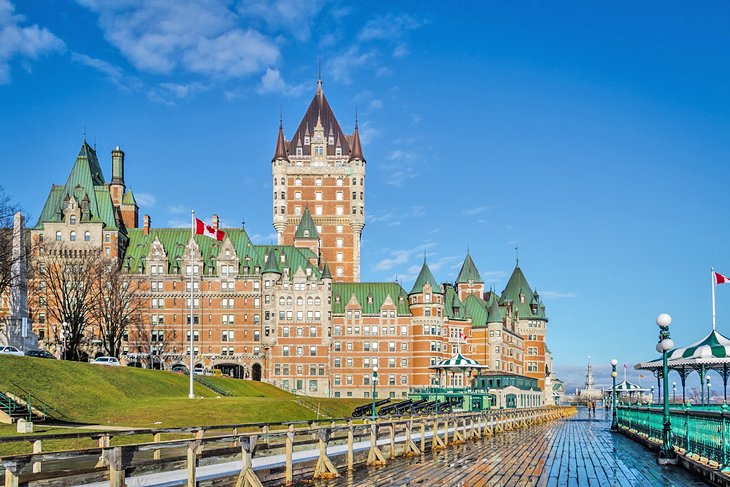
Credit: cosmosimmigration.com
Musée Des Beaux-arts De Montréal (montreal Museum Of Fine Arts)
Montreal’s largest museum, the Musée des beaux-arts, is a must for art lovers. Its collection spans classical to contemporary art, with works by Canadian, European, and international artists.
Major highlights include:
- Paintings by Rembrandt, Picasso, and Inuit artists
- Decorative arts and design galleries
- Special exhibitions on fashion, music, and film
Admission is free to the permanent collection and for visitors under 20.
Travel tip: The museum is located on Sherbrooke Street, near many other cultural attractions.
Tadoussac And Whale Watching
On the north shore of the St. Lawrence, Tadoussac is one of the world’s top spots for whale watching. From May to October, you can see belugas, minke whales, and even blue whales.
Boat tours depart from the village, or you can watch from shore at the Marine Mammal Interpretation Centre. Tadoussac is also a National Historic Site, with a wooden chapel dating to 1747.
Non-obvious insight: September offers the highest chance to see several whale species together.
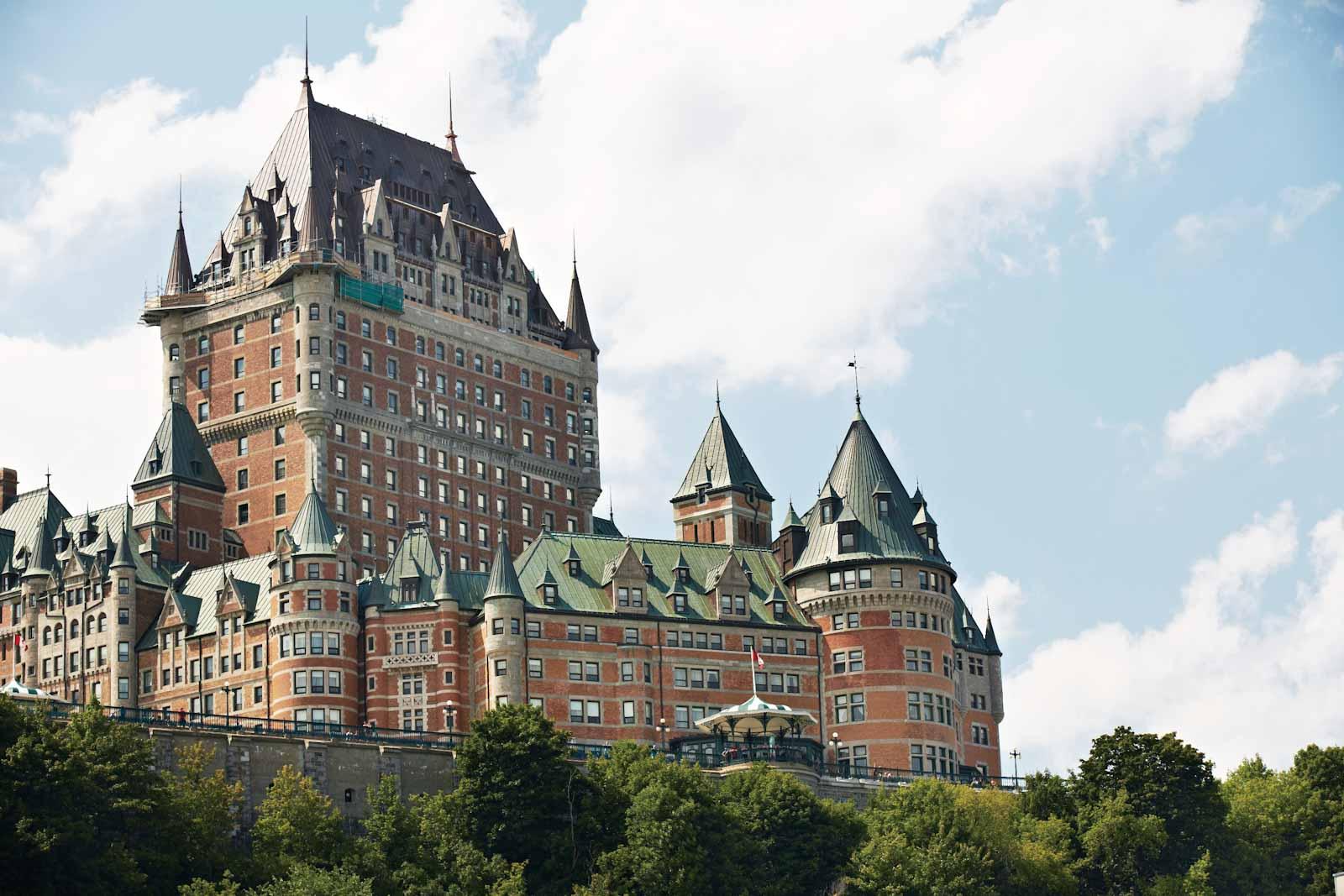
Credit: travel.destinationcanada.com
The Laurentians
The Laurentians are a mountain region north of Montreal, known for their rolling hills, lakes, and charming villages. The area is popular for:
- Skiing and snowboarding (winter)
- Hiking, cycling, and canoeing (summer)
- Maple syrup festivals (spring)
The town of Saint-Sauveur is famous for its lively nightlife and water park. Many resorts here offer Scandinavian-style spas—a great way to relax after a day outdoors.
Travel tip: The fall foliage is spectacular, drawing visitors from around the world.
Parc National De L’île-bonaventure-et-du-rocher-percé
This unique park protects both Bonaventure Island (with its bird colony) and Percé Rock. Besides boat tours, you can hike scenic trails with ocean views, explore hidden coves, and learn about the area’s fishing history.
Non-obvious insight: The park is one of the best places in Quebec to see gray seals and puffins.
Saint Joseph’s Oratory Of Mount Royal
Montreal’s Saint Joseph’s Oratory is the largest church in Canada and a major pilgrimage site. Its copper dome rises above Mont Royal, and the basilica attracts millions each year.
Inside, you’ll find beautiful mosaics, a museum, and a peaceful garden. Pilgrims often climb the steps on their knees, a tradition linked to Brother André, who founded the shrine.
Travel tip: The sunset from the oratory’s terrace offers a sweeping view of Montreal.
Le Massif De Charlevoix
Le Massif is a mountain overlooking the St. Lawrence River, about an hour east of Quebec City. In winter, it’s famous for skiing with the highest vertical drop in eastern Canada (2,526 feet).
In summer, the mountain offers hiking, mountain biking, and a scenic train ride along the coast. The views from the summit are breathtaking.
Non-obvious insight: The train ride from Baie-Saint-Paul to La Malbaie is one of Canada’s most scenic rail journeys.
Quebec’s Winter Carnival (carnaval De Québec)
Held every February, the Quebec Winter Carnival is the world’s largest and oldest winter festival. Highlights include:
- Ice sculptures and snow slides
- Night parades and dance parties
- Ice canoe races on the St. Lawrence
- Meeting Bonhomme, the festival’s famous snowman mascot
The carnival brings out the best of Quebec’s winter spirit. Dress warmly and join the festivities!
Comparing Top Attractions By Season
Quebec’s weather changes dramatically through the year. Here’s a look at when some attractions are at their best:
| Attraction | Best Season | Why Visit Then? |
|---|---|---|
| Old Quebec | Winter | Charming snow scenes, Christmas markets |
| Montmorency Falls | Summer | All activities open, night illumination |
| Gaspé Peninsula | Summer/Early Autumn | Best weather, wildlife, and boat tours |
| Mont-Tremblant | Autumn/Winter | Fall colors, skiing and snowboarding |
| Tadoussac | Late Summer | Peak whale watching |
| Quebec Winter Carnival | Winter (February) | Unique festival, ice events |
Comparing Admission Prices
Here’s how some popular attractions compare for entry fees (adult rates, in Canadian dollars):
| Attraction | Admission Fee (CAD) | Notes |
|---|---|---|
| Montmorency Falls Park | $7.39 | Parking extra, cable car separate |
| Musée de la Civilisation | $24 | Discounts for students/seniors |
| Mont Royal Park | Free | Small fee for skating rentals |
| Basilica of Sainte-Anne-de-Beaupré | Free | Donations appreciated |
| Montreal Museum of Fine Arts | Free | Special exhibits extra |
| Citadelle de Québec | $18 | Includes guided tour |
Essential Tips For Visiting Quebec
- Language: French is Quebec’s main language. Most tourist areas are bilingual, but learning a few French words (“Bonjour!”) goes a long way.
- Weather: Winters are cold (often below freezing), while summers are warm and humid. Dress for the season and check forecasts.
- Transport: Trains and buses connect major cities. Renting a car is best for rural areas like the Gaspé or Île d’Orléans.
- Cuisine: Try local specialties like poutine, tourtière (meat pie), and maple desserts. Food festivals happen year-round.
- Currency: The Canadian dollar (CAD) is used everywhere. Credit cards are widely accepted.
Frequently Asked Questions
What Is The Best Time Of Year To Visit Quebec?
The best time depends on your interests. Summer (June to September) offers festivals, outdoor activities, and warm weather. Winter (December to March) is ideal for snow sports and the Quebec Winter Carnival. Autumn brings stunning fall colors, especially in the Laurentians and around Mont-Tremblant.
Do I Need To Speak French To Travel In Quebec?
No, but it helps. While most people in tourist areas speak English, knowing basic French greetings and phrases is appreciated. Road signs and menus are often in French, but staff at major attractions are used to English-speaking visitors.
Which City Should I Visit First, Montreal Or Quebec City?
Both cities are worth seeing. Montreal is larger, with a lively, cosmopolitan feel and lots of festivals. Quebec City feels more European, with centuries-old buildings and a romantic atmosphere. Many travelers visit both, as they are only three hours apart by train or car.
Are There Good Attractions For Kids In Quebec?
Yes! Families love Montreal’s Science Centre, Mont-Tremblant’s adventure parks, the Biodome, and the Plains of Abraham. Many parks offer activities like canoeing, wildlife watching, and interactive museums.
Where Can I Find More Information About Quebec Attractions?
The official Quebec tourism site is a reliable resource: Bonjour Québec.
Quebec’s blend of history, culture, and nature offers something for every traveler. Whether you’re drawn to ancient fortresses, lively festivals, or stunning landscapes, you’ll find endless reasons to fall in love with this unique province.
