
The Osa Peninsula, located on Costa Rica’s southern Pacific coast, is a place that feels untouched by time. This remote region is famous for its wild rainforests, rare wildlife, and stunning coastlines. Travelers looking for adventure, nature, and authentic experiences often call it Costa Rica’s best-kept secret.
If you want to connect with nature and see something truly special, the Osa Peninsula should be on your travel list.
Corcovado National Park
No visit to the Osa Peninsula is complete without exploring Corcovado National Park. This park covers about 424 square kilometers and protects one of the most biodiverse places on Earth. National Geographic once called it “the most biologically intense place on the planet.”
Inside Corcovado, you can spot four species of monkeys, two types of sloths, jaguars, and even tapirs. Bird lovers will enjoy seeing scarlet macaws, toucans, and the rare harpy eagle. Most trails pass through rainforests, rivers, and even along the beach.
Park entry requires a licensed guide, which helps protect the fragile environment. Day trips are popular, but staying overnight in a ranger station lets you see more animals, especially at dawn and dusk.
Corcovado At A Glance
| Feature | Details |
|---|---|
| Size | 424 sq km |
| Wildlife Species | Over 140 mammals, 400 birds |
| Popular Trails | Sirena, San Pedrillo, La Leona |
| Best Time to Visit | Dry season (Dec–Apr) |
Insider tip: Bring quick-dry clothes and strong insect repellent. Many first-timers underestimate how humid and buggy the forest can be.
Drake Bay
Drake Bay (Bahía Drake) is the main gateway to the Osa Peninsula and a favorite among eco-travelers. This peaceful village offers beautiful beaches, boat tours, and great access to Corcovado.
Water-based activities are the highlight here. Kayaking in the mangroves, snorkeling at Caño Island, or joining a whale-watching tour (July–October) are all possible.
If you enjoy meeting locals, the small-town vibe lets you connect with Costa Rican families and enjoy fresh seafood. Most hotels and lodges are eco-friendly, blending into the natural surroundings.
Popular Activities In Drake Bay
- Snorkeling at Caño Island – Clear waters and coral reefs full of tropical fish.
- Night tours – Search for frogs, snakes, and insects with a guide.
- Horseback riding – Explore beaches and jungle trails.

Credit: www.bookmundi.com
Puerto Jiménez
Puerto Jiménez is the largest town on the Osa Peninsula, but it still feels relaxed and close to nature. It’s the main entrance for travelers arriving by road, and you’ll find supermarkets, banks, and tour operators here.
The town sits on the calm waters of the Golfo Dulce. Kayaking, dolphin-watching, and fishing are common. Puerto Jiménez is also a launch point for trips into Corcovado’s southern sector.
If you want a base with more services but still close to wildlife, this town is the best choice.
Comparing Drake Bay And Puerto Jiménez
| Feature | Drake Bay | Puerto Jiménez |
|---|---|---|
| Vibe | Quiet, remote | Lively, more services |
| Best For | Nature lovers | Convenience, families |
| Main Activities | Snorkeling, tours | Kayaking, fishing |
| Access to Corcovado | Boat tours | Hiking, 4×4 routes |
Golfo Dulce
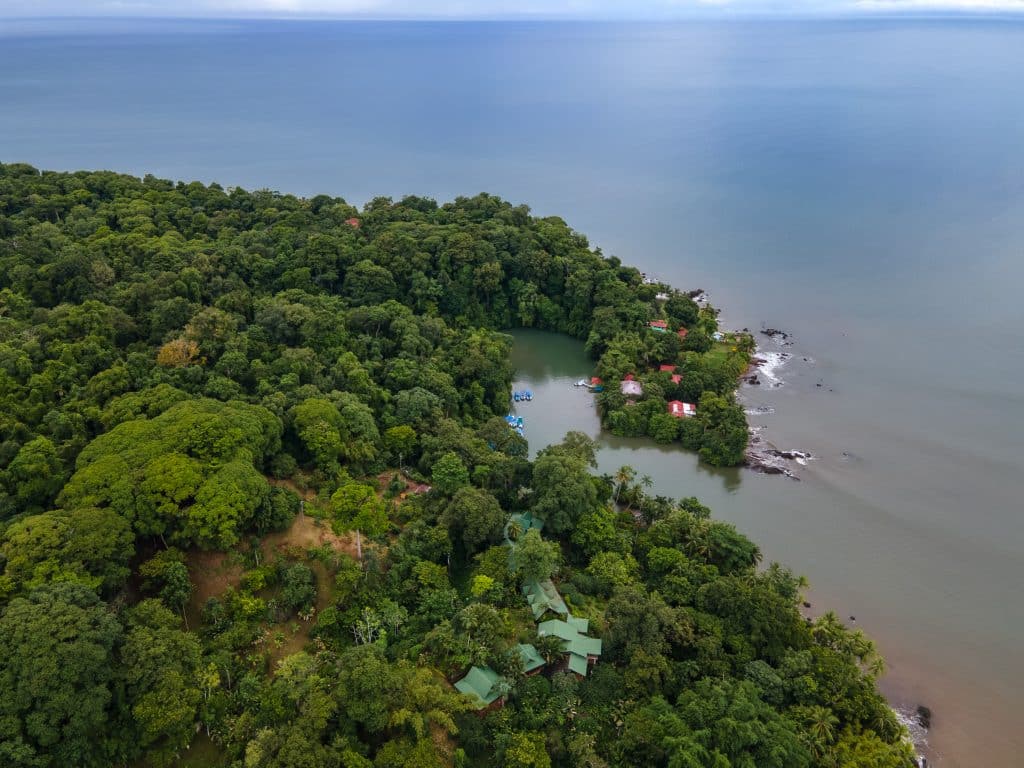
The Golfo Dulce (Sweet Gulf) separates the Osa Peninsula from the mainland. This tropical fjord is one of only a few in the world. Its calm, nutrient-rich waters are a haven for marine life.
Here, you can spot dolphins, humpback whales (especially August–October), and sea turtles. Many lodges along the gulf offer kayaking, paddleboarding, and even night tours to see glowing bioluminescent plankton.
A unique experience is swimming in the gulf at night, where every movement creates a trail of blue-green light. Few places in the world offer this magical sight.
Quick Facts: Golfo Dulce
| Activity | Best Time | What You’ll See |
|---|---|---|
| Dolphin tours | Year-round | Bottlenose and spotted dolphins |
| Whale watching | Aug–Oct | Humpback whales |
| Bioluminescence | New moon nights | Glowing plankton |
Non-obvious tip: The gulf’s calm waters are perfect for beginner kayakers. Even children can safely join guided tours.
Credit: costaricaexperts.com
Matapalo
Matapalo is a small community at the tip of the peninsula, known for its wild beaches and surf breaks. It’s less developed, with a handful of eco-lodges and no big hotels. If you dream of waking up to the sound of howler monkeys and crashing waves, this is the place.
Matapalo’s beaches—Playa Pan Dulce, Backwash, and Matapalo—are popular with surfers. The rainforest comes right to the shore, so wildlife sightings are common even from your hammock.
Most visitors here are seeking relaxation, surfing, and a close connection with nature. Electricity is limited, and nights are quiet.
Travel tip: Bring a flashlight and charge devices during the day. Many lodges use solar power only.
Other Noteworthy Spots
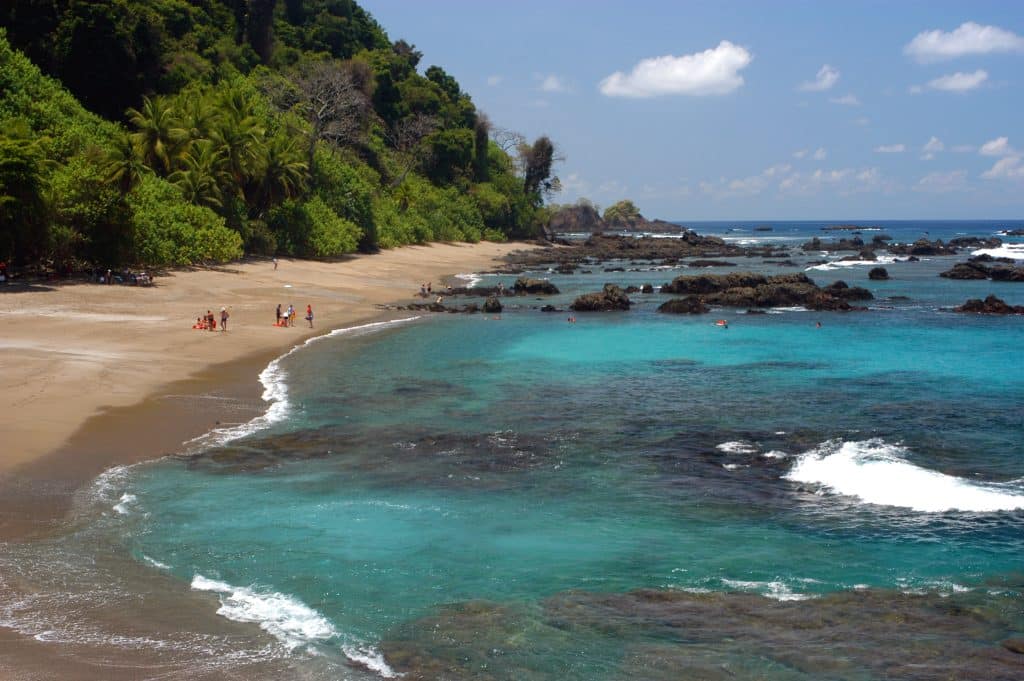
- Caño Island: This small island is famous for diving and snorkeling. The coral reefs host manta rays, turtles, and sometimes reef sharks.
- Piedras Blancas National Park: Located across the Golfo Dulce, this park is less crowded than Corcovado but offers similar wildlife and hiking experiences.
- King Louis Waterfall: A hidden gem near Matapalo, perfect for a refreshing swim after a hot hike.
These sites are less visited but worth adding if you have extra days.
Credit: costaricaexperts.com
Frequently Asked Questions
Is The Osa Peninsula Safe For Travelers?
Yes, the Osa Peninsula is considered safe, especially for nature tourists. However, roads can be rough and remote. Travel with a guide when exploring the jungle, watch for strong ocean currents, and keep valuables secure.
How Do I Get To The Osa Peninsula?
You can fly from San José to Drake Bay or Puerto Jiménez (about 1 hour). Buses and boats are also options, but journeys can be long and bumpy. Car rentals are possible, but a 4×4 is recommended.
When Is The Best Time To Visit?
The dry season (December to April) has the best weather and easier access. The rainy season sees fewer tourists and greener forests, but some roads and tours may be closed due to heavy rain.
What Wildlife Can I See?
The Osa Peninsula is home to jaguars, tapirs, scarlet macaws, sloths, monkeys, and hundreds of bird species. Marine life includes dolphins, whales (seasonal), and sea turtles.
Do I Need A Guide For Corcovado National Park?
Yes, guides are required for all visitors to Corcovado National Park. This helps protect wildlife and ensures your safety. Guides can help you spot animals you might miss alone.
For more details and current travel information, visit the Osa Peninsula Wikipedia page.
The Osa Peninsula stands out for its wild beauty and unmatched biodiversity. Whether you love wildlife, adventure, or peaceful beaches, this region offers something unforgettable. If you want to see Costa Rica at its wildest, make time for the Osa Peninsula.
