
Palawan has earned its place as one of the world’s top island destinations. Tourists from across the globe flock here to see clear turquoise waters, lush forests, and unique limestone cliffs. The island province is famous for its unspoiled beauty, diverse wildlife, and vibrant local culture.
Whether you’re seeking adventure, relaxation, or stunning scenery, Palawan has something for everyone. This guide explores the best tourist places in Palawan—each with its own charm, attractions, and practical tips.
El Nido: Limestone Cliffs And Hidden Lagoons
El Nido is often the first name people hear when talking about Palawan. With dramatic limestone formations, white-sand beaches, and hidden lagoons, El Nido is a must-see.
- Island hopping tours (A, B, C, D) take you to places like Big Lagoon, Small Lagoon, and Secret Beach.
- Snorkeling reveals vibrant coral reefs and tropical fish.
- Kayaking lets you explore peaceful coves.
El Nido is busiest from December to May, when the weather is dry and sunny. If you want fewer crowds, visit in June or July, but expect some rain.
| Popular El Nido Spots | Best Time to Visit | Activity |
|---|---|---|
| Big Lagoon | Dec–May | Kayaking |
| Secret Beach | Dec–May | Snorkeling |
| Shimizu Island | Dec–May | Swimming |
Puerto Princesa: Underground River And Urban Comforts
Puerto Princesa is Palawan’s capital and gateway city. The city is famous for the Puerto Princesa Underground River, a UNESCO World Heritage Site.
- The river stretches 8.2 km and features impressive stalactites and rock formations.
- Tours start with a boat ride into the cave, where guides explain the unique geology and wildlife.
- The city also offers comfortable hotels, restaurants, and shopping.
Puerto Princesa is perfect for travelers who want both nature and convenience. The underground river is best visited in the morning to avoid crowds and enjoy cooler temperatures.
| Puerto Princesa Attraction | Distance from City | Recommended Duration |
|---|---|---|
| Underground River | 80 km | Half-day |
| Honda Bay | 15 km | Full-day |
| Baker’s Hill | 7 km | 1–2 hours |
Credit: philippinetourismusa.com
Coron: Wreck Diving And Scenic Lakes
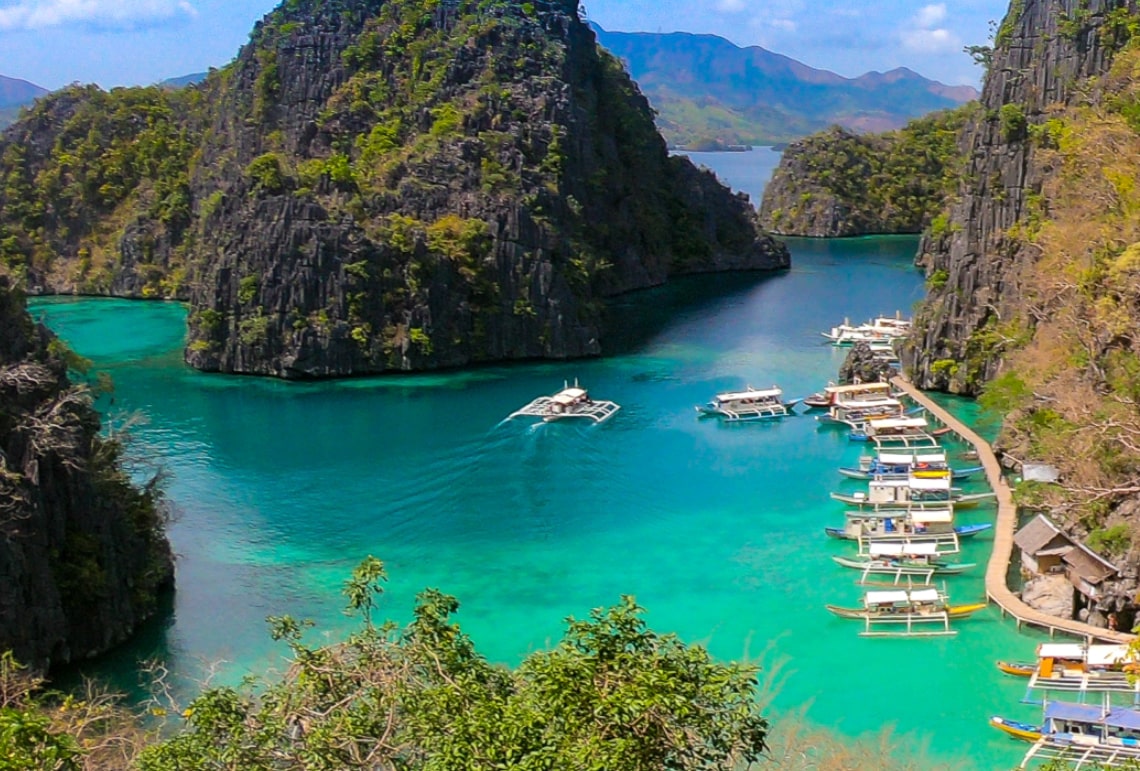
Coron is known for its clear lakes, WWII shipwrecks, and rugged landscapes. It’s ideal for divers and adventure seekers.
- Kayangan Lake is often called the cleanest lake in the Philippines.
- Dive sites include sunken Japanese ships from World War II.
- The Twin Lagoon is famous for its mixture of warm and cold water.
Coron is less crowded than El Nido, making it a favorite for travelers seeking a quieter experience. A typical dive costs around $30–$50, including equipment.
| Coron Highlights | Activity | Approx. Cost |
|---|---|---|
| Kayangan Lake | Swimming | $10 (entrance) |
| WWII Wrecks | Diving | $40 (per dive) |
| Twin Lagoon | Kayaking | $5 (rental) |
Port Barton: Quiet Beaches And Local Vibe
If you want a peaceful place away from crowds, Port Barton is perfect. This small village offers relaxed beaches, friendly locals, and affordable prices.
- Island hopping here includes stops at Exotic Island and German Island.
- Enjoy fresh seafood and simple guesthouses.
Port Barton is less developed than El Nido or Coron, so expect fewer amenities. However, the welcoming atmosphere and beautiful scenery make it a hidden gem.

Credit: www.tripadvisor.com
Tubbataha Reefs: World-class Diving
The Tubbataha Reefs Natural Park is a UNESCO site and one of the world’s top dive spots. Located in the Sulu Sea, it is only accessible by liveaboard boats from March to June.
- The reefs cover over 97,000 hectares.
- Divers see more than 600 species of fish and 360 kinds of coral.
- Sharks, turtles, and manta rays are common here.
Tubbataha is remote and expensive—expect to pay $1,000–$2,000 for a multi-day diving trip. This spot is best for experienced divers looking for untouched underwater beauty.
Tips For Visiting Palawan
- Book tours early, especially in peak season.
- Bring cash—many remote areas don’t have ATMs.
- Use reef-safe sunscreen to protect marine life.
- Respect local customs and wildlife.
- Pack light, as boat trips often have limited space.
One insight many visitors miss: boat schedules can change due to weather. Always ask about backup plans when booking island tours. Another tip: cell signal is weak in remote areas—download maps and guides ahead of time.
Credit: vickyflipfloptravels.com
Frequently Asked Questions
What Is The Best Time To Visit Palawan?
The best time is from December to May, when the weather is dry and sunny. Rainy season runs from June to November, which can affect boat tours and outdoor activities.
Do I Need A Visa To Visit Palawan?
Most tourists from the US, Europe, and ASEAN countries can enter the Philippines visa-free for up to 30 days. Always check the latest rules at the Philippines visa policy before your trip.
Is Palawan Safe For Tourists?
Palawan is generally safe. Most crime is petty theft, so keep an eye on your belongings. Avoid walking alone at night in remote areas and follow local advice.
How Do I Get Around Palawan?
Travel between towns is by van, bus, or boat. Within cities, tricycles (small motorcycles with sidecars) are common and affordable. Always agree on the fare before the ride.
Can I Use Credit Cards In Palawan?
Credit cards are accepted in larger hotels and restaurants, mostly in Puerto Princesa and El Nido. In small villages and island tours, cash is required. Bring enough local currency for your trip.
Palawan is a treasure for any traveler. From dramatic cliffs to world-class reefs, every corner offers a new experience. Whether you’re seeking adventure or relaxation, Palawan’s tourist places promise unforgettable memories. Plan your trip, respect nature, and enjoy the wonder of this Philippine paradise.
