
Siem Reap is more than just the gateway to Angkor Wat. This vibrant Cambodian city is packed with history, culture, and unique experiences. Whether you love ancient temples, lively markets, or natural wonders, Siem Reap offers something special for every traveler.
Here’s a guide to the best tourist places you should not miss during your visit.
Angkor Wat And The Angkor Archaeological Park
No trip to Siem Reap is complete without seeing Angkor Wat. This massive temple complex is one of the world’s great wonders, built in the early 12th century. Its stunning towers and detailed carvings attract over two million visitors each year.
But Angkor Wat is just one part of the Angkor Archaeological Park. The park covers more than 400 square kilometers and includes dozens of ancient temples. Popular sites include:
- Bayon Temple: Famous for its smiling stone faces.
- Ta Prohm: Known for trees growing out of the ruins, made famous by the Tomb Raider movie.
- Banteay Srei: Smaller but with incredibly detailed pink sandstone carvings.
You can explore these temples by tuk-tuk, bicycle, or even hot air balloon. Most travelers find one day is not enough for the main sites. Consider a three-day pass for a deeper experience.
| Temple | Main Feature | Distance from Siem Reap |
|---|---|---|
| Angkor Wat | Largest religious monument | 6 km |
| Bayon | Smiling stone faces | 7 km |
| Ta Prohm | Jungle-covered ruins | 8 km |
| Banteay Srei | Detailed pink carvings | 25 km |
Insider tip: Arrive at Angkor Wat before sunrise for cooler weather and magical photos.
Tonle Sap Lake And Floating Villages
Just a short drive from Siem Reap, you’ll find Tonle Sap Lake, Southeast Asia’s largest freshwater lake. It is famous for its floating villages, where homes, schools, and markets rest on the water.
The most visited village is Kompong Phluk. Here, you can take a boat tour to see daily life on the lake. The best time to visit is during the rainy season (June–October) when the water level is high.
Another option is Chong Khneas, closer to the city, but often more crowded and less authentic. For a quieter experience, try Mechrey Village.
| Village | Distance from Siem Reap | Best Time to Visit |
|---|---|---|
| Kompong Phluk | 16 km | June–October |
| Chong Khneas | 11 km | June–October |
| Mechrey | 25 km | June–October |
Practical advice: Bring sunscreen and insect repellent, especially during sunset boat trips.
Credit: aworldtolive.com
Pub Street And Siem Reap Nightlife
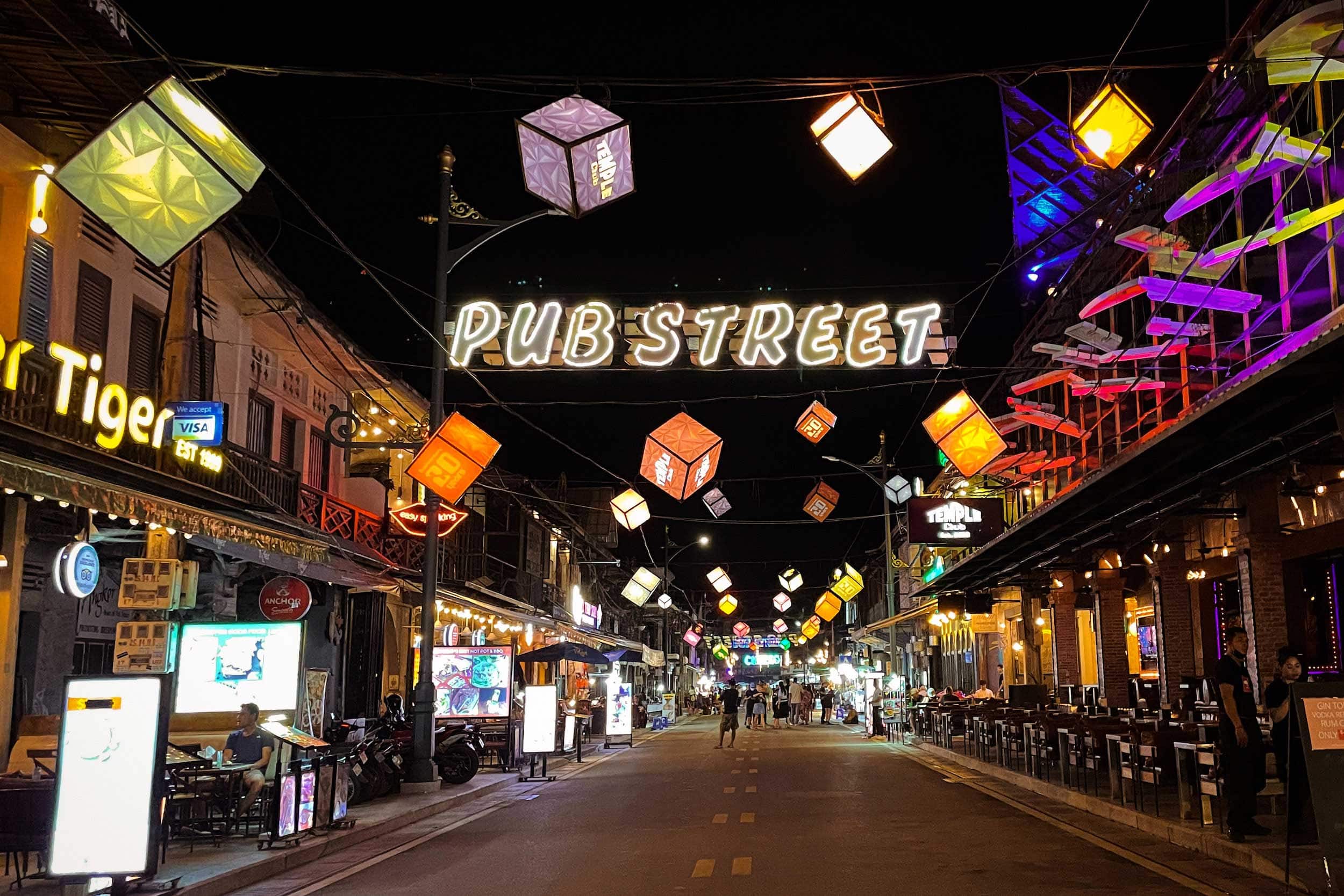
When the sun goes down, Pub Street comes alive. This area is the heart of Siem Reap’s nightlife, full of bars, restaurants, and street food stalls. It’s a great place to try Khmer cuisine or enjoy live music.
Highlights include:
- Angkor What? Bar: Popular with backpackers, known for its party atmosphere.
- Red Piano: Famous for cocktails and a relaxed vibe.
- Street food stalls: Try local snacks like fried insects or banana pancakes.
Prices are affordable, and the area is safe for tourists. Just keep an eye on your belongings in the crowds.
Artisans Angkor And Local Markets
If you want to understand Cambodia’s traditional crafts, visit Artisans Angkor. This workshop trains young people in wood carving, silk painting, and stone sculpture. You can see artisans at work and buy unique souvenirs.
Siem Reap also has lively markets:
- Old Market (Phsar Chas): Great for fresh fruits, spices, and cheap clothes.
- Made in Cambodia Market: Focuses on locally produced crafts and eco-friendly goods.
Non-obvious insight: Many tourists skip the workshops, but watching the artists gives you a deeper connection to Cambodian culture.
Cambodia Landmine Museum
Siem Reap’s history is not only about ancient temples. The Cambodia Landmine Museum tells the story of the country’s dark past and efforts to clear landmines. Founded by former child soldier Aki Ra, the museum explains the dangers that still exist today.
The displays are educational and suitable for all ages. Visiting this museum helps support local demining projects.
Phnom Kulen National Park
If you want a break from temples, head to Phnom Kulen National Park. This mountain area is about 50 kilometers from Siem Reap. It’s famous for its waterfalls, jungle trails, and ancient carvings in the riverbed known as Kbal Spean or the “River of a Thousand Lingas.”
Many locals visit Phnom Kulen for religious reasons, as it is considered the birthplace of the ancient Khmer Empire.
| Attraction | Main Highlight | Entrance Fee (USD) |
|---|---|---|
| Kulen Waterfall | Swimming, picnic | 20 |
| Kbal Spean | River carvings | Included |
| Preah Ang Thom | Reclining Buddha | Included |
Useful tip: Roads to Phnom Kulen can be rough. A car or guided tour is safer than a motorbike for most visitors.
Credit: www.withlocals.com
Practical Travel Tips For Siem Reap
- Best time to visit: November to February, when weather is cool and dry.
- Currency: US dollars are widely accepted.
- Dress code: Wear modest clothing when visiting temples—shoulders and knees covered.
- Getting around: Tuk-tuks are cheap and easy. Agree on the price before your ride.
- Tickets: Buy Angkor temple passes only at the official ticket office.
Non-obvious insight: Siem Reap is much safer than many people expect, but always drink bottled water and keep valuables close.
Frequently Asked Questions
What Is The Best Time To Visit Siem Reap?
The best months are November to February when temperatures are cooler (around 25°C–30°C) and rainfall is low. This makes exploring temples and outdoor attractions more comfortable.
How Many Days Should I Spend In Siem Reap?
Most travelers spend 3 to 4 days. This allows time to explore Angkor Wat, visit floating villages, enjoy nightlife, and see museums or national parks.
Is Angkor Wat Open Every Day?
Yes, Angkor Wat is open daily, usually from 5:00 AM to 5:30 PM. Sunrise is very popular, so arrive early for the best experience.
Are Floating Villages Worth Visiting?
Yes, if you choose the right village like Kompong Phluk. You’ll see unique floating homes, schools, and markets. Avoid the most touristy areas for a more authentic experience.
Where Can I Learn More About Cambodia’s History?
Visit the Cambodia Landmine Museum for modern history, or the Angkor National Museum for ancient Khmer culture. For more details, see the Siem Reap Wikipedia page.
Siem Reap is a city that blends ancient wonders with vibrant local life. Each attraction adds a new layer to your journey, from sunrise at Angkor Wat to sunset on Tonle Sap Lake. If you plan well and keep an open mind, you’ll discover why so many travelers fall in love with this Cambodian gem.

Credit: www.cktravels.com
