
Big Cypress: Discovering Adventure In Florida’s Wild Heart
Florida is famous for beaches and theme parks, but there’s a hidden world waiting for explorers: Big Cypress National Preserve. This massive stretch of wilderness covers over 720,000 acres in South Florida. It sits just north of Everglades National Park and offers a unique blend of swamp, forest, and wildlife. If you love adventure, nature, or quiet moments away from crowds, Big Cypress is a must-see.
What Makes Big Cypress Special
Big Cypress is not just another park. Its landscape is a mix of cypress swamps, pine forests, and open prairies. The preserve protects the water flow to the Everglades, making it vital for Florida’s environment. It’s home to rare animals like the Florida panther, alligator, and over 200 species of birds. Visitors can explore by car, foot, bike, or even swamp buggy.
Unique Ecosystems
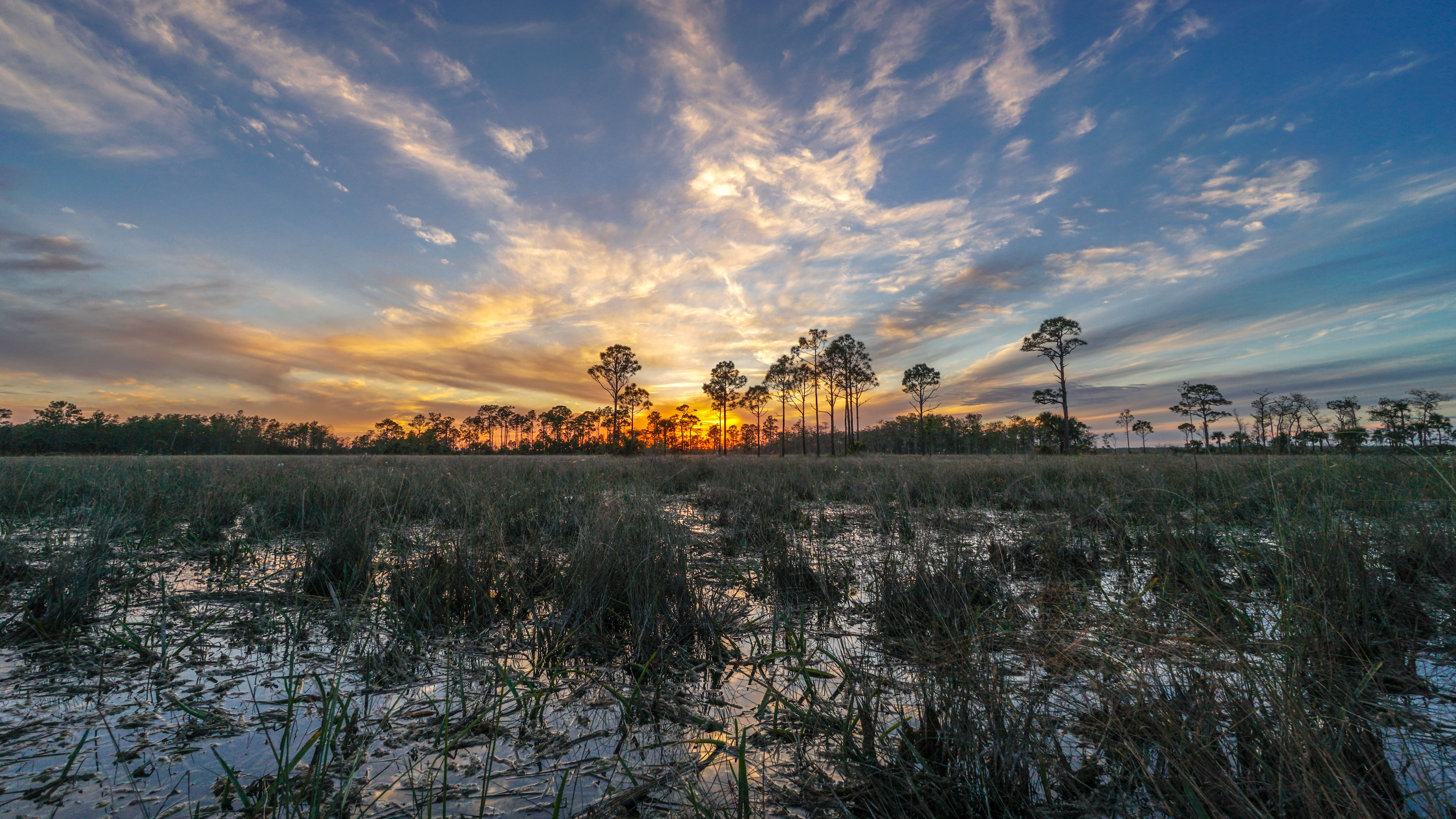
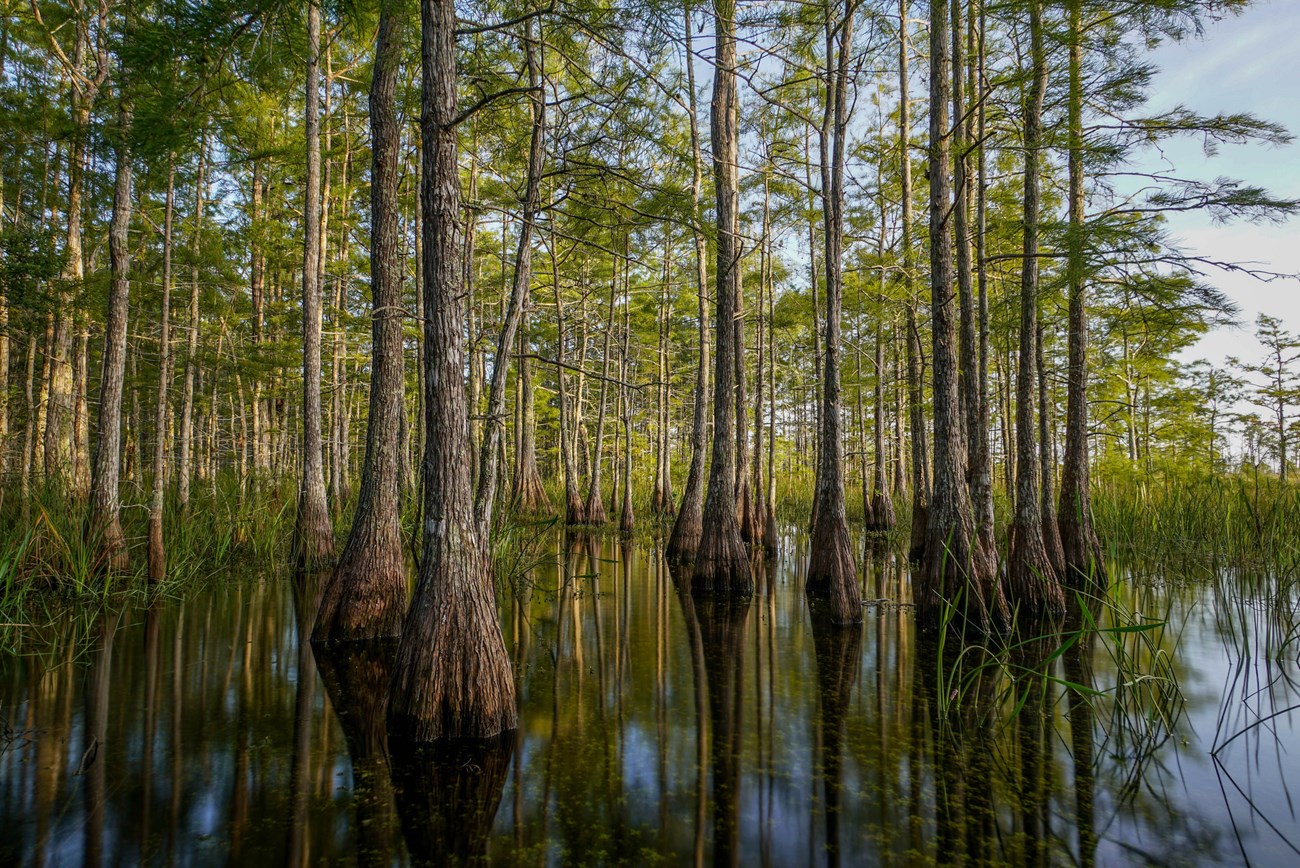
Big Cypress is famous for its cypress trees, which thrive in waterlogged soil. The swamps are beautiful, especially during sunrise or sunset when the light filters through the trees. You’ll also find sawgrass prairies and pinelands—each area with its own plants and animals.
| Ecosystem | Main Features | Typical Wildlife |
|---|---|---|
| Cypress Swamp | Wetlands, tall cypress trees | Alligators, turtles, wading birds |
| Pine Forest | Dry, sandy soil, pine trees | Deer, woodpeckers, snakes |
| Sawgrass Prairie | Open, grassy, seasonal flooding | Birds, frogs, insects |
Top Things To Do In Big Cypress
Big Cypress offers something for every visitor. Whether you want a quiet walk or a wild adventure, you’ll find it here.
1. Scenic Drives
The Loop Road Scenic Drive is a 24-mile route through the heart of the preserve. You’ll see swamps, birds, and maybe even alligators sunning themselves. The Tamiami Trail (US Highway 41) also passes through Big Cypress, giving easy access to popular spots.
2. Hiking Trails
There are several well-marked trails for hikers. The Florida Trail stretches for miles through the preserve, but you don’t need to hike the whole thing. The Gator Hook Trail is a 4-mile trek through swampy areas—bring waterproof boots! The Kirby Storter Boardwalk is a shorter, easier walk that’s perfect for families.
3. Wildlife Viewing
Big Cypress is a wildlife paradise. Look for manatees in the canals, otters playing in the water, or the rare Florida panther (if you’re very lucky). Birdwatchers can spot herons, ibises, and even roseate spoonbills. Early morning and late afternoon are the best times for sightings.
4. Ranger-led Tours
Rangers offer guided walks and talks. These are great for learning about the area’s history, plants, and animals. Some tours go deep into the swamp, while others focus on birdwatching or photography.
5. Swamp Buggy And Off-road Adventures
For something different, try a swamp buggy tour. These high-riding vehicles travel over water and mud, giving you access to parts of the preserve most people never see. Some operators also offer airboat rides—fast, noisy, and fun.
6. Canoeing And Kayaking
The preserve has several waterways perfect for paddling. The Turner River is a popular route for beginners and experts alike. You’ll glide past cypress knees and see turtles and birds close up.
7. Camping
There are both developed and backcountry campsites. The Midway Campground offers restrooms and RV hookups. For a real wilderness experience, try backcountry camping—just be sure to get a permit and follow safety rules.
8. Photography
Big Cypress is a dream for photographers. Misty mornings, dramatic skies, and wildlife make for amazing shots. The Big Cypress Gallery near the preserve features the work of famous nature photographer Clyde Butcher.
Credit: www.nps.gov
Tourist Attractions And Key Sites
Some locations in Big Cypress are especially popular with tourists. Here are a few you shouldn’t miss:
Oasis Visitor Center
This is the main information hub. You can pick up maps, ask questions, and see displays about the park’s wildlife. There’s a boardwalk here where you can almost always spot alligators.
Big Cypress Gallery
Run by Clyde Butcher, this gallery shows beautiful images of the preserve. It’s also a starting point for guided photo walks.
Monument Lake
A favorite for campers and birdwatchers. The lake is quiet, but you’ll see plenty of wildlife.
Turner River Canoe Trail
Perfect for paddlers. The trail takes you through narrow waterways and open marshes.
Everglades City
Just outside Big Cypress, this small town has boat tours and local seafood restaurants. It’s a good base for exploring both Big Cypress and the Everglades.
| Attraction | Activity Type | Distance from Oasis Visitor Center |
|---|---|---|
| Big Cypress Gallery | Photography, Art | 8 miles |
| Monument Lake | Camping, Wildlife | 12 miles |
| Turner River Trail | Canoeing, Kayaking | 15 miles |
| Everglades City | Boat Tours, Dining | 20 miles |
Practical Tips For Visiting
- Bring bug spray: Mosquitoes are common, especially in summer.
- Wear waterproof boots: Some trails are wet all year.
- Check weather conditions: Heavy rain can flood roads and trails.
- Get permits for camping or off-road vehicles.
- Visit in winter: Cooler temperatures and fewer bugs.
Many visitors forget that cell phone service is limited in some parts. Always let someone know your plans before heading out.
Another non-obvious tip: The preserve is open 24/7, but ranger stations and visitor centers close early. Plan ahead if you need help or information.

Credit: clydebutcher.com
Comparing Big Cypress With Everglades National Park
Big Cypress and the Everglades share some features, but each has its own character.
| Feature | Big Cypress | Everglades |
|---|---|---|
| Size | 720,000 acres | 1.5 million acres |
| Main Ecosystem | Cypress swamp | Marsh, sawgrass prairie |
| Wildlife | Panther, alligator, birds | Manatee, crocodile, birds |
| Activities | Hiking, camping, buggy tours | Boating, hiking, ranger tours |
Frequently Asked Questions
Is Big Cypress National Preserve Safe To Visit?
Yes, it’s safe if you follow rules and stay on marked trails. Watch for wildlife and keep your distance from alligators.
What Is The Best Time Of Year To Visit?
Winter (November to April) is best. The weather is cooler and there are fewer mosquitoes.
Can I See The Florida Panther?
Panthers are rare and shy. You might see tracks, but spotting a panther is uncommon.
Are There Entrance Fees?
No, entry to Big Cypress is free. Some activities like camping or tours may have extra costs.
Where Can I Find More Information?
Visit the official site: National Park Service for maps, updates, and safety tips.
Big Cypress National Preserve is a place of adventure, quiet beauty, and wild Florida. Whether you want to hike, paddle, or simply enjoy nature, you’ll find something unforgettable here. Plan your visit, respect the land, and enjoy every moment.
Credit: www.nps.gov
