
Buck Island Reef: Ultimate Guide to Things to Do and Top Attractions
If you dream of clear turquoise waters and colorful coral, Buck Island Reef is a place you shouldn’t miss. Located just 1.5 miles off the coast of St. Croix in the U.S. Virgin Islands, this national monument is famous for its untouched beauty and rich marine life. Travelers from around the world come here for adventure, relaxation, and a chance to see one of the Caribbean’s most vibrant underwater parks. Whether you love snorkeling, hiking, or simply want to unwind on a perfect beach, Buck Island offers something unforgettable for every visitor.
Why Visit Buck Island Reef?
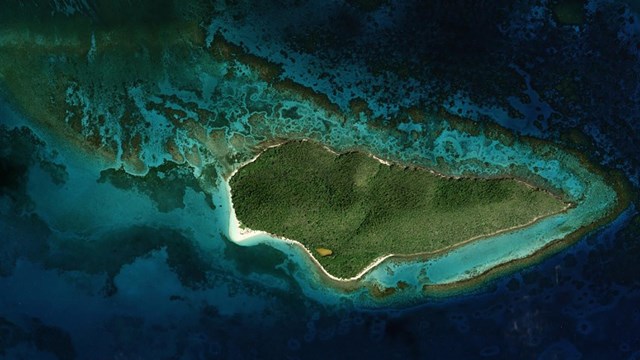
Buck Island Reef is more than just a small island. It is a protected national monument covering 176 acres of land and 18,839 acres of underwater habitat. The U.S. government has protected this area since 1961 to keep its unique natural environment safe.
What Makes Buck Island Special?
- Pristine coral reef system: Home to over 250 species of fish and many types of coral.
- Endangered species: Green sea turtles, brown pelicans, and elkhorn coral find shelter here.
- Unspoiled beaches: Some of the most beautiful in the Caribbean.
Its popularity is also due to its strict conservation rules. Only a limited number of visitors can visit each day, which keeps the island clean and the underwater world healthy.
Top Things To Do At Buck Island Reef
There’s more to Buck Island than just swimming. Here are the most popular activities, with tips to make the most of your visit.
1. Snorkeling The Underwater Trail
Buck Island’s main attraction is its famous underwater snorkeling trail. This marked path takes you through the heart of the coral reef, with underwater signs explaining what you see.
Highlights:
- See brain coral, sea fans, and schools of blue tang.
- Spot parrotfish, angelfish, and sometimes even nurse sharks.
- Clear, shallow waters make it perfect for beginners and children.
Most tours provide snorkeling gear and basic lessons. To protect the reef, never touch the coral or stand on it—damaged corals can take years to recover.
2. Exploring Turtle Beach
Turtle Beach on the west side of Buck Island is often called one of the world’s most beautiful beaches. Its white sand and calm waters are ideal for relaxing after snorkeling.
What to do:
- Swim in gentle waves.
- Walk along the quiet shore.
- Look for nesting sea turtles (in the right season, usually spring and summer).
There are no shops or hotels on Buck Island, so bring your own water, snacks, and sun protection.
3. Hiking The Nature Trail
A short hiking trail leads from the beach up to the island’s hilltop lookout. The path is less than half a mile but offers great views.
What you’ll see:
- Native plants like cactus and wild orchids.
- Lizards, birds, and sometimes hermit crabs.
- A panoramic view of the surrounding Caribbean Sea.
Wear sturdy shoes, as the path can be rocky.
4. Scuba Diving
Experienced divers can explore deeper parts of the reef, where the coral is especially healthy. Several dive operators in St. Croix offer trips to Buck Island.
You might encounter:
- Barracuda, rays, and colorful reef fish.
- Underwater tunnels and caves.
- Larger coral heads, untouched by waves.
Check with local dive shops for rules and safety requirements.

Credit: www.gotostcroix.com
Comparing Tour Options
Most visitors reach Buck Island by guided tour. Here’s a quick comparison of the main types of tours available:
| Tour Type | Duration | What’s Included | Best For |
|---|---|---|---|
| Half-Day Snorkel | 3–4 hours | Snorkeling gear, guide, drinks | Families, first-time visitors |
| Full-Day Adventure | 6–8 hours | Lunch, multiple stops, hiking | Active travelers |
| Private Charter | Flexible | Custom itinerary | Groups, special occasions |
Tours usually leave from Christiansted and fill up quickly in high season. Book early, especially during holidays.
Wildlife And Nature At Buck Island
Buck Island is a sanctuary for both land and sea creatures. Visitors often see:
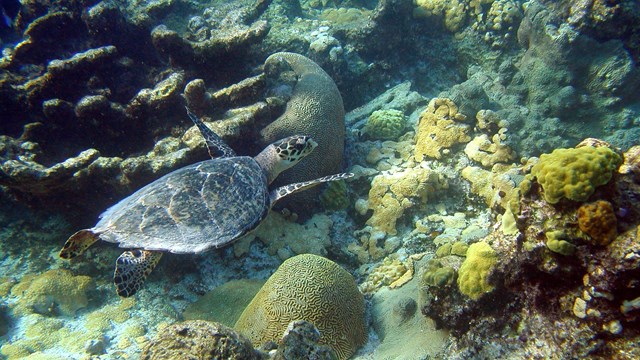
- Sea turtles: Especially green and hawksbill turtles.
- Tropical fish: Blue tangs, wrasses, and sergeant majors.
- Birds: Brown pelicans, ospreys, and frigatebirds.
The coral reef is the real star, with colorful sponges and hard corals creating a thriving ecosystem. Some days, you may spot dolphins or rays gliding through the water.
Fun Fact
Over 50,000 people visit Buck Island each year, but you can still find quiet spots thanks to visitor limits.
Credit: www.nps.gov
Tips For A Great Visit
A few practical tips will help you enjoy your time at Buck Island:
- Bring reef-safe sunscreen: Regular sunscreen can harm corals.
- Pack water and snacks: There are no shops on the island.
- Wear a rash guard: It protects from sun and jellyfish.
- Respect wildlife: Keep a safe distance from animals.
If you want more information on the park’s rules and conservation efforts, the National Park Service has helpful guidelines.
Weather And Best Time To Visit
The weather is warm year-round, with temperatures between 77°F and 88°F. The dry season from December to May is the most popular time. Hurricane season runs from June to November, so check forecasts before planning your trip.
| Month | Avg. High Temp (°F) | Rainfall (inches) | Visitor Level |
|---|---|---|---|
| Jan–Mar | 80–83 | 1.5–2.5 | High |
| Apr–Aug | 84–88 | 2–3 | Medium |
| Sep–Dec | 77–85 | 2.5–4 | Lower |
Credit: www.nps.gov
Hidden Gems And Insider Tips
Many visitors miss these less-known experiences:
- East side snorkeling: The east side has fewer people and larger coral heads.
- Early morning tours: The water is calmer, and wildlife is more active.
- Night snorkeling: Some tours offer this unique trip—see the reef come alive after dark.
Don’t rush your trip—spending a full day allows you to enjoy both the beach and the reef.
Park Rules And Conservation
Buck Island Reef is a national monument, so strict rules protect its natural beauty:
- No fishing, collecting shells, or taking coral.
- Boats must use mooring buoys, not anchors.
- No camping or fires allowed.
These rules help protect the delicate ecosystem for future generations. Learn more about the park’s history and ongoing conservation at the National Park Service.
Frequently Asked Questions
How Do I Get To Buck Island Reef?
You can only reach Buck Island by boat, usually on a guided tour from Christiansted on St. Croix.
Is Buck Island Good For Kids?
Yes, the shallow snorkeling trail and calm beach make it ideal for families. Children should always wear life jackets.
Can I Visit Buck Island Without A Tour?
Private boats can visit, but must get a permit and follow strict rules. Most visitors prefer organized tours for convenience.
What Should I Bring To Buck Island?
Bring water, snacks, reef-safe sunscreen, a hat, sunglasses, and a rash guard. Don’t forget your camera for underwater photos.
Are There Bathrooms Or Shops On The Island?
No, Buck Island is undeveloped. Plan to use the restroom before you leave St. Croix and bring everything you need.
Buck Island Reef is a rare Caribbean treasure—unspoiled, full of life, and packed with adventure. Plan ahead, respect the rules, and you’ll have an experience that stays with you forever.
