
Camping in Bear Country: The Complete Guide to Safety, Preparation, and Enjoyment
Camping can be one of the most rewarding ways to enjoy nature. But when your campsite is in bear country, the adventure comes with extra challenges. Many campers feel nervous about bears, and with good reason. North America is home to millions of bears, and each year there are a few encounters between bears and people. Still, most risks can be managed with smart planning and careful behavior. This article will guide you step-by-step through the essentials: understanding bear behavior, preparing your trip, setting up camp, cooking safely, handling waste, and what to do if you meet a bear. Whether you are a beginner or already have camping experience, you’ll find practical advice and examples to help you feel confident and safe.
Understanding Bear Behavior
Bears are powerful animals, but they rarely seek conflict with humans. Knowing how bears think and act will help you avoid problems and stay safe.
Types Of Bears In North America
There are three main bear species in North America:
- Black Bears: Found across most forests, mountains, and even some deserts. They are smaller (100–400 lbs), usually shy, and prefer to avoid people.
- Grizzly Bears (Brown Bears): Mostly live in Alaska, western Canada, and the Rocky Mountains. They are larger (up to 900 lbs) and can be more aggressive if surprised.
- Polar Bears: Found only in the far north. Camping near polar bears is rare and requires special planning.
Each species has unique habits, but most bear encounters happen with black bears or grizzlies.
Why Bears Approach Campsites
Bears have a strong sense of smell. They can smell food and garbage from over a mile away. When bears find food near campsites, they may return again and again. Bears that get used to people and food can become dangerous.
Seasonal Bear Activity
Bears are most active in spring, summer, and fall. In winter, they hibernate. In late summer and fall, bears eat as much as possible to prepare for winter (called hyperphagia). During this time, they are especially eager to find food.
Non-obvious Insights
- Bears are curious, not just hungry. Even items like toothpaste, sunscreen, or scented clothing can attract them.
- Bears often travel at night or dawn when campsites are quiet. Many campers wrongly think bears only visit during the day.
Preparing For Your Trip
Preparation is the key to safe and enjoyable camping in bear country. You need to plan your gear, food, and campsite carefully.
Research Your Location
Before you go, check if bears live in the area. Visit official park websites or ranger stations for recent bear activity reports. Some parks post maps showing bear hotspots.
Essential Gear
Bring gear specifically designed for bear country:
- Bear-proof food containers: Hard-sided containers or bear canisters are required in many parks.
- Bear spray: A special pepper spray that can deter aggressive bears. Learn how to use it before your trip.
- Cooking equipment: Choose lightweight, easy-to-clean tools.
- Rope and carabiners: For hanging food if bear canisters aren’t allowed.
- First aid kit: Always include supplies for small injuries.
Clothing And Personal Items
Avoid packing scented items like perfume, deodorant, and snacks in pockets. Bears can smell these from far away. Wear clean clothes and store dirty laundry in sealed bags.
Food Planning
Plan meals that require minimal cooking and produce little waste. Avoid strong-smelling foods like bacon, fish, or spicy sauces.
Informing Others
Tell friends or family your trip details: location, dates, and emergency contacts. Many parks require campers to register before entering bear areas.

Credit: bearwise.org
Setting Up Camp
Where you set up your campsite affects your safety and comfort. Follow these guidelines to reduce bear risks.
Choose Your Campsite Wisely
- Set up at least 100 yards from water sources, trails, and berry bushes.
- Avoid animal trails or spots with bear tracks, scat, or claw marks.
- If possible, use designated campsites with bear-proof food storage.
Camp Layout
Organize your campsite in three distinct areas:
- Sleeping area: Where you pitch your tent.
- Cooking area: At least 100 feet from the tent.
- Food storage area: Separate from both tent and cooking spot.
This triangle layout helps keep bears away from your sleeping spot.
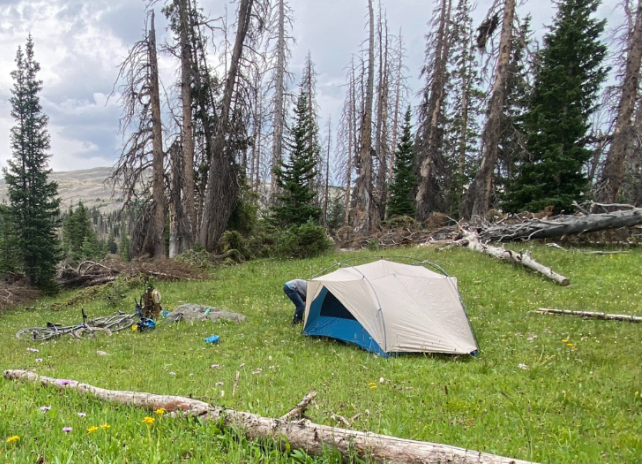
Tent Safety
- Keep your tent clean. Never store food or anything scented inside.
- Use tents with strong zippers and avoid leaving them open.
Camp Setup Example
Imagine you arrive at a forested park in Montana. You find a flat spot away from water and berry bushes. You set up your tent, then move 100 feet away to cook dinner. Your food is stored in a bear canister another 100 feet away.
This setup gives you three safe zones and reduces bear attraction.
Food Storage And Cooking
Food is the biggest reason bears come to campsites. Storing and handling food properly is vital.
Bear-proof Containers Vs. Hanging Food
Many parks require bear canisters. These are tough, sealed containers that bears can’t open. If canisters aren’t allowed, you can hang food from a tree.
Here’s a comparison of the two methods:
| Method | Pros | Cons |
|---|---|---|
| Bear Canister | Easy to use, reliable, approved in most parks | Heavier, takes up pack space |
| Hanging Food | Lighter, flexible | Difficult to set up, not allowed in all parks, some bears can defeat it |
Hanging Food Properly
If you hang food, follow the “counterbalance” method:
- Find a branch at least 15 feet high and 6 feet from the trunk.
- Tie food bags securely.
- Use a rope to toss over the branch, then pull up bags so they hang high and away from the trunk.
Cooking Safety
- Cook 100 feet from your tent.
- Clean all cooking items right after use.
- Never leave food unattended.
- Use unscented soap for cleaning.
Cleaning Up
After meals, wash dishes, wipe surfaces, and pack food scraps in sealed bags. Even small crumbs can attract bears.
Non-obvious Insight
- Many campers forget that spilled drinks, leftover grease, and even water used for cleaning dishes can attract bears. Always dispose of wastewater far from camp.
Waste Management
Proper waste management is as important as food storage.
Trash Handling
- Store trash in bear-proof containers.
- Never bury or burn trash. Bears can dig or smell buried waste.
- Pack all trash out with you.
Toileting
Use established toilets if available. If not, dig a small hole (6–8 inches deep, 200 feet from water and camp) for waste. Cover the hole when finished.
Scented Products
Store toothpaste, soap, sunscreen, and other scented items with your food. Even non-food items can attract bears.
Data Table: Waste Risks
Here’s a summary of common waste items and their risk levels:
| Item | Bear Attraction Risk |
|---|---|
| Food scraps | High |
| Trash | High |
| Toothpaste | Medium |
| Sunscreen | Low |
| Dirty dishwater | Medium |
Extra Tip
- Many campers don’t realize that even wrappers, cans, and bottles that seem empty can still smell like food to bears.
Nighttime Safety
Bears often move at night when campsites are quiet. Protect yourself and your camp after dark.
Secure All Items
Before bed, double-check that all food, trash, and scented items are stored in bear-proof containers. Clean up cooking areas and pack away utensils.
Tent Safety
- Keep your tent zipped at all times.
- Never eat or store food in the tent.
- Sleep in clean clothes, separate from what you cooked in.
Camp Perimeter
Some campers tie bells or use motion lights around camp, but these are not always effective. The best defense is proper storage and cleanliness.
Non-obvious Insight
- Bears can be attracted by the smell of campfire ashes, especially if food or grease was spilled. Always clean up fire rings before sleeping.
Credit: wgfd.wyo.gov
Hiking And Activities Around Camp
Moving safely in bear country means more than just camping. Hiking, fishing, and other activities can expose you to bears.
Traveling In Groups
Hiking with others is safer. Groups of four or more are much less likely to be attacked by bears.
Making Noise
Talk, sing, or clap regularly. Noise tells bears you are coming and gives them a chance to move away.
Carry Bear Spray
Keep bear spray accessible, not packed away. Learn to use it quickly.
Watch For Signs
Look for tracks, scat, or scratched trees. If you see fresh signs, leave the area.
Safe Fishing And Cooking
Clean fish away from camp and store fish remains in bear-proof containers. Never leave bait or fish scraps on the ground.
What To Do If You See A Bear
Even with careful planning, you may encounter a bear. Knowing how to react can save your life.
If You Spot A Bear At A Distance
- Stay calm.
- Do not run.
- Speak calmly to let the bear know you are human.
- Slowly back away.
If A Bear Approaches
- Stand your ground.
- Make yourself look bigger by raising arms.
- Speak firmly.
- Use bear spray if the bear comes within 30 feet.
If A Bear Charges
Most charges are bluff. Stand firm, use bear spray, and do not run.
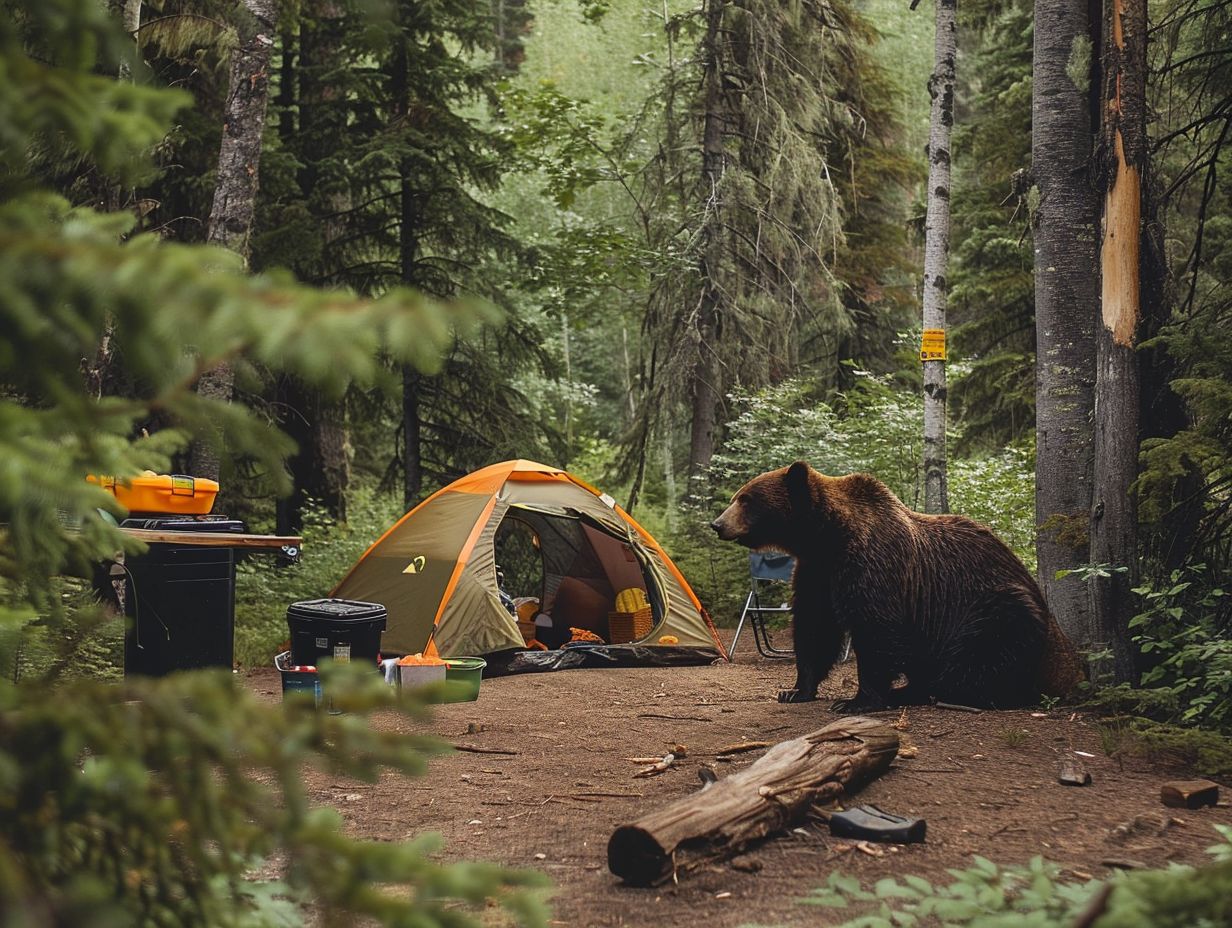
If A Bear Enters Camp
- Do not approach or yell.
- Leave the area quietly.
- Report the encounter to park authorities.
Defensive Vs. Predatory Bears
- Defensive bears: Usually protecting cubs or food. Back away slowly.
- Predatory bears: May stalk or follow you. Fight back with bear spray or anything available.
Bear Spray: Using It Effectively
Bear spray is the most effective tool for stopping an aggressive bear.
How Bear Spray Works
Bear spray is a high-powered pepper spray. It creates a cloud that irritates the bear’s nose, eyes, and lungs.
Steps To Use Bear Spray
- Remove safety cap.
- Aim slightly downward (bears have low eyes).
- Spray when bear is within 30 feet.
- Spray until the bear leaves.
Storage And Safety
- Keep bear spray in a holster, not inside your pack.
- Check expiration date before your trip.
- Practice removing the cap and aiming.
Comparison Table: Bear Spray Vs. Firearms
| Tool | Effectiveness | Ease of Use | Legal Issues |
|---|---|---|---|
| Bear Spray | Very high | Easy | Legal in most parks |
| Firearms | Mixed | Difficult | Often restricted |
Extra Tip
- Many campers think bear spray works like bug spray. It does not. Never spray it on yourself, tents, or gear.
Common Mistakes Campers Make
Learning from others’ mistakes can save you trouble.
- Leaving food in tents: Bears can tear through tents easily.
- Improper food hanging: If bags are too low or close to tree trunks, bears can reach them.
- Cooking near sleeping area: Smells linger and attract bears.
- Ignoring bear signs: Fresh tracks or scat mean bears are close.
- Not packing out trash: Even a single wrapper can attract bears.
- Overconfidence: Assuming bears won’t visit because you haven’t seen them before.
Non-obvious Insight
- Some campers use scented candles or air fresheners to mask food odors, but these can attract bears even more.
Real-life Examples
Hearing about real incidents can help you prepare.
- In 2021, a group in Yellowstone left food scraps in their tent. A black bear entered at night and damaged gear. Luckily, no one was hurt.
- In Glacier National Park, hikers saw bear tracks near their camp but stayed anyway. That night, a grizzly visited. The group used bear spray, and the bear left.
- In 2019, campers in Alaska cooked fish and left grease near the fire. A bear was attracted and destroyed their cooking area.
These stories show how small mistakes can lead to big problems.
Local Regulations And Resources
Different parks have different rules for camping in bear country.
- Many require bear canisters or food lockers.
- Some ban food hanging due to clever bears.
- Most require campers to report bear sightings.
Always check local regulations before your trip. The National Park Service provides up-to-date information on bear safety and rules. For more details, visit the National Park Service Bear Safety website.
Credit: theexpertcamper.co.uk
Enjoying Bear Country Safely
Camping in bear country is not just about avoiding bears. It’s about enjoying nature responsibly.
- Follow all safety steps and keep your camp clean.
- Respect bears as part of the environment.
- Take photos from a distance, never approach wildlife.
When you camp with care, you help keep both people and bears safe. You also protect future campers and preserve wild spaces.
Frequently Asked Questions
What Should I Do If A Bear Comes To My Campsite?
Stay calm, do not approach or yell. Leave the area quietly and report the incident to park authorities. Never try to chase away a bear.
How Do I Store Food In Bear Country?
Use bear-proof containers or hang food properly from a tree branch. Keep all food and scented items away from your tent and cooking area.
Is Bear Spray Really Effective?
Yes, bear spray is the most effective non-lethal tool for stopping aggressive bears. Use it as directed and keep it accessible at all times.
Can I Cook In My Tent?
No, never cook in your tent or store food inside. Cooking smells can linger and attract bears even hours later.
What Are The Signs That Bears Are Near?
Look for tracks, scat, scratched trees, or overturned logs. If you see fresh signs, move campsites or leave the area.
Camping in bear country can be safe and enjoyable when you understand bears, prepare well, and follow proven safety steps. With the right attitude and careful habits, you’ll make memories that last—and help protect these amazing animals for future generations.
