
Camping trips often bring a sense of freedom and adventure. But behind every cozy campfire meal or hot cup of coffee is a simple, often-overlooked question: How long does a camping propane tank last? Whether you’re a weekend camper, a backpacking enthusiast, or planning a family RV trip, knowing how long your propane will last is essential. This knowledge means you can avoid cold meals, unfinished coffee, and unnecessary stress in the wild. Let’s dive into the details and find out how to plan your propane needs with confidence.
Understanding Camping Propane Tanks
Before discussing how long a tank lasts, it’s important to know what you’re working with. Camping propane tanks come in a few common sizes and types. The most popular for portable camping stoves and lanterns is the 1-pound disposable cylinder. But you’ll also see 5-pound, 11-pound, and 20-pound refillable tanks for larger setups like grills or heaters.
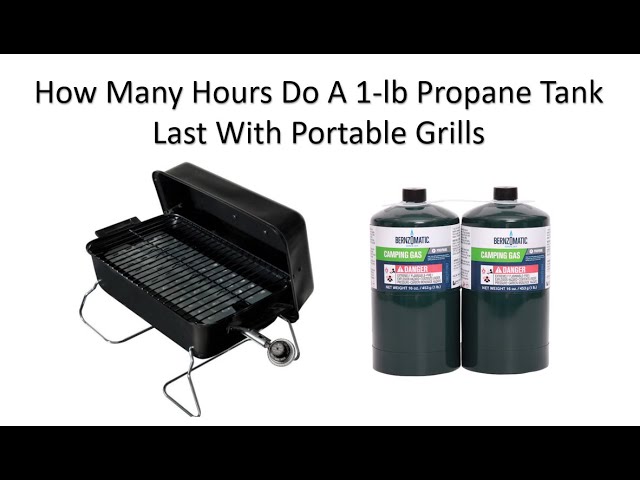
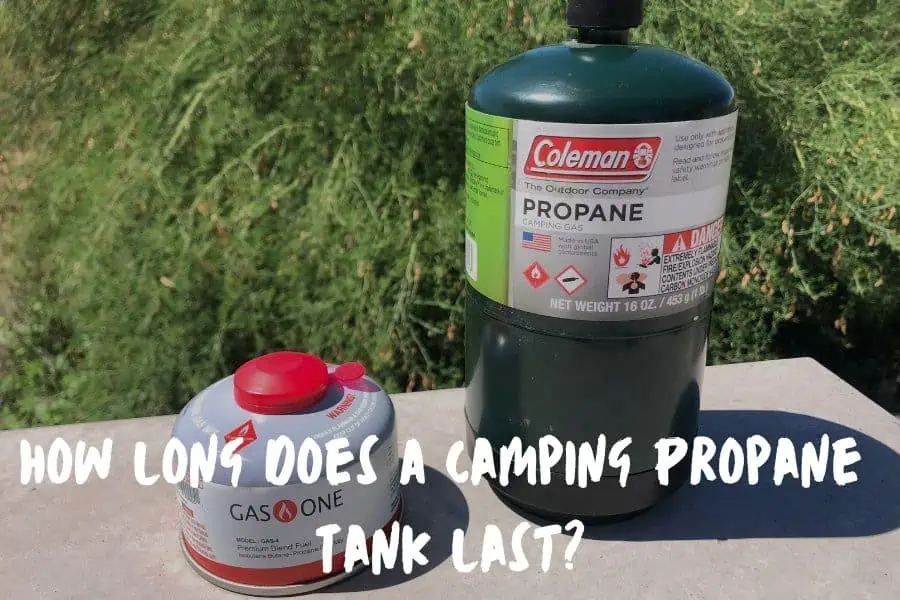
A 1-pound tank is often called a “green bottle” due to its color and size. These are small, light, and easy to carry. The 20-pound tank, which many people use for backyard barbecues, is heavy and not usually taken on foot. Each tank type is filled with liquefied petroleum gas (LPG), which is almost always propane in North America.
Knowing your tank size is the first step. Each tank holds a certain amount of energy, and how long it lasts depends on how you use it.
What Impacts Propane Tank Life?
There’s no single answer to how long a camping propane tank will last. Several factors affect propane consumption:
1. Appliance Type And Btu Rating
Different camping gear uses propane at different rates. This rate is measured in BTUs (British Thermal Units) per hour. Stoves, lanterns, heaters, and grills all list a BTU rating.
2. Usage Time
How many hours per day your appliance runs will directly affect how long the tank lasts.
3. Number Of Devices
Running multiple devices from one tank will drain it faster.
4. Temperature And Elevation
Cold weather or high altitudes can change how efficiently propane burns.
5. Condition Of Equipment
Older or poorly maintained devices might use more fuel.
Beginners often overlook the impact of BTU output and the number of devices they run at once. For example, using a lantern and a stove together will empty your tank much faster than using one at a time.
Propane Tank Sizes And Their Common Uses
Here’s a quick overview of typical tank sizes you’ll see while camping:
| Tank Size | Approximate Weight (Full) | Common Use | Refillable? |
|---|---|---|---|
| 1 lb | 2 lbs | Stoves, lanterns, portable heaters | No (mostly disposable) |
| 5 lbs | 10 lbs | Small grills, extended trips | Yes |
| 11 lbs | 22 lbs | Grills, heaters, RVs | Yes |
| 20 lbs | 37 lbs | Large grills, RV appliances | Yes |
The 1-pound tank is the most common for short camping trips. If you’re going out for longer, a refillable tank makes sense.
How To Calculate Propane Tank Life
Let’s get practical. To estimate how long your propane tank will last, you need:
- The BTU rating of your appliance
- The total BTUs in your tank
A 1-pound propane cylinder contains about 21,600 BTUs. If your camping stove uses 10,000 BTUs per hour, the math looks like this:
21,600 BTUs (tank) ÷ 10,000 BTUs/hour (stove) = 2.16 hours of burn time
If you use a lantern at the same time with a 1,000 BTU/hour rating, you add that to the total:
10,000 + 1,000 = 11,000 BTUs/hour
21,600 ÷ 11,000 = 1.96 hours
This math applies to all tank sizes; just substitute the tank’s BTU capacity. Here’s a handy reference for BTUs per tank size:
| Tank Size | Approximate BTUs |
|---|---|
| 1 lb | 21,600 |
| 5 lbs | 108,000 |
| 11 lbs | 238,000 |
| 20 lbs | 432,000 |
Real-world Example
You want to run a 10,000 BTU/hour stove for breakfast and dinner (1 hour each), and a 1,000 BTU/hour lantern for 3 hours each night.
- Stove: 2 hours × 10,000 = 20,000 BTUs
- Lantern: 3 hours × 1,000 = 3,000 BTUs
- Total per day: 23,000 BTUs
A 1-lb tank (21,600 BTUs) would not last a full day at that usage. You’d need more than one tank per day, or a larger tank.
Insight: Many campers underestimate how quickly a 1-pound tank runs out when using both a stove and a lantern. Always calculate total daily BTU needs before heading out.
Appliance Btu Ratings: What To Expect
Every appliance is different. Here’s what you can expect for common camping gear:
- Single-burner camping stove: 7,500–10,000 BTU/hour
- Dual-burner stove: 10,000–20,000 BTU/hour (combined)
- Camping lantern: 500–1,500 BTU/hour
- Portable heater: 3,000–9,000 BTU/hour
- Small grill: 10,000–20,000 BTU/hour
If you’re unsure, check your device’s manual or label. Using the wrong BTU number can lead to running out of propane at the worst moment.
How Long Do Different Tanks Last? (typical Scenarios)
Let’s break down some common camping situations:
Scenario 1: Single Stove, 1-pound Tank
- Stove: 10,000 BTUs/hour
- Tank: 21,600 BTUs
Burn time: Around 2.1 hours
If you cook twice a day for 30 minutes each, that’s 1 hour per day. Your tank could last about two days.
Scenario 2: Stove + Lantern, 1-pound Tank
- Stove: 10,000 BTUs/hour (1 hour/day)
- Lantern: 1,000 BTUs/hour (3 hours/night)
- Total per day: 13,000 BTUs
Burn time: About 1.6 days
You’ll need a new tank after your second night.
Scenario 3: Dual-burner Stove, 20-pound Tank
- Stove: 20,000 BTUs/hour (1 hour/day)
- Tank: 432,000 BTUs
Burn time: 21.6 days
Perfect for long trips or group camping.
Scenario 4: Portable Heater, 1-pound Tank
- Heater: 4,000 BTUs/hour
- Tank: 21,600 BTUs
Burn time: 5.4 hours
For overnight heating, you’ll need several tanks for a cold weekend.
Non-obvious insight: Many campers forget heaters drain tanks much faster than stoves or lanterns. If you plan to heat your tent all night, bring extra propane.
Credit: www.youtube.com
How To Make Your Propane Last Longer
You can stretch your tank life with a few simple strategies:
1. Cook Efficiently
Prepare all ingredients before lighting the stove. Cook with lids on pots to reduce heat loss.
2. Limit Appliance Use
Turn off lanterns and heaters when not needed. Use a flashlight or LED lantern for light.
3. Shield Your Stove From Wind
Wind can blow heat away, so use a windscreen.
4. Lower The Flame
Use the lowest effective setting for both stoves and lanterns.
5. Maintain Your Gear
Clean burners and check for leaks. Dirty or leaking equipment uses more gas.
Practical tip: Always bring at least one extra tank, especially for trips over two days or in cold weather.
How Weather And Altitude Affect Propane
Many campers are surprised by how much cold weather and high elevation affect propane use. Propane vaporizes less efficiently in low temperatures, meaning appliances may not work as well or may use more gas to produce the same heat. At high altitudes, the air is thinner, which can also affect burning.
- Cold Weather: Below 40°F, propane pressure drops. Your stove flame may be smaller.
- High Altitude: Combustion is less efficient. You may need to run your stove at a higher setting.
If you camp in winter or mountains, bring more propane than you think you’ll need.
How To Check Propane Levels
Disposable 1-pound tanks don’t have gauges. Here are some ways to estimate how much is left:
1. Weigh The Tank
An empty 1-pound tank weighs about 14. 5 ounces (410 grams). Weigh your tank and subtract 14. 5 oz to see how much propane remains.
2. Shake Test
Gently shake the tank. If you hear liquid sloshing, there’s some propane left. This is not very accurate but gives a rough idea.
3. Hot Water Method
Pour hot (not boiling) water down the side of the tank. Feel for a temperature change—where it gets cool is the propane level.
Pro tip: Always start your trip with fresh, full tanks. Don’t rely on guessing.
Refillable Vs. Disposable Propane Tanks
Disposable Tanks
- Cheap, easy to find
- Simple to use, but wasteful
- Usually not refillable (some kits exist, but not always safe or allowed)
Refillable Tanks
- Cost more upfront but save money over time
- Better for the environment
- Heavier and bulkier
- You need a refill station (not always available in remote areas)
Non-obvious insight: Some campgrounds and outdoor stores now offer exchange or refill programs for small tanks. This can save money and reduce waste.
Safety Tips For Using Camping Propane
Propane is safe when used properly, but accidents can happen. Here’s how to stay safe:
1. Check For Leaks
Use soapy water on the connection. Bubbles mean a leak.
2. Store Tanks Upright
Keep tanks out of direct sun and away from heat sources.
3. Never Store In A Tent
Propane tanks should stay outside. Never sleep with a tank in your tent.
4. Transport Carefully
Secure tanks in your vehicle. Don’t leave them rolling around.
5. Don’t Over-tighten Connections
Hand-tighten, then check for leaks.
Common Mistakes Campers Make With Propane
1. Bringing Too Few Tanks
Many campers underestimate their fuel needs, especially in cold weather.
2. Ignoring Btu Ratings
Not all stoves or heaters use the same amount of propane.
3. Forgetting To Test Equipment
Always test your stove and lantern at home before your trip.
4. Not Practicing Safe Storage
Leaving tanks in the sun or near fire is dangerous.
5. Trying To Refill Disposable Tanks Unsafely
Refill kits exist, but they can be risky and are sometimes illegal.
Comparing Propane To Other Camping Fuels
Why choose propane over other options like butane or white gas? Here’s a quick comparison:
| Fuel Type | Pros | Cons |
|---|---|---|
| Propane | Widely available, easy to use, works in cold weather | Bigger tanks are heavy, small tanks wasteful |
| Butane | Lightweight canisters, good for backpacking | Poor performance below freezing |
| White Gas | Efficient, refillable bottles, works at altitude | Requires priming, more maintenance, spills are messy |
Propane is the most popular for car camping because it’s reliable and simple. If you’re backpacking, butane or white gas may save weight.
When To Upgrade To A Larger Propane Tank
If you camp often or with a group, a 5-pound or 11-pound tank might be better. Why?
- Lower cost per ounce
- Less frequent refills
- Reduces waste from disposables
- Works for multiple devices at once
The downside is carrying extra weight. But for car camping or base camps, the benefits often outweigh the hassle.
How To Dispose Of Empty Propane Tanks
Disposing of propane tanks the wrong way can be dangerous and illegal. Here’s what to do:
- 1-pound disposable tanks: Don’t throw them in regular trash unless fully empty. Many areas require special recycling or hazardous waste disposal.
- Refillable tanks: Take to a propane supplier or recycling center when expired.
- Never puncture or burn tanks.
Check your local regulations for disposal instructions. Many outdoor stores or campsites have collection programs.
How To Store Propane Safely Between Trips
Proper storage keeps you safe and preserves your propane. Here’s how:
- Store outdoors in a cool, dry place.
- Keep upright and secure.
- Protect from sun and rain.
- Check for rust or damage before each trip.
Never store tanks in your living space, tent, or garage with open flames.
Propane Conservation Tips For Longer Trips
For longer adventures, these tips can help your propane last:
- Plan meals that cook quickly.
- Share appliances with camping partners.
- Use alternative light sources (LEDs, headlamps).
- Bring a backup stove that uses a different fuel.
Advanced campers sometimes bring a solar charger or wood-burning stove as a backup.
Propane Accessories That Can Extend Tank Life
Certain accessories can make your propane last longer and your trip easier:
- Adapter hoses: Let you use larger tanks with small appliances.
- Tree adapters: Allow several devices to run off one tank.
- Stove windscreens: Reduce heat loss.
- Inline gauges: Estimate remaining propane in larger tanks.
These tools are optional but can save you money and hassle on longer trips.

Credit: www.reddit.com
Planning Your Propane Needs: Practical Examples
Let’s look at how to plan for different types of trips:
Weekend Car Camping (2 Nights)
- Stove: 1 hour/day
- Lantern: 3 hours/night
- Cool weather heater: 2 hours/night
Total BTUs:
- Stove: 2 × 10,000 = 20,000
- Lantern: 6 × 1,000 = 6,000
- Heater: 4 × 4,000 = 16,000
- Total: 42,000 BTUs
A 5-pound tank (108,000 BTUs) easily covers this, with plenty to spare.
One-week Family Trip
- Dual-burner stove: 1.5 hours/day
- Lantern: 4 hours/night
- Heater: 3 hours/night
- Stove: 10.5 × 20,000 = 210,000
- Lantern: 28 × 1,500 = 42,000
- Heater: 21 × 4,000 = 84,000
- Total: 336,000 BTUs
A 20-pound tank (432,000 BTUs) will last the full week, even with some extra use.
Lightweight Solo Trip (backpacking, 3 Days)
- Small stove: 0.5 hours/day
- No lantern or heater
- Stove: 1.5 × 7,500 = 11,250
One 1-pound tank (21,600 BTUs) is enough for all cooking.
Tip: Always round up when planning. It’s better to have some fuel left over than to run out early.
Environmental Impact: Reduce, Reuse, Recycle
Propane is cleaner than burning wood or charcoal, but disposable tanks create waste. Where possible:
- Use refillable tanks
- Recycle empty cylinders at approved locations
- Never throw partial tanks in the trash
Some brands now offer recyclable 1-pound tanks. Always check for local recycling options.
How To Tell If Your Propane Tank Is Empty
Besides weighing or the hot water method, you’ll know your tank is out when:
- The stove or lantern won’t light or the flame is weak
- The tank feels light
- You don’t hear any gas when opening the valve
If you have a larger tank, an inline gauge can show how much is left.
Propane Tank Regulations And Transport
In the US, transporting propane tanks has rules:
- Keep tanks upright and secure in your vehicle.
- Don’t store tanks in a hot, closed car for long periods.
- Don’t take tanks on planes. It’s illegal and dangerous.
For more info, check the US Department of Transportation.
Credit: wildernesstimes.com
Frequently Asked Questions
How Long Does A 1-pound Propane Tank Last With A Camping Stove?
A 1-pound propane tank provides about 2 hours of burn time on a typical 10,000 BTU/hour camping stove. If you cook two quick meals per day, it should last about two days. Always check your stove’s BTU rating to estimate more accurately.
Can I Refill Disposable 1-pound Propane Tanks?
While refill kits exist, refilling disposable tanks is not recommended due to safety risks and possible legal restrictions. It’s safer and more environmentally friendly to use a small refillable tank if you camp often.
Why Does My Propane Tank Run Out Faster In Cold Weather?
Propane vaporizes slower at low temperatures, reducing pressure and efficiency. Appliances may use more gas to produce the same heat. Always bring extra propane for cold-weather trips.
How Do I Safely Dispose Of An Empty Propane Tank?
Check your local recycling or hazardous waste program. Many areas require special drop-off locations for empty tanks. Never throw a partially filled tank in the trash or fire.
Is Propane Safe To Use Inside A Tent?
It’s best to avoid using propane appliances inside a tent due to the risk of carbon monoxide poisoning and fire. If you must use a heater, ensure it’s approved for indoor use and keep a window or vent open.
Camping is about enjoying nature, not worrying about fuel. Knowing how long your camping propane tank lasts—and how to make it last longer—means more time for adventure and less stress around the campfire. With the tips above, you’ll be prepared for anything the outdoors throws your way.
Safe travels and happy camping!
