
Choosing the right tent can make or break your camping trip. Imagine waking up to a leaky roof, struggling to fit your gear, or feeling cramped all night.
You don’t want that. The perfect tent keeps you comfortable, protected, and ready to enjoy the great outdoors. But with so many options out there, how do you pick the one that suits your needs? Keep reading, and you’ll learn exactly what to look for to find a tent that fits your style, budget, and adventure.
Your next camping trip starts with the right choice—and this guide will help you make it.
Types Of Tents
Choosing the right tent starts with knowing the types available. Each tent serves a unique purpose. Some tents are light and easy to carry. Others offer space for a family. Some are built for tough weather. Understanding these types helps pick the best fit for your trip.
Backpacking Tents
Backpacking tents are small and lightweight. They fit well in a backpack. These tents protect you from wind and rain. They usually hold one or two people. Easy to set up and carry on long hikes.
Family Tents
Family tents are larger and roomier. They have space for multiple people. Perfect for camping with kids or friends. These tents often have separate rooms. They offer comfort and shelter for long stays.
Mountaineering Tents
Mountaineering tents are strong and weatherproof. Made for extreme conditions like snow and wind. They use tough materials and poles. Usually smaller to keep warmth inside. Ideal for mountain and winter camping.
Pop-up Tents
Pop-up tents set up very fast. Just throw them in the air. Great for short trips or festivals. They are light but less durable. Best for casual camping with less gear.
Key Tent Features
Choosing the right tent means knowing what features matter most. These features affect your comfort and safety during camping. Focus on material, weight, ventilation, and size. These help you find a tent that fits your needs and conditions.
Material And Durability
Good tent material means long-lasting use. Look for strong fabrics like ripstop nylon or polyester. These resist tears and wear. Check the tent poles too. Aluminum poles are light and sturdy. Avoid cheap plastic poles. They break easily and cause trouble outdoors.
Weight And Portability
Light tents are easier to carry on hikes. Check the packed weight before buying. Ultralight tents suit backpackers well. Bigger tents weigh more and need more space. Carry bags should be compact and easy to handle. This helps you move fast and stay comfortable.
Ventilation And Weather Resistance
Good airflow stops dampness and heat inside the tent. Look for mesh panels and vents. These keep air moving. Weather resistance protects you from rain and wind. Waterproof fabrics and strong seams keep water out. A rainfly adds extra protection in storms.
Size And Capacity
Choose a tent size based on people and gear. A tent should fit everyone plus some extra space. Look for tents with clear capacity labels. Check headroom and floor space for comfort. Small tents save weight but feel tight. Bigger tents offer more room but weigh more.
Season Ratings
Season ratings help campers pick tents for different weather. They show how well tents handle cold, wind, rain, and snow. Choosing the right season rating keeps you safe and comfortable outdoors. Knowing these ratings helps avoid buying the wrong tent for your trip.
Three-season Tents
Three-season tents work well in spring, summer, and fall. They protect from rain, wind, and light snow. These tents have good ventilation to stop condensation inside. They are light and easy to carry on hikes. Ideal for most camping trips in mild weather.
Four-season Tents
Four-season tents are built for harsh winter conditions. They handle strong winds, heavy snow, and cold temperatures. These tents have sturdier poles and less mesh to keep warmth. Heavier than three-season tents but very durable. Perfect for winter camping or high mountain trips.
Convertible Tents
Convertible tents change from three-season to four-season use. You can add or remove parts like extra rainfly or panels. This makes them flexible for different weather types. Great for campers who want one tent for many seasons. They offer balance between weight and protection.
Setup And Design
Choosing the right tent means understanding its setup and design. These features affect how fast you can pitch your tent and how comfortable it will be inside. A good design helps you enjoy camping without stress. Let’s explore key points about tent setup and design.
Freestanding Vs Non-freestanding
Freestanding tents can stand on their own without stakes. You can move them easily after pitching. These tents work well on hard or rocky ground. Non-freestanding tents need stakes and guy lines to stay up. They often weigh less and pack smaller. These tents suit soft ground like grass or sand.
Pole Structure
Tent poles hold the tent shape. Common types include aluminum and fiberglass. Aluminum poles are strong and last longer. Fiberglass poles are cheaper but can break more easily. Some tents use flexible poles that cross for better stability. Check how poles fit together and their length before buying.
Ease Of Assembly
Simple setup saves time and hassle. Look for tents with color-coded poles and clips. These features guide you during assembly. Pop-up tents open quickly but may be less durable. Practice pitching the tent at home first. This helps you avoid confusion at the campsite.
Budget Considerations
Choosing the right tent depends a lot on your budget. A good tent should fit your camping style and your wallet. Setting a budget helps narrow down options and avoid overspending. Tents come in many price ranges, each with its own features and quality. Knowing what to expect at each price point makes buying easier.
Entry-level Options
Entry-level tents cost less and suit casual campers. They are simple, lightweight, and easy to set up. These tents work well for short trips in mild weather. Materials may be less durable but still offer basic protection. Ideal for beginners or those camping a few times a year.
Mid-range Tents
Mid-range tents balance price and quality. They offer better materials and more features than entry-level models. Expect stronger fabrics, better waterproofing, and more space. Good for regular campers who want comfort and durability. These tents handle varied weather conditions better.
High-end Models
High-end tents suit serious campers and harsh conditions. They use top-quality materials and advanced designs. Features include extra ventilation, stronger poles, and superior waterproofing. These tents last longer and perform well in tough weather. Best for frequent camping or extreme environments.

Credit: www.lifeintents.com
Additional Features
Choosing the right tent involves more than just size and weight. Additional features can make your camping trip easier and more comfortable. These details help organize your gear, improve air flow, and keep you safe. Small extras often create a big difference in your outdoor experience.
Storage Pockets And Vestibules
Storage pockets inside the tent keep small items tidy and easy to find. You can store flashlights, phones, or maps safely. Vestibules offer extra space outside the main tent area. Use them to keep wet shoes or bags dry and out of the sleeping area. These spaces help keep the tent clean and organized.
Doors And Windows
Look for tents with multiple doors for easy access. It avoids climbing over others and adds convenience. Windows improve air circulation and reduce condensation inside. Mesh windows keep bugs out while letting fresh air in. Adjustable doors and windows allow you to control light and airflow.
Color And Visibility
Tent color affects visibility and heat inside. Bright colors make tents easy to spot in nature or emergencies. Darker colors absorb heat, which can warm the tent in cold weather. Choose colors based on your camping location and weather conditions. Visibility helps you find your tent quickly and stay safe.
Choosing Based On Camping Style
Choosing a tent depends a lot on how you camp. Different styles need different tents. The right tent makes camping safer and more fun. Think about how many people will sleep in it. Consider the weather and the place where you camp. Each style has unique needs for space, weight, and setup.
Solo Camping
Solo camping means you camp alone. You want a tent that is light and easy to carry. Small tents save weight and space in your backpack. Look for tents with simple setups. They should protect you from rain and wind. A tent with good ventilation helps on warm nights. Focus on comfort but keep it compact.
Group Or Family Trips
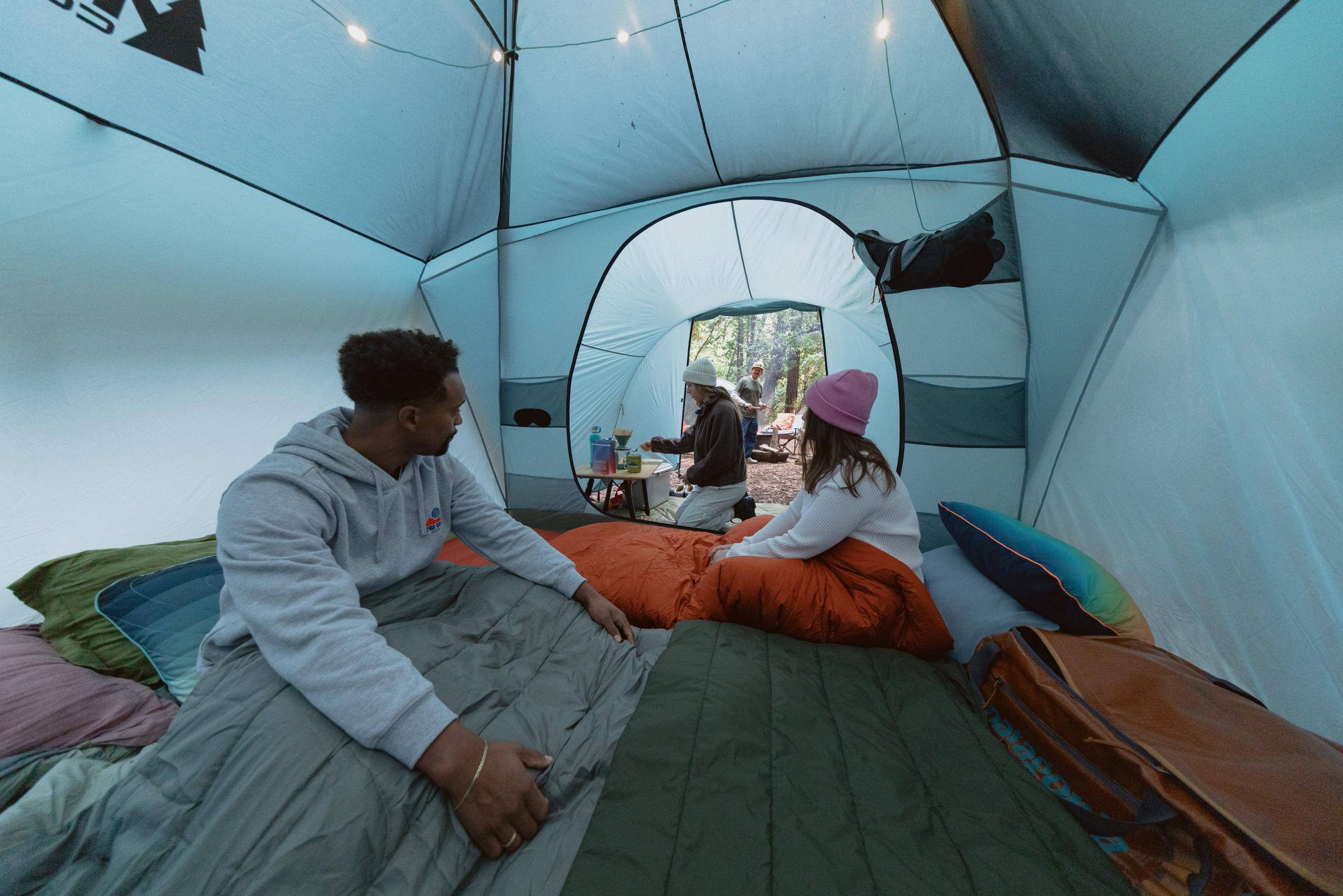
Group camping needs bigger tents. Choose tents with enough room for everyone. Extra space for gear is important too. Look for tents with multiple doors for easy access. Strong frames help in bad weather. Bigger tents offer more comfort but weigh more. Think about how easy it is to set up with others.
Backcountry Adventures
Backcountry trips mean hiking far from roads. Your tent must be very light and small. Weight matters most because you carry everything. Look for tents made with strong, lightweight materials. Weather protection is key in wild places. Easy and fast setup saves energy. Choose a tent that balances weight and durability.
Credit: www.rei.com

Credit: gearjunkie.com
Frequently Asked Questions
What Factors Should I Consider When Choosing A Camping Tent?
Consider tent size, weather resistance, weight, and ease of setup. Also, check ventilation and durability for your camping needs.
How Many People Should My Camping Tent Accommodate?
Choose a tent that fits your group comfortably. Add one or two extra spaces for gear and personal comfort.
Which Tent Material Is Best For Camping?
Nylon and polyester are common. Nylon is lightweight, polyester resists UV damage. Both offer good water resistance.
What Tent Shape Works Best For Different Weather?
Dome tents handle wind well. Cabin tents offer space and comfort. Tunnel tents are good for rain protection.
Conclusion
Choosing the right tent makes camping more fun and safe. Think about the weather, size, and weight first. Pick a tent that fits your needs and budget well. Test it before your trip to avoid surprises. A good tent keeps you dry and comfortable all night.
Happy camping starts with smart choices. Enjoy the outdoors with the perfect shelter by your side. Simple steps lead to great camping memories.
