
Are you wondering if your beach tent can double as a camping shelter? It’s a smart question.
After all, carrying less gear means more freedom and less hassle. But before you pack that lightweight tent for your next camping trip, you need to know if it will protect you from the elements and keep you comfortable overnight.
This article will help you decide if your beach tent is up to the challenge or if you need something sturdier. Keep reading to make sure your next outdoor adventure is safe and enjoyable.
Beach Tent Basics
Beach tents offer simple shelter from sun, wind, and sand. They are easy to carry and set up. Many campers wonder if these tents work well for camping trips. Understanding the basics helps decide if a beach tent fits your camping needs.
These tents differ from traditional camping tents in design and materials. Knowing these differences guides your choice for outdoor adventures.
Design And Features
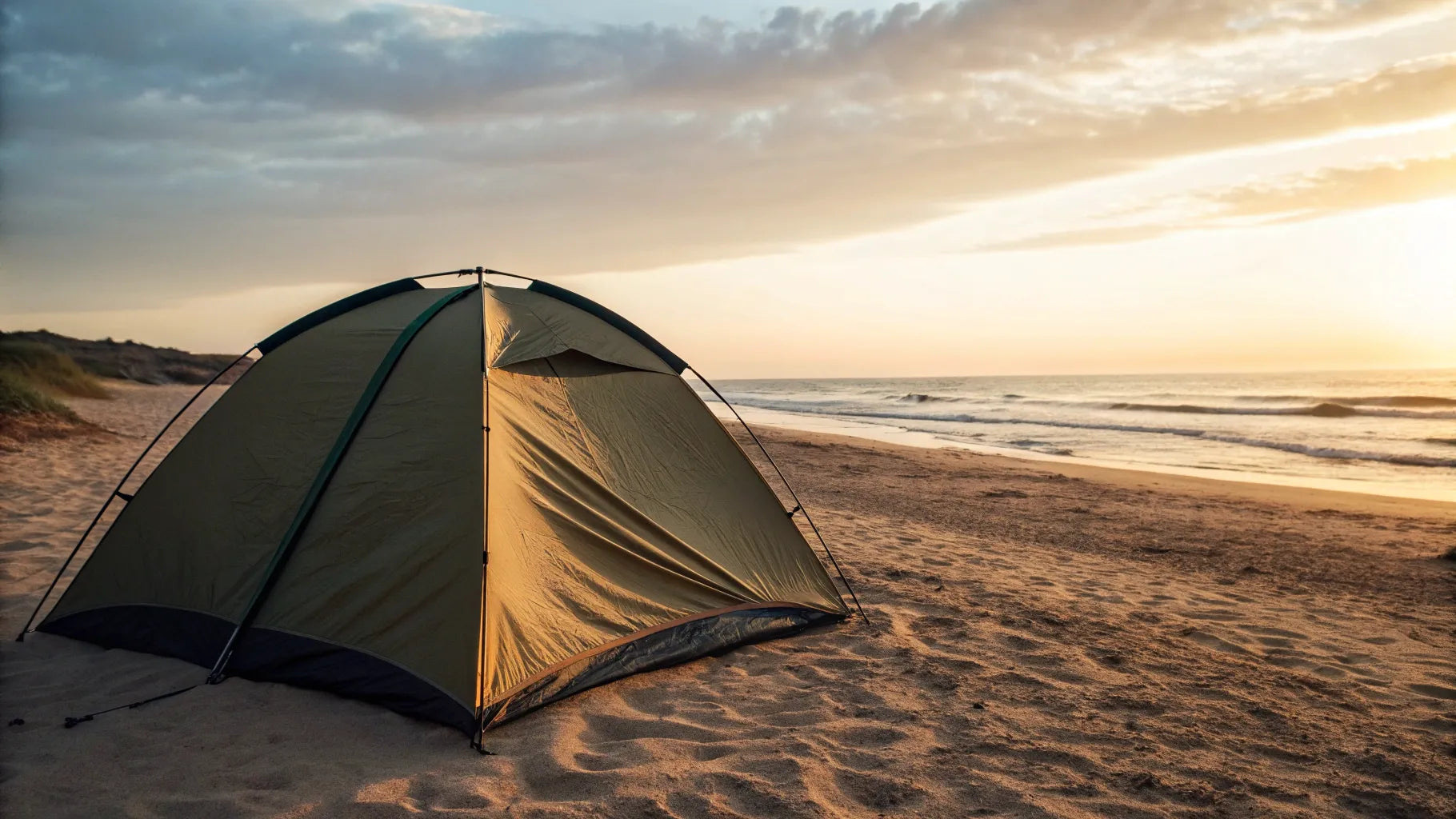
Beach tents usually have open fronts or large windows for airflow. This keeps the inside cool on hot days. Most have low walls to block wind and sand. They are lightweight and often pop up quickly. Some models include UV protection to block harmful sun rays. Ventilation is important to avoid stuffiness inside. Many beach tents fold compactly for easy transport.
Common Materials
Beach tents use thin, light fabrics like polyester or nylon. These materials dry quickly after exposure to water. The poles are often made from fiberglass or aluminum for lightness. The fabric often has a special coating to resist UV rays. Sand-resistant coatings help keep the tent clean. These materials focus on sun protection and portability rather than heavy rain or cold.
Credit: www.battlbox.com
Suitability For Camping
Beach tents are lightweight and easy to carry. This makes them a popular choice for outdoor activities. Camping needs different features from beach tents. This section looks at how suitable beach tents are for camping. It covers their ability to protect from weather and their strength in tough conditions.
Protection From Elements
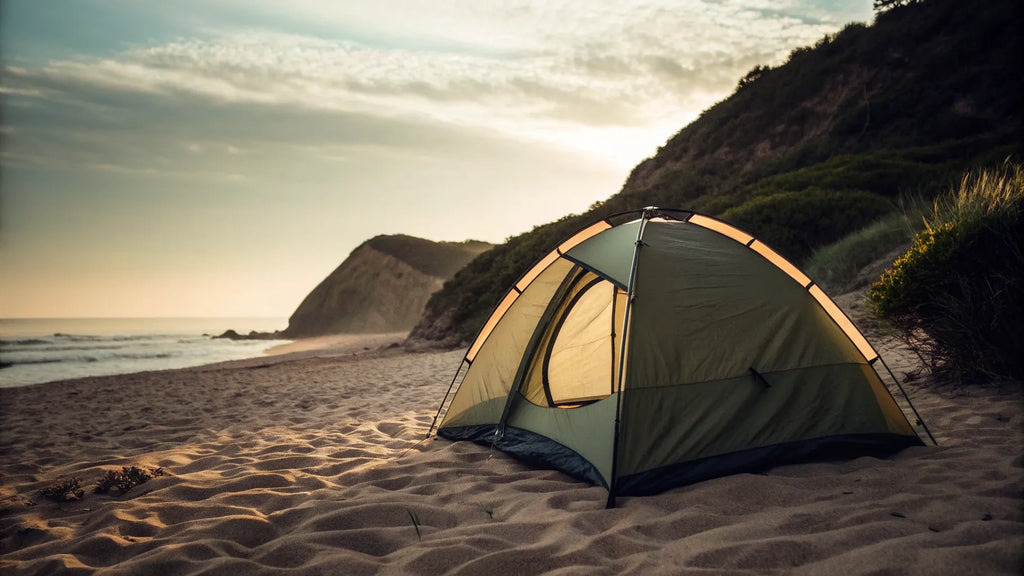
Beach tents shield you from sun and light wind. Their fabric blocks harmful UV rays well. Rain protection is limited. Most beach tents do not have full waterproof coverage. Strong rain or storms may cause leaks. Insects and bugs can enter easily. Most beach tents lack full zippers or mesh walls. This can be a problem in forested or buggy camping areas.
Durability And Stability
Beach tents use thin poles and lightweight materials. This helps with easy transport. They do not stand up well to strong wind. Stability is weaker than camping tents. Stakes for beach tents may not hold well in hard or rocky soil. Camping tents use thicker poles and stronger fabrics. These tents stay firm in rough weather. Beach tents can work on calm days and flat ground. They are less reliable in harsh camping conditions.
Comparison With Camping Tents
Beach tents and camping tents serve different purposes but can overlap in some uses. Comparing them helps decide which suits your needs. Each type has unique features in setup, comfort, and protection.
Setup And Portability
Beach tents are usually quick to set up. They often use flexible poles and simple stakes. Most are lightweight and fold into small bags. Camping tents take longer to pitch. They have more parts like poles, stakes, and rainflies. Camping tents are heavier but designed for rough conditions. Portability depends on tent size and materials.
Ventilation And Space
Beach tents focus on airflow. Large mesh windows and open sides keep air moving. This reduces heat on hot days. Camping tents have vents but less open space. They trap warmth to keep you cozy at night. Camping tents offer more interior space for gear and movement. Beach tents provide shade more than sleeping room.
Weather Resistance
Beach tents protect from sun, light wind, and some rain. They usually have thin fabric and less sturdy frames. Camping tents are built for tougher weather. They resist strong wind, heavy rain, and cold. Camping tents have waterproof materials and sealed seams. Beach tents work well on calm, sunny days but are less reliable in storms.
Best Scenarios For Using Beach Tents
Beach tents offer lightweight shelter and easy setup. They work best in specific camping situations. Knowing these helps you choose the right tent and enjoy your trip.
These tents provide shade and protect from light wind. They are not designed for harsh weather or heavy rain. Use them where the weather is calm and mild.
Mild Weather Camping
Beach tents suit camping in mild weather conditions. They block sun and light wind well. These tents are perfect for spring or summer nights.
They keep you cool and shaded during the day. At night, they offer a simple shelter from bugs. Avoid using them in cold or rainy weather.
Day Trips And Short Stays
Beach tents are ideal for day trips or quick stays. They set up fast and are easy to carry. Perfect for picnics, fishing, or resting outdoors.
Use them to create a shaded spot on the trail or beach. They do not provide full protection like camping tents. Great for quick breaks and simple shelter.
Limitations And Challenges
Beach tents offer great shade and shelter on sandy shores. Still, using them for camping brings some limits and challenges. These tents are not made for rough weather or long stays in the wild.
Understanding their weaknesses helps campers choose the right gear. Beach tents struggle with certain outdoor conditions that regular camping tents handle well.
Heavy Rain And Wind
Beach tents often have thin fabric and light frames. Heavy rain can leak through or pool on top, causing damage. Strong winds may shake or even blow the tent away. Most beach tents lack sturdy stakes to hold them firmly in place. This makes them unsafe in stormy or windy camping spots.
Insect Protection
Many beach tents do not include full mesh screens. Bugs like mosquitoes and flies can get inside easily. This causes discomfort and health risks during camping trips. Regular camping tents usually have better insect netting to keep bugs out. Beach tents leave campers more exposed to bites and pests.
Credit: www.battlbox.com
Tips For Using Beach Tents Outdoors
Using a beach tent outdoors can be a smart way to create shade and shelter. Beach tents are lightweight and easy to carry. They offer quick setup, making them great for short camping trips. With some careful preparation, a beach tent can protect you from sun, wind, and light rain during camping.
Securing The Tent
Secure the tent firmly to avoid it blowing away. Use stakes to anchor the tent corners into the ground. If the soil is soft, push stakes deep for better hold. Tie guy ropes to the tent and pull them tight. Attach the ropes to heavy rocks or trees if stakes don’t hold. Always check the tent stability before settling in.
Additional Gear Recommendations
Bring extra items to improve your beach tent experience. A ground tarp protects the tent floor from moisture and sharp objects. Sandbags help keep the tent stable on sandy surfaces. Pack a small hammer to drive stakes into hard ground. Carry a repair kit for quick fixes of tears or broken zippers. A portable fan or battery-powered light can add comfort inside the tent.

Credit: www.reddit.com
Frequently Asked Questions
Can A Beach Tent Be Used For Camping?
Yes, a beach tent can be used for camping. It offers lightweight shelter and sun protection but may lack insulation and sturdiness for harsh weather.
Are Beach Tents Suitable For Rainy Camping Conditions?
Beach tents are generally not waterproof. They provide minimal rain protection, so they are best used in dry weather or with additional rain covers.
How Does A Beach Tent Compare To A Camping Tent?
Beach tents are lighter and easier to set up but offer less durability and weather resistance compared to traditional camping tents designed for rugged conditions.
Can A Beach Tent Provide Enough Privacy For Camping?
Beach tents offer basic privacy and shade but usually have open designs. For more privacy, consider tents with enclosed walls and zippered doors.
Conclusion
Beach tents offer good shade and quick setup for camping trips. They work best in mild weather and flat, sandy areas. Not ideal for heavy rain or strong wind conditions. Lightweight and easy to carry, they suit short outdoor stays.
Consider your camping needs before choosing a beach tent. Simple and practical for some campers. Great for those who want light shelter without complex gear. A smart option for sunny, calm camping spots.
