
Are you wondering if your hiking shoes can double as trail running shoes? It’s a common question for anyone who loves the outdoors but wants to keep their gear simple and budget-friendly.
Choosing the right footwear can make a big difference in your comfort, safety, and performance on the trail. You’ll discover the key differences between hiking shoes and trail running shoes, and whether using hiking shoes for trail running is a smart move or a risk you should avoid.
Keep reading to find out what works best for your feet and your adventure.
Hiking Shoes Vs Trail Running Shoes
Hiking shoes and trail running shoes serve different purposes but share some similarities. Both are designed for outdoor use and rough terrain. Choosing the right shoe depends on your activity style and comfort needs. Understanding their key differences helps you decide which works best for you.
Design Differences
Hiking shoes focus on foot protection and support. They have a sturdy build to handle rocks and roots. Trail running shoes prioritize speed and agility. They offer a snug fit with breathable materials. Hiking shoes feel bulkier, while trail runners are sleek and flexible.
Sole And Traction
Hiking shoes have thick soles with deep lugs for grip. They provide strong traction on slippery or uneven surfaces. Trail running shoes have soles designed for quick movements. Their lugs are smaller but still grip dirt and mud well. Hiking soles last longer, but trail soles offer better ground feel.
Weight And Flexibility
Hiking shoes are heavier due to extra padding and protection. This weight adds stability on rough trails. Trail running shoes are lighter to enhance speed and ease of movement. They bend easily to allow natural foot motion. The lighter weight reduces fatigue during fast runs.
Performance On Different Terrains
Hiking shoes and trail running shoes serve different purposes. Their performance varies across terrains. Understanding how hiking shoes behave on various trails helps choose the right footwear. The following sections explore how hiking shoes perform on rocky paths, muddy trails, and steep climbs.
Rocky And Uneven Paths
Hiking shoes usually have thick soles and strong grips. They offer good protection against sharp rocks. Their stiff soles reduce foot fatigue on rough surfaces. Hiking shoes provide solid stability on uneven ground. The heavier design can slow down quick steps. Trail runners might find hiking shoes less flexible here.
Muddy And Wet Trails
Hiking shoes often use waterproof materials. This feature helps keep feet dry in wet conditions. Their deep treads improve grip in slippery mud. Mud can stick to the soles, making shoes heavier. Drainage is slower compared to trail running shoes. Hiking shoes can feel less comfortable in long wet runs.
Steep Ascents And Descents
Hiking shoes offer strong ankle support for steep hills. They help prevent ankle twists on descents. The solid soles give good traction on loose soil. Their weight can tire legs faster on long climbs. Trail running shoes allow quicker movements on steep slopes. Hiking shoes perform well but may reduce speed.
Comfort And Support Factors
Comfort and support play a big role in choosing shoes for trail running. Hiking shoes offer strong support, but their comfort level can vary. Understanding how hiking shoes handle cushioning, ankle support, and breathability helps decide if they fit trail running needs.
Cushioning And Impact Absorption
Cushioning reduces the shock on your feet during runs. Hiking shoes usually have thick soles to protect against sharp rocks. This helps absorb impact but can feel stiff. Trail running shoes often use softer cushioning for smoother landings. Hiking shoes may feel heavier and less flexible on fast runs.
Ankle And Arch Support
Hiking shoes often have high collars to protect ankles from twists. This support is great on rough terrain but limits ankle movement. Trail running shoes allow more ankle freedom for quick steps. Arch support in hiking shoes is firm, which helps long hikes. For running, too much arch support might cause discomfort over time.
Breathability And Fit
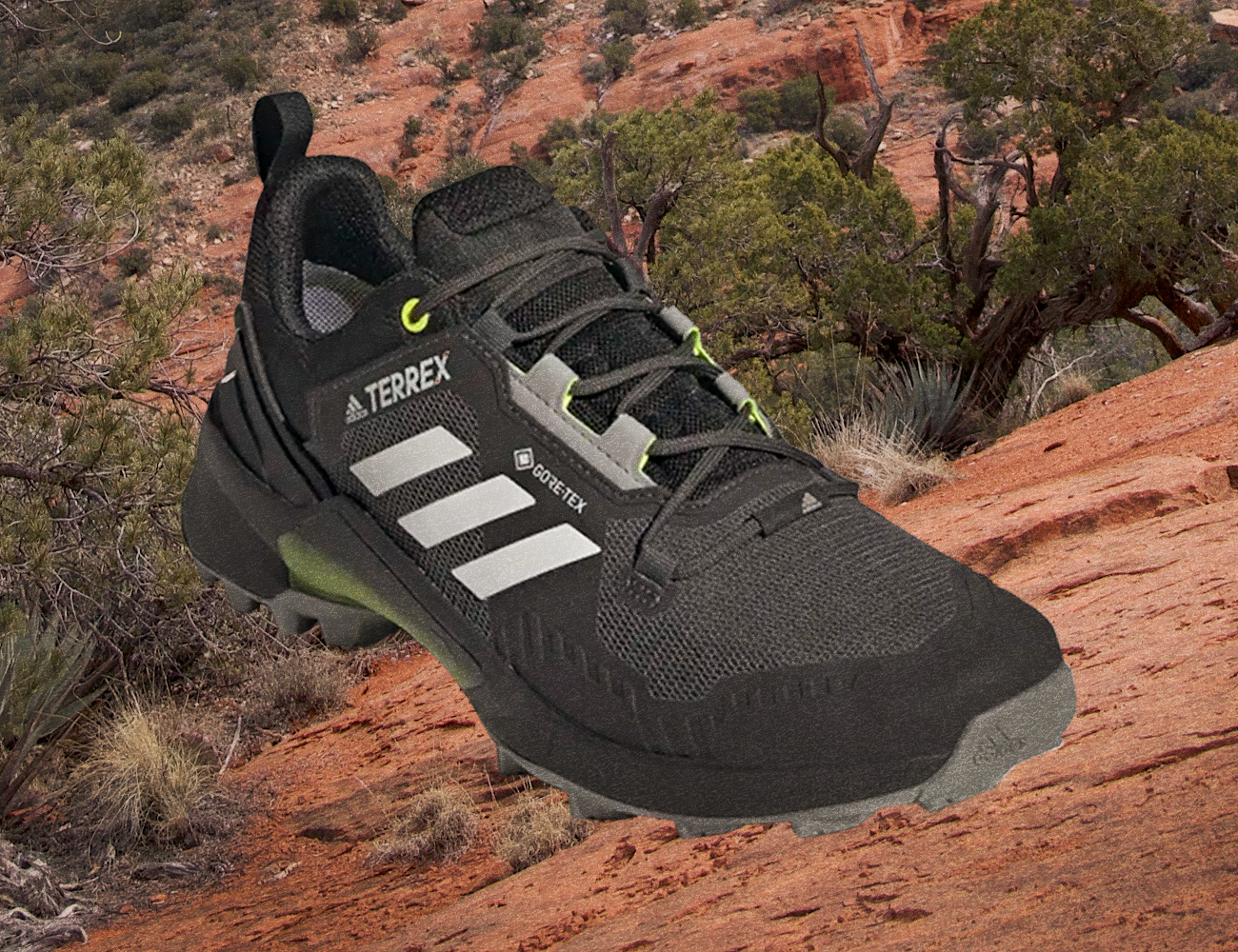
Good airflow keeps feet dry and cool during exercise. Hiking shoes tend to have thicker materials that limit breathability. This can cause sweaty feet on long runs. Trail running shoes use mesh fabrics to improve air flow. Fit is also different; hiking shoes fit snug to protect feet, but can feel tight during fast movements.
Credit: www.adidas.com
Durability And Protection
Durability and protection matter a lot in both hiking and trail running shoes. These qualities keep your feet safe and comfortable during long outdoor activities. Hiking shoes often have strong features to handle rough trails and sharp rocks.
Trail running shoes focus more on speed and flexibility. Understanding how hiking shoes protect and last can help decide if they suit trail running.
Material Strength
Hiking shoes use thick leather or tough synthetic fabrics. These materials resist cuts and scrapes. They also support the foot well on uneven ground. Trail running shoes use lighter materials to stay fast. Hiking shoe material lasts longer but may feel heavy while running.
Toe And Heel Guards
Many hiking shoes have strong guards on the toe and heel. These parts protect your foot from rocks and roots. Trail running shoes often have smaller guards to save weight. The extra protection in hiking shoes helps avoid injuries on rough trails.
Water Resistance
Hiking shoes often come with water-resistant coatings or membranes. They keep feet dry in wet conditions. Trail running shoes may have less water protection to stay breathable. Waterproof hiking shoes can be good for wet trail runs, but may cause feet to sweat more.
When To Choose Hiking Shoes For Trail Running
Hiking shoes and trail running shoes serve different purposes. Hiking shoes focus on support and durability. Trail running shoes prioritize lightness and speed. Sometimes, hiking shoes can work well for trail running. Knowing when to choose hiking shoes helps you pick the right gear.
Consider your trail type, distance, and activity style. These factors guide your shoe choice. The following sections explain key situations where hiking shoes fit trail running.
Short Distance Runs
Hiking shoes suit short trail runs under 5 miles. Their sturdy build protects your feet on rough paths. Stability helps on rocky or uneven ground. For quick runs, hiking shoes offer enough comfort and grip. They may feel heavier than running shoes but provide good support.
Mixed Hiking And Running Activities
Hiking shoes work great for days with both hiking and running. Switching shoes wastes time and space in your bag. Hiking shoes handle slow hikes and fast runs well. They keep your feet safe on tough trails. These shoes balance cushioning and protection for mixed use.
Budget Considerations
Hiking shoes can be less expensive than specialized trail runners. Buying one pair for hiking and running saves money. They last longer due to strong materials. If you run trails occasionally, hiking shoes offer good value. Investing in one solid pair helps stretch your budget.
Credit: www.rei.com
Limitations Of Hiking Shoes In Trail Running
Hiking shoes are built for tough trails and strong support. They protect your feet on rocky paths. But trail running needs a different kind of shoe. Hiking shoes can slow you down and cause discomfort during runs. Understanding their limits helps you choose better gear.
Reduced Speed And Agility
Hiking shoes have stiff soles and thick materials. This design limits quick foot movements needed in running. You cannot change direction fast or sprint easily. Trail running requires light and flexible shoes. Hiking shoes make your steps slower and heavier.
Increased Weight Impact
Hiking shoes weigh more than running shoes. This extra weight makes your legs tired faster. Running with heavy shoes uses more energy. Over long distances, this can reduce your stamina. Lighter shoes help you run longer and feel fresh.
Potential For Blisters
Hiking shoes fit differently than running shoes. They may rub your feet in new places during runs. This friction can cause painful blisters. Running shoes have better cushioning and fit for fast movement. Using hiking shoes may lead to foot injuries on trails.
Tips For Using Hiking Shoes In Trail Running
Using hiking shoes for trail running can work well if you prepare properly. Hiking shoes offer strong support and protection. Yet, they need some adjustments to fit running needs. Here are useful tips to help you get the most out of hiking shoes during trail runs.
Proper Lacing Techniques
Secure lacing keeps your feet stable and prevents blisters. Use a heel lock lace technique to stop heel slipping. Tighten the middle laces snugly for better arch support. Avoid lacing too tight at the toe box. This allows your toes room to move naturally.
Breaking Them In
New hiking shoes feel stiff and may cause discomfort. Wear them on short walks before running. Gradually increase time to soften the materials. This helps avoid blisters and soreness during runs. Your feet adjust better with slow break-in periods.
Selecting Suitable Trails
Hiking shoes suit uneven, rocky, or muddy trails best. Avoid smooth or flat paths designed for running shoes. Trails with roots and stones need extra foot protection. Choose routes where traction and support matter most. This matches the strengths of hiking shoes perfectly.
Alternative Footwear Options
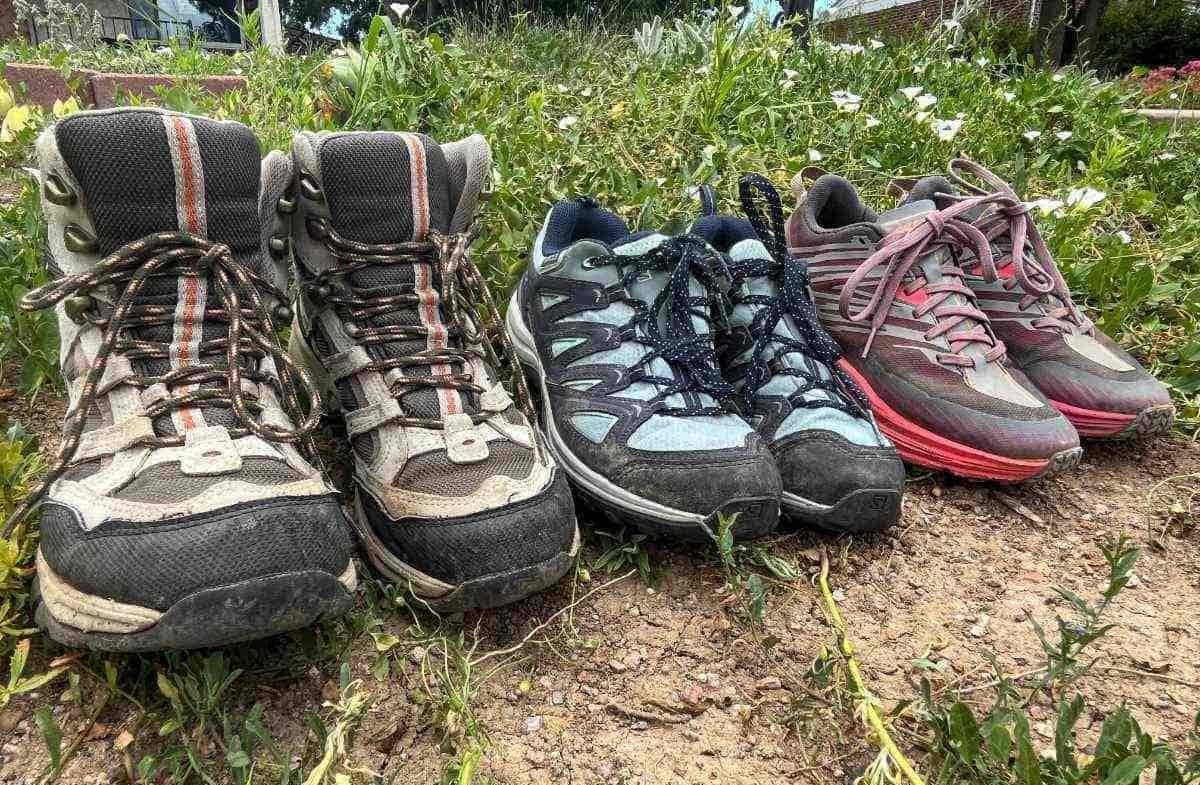
Choosing the right footwear for trail running matters a lot. Hiking shoes can work but may not suit all runners. Many runners prefer other shoe types designed specifically for trails. These options offer better comfort, grip, and speed on rough paths.
Hybrid Hiking-running Shoes
Hybrid hiking-running shoes combine features of both shoe types. They offer strong support like hiking shoes. At the same time, they stay lighter and more flexible for running. These shoes work well for short trail runs or mixed activities. They provide good grip and protect feet on uneven ground.
Minimalist Trail Shoes
Minimalist trail shoes have very little padding. They allow feet to move more naturally. These shoes help runners feel the trail surface better. They are very light and flexible. Minimalist shoes suit experienced runners who want a close-to-ground feel. They also help strengthen foot muscles over time.
Standard Trail Running Shoes
Standard trail running shoes focus on comfort and protection. They have thick soles with deep treads for better grip. These shoes cushion the feet from rocks and roots. They are usually lighter than hiking shoes but still durable. Most trail runners prefer this type for long runs.
Credit: www.treelinereview.com
Frequently Asked Questions
Can Hiking Shoes Provide Enough Support For Trail Running?
Hiking shoes offer good support but may lack flexibility for fast trail running. They suit slow to moderate paces and rugged terrains. For aggressive trail running, specialized trail running shoes are better.
Are Hiking Shoes Suitable For Wet Trail Conditions?
Yes, many hiking shoes have water-resistant features and good traction. They handle wet trails well but may be heavier than trail running shoes. Waterproof hiking shoes help keep feet dry and comfortable.
Do Hiking Shoes Have Enough Grip For Trail Running?
Hiking shoes have durable outsoles with deep lugs for grip on uneven surfaces. This makes them reliable on technical trails. However, trail running shoes often provide lighter, more responsive traction for speed.
Can Hiking Shoes Prevent Common Trail Running Injuries?
Hiking shoes offer ankle support and cushioning, reducing injury risk on rough trails. However, they are heavier, which may cause fatigue during fast runs. Trail running shoes focus more on shock absorption and flexibility.
Conclusion
Hiking shoes can work for trail running in some cases. They offer good support and protection. But they might feel heavy and less flexible. Trail running shoes are lighter and designed to move quickly. Choose shoes based on your trail type and pace.
Comfort matters most for any outdoor activity. Test your shoes before long runs. This helps avoid injuries and discomfort. Think about your needs, then decide what fits best. Your feet will thank you on every trail.
