
Are you planning your next camping trip and wondering if you can use patio gas for your camping stove? It’s a common question that can save you time, money, and hassle.
Using the right fuel is crucial for a safe and enjoyable outdoor cooking experience. You’ll discover whether patio gas is a good fit for your camping stove, what you need to watch out for, and some smart tips to make your cooking easier.
Keep reading to make sure your next adventure is fueled the right way!
Patio Gas Basics
Patio gas is a popular fuel for outdoor appliances. It offers a convenient way to power devices like heaters and grills. Understanding the basics of patio gas helps you decide if it suits your camping stove needs. Below are key details about its makeup and typical uses.
Composition And Properties
Patio gas mostly contains propane or butane. These gases are stored as liquids under pressure. They turn into gas when released, creating a steady flame. Propane works well in cold weather. Butane needs warmer temperatures to vaporize properly. Patio gas is highly flammable and must be handled carefully. It burns cleanly and produces a lot of heat. The pressure and fuel type affect how it performs in stoves.
Common Uses
Patio gas is commonly used for outdoor heaters and BBQ grills. Many people use it to warm patios or balconies. It also fuels portable fire pits and patio lamps. Some camping stoves can run on patio gas with the right adapters. This gas is easy to find in stores and refill. It offers a reliable source of heat for outdoor activities. Many campers prefer patio gas for its availability and clean burn.

Credit: www.walmart.com
Camping Stove Fuel Types
Camping stoves need fuel to work. Different fuels burn in different ways. Choosing the right fuel can make cooking easier and safer. Understanding fuel types helps you pick the best option for your trip.
Standard Fuels For Stoves
Most camping stoves use one of these fuels: propane, butane, or a mix of both. Propane comes in small tanks and works well in cold weather. Butane is popular for lightweight stoves and packs easily. Some stoves use liquid fuels like white gas or kerosene. Each fuel type has its own advantages and limits.
Fuel Compatibility
Not all fuels fit every stove. Check your stove’s manual for fuel type. Using the wrong fuel can damage the stove or cause danger. Patio gas, often propane, may fit some camping stoves. But pressure and connection types must match exactly. Always confirm compatibility before using any new fuel.
Using Patio Gas With Camping Stoves
Using patio gas with camping stoves can be a practical choice for many outdoor enthusiasts. Patio gas, often sold in larger cylinders, provides a steady fuel source. It might seem convenient to use this fuel for camping stoves that usually run on small gas canisters. Before making the switch, understanding key points about safety and performance helps ensure a smooth and safe experience.
Safety Considerations
Patio gas cylinders hold more pressure than typical camping gas canisters. This difference means the stove and its connectors must handle higher pressure safely. Check the camping stove’s manual to see if it supports patio gas use. Never force patio gas fittings onto camping stoves without the right adapter. Poor connections risk gas leaks, which can cause fires or explosions. Always test for leaks with soapy water before lighting the stove. Store patio gas cylinders upright and away from heat sources.
Performance Factors
Patio gas often contains propane or a propane-butane mix. This blend burns hotter and longer than pure butane, common in camping gas. Using patio gas can improve stove performance in cold weather. The higher pressure may increase flame size, so adjust stove controls carefully. Some camping stoves may need pressure regulators for smooth operation. Patio gas cylinders are heavier and bulkier, which affects portability. Make sure your camping setup can handle the extra weight and size.

Credit: www.amazon.com
Pros And Cons Of Patio Gas For Camping
Using patio gas for camping stoves has both good and bad points. It is important to know these before choosing your fuel. This helps you decide if patio gas suits your camping needs. Here is a clear look at the advantages and potential drawbacks of patio gas for camping.
Advantages
Patio gas is easy to find in many stores. It usually comes in large, refillable tanks. This can save money over time. It burns cleanly and produces steady heat. This helps cook food evenly while camping. Patio gas stoves often have strong flames. This allows faster cooking than some other fuels. The tanks connect easily to many stove types. This makes setup quick and simple. Patio gas also tends to last longer during use. This means fewer tank changes on trips.
Potential Drawbacks
Patio gas tanks can be heavy to carry. They are less portable than small camping gas canisters. Some camping stoves may not fit patio gas tanks. This limits stove choice on your trip. Patio gas tanks need careful storage to avoid leaks. They also require proper handling due to pressure inside. The tanks can be bulky, taking more space in your gear. Using patio gas outdoors in cold weather may reduce flame strength. This could make cooking slower or harder. Always check stove compatibility before using patio gas.
Tips For Safe Use
Using patio gas for camping stoves can be practical but needs care. Safety is the top priority. Follow these tips to use patio gas safely on your camping trips. Proper handling and the right tools keep you safe and your stove working well.
Proper Equipment
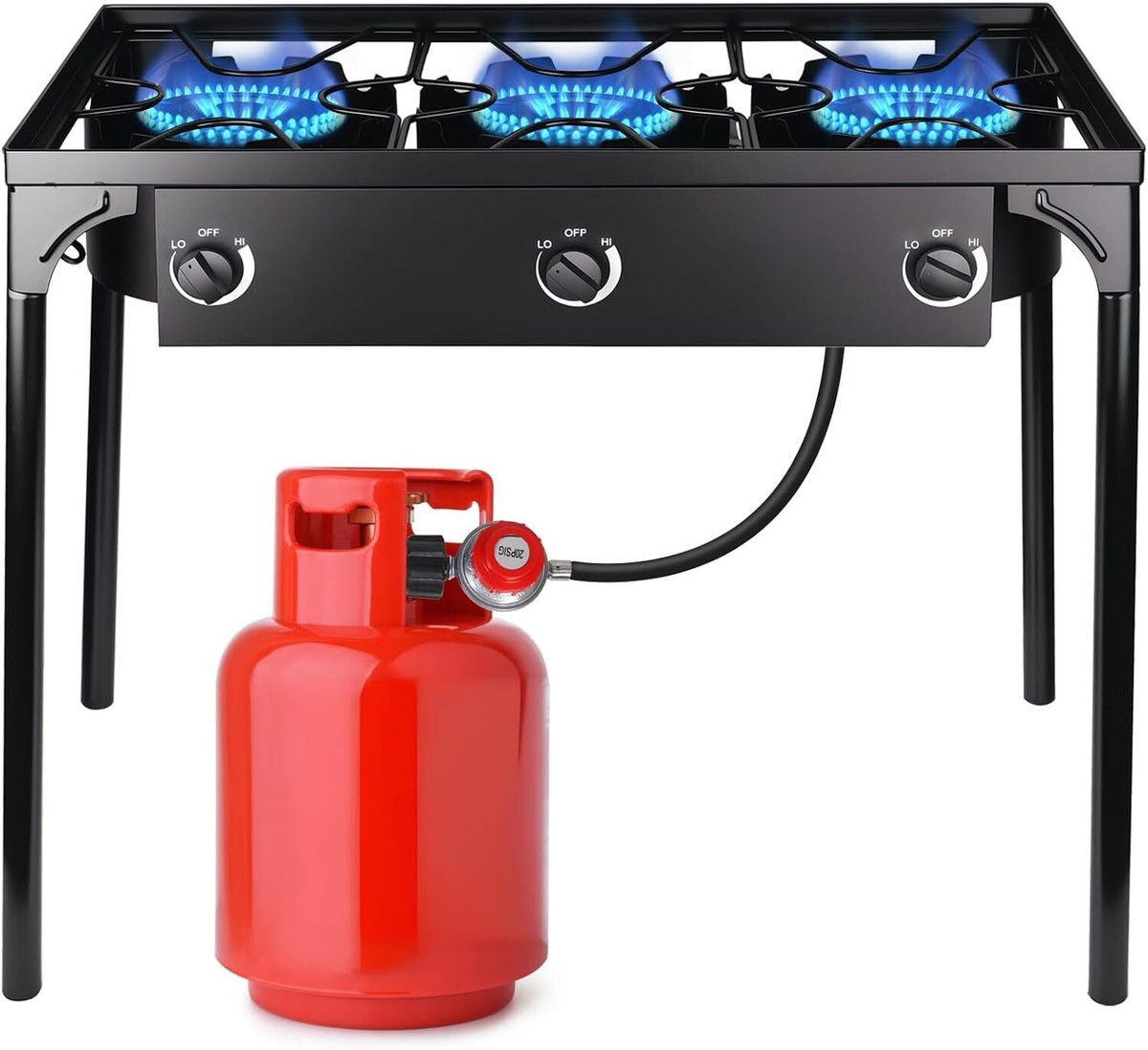
Use only stoves made for gas canisters. Check if the stove fits the patio gas cylinder. Use a pressure regulator if needed. This controls gas flow and avoids leaks. Always inspect connections for tight seals before use. Avoid makeshift adapters or tools not designed for gas.
Storage And Handling
Store patio gas cylinders in a cool, dry place away from heat. Keep them upright to prevent gas leaks. Never store gas near flames or electrical devices. Carry cylinders in a ventilated container during travel. Avoid dropping or shaking cylinders to protect seals and valves.
Credit: www.ebay.com
Frequently Asked Questions
Can Patio Gas Be Safely Used In Camping Stoves?
Yes, patio gas can be used in camping stoves if the stove supports propane. Always check compatibility and follow safety guidelines to prevent leaks or accidents.
What Are The Differences Between Patio Gas And Camping Gas?
Patio gas is usually propane or a propane blend, while camping gas can be butane or isobutane. Propane works better in cold weather and high altitudes.
Is Patio Gas Efficient For Outdoor Camping Stoves?
Patio gas, especially propane, burns hotter and lasts longer, making it efficient for outdoor camping stoves. It performs well in varying weather conditions.
How Do I Connect Patio Gas To A Camping Stove?
Use the correct adapter or regulator designed for patio gas cylinders. Ensure all connections are tight and leak-free before lighting the stove.
Conclusion
Patio gas can work for camping stoves, but be careful. Check the stove’s instructions first. Some stoves need special gas types for safety. Patio gas may not fit all stove connectors. Carry a proper adapter if needed. Always test your stove before camping.
Carry extra gas for longer trips. Keep safety in mind to avoid accidents. Using the right gas keeps cooking smooth and safe outdoors. Choose wisely and enjoy your camping meals without trouble.
