
Have you ever dreamed of camping somewhere wild and free, away from crowded campsites? Imagine waking up to the sound of birds, with no neighbors nearby, just you and nature.
But can you camp not in a campsite? The idea sounds exciting, but it also raises questions. Where can you go? Is it legal? What should you know before you set up your tent? Keep reading, because understanding the rules and tips for camping outside traditional sites can turn your adventure into a safe and unforgettable experience.
Your next trip could be closer to true freedom than you think.
Legal Aspects Of Wild Camping
Wild camping means camping outside official campsites. It offers freedom and adventure. But it also involves legal rules. Knowing these rules helps avoid fines or trouble. Laws differ by country and region. Understanding permits, land types, and local laws is important. This section explains the main legal points about wild camping.
Laws By Region
Each region has its own camping laws. Some allow wild camping freely. Others have strict rules or bans. For example, wild camping is legal in parts of Scandinavia. Many areas in the United States require camping only in designated spots. Always check local laws before camping. Ignorance of rules can lead to penalties.
Permits And Restrictions
Some places require permits for wild camping. These permits control the number of campers. They help protect nature and wildlife. Restrictions may include where to camp and for how long. Certain areas may ban fires or tents. Permits often cost little or nothing. Getting one is easy through local offices or websites.
Private Vs Public Land
Public land often allows wild camping, but with rules. National parks and forests usually have clear regulations. Private land needs the owner’s permission. Camping without permission on private land is trespassing. Respect landowners and ask before camping. This avoids legal problems and shows good manners.
Credit: www.greenmountainclub.org
Choosing A Spot
Choosing the right spot for camping outside a campsite matters a lot. It affects your safety, comfort, and the environment. Picking a good place helps you enjoy nature without problems.
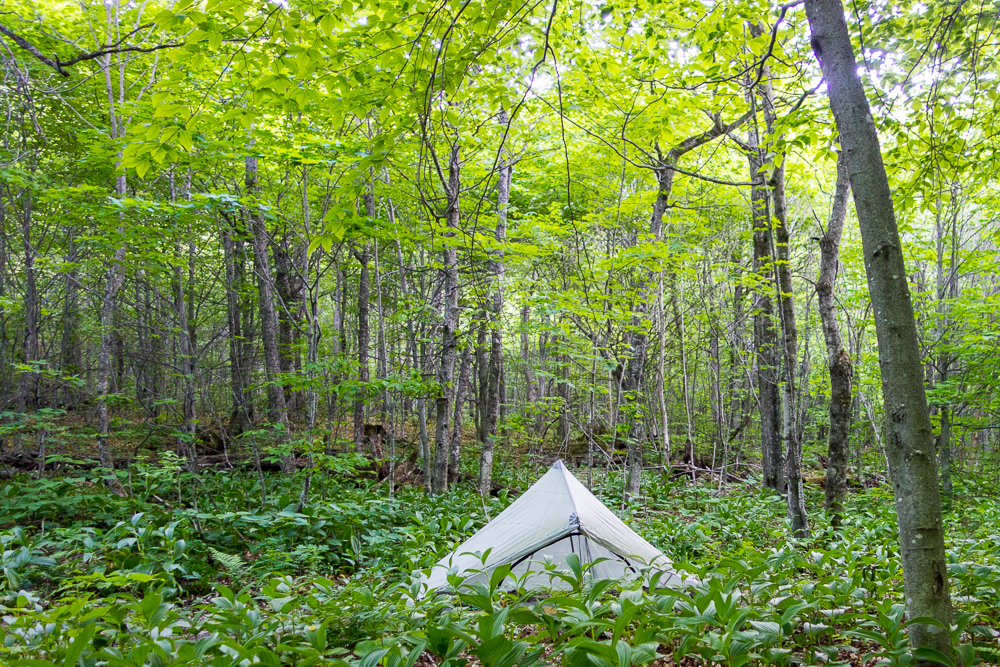
Think about where you set up your tent. The spot should be flat and dry. Avoid places near cliffs or unstable ground. Clear rocks and sharp sticks to protect your tent floor and yourself.
Safety Considerations
Find a spot away from animal trails and water sources. Wild animals visit these areas often. Choose a place with natural wind protection like trees or bushes. Avoid low spots that can fill with water after rain. Stay clear of dead trees or branches that can fall.
Environmental Impact
Camp on durable surfaces like dirt or grass. Avoid fragile plants and flowers. Do not disturb animal homes or nests. Pack out all trash and leftover food. Leave the spot as you found it or better. Avoid making new fire rings or cutting live wood.
Accessibility
Pick a place easy to reach by foot or vehicle. Avoid steep hills or thick brush. Close to water is good but not too close. Think about how far you want to carry your gear. Choose a spot near trails but not on them. This helps keep the path clear for others.
Essential Gear For Off-site Camping
Camping outside a designated campsite means more freedom and challenges. You must carry gear that keeps you safe and comfortable. The right tools make your trip easier and more fun. This section covers key gear for off-site camping.
Shelter Options
A good shelter protects you from wind, rain, and bugs. A lightweight tent is easy to carry and set up. Tarps and hammocks work well for quick campsites. Choose a shelter that fits the weather and terrain. Always check for sturdy stakes and ropes.
Cooking Equipment
Simple cooking gear helps you prepare warm meals outdoors. A portable stove is compact and burns fuel efficiently. Bring lightweight pots and pans for boiling water and cooking. Don’t forget utensils and a lighter or matches. Pack food that cooks quickly and stores well.
Navigation Tools
Finding your way is key when camping off-site. A map and compass are reliable and don’t need batteries. A GPS device offers precise location tracking. Always carry extra batteries or a power bank. Know how to read your tools before the trip.
Credit: dlnr.hawaii.gov
Leave No Trace Practices
Camping outside a designated campsite can be a thrilling experience. It offers freedom and a deeper connection with nature. Still, it comes with great responsibility. Practicing Leave No Trace helps protect the environment for future visitors. These principles guide campers to reduce their impact and respect the land.
Waste Disposal
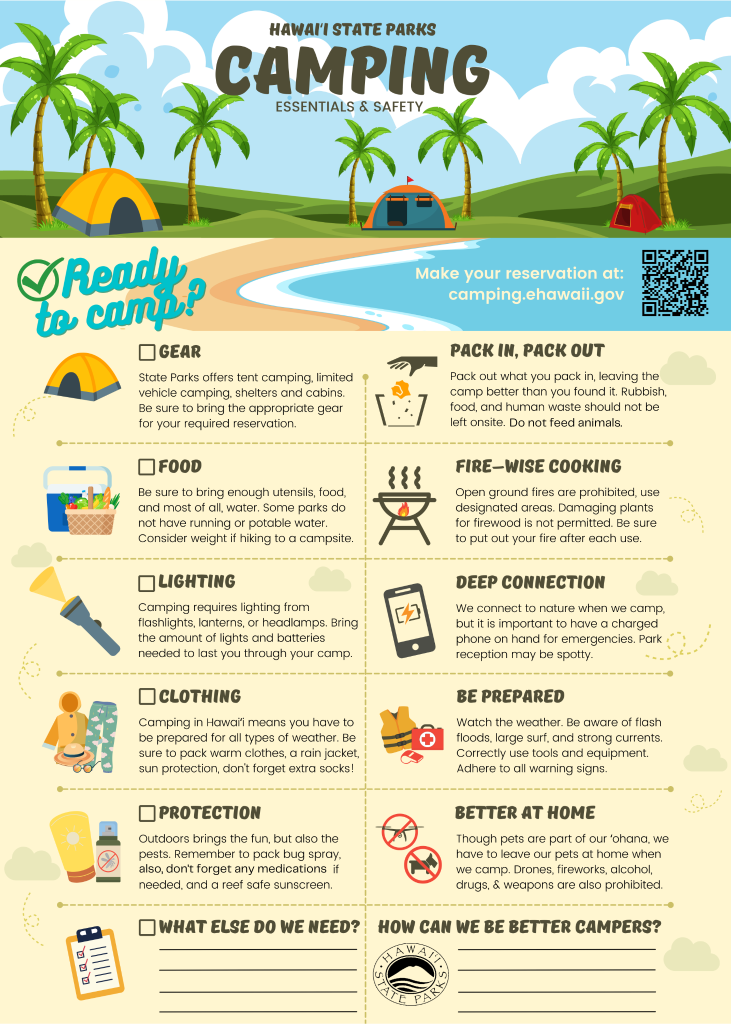
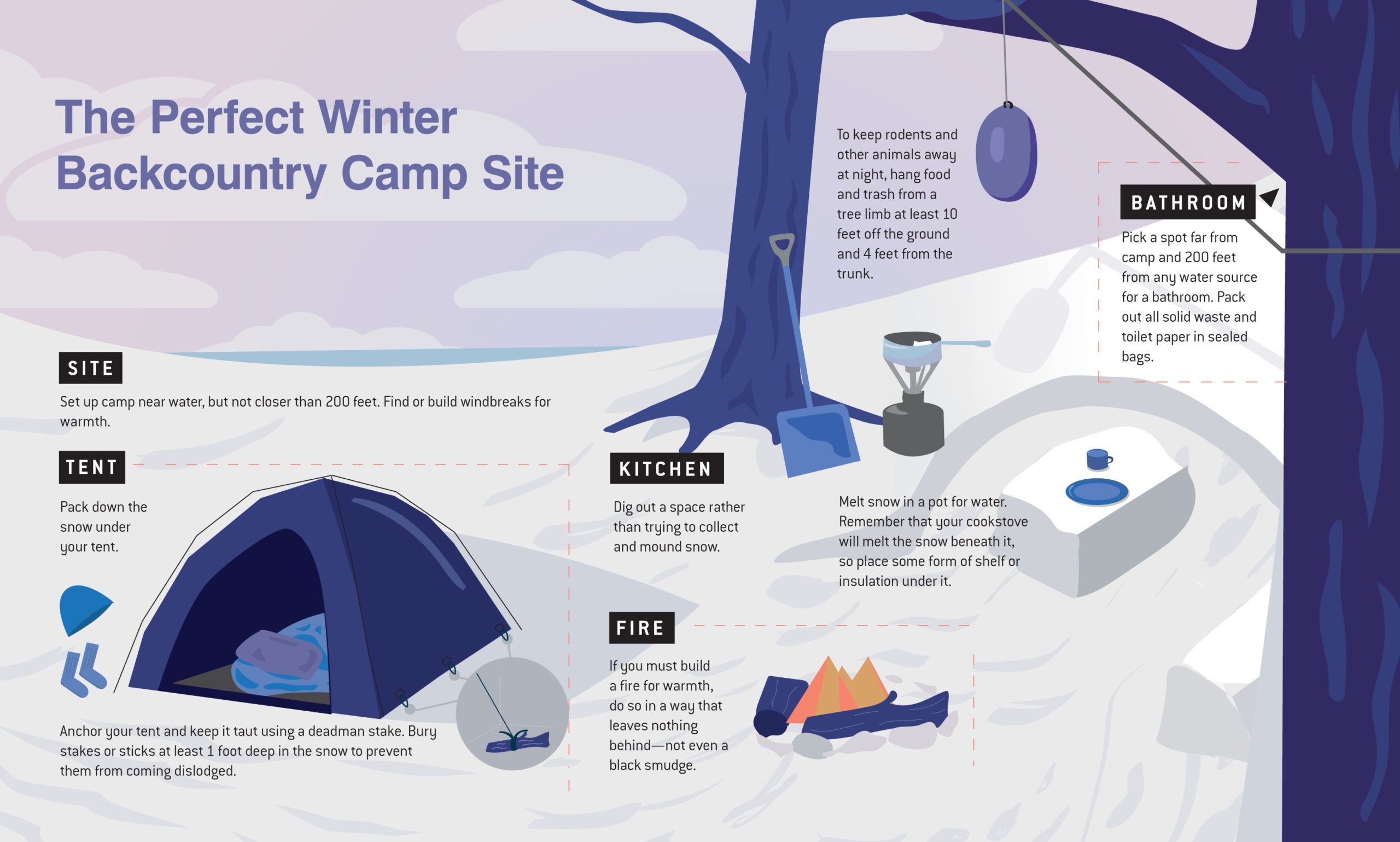
Carry out all trash, leftover food, and litter. Use a small shovel to bury human waste at least 6-8 inches deep. Choose a spot 200 feet away from water sources, trails, and campsites. Pack out used toilet paper and hygiene products in sealed bags. Never burn trash, as it harms wildlife and pollutes the air.
Minimizing Footprint
Camp on durable surfaces like rocks or dry grass. Avoid fragile plants and wet areas. Keep your group small to reduce impact. Use existing fire rings or portable stoves instead of building new fires. Spread out gear and tents to avoid damaging one spot.
Respecting Wildlife
Observe animals from a distance and do not feed them. Store food securely to prevent attracting wildlife. Keep noise levels low to avoid disturbing animals. Avoid touching or approaching nests and dens. Protect nature’s balance by leaving animals alone and undisturbed.
Benefits Of Camping Outside Campsites
Camping outside designated campsites offers a unique experience. It allows you to enjoy nature in a pure and simple way. You get a chance to escape crowds and noise. This style of camping brings many rewards for your mind and body.
Exploring off-the-beaten-path spots makes your trip more exciting. You feel free to choose your own perfect place to stay. It creates a special bond with the environment around you.
Privacy And Solitude
Camping away from busy campsites gives you real privacy. No neighbors close by, no bright lights at night. Just silence and calm. It helps you relax deeply and enjoy your own space.
Without crowds, you can sleep better and wake up refreshed. You find peace that is hard to get in crowded areas.
Connection With Nature
Staying outside campsites brings you closer to nature. You hear birds sing and water flow clearly. You see stars shining bright without city lights.
This closeness makes you appreciate the environment more. It teaches respect and care for natural places. You become part of the wilderness, not just a visitor.
Adventure And Exploration
Camping off-site adds adventure to your trip. You discover new paths and hidden spots. You learn how to set up camp in different places.
Each night is a new challenge and a new story. It builds confidence and skills for future outdoor trips. You never know what surprises nature has for you.
Challenges And Solutions
Camping outside a designated site brings many challenges. These challenges need careful planning and smart solutions. Understanding common issues helps you stay safe and comfortable during your trip.
Weather And Shelter
Weather can change quickly in the wild. Rain, wind, or cold nights may surprise you. Without proper shelter, you risk getting wet or cold. Carry a sturdy tent or tarp. Set it up where natural windbreaks exist. Check weather forecasts before your trip. Always prepare for sudden weather changes.
Safety Concerns
Camping outside a campsite means fewer people around. This isolation can lead to safety risks. Watch out for wildlife and insects. Store food carefully to avoid attracting animals. Let someone know your location and plans. Carry a first aid kit and know basic safety steps. Stay alert and trust your instincts.
Finding Water Sources
Water is essential for any camping trip. Natural water sources may be far or unsafe to drink. Search for streams, rivers, or springs nearby. Always filter or boil water before drinking. Carry extra water if unsure about availability. Plan your route around known water spots to stay hydrated.
Credit: www.outdoors.org
Frequently Asked Questions
Can You Camp Legally Outside A Designated Campsite?
Camping outside designated campsites is often illegal on private or protected lands. Always check local laws and permissions before camping. Some public lands allow dispersed camping with restrictions. Ignoring rules can lead to fines or removal by authorities.
What Are The Risks Of Camping Not In A Campsite?
Camping outside campsites can expose you to hazards like wildlife, unsafe terrain, and lack of facilities. Emergency help may be harder to reach. It can also damage the environment if not done responsibly. Always prioritize safety and leave no trace.
How To Find Safe Spots For Camping Off-site?
Look for public lands that permit dispersed camping, such as national forests. Use maps and apps to identify legal areas. Check for water sources and flat terrain. Avoid private property and environmentally sensitive zones to camp safely.
Do You Need Special Permits For Off-site Camping?
Some areas require permits for camping outside official sites. This is common in national parks and protected areas. Permits help manage environmental impact and visitor numbers. Always research and obtain permits in advance to avoid penalties.
Conclusion
Camping outside a campsite can be fun and free. It lets you enjoy nature quietly and alone. Always check local rules before you set up your tent. Respect the land and leave no trash behind. Stay safe by choosing flat ground and clean water.
Camping this way needs care and planning. It can give you a new adventure and peaceful time outdoors. Try it once, and you might love the freedom. Just remember to be kind to nature and others.
