
Can You Hike In Blundstones
Blundstones have become a favorite in cities, farms, and festivals. These Australian boots are known for their style and toughness. But as hikers look for new footwear, a question often comes up: Can you hike in Blundstones? People see these boots everywhere—from muddy trails to busy streets—so it’s natural to wonder if they can handle hiking. This article explores if Blundstones are up to the task, how they compare to hiking boots, and what you need to know before wearing them on your next trail. By the end, you’ll know if Blundstones are right for your hiking adventures.
What Are Blundstones?
Blundstones started in Tasmania in the 1870s. They are best known for their Chelsea boot design with elastic sides and no laces. The company’s most popular style is the Blundstone 500 Series. These boots are made with leather uppers, a tough sole, and a pull-on loop at the back. Blundstones are designed for everyday wear, making them easy to take on and off. They are popular with workers, students, and travelers because they are comfortable and durable.
Key Features
- Leather upper: Water-resistant and strong
- Elastic sides: Easy slip-on, flexible fit
- Shock-absorbing sole: Reduces impact for comfort
- Lightweight: Easier to walk in than heavy boots
- Minimal seams: Less chance of rubbing or blisters
Blundstones are not marketed as hiking boots, but their features make some people think they could work for trails.
Hiking Needs: What Matters Most?
When choosing hiking footwear, it’s important to understand what makes a boot or shoe good for trails. Hiking can mean a short walk in the woods or a long climb up rocky mountains. Here are the most important things hikers look for:
Traction
Good hiking boots have soles with deep lugs—the bumps and grooves that grip the ground. This stops you from slipping on mud, rocks, or wet leaves.
Support
Hiking boots usually have ankle support and a stiff sole. This helps protect your feet and ankles on uneven ground.
Protection
You want boots that keep out water, dirt, and sharp objects. Toe caps and thick soles help avoid injury.
Comfort
Hiking often lasts hours. Boots must fit well, not cause blisters, and feel good even after miles of walking.
Weight
Heavy boots tire your legs. For longer hikes, lighter boots are better, but they still need to protect your feet.
Durability
Trails can be hard on boots. Materials should hold up to mud, rocks, and water.
Blundstones do well in some areas and less so in others. Let’s compare them to classic hiking boots.
Blundstones Vs. Hiking Boots: A Direct Comparison
To see if Blundstones can handle hiking, it’s helpful to compare them directly with hiking boots. The table below shows how they stack up:
| Feature | Blundstone Boots | Typical Hiking Boots |
|---|---|---|
| Traction | Moderate (shallow tread) | High (deep, aggressive lugs) |
| Support | Low-Medium (no ankle padding) | High (ankle support, stiffer sole) |
| Water Resistance | Good (leather upper) | Excellent (waterproof membranes) |
| Weight | Light-Medium | Medium-Heavy |
| Comfort | High (easy slip-on, flexible) | Varies (depends on fit and break-in) |
| Durability | High (for everyday use) | High (for rough terrain) |
| Toe Protection | Basic | Reinforced toe cap |
As you can see, Blundstones offer comfort and water resistance, but lack strong traction and support for challenging hikes.
Real Trail Experiences: Who Uses Blundstones?
Some hikers use Blundstones for short, easy trails. They like how comfortable and simple the boots feel. For city walks, park trails, or mild terrain, Blundstones can work well. Many urban hikers prefer them because they look good and feel good after hours of walking.
However, experienced hikers often avoid Blundstones for tough trails. Here are some real-life examples:
- Casual city hikes: People walk miles in Blundstones without pain or blisters.
- Wet grass and mud: Boots handle light moisture, but soles can slip on slick surfaces.
- Rocky paths: Without ankle support, feet can twist or tire quickly.
- Mountain trails: Hikers report sore feet and less grip compared to hiking boots.
One non-obvious insight: Many hikers don’t realize that Blundstones lack a rock plate—a stiff layer in hiking boots that protects your foot from sharp stones. This means you might feel every rock underfoot.
Another insight: Blundstones are not breathable like hiking shoes with mesh. On hot days or long hikes, your feet may sweat more, leading to discomfort.
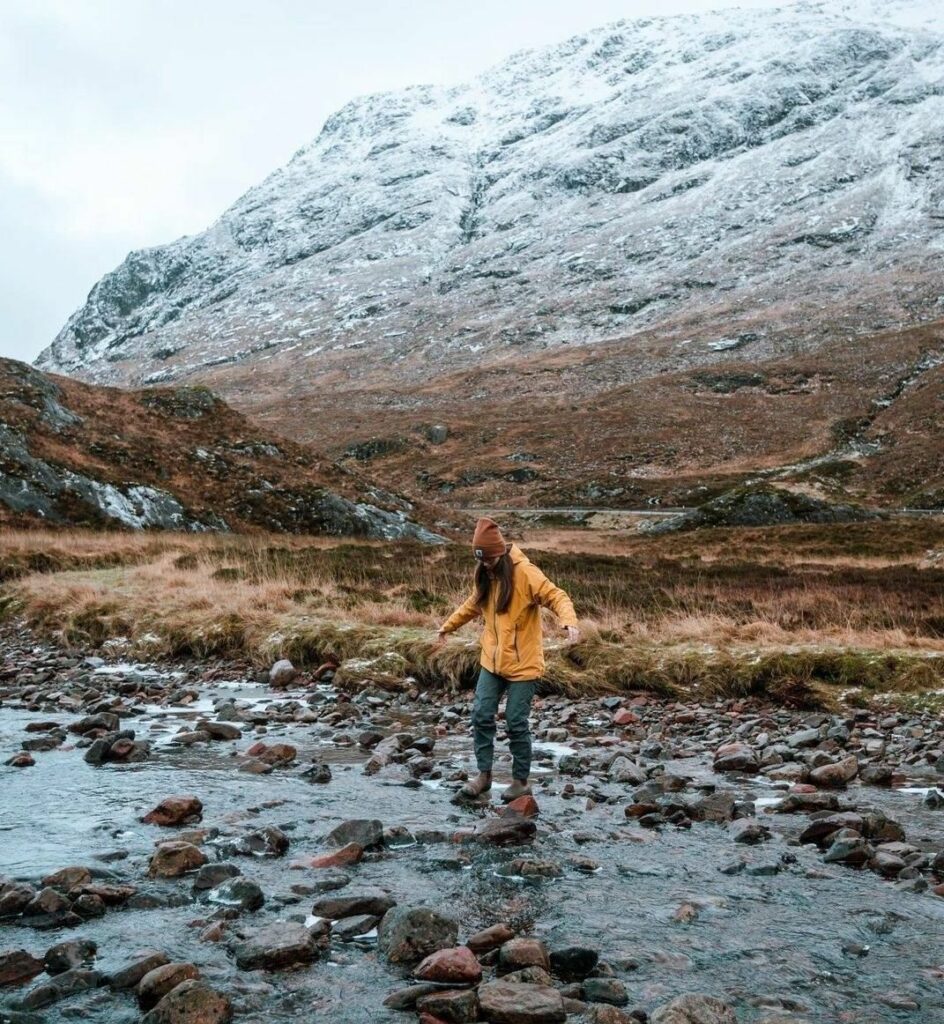
Credit: markschilliwack.com
Pros And Cons Of Hiking In Blundstones
To decide if Blundstones are right for hiking, it’s helpful to weigh their advantages and disadvantages.
Pros
- Comfortable for walking
- Easy to slip on and off
- Stylish for town and trail
- Water-resistant leather
- Durable for everyday use
- Lightweight compared to heavy boots
Cons
- Limited traction on mud and rocks
- No ankle support
- Not fully waterproof
- No toe cap or rock plate
- Can get hot on long hikes
- Soles wear quickly on rough terrain
Most hikers agree: Blundstones are good for short, easy hikes, but not for steep or technical trails.
Choosing The Right Blundstone Model For Hiking
If you want to try hiking in Blundstones, picking the right model makes a difference. Not all Blundstones are the same. Here’s a comparison of three popular types:
| Model | Upper Material | Sole Type | Key Features |
|---|---|---|---|
| Classic 500 | Leather | Standard tread | Comfort, water resistance |
| Thermal Series | Leather + Thinsulate | Slip-resistant | Warmth, extra grip |
| Vegan Series | Synthetic | Standard tread | Animal-free, lighter |
The Thermal Series offers better grip and warmth, which can be helpful for cold, wet trails. Still, none of these models are made for technical hiking.
How To Make Blundstones More Trail-ready
Some hikers use Blundstones with extra gear to improve their performance. Here are ways to make them safer and more comfortable for hiking:
- Add insoles: Buy supportive insoles to improve comfort and arch support.
- Wear hiking socks: Thick socks prevent blisters and absorb sweat.
- Use gaiters: Gaiters cover the ankle and keep out dirt, water, and stones.
- Avoid steep or slippery trails: Stick to easy, dry paths where Blundstones work best.
- Clean and care for boots: Regular cleaning and leather treatment keep boots water-resistant and strong.
These tips help Blundstones last longer and feel better on the trail, but they do not solve the lack of traction or support.
Safety Considerations: What To Watch Out For
Hiking in Blundstones can be enjoyable, but you must pay attention to safety. Here’s what to watch for:
- Slipping: The soles can slide on wet rocks or mud. Walk slowly on slippery surfaces.
- Twisted ankles: Without ankle support, your foot can roll or twist easily.
- Sharp objects: Stones and sticks may poke through the sole. Step carefully.
- Wet feet: If boots get soaked, feet can blister or get cold.
One practical tip: If you plan a hike longer than 3 miles, bring spare socks and a backup pair of shoes. If your feet get sore or wet, you can switch.
Many people overlook the risk of foot fatigue. Because Blundstones have a flexible sole, your foot muscles work harder on rough ground. This can cause tired, achy feet after only a short hike.
When Are Blundstones A Good Choice For Hiking?
Blundstones shine in certain situations. Here’s where they work well:
- Urban hikes: Walking through city parks, paved trails, or sidewalks
- Short nature walks: Easy paths with little mud or rocks
- Travel and sightseeing: Exploring new cities or tourist spots
- Camping trips: Moving around campgrounds or light trails
- Dog walks: Everyday strolls in the neighborhood
If you hike in these places, Blundstones can be a comfortable and stylish choice. They are not suitable for backpacking, mountain climbing, or wet, muddy hikes.
Comparing Blundstones To Other Hiking Alternatives
Some hikers consider Blundstones because they don’t like classic hiking boots. There are other alternatives you might consider:
| Type | Strengths | Weaknesses |
|---|---|---|
| Trail running shoes | Lightweight, great grip, breathable | Less ankle support, less durable |
| Hiking sandals | Cool, comfortable, easy to clean | Little protection, not good for rocky trails |
| Walking shoes | Very comfortable, good for paved paths | Not for rough terrain |
| Blundstones | Stylish, water-resistant, comfortable | Limited grip, no ankle support |
For serious hiking, trail running shoes are often a better choice than Blundstones. For casual walks, Blundstones are more stylish and easy to wear.

Credit: www.blundstone.com
Common Mistakes Beginners Make
If you’re new to hiking in Blundstones, avoid these mistakes:
- Ignoring terrain: Don’t wear Blundstones on steep or muddy trails.
- Skipping socks: Thin socks lead to blisters and sweaty feet.
- Not breaking in boots: Wear Blundstones for short walks before hiking longer distances.
- Forgetting to check weather: Wet conditions make Blundstones slippery and less comfortable.
- Carrying heavy loads: With no ankle support, heavy backpacks can cause foot and ankle pain.
Many beginners think all boots are equal, but hiking boots and Blundstones serve different purposes.
Expert Opinions And Research
Outdoor experts agree Blundstones are not true hiking boots. According to the American Hiking Society, good hiking footwear must offer strong grip, support, and protection. Blundstones, while tough and comfortable, lack these features for rough trails.
A recent survey of hikers found only 12% use Blundstones for hiking, mostly on short, easy walks. In contrast, over 70% prefer hiking boots or trail shoes for longer hikes.
One interesting detail: Blundstones last 3–5 years with daily use, but when used on rough trails, the sole wears out in less than 1 year.
For more about hiking footwear standards, see the American Hiking Society.
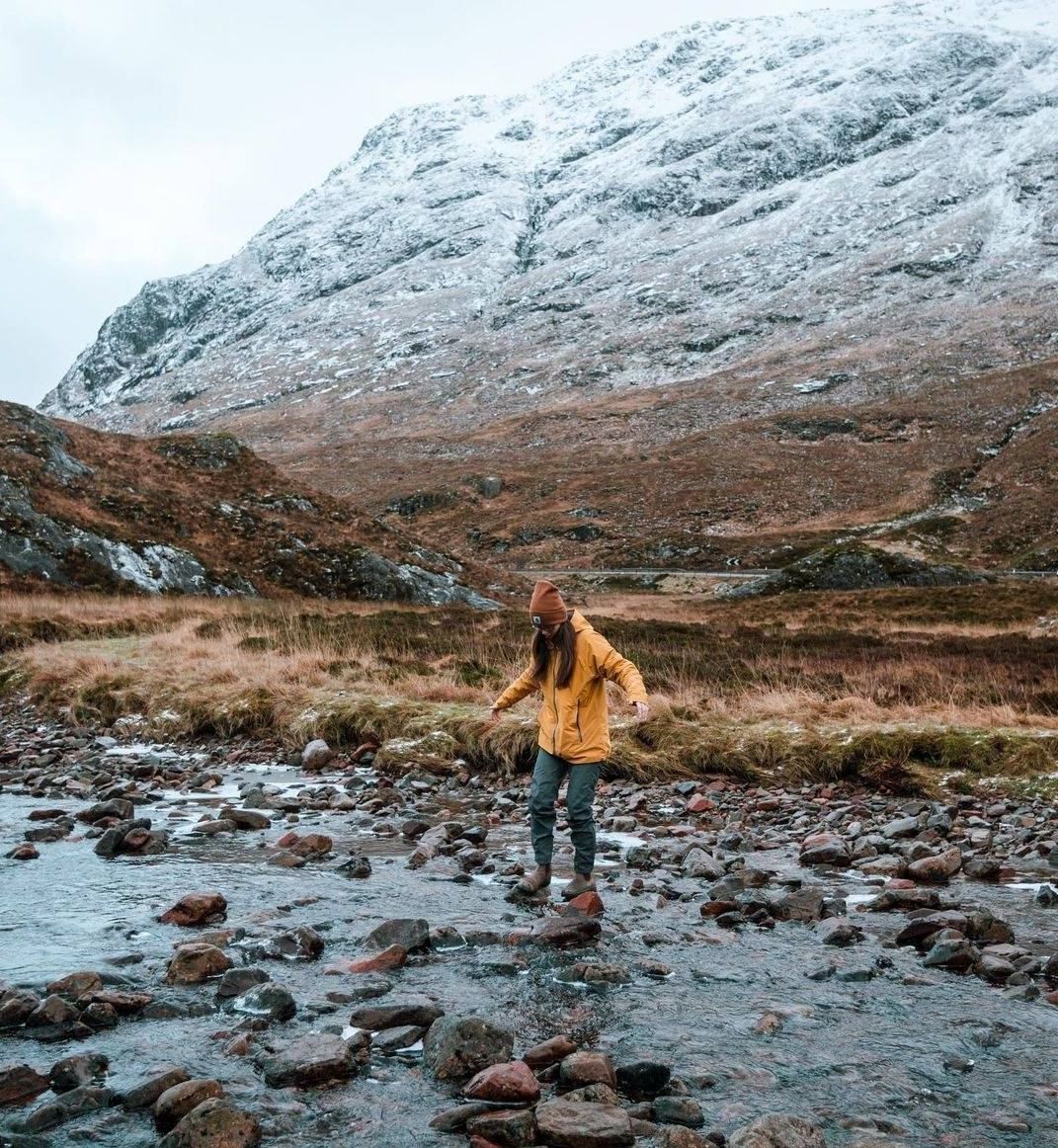
Credit: markschilliwack.com
How To Care For Blundstones After Hiking
If you hike in Blundstones, cleaning and care are important. Here’s how:
- Remove dirt: Brush off mud and stones after each hike.
- Clean with damp cloth: Wipe the leather gently.
- Dry slowly: Let boots air dry—never use heat, as it damages leather.
- Treat leather: Use a leather conditioner every few months.
- Store properly: Keep boots in a cool, dry place.
Proper care keeps your Blundstones comfortable and water-resistant for longer.
Blundstones For Kids And Families
Families sometimes buy Blundstones for kids because they are easy to wear and last long. For short hikes and park walks, Blundstones are fine for children. But for longer or rougher trails, kids need shoes with more grip and support.
One tip: If you buy Blundstones for kids, make sure they fit snugly. Loose boots can cause blisters and make walking difficult.
Environmental Impact And Sustainability
Blundstones are made mostly from leather, which lasts a long time. The company also offers vegan options with synthetic materials. Compared to hiking boots, Blundstones use fewer synthetic parts, which can be good for the environment.
However, hiking boots often use recycled materials and eco-friendly designs. If sustainability matters to you, check the brand’s website for details about their materials and production.
Frequently Asked Questions
Are Blundstones Waterproof?
Blundstones are water-resistant but not fully waterproof. They handle light rain and wet grass, but deep puddles or heavy rain can soak through. For wet hikes, waterproof hiking boots are better.
Can I Use Blundstones For Mountain Hiking?
It’s not safe to use Blundstones on mountain trails. They lack grip, ankle support, and toe protection. For mountain hiking, use boots designed for rough terrain.
Do Blundstones Cause Blisters On Long Hikes?
If you wear thin socks or hike for many miles, Blundstones may cause blisters. Thick hiking socks and proper fit help prevent this problem.
How Long Do Blundstones Last With Hiking Use?
For everyday use, Blundstones last 3–5 years. If you use them for hiking on rough ground, the soles may wear out in less than a year.
Are Blundstones Comfortable For Walking All Day?
Yes, Blundstones are comfortable for walking all day on easy terrain. For rough or steep trails, your feet may get tired or sore.
Blundstones offer comfort, style, and durability for everyday walks and short hikes. For serious hiking, they lack the grip, support, and protection you need. If you hike mostly in cities, parks, or easy trails, Blundstones can be a great choice.
For mountain, rocky, or muddy hikes, invest in proper hiking boots. Your feet—and your safety—will thank you.
