
Capitol Reef National Park sits in south-central Utah, hidden away from the crowds of Zion and Bryce. The park is famous for its Waterpocket Fold, a giant wrinkle in the earth stretching nearly 100 miles. But Capitol Reef is much more than rocks and canyons. Visitors find quiet beauty, unique landscapes, and activities for every interest. If you want adventure, scenery, or a taste of history, Capitol Reef delivers.
Top Attractions In Capitol Reef
Capitol Reef offers a mix of natural wonders and historic sites. Here are the highlights every traveler should consider:
Scenic Drive
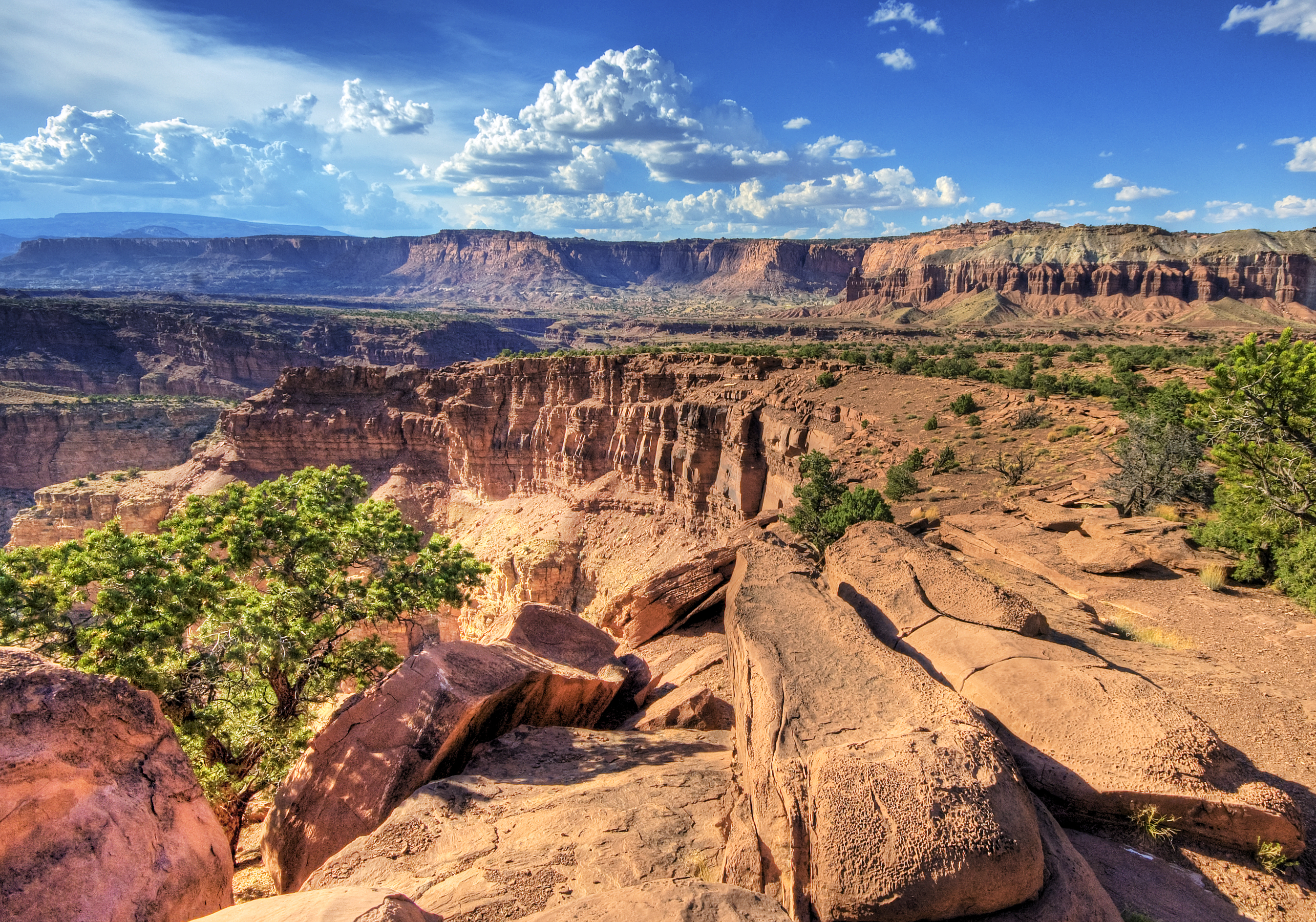
The Scenic Drive is a must for first-time visitors. This 8-mile paved road starts near the visitor center and winds through colorful cliffs and canyons. You’ll pass the Grand Wash, Capitol Gorge, and see striking views of the Waterpocket Fold. Bring your camera—sunrise and sunset here are unforgettable.
Fruita Historic District
Fruita was once a small Mormon settlement. Today, it’s preserved as a living history area with old buildings, picnic spots, and fruit orchards. In summer and fall, you can pick cherries, peaches, apples, and pears for free. The Fruita Schoolhouse, built in 1896, and the Gifford House (selling pies and jams) are popular stops.
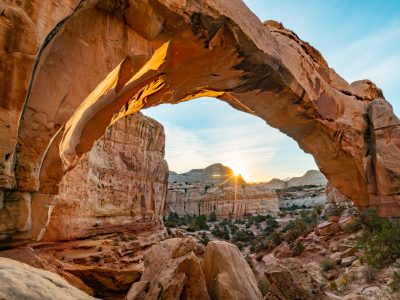
Hickman Bridge Trail
This short hike leads to a natural stone bridge. The Hickman Bridge Trail is 2 miles round-trip and suitable for most people. Along the way, you’ll see ancient Fremont Indian ruins and pictographs. The bridge itself stands 125 feet tall—a favorite for photos.
Cathedral Valley
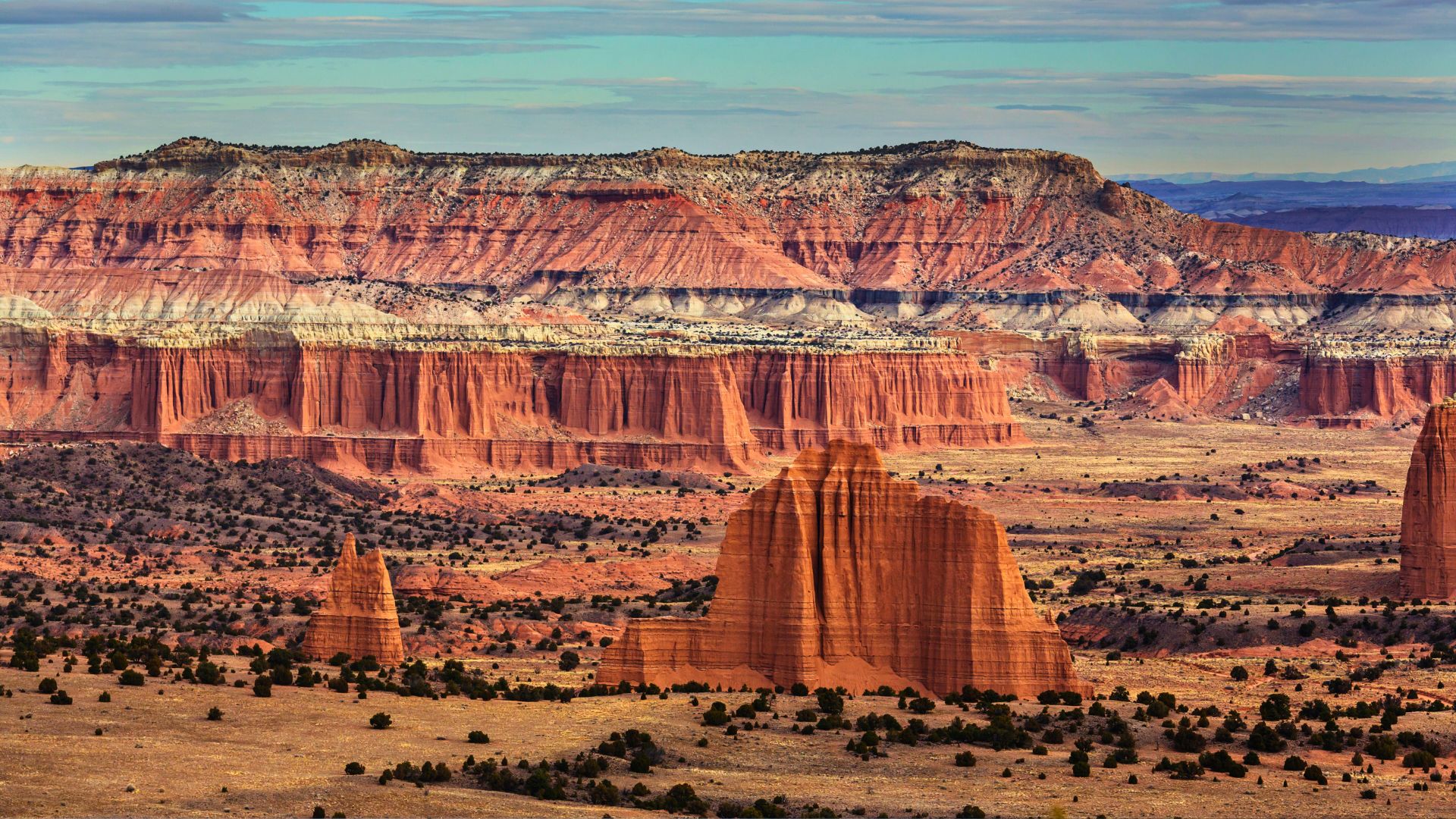
Cathedral Valley sits in the park’s north, far from paved roads. The area is known for giant sandstone monoliths like the Temple of the Sun and Temple of the Moon. A high-clearance vehicle is needed, but the scenery is stunning and uncrowded.
Capitol Gorge
Capitol Gorge is a slot canyon with smooth walls and unique history. Walk the easy trail to see the Pioneer Register—names carved by settlers in the late 1800s. The hike is less than 2 miles, ending at natural water tanks.
Best Things To Do
Capitol Reef has activities for all ages and interests. Here are some of the most popular:
- Hiking: Over 15 marked trails, from easy walks to tough climbs. Try Cassidy Arch, Cohab Canyon, or Sulphur Creek.
- Photography: Sunrise at Panorama Point and sunset at Goosenecks Overlook are favorites for photographers.
- Camping: The Fruita Campground has shady spots and modern facilities. Backcountry camping is allowed with a permit.
- Stargazing: Capitol Reef is a certified International Dark Sky Park. On clear nights, you’ll see thousands of stars.
- Wildlife Watching: Look for deer, bighorn sheep, and dozens of bird species, especially near water sources.
Credit: capitolreefcountry.com
Capitol Reef Vs Other Utah Parks
Capitol Reef is often compared to other Utah national parks. Here’s how it stands out:
| Park | Main Feature | Crowds (Peak Season) | Best Time to Visit |
|---|---|---|---|
| Capitol Reef | Waterpocket Fold, orchards | Low to moderate | Spring, Fall |
| Zion | Canyons, cliffs | High | Spring, Fall |
| Bryce Canyon | Hoodoos | Moderate | Summer, Fall |
| Arches | Stone arches | High | Spring, Fall |
You’ll notice Capitol Reef has fewer crowds and a more relaxed feel. It’s perfect for travelers who want quiet beauty.
Practical Tips For Visiting
Capitol Reef’s remote location means a little planning goes a long way. Here are tips from experienced travelers:
- Bring plenty of water—there are few sources outside Fruita.
- Cell service is limited, especially in the backcountry.
- Many roads are unpaved; check conditions before driving to Cathedral Valley.
- Weather changes fast. Summer can bring flash floods; winter nights are very cold.
- Entry fees are $20 per vehicle for a 7-day pass (as of 2024).
One insight many beginners miss: Capitol Reef’s fruit orchards let you pick fresh fruit for free. Another tip—most visitors skip the backcountry, but the park’s wild side has some of the best views and solitude.
Credit: en.wikipedia.org
Hiking Trails Comparison
Choosing the right trail depends on your skill and interest. Here’s a quick comparison:
| Trail | Distance (Round-Trip) | Difficulty | Main Attractions |
|---|---|---|---|
| Hickman Bridge | 2 miles | Easy | Natural bridge, ruins |
| Cassidy Arch | 3.5 miles | Moderate | Arch, canyon views |
| Capitol Gorge | 1.5 miles | Easy | Slot canyon, Pioneer Register |
| Cohab Canyon | 3 miles | Moderate | Canyon walls, panoramas |
| Sulphur Creek | 6 miles | Difficult | Waterfalls, pools |
Beginners often overlook Sulphur Creek, but it’s a unique hike with stream crossings and waterfalls—just be prepared to get wet.
Where To Stay And Eat
Most visitors stay in Torrey, a small town just outside the park. You’ll find hotels, inns, and a few restaurants. Inside Capitol Reef, the Fruita Campground is the main option. For food, the Gifford House sells homemade pies, breads, and ice cream—a treat after hiking.
Credit: wildlandtrekking.com
Frequently Asked Questions
Is Capitol Reef Good For Families?
Yes, the park offers easy trails, fruit picking, and safe picnic areas. Kids love exploring the orchards and learning about pioneer history.
What Is The Best Time To Visit Capitol Reef?
Spring (April-May) and fall (September-October) have mild temperatures and fewer crowds. Summer can be hot, while winter is cold but peaceful.
Are Pets Allowed In Capitol Reef?
Pets are allowed in developed areas, campgrounds, and on some roads. They are not allowed on most trails. Always keep pets on a leash.
How Long Should I Spend In Capitol Reef?
One day is enough for main sights, but two or three days let you hike, explore Cathedral Valley, and enjoy stargazing.
Where Can I Learn More About Capitol Reef?
The official National Park Service page offers maps, updates, and resources: Capitol Reef National Park (NPS).
Capitol Reef remains one of Utah’s best-kept secrets. Its mix of scenery, history, and solitude makes every visit special. Whether you want adventure or peaceful beauty, this park is ready to surprise you.
