
Cedar Breaks: A Visitor’s Guide To Utah’s Hidden Gem
High on the Colorado Plateau, Cedar Breaks National Monument is a place many travelers miss. Yet, those who visit discover colorful rocks, rare wildflowers, and views that stay in memory. If you want to escape crowds and enjoy the best of southern Utah, Cedar Breaks is a smart choice. Here’s what to know about the park, its top attractions, and the best things to do during your visit.
Why Cedar Breaks Stands Out
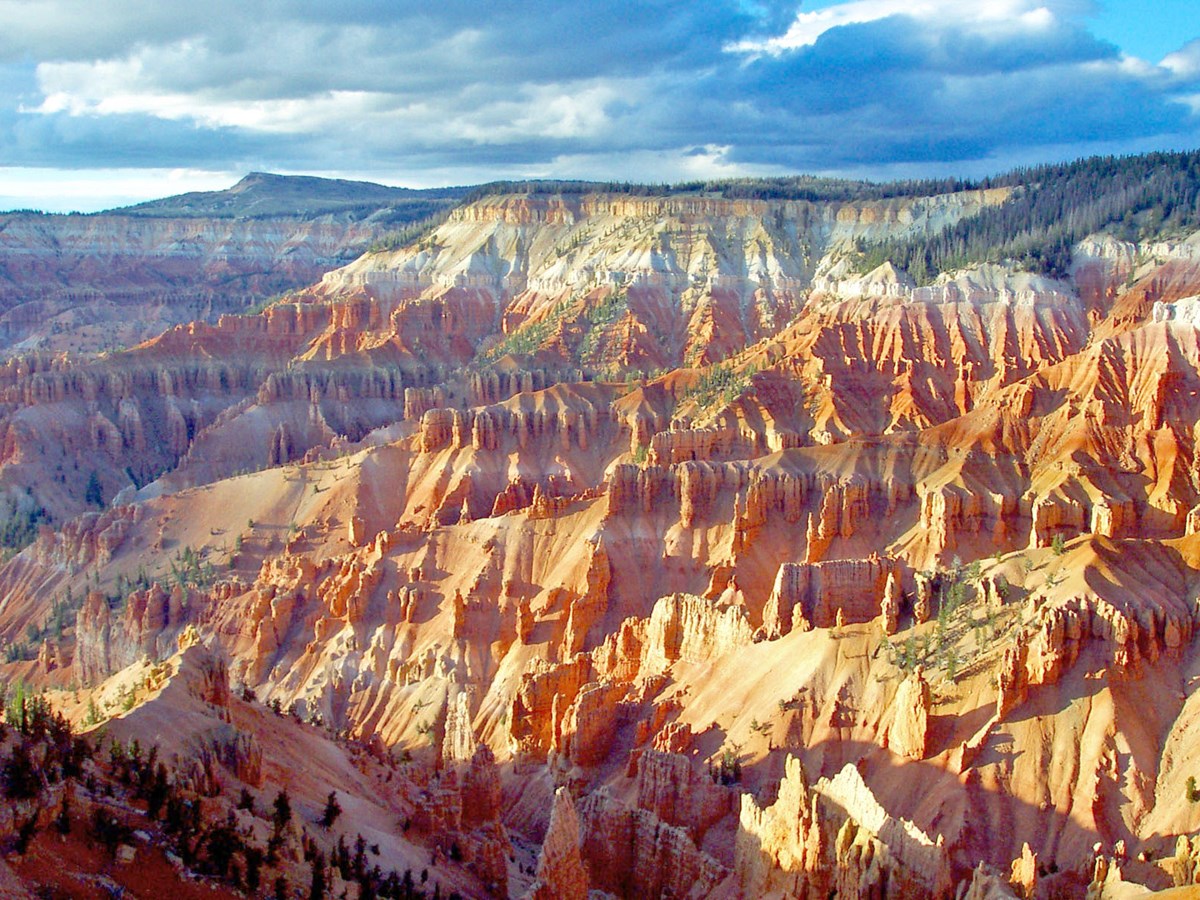
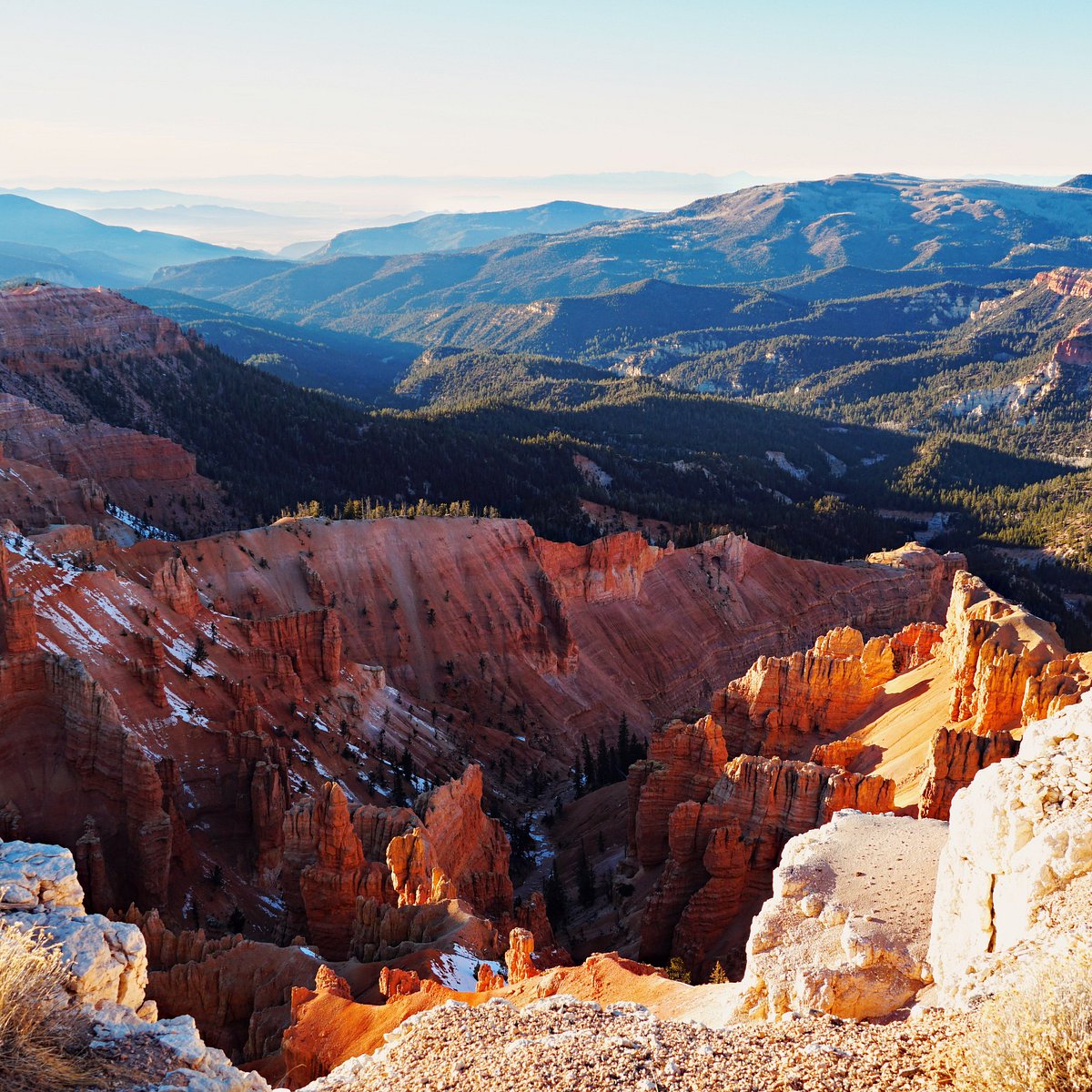
Some people call Cedar Breaks a “mini Bryce Canyon.” That’s because its red and orange amphitheater looks similar, but it’s smaller, quieter, and sits at a higher elevation—over 10,000 feet. This means cooler summers and even snow in late spring or early fall. The area’s geology, wildflower meadows, and starry skies make it different from other Utah parks.
Cedar Breaks covers about 6,155 acres. The main feature is a half-mile deep natural amphitheater carved by wind and rain. Hoodoos—tall rock spires—stand out in colors from pink to purple. The monument is also known for its subalpine forests, bristlecone pines, and wildlife like mule deer and marmots.
Top Attractions In Cedar Breaks
Exploring Cedar Breaks is about more than just looking at rocks. The park has several must-see spots and activities that appeal to hikers, families, and nature lovers.
1. Spectra Point & Ramparts Overlook Trail
This trail is the most popular hike in the monument. It’s about 4 miles round trip and follows the rim of the amphitheater. Along the way, you’ll pass ancient bristlecone pines—some over 1,600 years old. The views at Ramparts Overlook stretch across colorful cliffs and into the distant mountains.
Tip: The trail is at high elevation, so take it slow and bring water. Even in July, the air can feel cool.
2. Point Supreme Overlook
Just steps from the visitor center, this is the main viewpoint for first-time visitors. At Point Supreme, you can see 2,000 feet straight down into the amphitheater. On a clear day, you’ll spot the red rocks, green forests, and sometimes wildflowers blooming along the edges.
3. Alpine Pond Trail
Families and casual walkers enjoy this gentle 2-mile loop. The Alpine Pond Trail passes through meadows, forests, and a small pond where wildlife often gathers. In July, the area bursts with wildflowers like Indian paintbrush and columbine.
4. Sunset View Overlook
This spot is perfect for photographers. The colors of the cliffs change as the sun sets, shifting from bright orange to deep purple. It’s an easy walk from the parking area, and you can find benches to sit and enjoy the view.
5. Wildflower Festival
Each July, Cedar Breaks hosts a Wildflower Festival. Over 250 species of wildflowers grow in the monument, making this one of the best places in Utah to see blooms. Guided walks help visitors spot rare flowers and learn about the local ecology.
Credit: www.nps.gov
Things To Do In Cedar Breaks
Beyond the main attractions, Cedar Breaks offers activities for all ages and interests. Below are some of the best ways to spend your time in the park.
- Hiking: There are several trails, from short walks to longer hikes. The Spectra Point and Alpine Pond trails are the most popular.
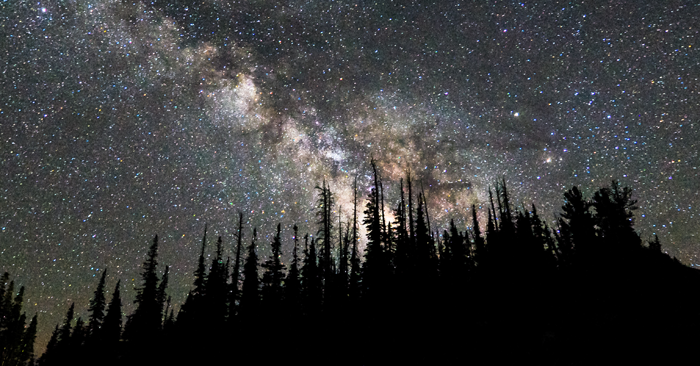
- Stargazing: Cedar Breaks is a certified International Dark Sky Park. On clear nights, you can see the Milky Way and thousands of stars. The park sometimes hosts astronomy programs with telescopes.
- Ranger Programs: From Memorial Day to September, rangers lead talks and walks about geology, plants, and local history. Check the schedule at the visitor center.
- Winter Activities: In winter, the park is open to snowshoers and cross-country skiers. The road may close due to snow, but nearby Brian Head Resort offers winter sports.
- Picnicking: There are picnic areas with tables and restrooms. Pack food, as there are no restaurants inside the park.
- Photography: Sunrise and sunset offer the best light for photos. Bring extra layers—temperatures drop quickly at this altitude.
- Wildlife Watching: Look for mule deer, marmots, and sometimes even mountain lions (rarely seen). Early morning and evening are the best times for spotting animals.
Comparing Cedar Breaks To Other Utah Parks
Here’s how Cedar Breaks stacks up against nearby attractions:
| Park | Main Feature | Crowds | Elevation |
|---|---|---|---|
| Cedar Breaks | Hoodoo amphitheater | Low | 10,000 ft |
| Bryce Canyon | Hoodoo amphitheater | High | 8,000-9,000 ft |
| Zion | Canyons | Very High | 4,000 ft |
Credit: www.tripadvisor.com
Best Time To Visit
Cedar Breaks is open year-round, but most visitors come between late June and early October. Snow can block roads until late spring. July and August are best for wildflowers. Fall brings golden aspen trees and fewer crowds.
Weather can change fast. In summer, daytime highs are usually 60–70°F, but nights can drop near freezing. Always check road conditions before you go.
Practical Tips For Visitors
- Altitude: Cedar Breaks is at high elevation. Drink water, wear sunscreen, and move slowly to avoid altitude sickness.
- No Gas or Food: There are no gas stations or restaurants inside the park. Fill up and bring snacks.
- Pets: Pets are allowed in parking areas and campgrounds, but not on trails.
- Entrance Fee: There is a small fee to enter. America the Beautiful passes are accepted.
- Camping: The park has a small campground that fills quickly in summer. Reservations are recommended.
Credit: darksky.org
Visitor Center Vs. Other Facilities
Here’s a quick comparison of facilities:
| Facility | Services | Season |
|---|---|---|
| Visitor Center | Maps, exhibits, rangers, restrooms | Late May–Oct |
| Campground | Sites, fire rings, restrooms | Late June–Sept |
| Picnic Areas | Tables, restrooms | Summer |
Lesser-known Insights
Many visitors don’t realize that Cedar Breaks’ elevation creates unique weather and plant life. The park’s bristlecone pines are some of the oldest living things on earth. Also, the high altitude means you should wear sunglasses—even on cloudy days—because UV rays are stronger.
In summer, afternoon thunderstorms are common. Plan hikes in the morning to avoid lightning risk.
Frequently Asked Questions
What Is The Best Month To See Wildflowers In Cedar Breaks?
The peak for wildflowers is usually mid-July through early August. During the Wildflower Festival, the meadows are full of color.
How Long Should I Spend In Cedar Breaks?
Most visitors need 2–4 hours to see main viewpoints and do a short hike. If you love photography, hiking, or stargazing, plan a half or full day.
Is Cedar Breaks Good For Kids?
Yes, the park is family-friendly. The Alpine Pond Trail is easy for children, and ranger-led programs engage young visitors.
Can You Camp Inside Cedar Breaks?
Yes, there is one campground open from late June to September. It fills up fast, so book early.
Where Can I Find More Information?
For current conditions, maps, and events, visit the National Park Service Cedar Breaks page.
Cedar Breaks is a unique, peaceful place for anyone who loves nature, hiking, and stunning views. Pack warm clothes, bring your camera, and enjoy one of Utah’s most colorful treasures.
