
Are you wondering if your pop up tent really needs pegs? It’s a simple question, but the answer can make a big difference in how safe and comfortable your camping experience is.
You might think your tent is sturdy enough without them, but pegs do more than just hold your tent down—they protect you from unexpected wind, keep your space neat, and help your tent last longer. Keep reading to find out when you should use pegs, what happens if you don’t, and how to make sure your tent stays put no matter where you are.
Your next outdoor adventure could depend on it!

Credit: www.amazon.com
Purpose Of Pegs In Tents
Pegs play an important role in setting up tents. They keep the tent firmly on the ground. Without pegs, tents can move or even blow away. Pegs hold the tent’s shape and keep it tight. They make camping safer and more comfortable.
Stability And Security
Pegs stop the tent from sliding or tipping. They hold the tent’s corners and edges in place. This keeps the tent steady on different surfaces. Pegs help the tent stand firm even on slopes. They give campers peace of mind during sleep or rest.
Protection Against Wind
Strong winds can push tents around or lift them up. Pegs anchor the tent tightly to the ground. This reduces the risk of the tent flapping or falling. Pegs act like roots that keep the tent grounded. They protect the tent during sudden gusts of wind.
Impact On Tent Longevity
Using pegs reduces stress on the tent fabric. This stops tears and wear caused by movement. Pegs keep the tent material stretched evenly. This helps the tent last longer over many trips. A well-pitched tent with pegs stays in good shape.
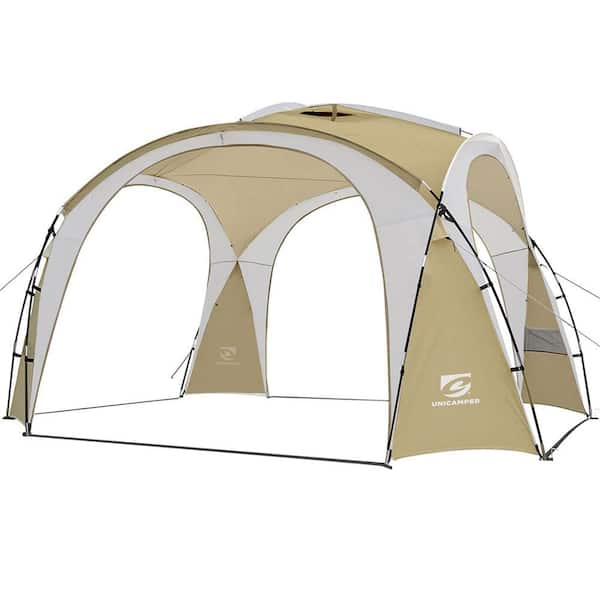
Credit: www.homedepot.com
Design Features Of Pop Up Tents
Pop up tents have clever design features that make them popular. Their design helps users set them up fast and keep them stable. These tents blend smart support, good materials, and easy setup. Understanding these features helps decide if pegs are needed for your tent.
Built-in Support Systems
Pop up tents use flexible frames made of metal or fiberglass. These frames bend and snap into shape. The built-in support holds the tent upright without extra poles. Some tents have locking joints to keep the shape firm. This system reduces the need for many pegs.
Materials And Structure
The fabric is usually water-resistant polyester or nylon. These materials are light but strong against wind and rain. The tent’s base often has reinforced edges for pegs. The structure balances lightness and durability. This design helps tents stay secure with fewer pegs.
Ease Of Setup
Pop up tents open automatically when removed from their bag. The design folds into a compact circle for storage. Setup takes seconds, perfect for quick trips. The ease of setup means pegs are optional. Users can skip pegs unless the ground is windy or soft.
Situations Requiring Pegs
Pop up tents are easy to set up. Most do not need pegs for quick use. Some situations need pegs to keep the tent steady. Pegs help secure the tent to the ground. This keeps the tent safe from moving or falling. Understanding when to use pegs makes your outdoor time better.
Windy Conditions
Strong wind can blow tents away. Pop up tents without pegs may lift off easily. Pegs hold the tent firmly in place. They stop the tent from shaking or flying. Using pegs in windy areas keeps you safe and dry.
Uneven Or Soft Ground
On soft or uneven ground, tents may slip. Pegs dig into the soil for extra grip. They stop the tent from sliding or falling. Soft ground like sand or grass needs pegs to stay stable. Pegs give your tent a solid hold anywhere.
Extended Outdoor Use
Long stays outdoors need extra tent support. Pegs keep the tent stable for many hours or days. Without pegs, tents may lose shape or fall. Pegs help keep your tent safe and secure. Use pegs for longer trips or camping stays.

Credit: www.homedepot.com
When Pegs May Not Be Necessary
Not all pop up tent uses require pegs. Some situations allow tents to stay stable without them. Knowing when pegs are unnecessary helps save time and effort. It also keeps your setup simple and quick.
Calm Weather Scenarios
Light winds and still air reduce the need for pegs. Tents can stand firm on dry, flat ground. No gusts mean less risk of tent movement. Pegs may not add much security in these conditions.
Indoor Or Controlled Environments
Indoor spaces do not need pegs for stability. Smooth floors and walls hold tents in place. Controlled environments block wind and rain. This makes pegs unnecessary for short stays.
Short-term Use
Quick setups for brief events might skip pegs. When tents stay up for a few hours, weight alone can hold them. Pegs take extra time and effort to install. Short use tents often stay secure without them.
Alternatives To Pegs
Pop up tents usually need pegs to stay stable. But sometimes pegs are not an option. Hard ground or concrete can make pegging impossible. In these cases, you need other ways to keep your tent safe. Here are some simple alternatives to pegs that work well.
Weights And Sandbags
Weights or sandbags hold the tent down without piercing the ground. Fill bags with sand, rocks, or water. Place them on the tent’s legs or corners. They stop the tent from moving in wind. Easy to carry and use anywhere.
Natural Anchors
Use what nature gives you. Tie the tent ropes to trees, large rocks, or sturdy bushes. These natural anchors keep your tent firm. Best for forest or beach camping. No tools or extra gear needed.
Specialized Clips And Stakes
Some tents come with special clips or stakes for hard surfaces. These stakes are flat or wide to grip better. Clips attach to heavy objects or fixed points. Good for parking lots or rocky areas. They give extra hold without digging holes.
Tips For Using Pegs With Pop Up Tents
Pegs help keep pop up tents steady in wind or uneven ground. Using pegs correctly improves tent safety and comfort. Follow these simple tips for the best results with pegs and pop up tents.
Proper Peg Placement
Place pegs at each corner of the tent first. Make sure the tent fabric is taut but not too tight. Push pegs at a 45-degree angle away from the tent. This gives stronger hold and stops pegs from pulling out. Check the ground for rocks or roots before pushing pegs in. Avoid placing pegs on soft or loose soil alone.
Choosing The Right Pegs
Use metal pegs for hard or rocky soil. Plastic pegs work well on soft grass or sand. Longer pegs hold better in loose soil. Lightweight aluminum pegs suit easy carrying but not very strong winds. Choose pegs that fit your tent’s loops or grommets perfectly.
Safety Considerations
Drive pegs fully into the ground to avoid trip hazards. Mark peg ends with bright tape if walking nearby at night. Remove all pegs before packing the tent to avoid losing them. Keep pegs away from children and pets. Always carry a mallet or hammer to fix pegs safely.
Frequently Asked Questions
Do All Pop Up Tents Require Pegs For Stability?
Not all pop up tents need pegs, but most benefit from them. Pegs secure the tent, preventing it from shifting or blowing away. Soft ground or windy conditions especially require pegs to keep the tent stable and safe during use.
Can Pop Up Tents Stay Secure Without Pegs?
Pop up tents can stay secure without pegs on hard surfaces like concrete. However, in windy or uneven areas, pegs add essential stability. Using pegs ensures your tent won’t move or collapse, providing safer shelter during outdoor activities.
What Types Of Pegs Are Best For Pop Up Tents?
Lightweight metal or plastic pegs designed for pop up tents work best. They are easy to carry and insert into soft ground. Choosing the right pegs depends on terrain; sturdier pegs suit rocky or hard soil for better hold.
How Do Pegs Improve Pop Up Tent Performance?
Pegs anchor the tent firmly to the ground, preventing movement. This stability helps the tent withstand wind and rain. Proper pegging also maintains the tent’s shape and makes setup more secure and reliable outdoors.
Conclusion
Pop up tents often stay stable without pegs on smooth ground. Still, pegs add extra strength in windy or rough areas. They stop tents from moving or falling down. Using pegs is a smart choice for safety and comfort. Easy to carry and use, pegs help your tent stay put.
Choose pegs based on your camping spot and weather. This small step makes your outdoor time more relaxed. Secure your tent well, and enjoy your trip worry-free.
