
If you’re looking for ways to lose weight and improve your fitness, you might wonder: does hiking burn fat? Many people think hiking is just a fun outdoor activity, but it’s also a powerful tool for fat loss. Hiking combines cardio, muscle strengthening, and exposure to nature. It’s accessible for most people and can fit easily into different lifestyles. In this article, we’ll explore how hiking burns fat, what factors affect fat loss, compare hiking to other workouts, and share practical tips to maximize your results. Whether you’re a beginner or experienced hiker, you’ll learn how to use hiking for effective fat burning and overall health.
How Hiking Burns Fat
Hiking is more than just walking in nature. It’s a form of aerobic exercise that uses your whole body. When you hike, your heart rate increases, you breathe harder, and you use large muscle groups. This process helps your body burn calories and tap into fat stores.
The Science Behind Fat Burning
Fat burning happens when your body needs energy and uses stored fat. During moderate-intensity exercise like hiking, your body mainly uses fat for fuel. The longer you hike, the more fat you burn. Your body first uses carbohydrates (glycogen) for quick energy, but after about 20-30 minutes, it starts using more fat.
Why Hiking Is Effective
- Sustained Activity: Hiking often lasts 1-3 hours, which means you’re burning fat for a longer time.
- Variable Terrain: Trails often have hills, rocks, or uneven paths, making your muscles work harder. This boosts calorie burn.
- Low Impact: Hiking is gentler than running but still burns significant calories. You can do it regularly without stressing your joints.
- Mental Benefits: Being outdoors lowers stress, which helps control hormones related to fat storage.
Example: Calories Burned By Hiking
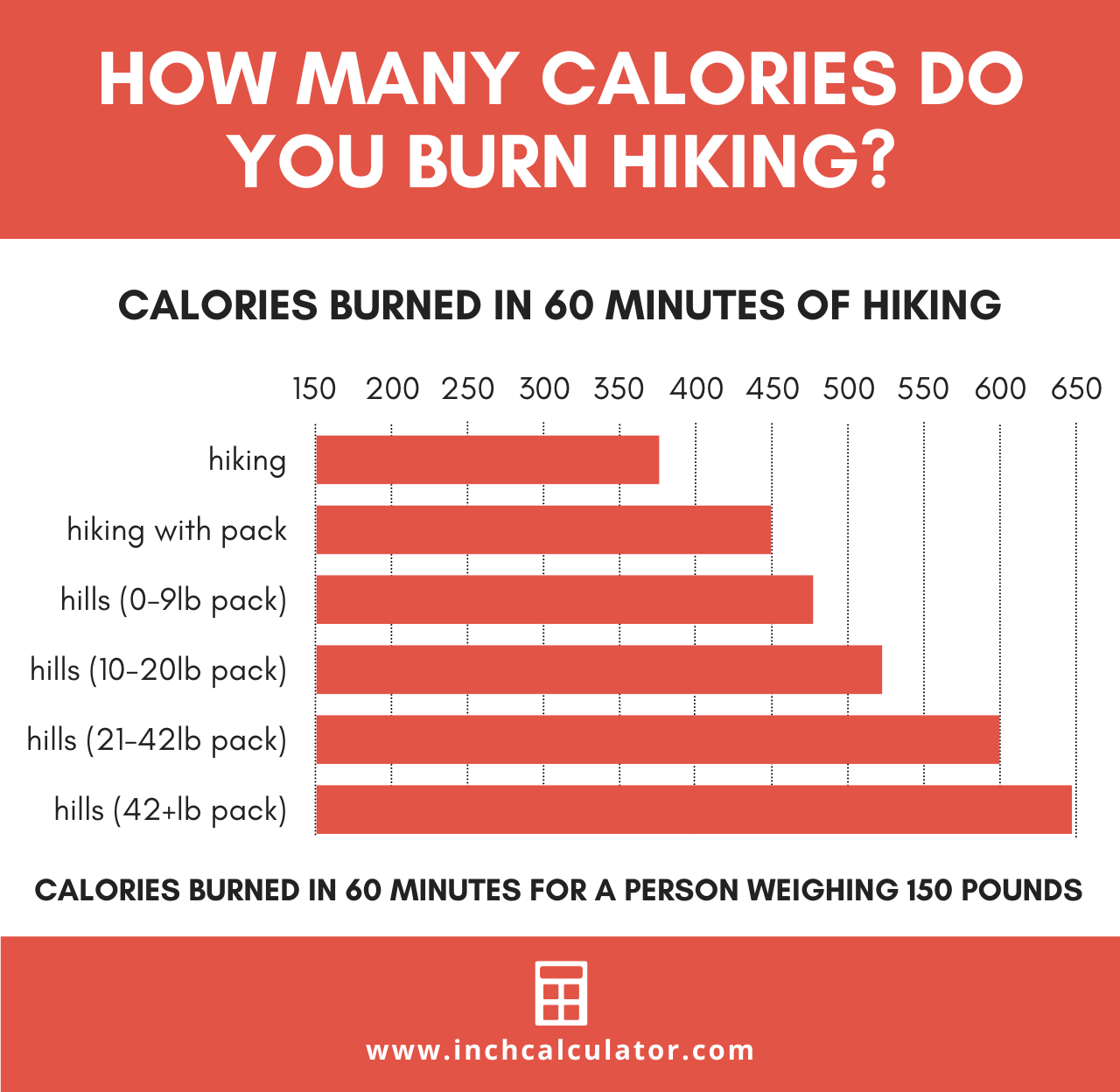
A person weighing 160 pounds burns about 430 calories per hour hiking on moderate terrain. If you hike for 2 hours, that’s 860 calories. For comparison, brisk walking burns about 280 calories per hour for the same person.
Hiking Vs Other Exercises For Fat Loss
You may wonder if hiking is as good as gym workouts or running. Let’s compare hiking to popular exercises using real numbers.
| Exercise | Calories Burned (per hour, 160 lbs) | Impact Level | Muscle Groups Used |
|---|---|---|---|
| Hiking (moderate) | 430 | Low | Legs, core, upper body |
| Running (6 mph) | 590 | High | Legs, core |
| Cycling (moderate) | 480 | Low | Legs, core |
| Swimming (moderate) | 420 | Low | Full body |
| Walking (brisk) | 280 | Low | Legs, core |
Hiking burns more calories than walking, and is close to cycling and swimming. It uses multiple muscle groups and is easier on the joints than running. The combination of cardio and strength makes hiking excellent for fat burning.
Credit: www.inchcalculator.com
Factors That Affect How Much Fat You Burn
Fat burning is different for every person. Several factors change how many calories you burn while hiking.
1. Body Weight
Heavier people burn more calories because their bodies work harder to move.
2. Trail Difficulty
Steep hills, rocky paths, and uneven terrain increase calorie burn. Easy, flat trails burn less.
3. Backpack Weight
Carrying a backpack adds resistance. A 10-pound backpack can increase calorie burn by about 5-8%.
4. Duration And Intensity
Longer hikes and faster paces burn more fat. Short, slow hikes are less effective.
5. Age And Fitness Level
Younger people and those with higher fitness burn calories faster. Beginners may burn less at first but improve over time.
6. Weather And Temperature
Cold weather makes your body work harder to stay warm, increasing fat burn. Hot weather can also boost calorie use, but you need to stay hydrated.
7. Nutrition And Hydration
Hiking on an empty stomach can increase fat use, but you risk low energy. Eating a balanced meal before hiking provides fuel and keeps you going.
How To Maximize Fat Burning While Hiking
If you want to use hiking for fat loss, a few simple strategies will help you get the best results.
Choose Challenging Trails
Trails with hills, stairs, or uneven ground force your body to use more energy. Look for hikes with elevation gain or mixed terrain.
Increase Your Pace
Walking faster or hiking briskly raises your heart rate and burns more calories. Aim for a pace where you can still talk but feel your breathing increase.
Use Trekking Poles
Poles engage your arms and shoulders, making hiking a full-body workout. They also help with balance and reduce stress on knees.
Carry A Backpack
A light backpack adds resistance. Start with 5-10 pounds and increase as you get stronger. Don’t overload—too much weight can cause injury.
Try Interval Hiking
Alternate between fast walking and slow walking every 10 minutes. This boosts calorie burn and keeps your body guessing.
Hike Longer Distances
Fat burning increases with time. Try to hike for at least 45 minutes to 1 hour. Longer hikes (2-3 hours) burn more fat, but build up gradually.
Stay Consistent
Regular hiking (2-3 times per week) helps your body adapt and burn fat efficiently. Consistency is more important than speed.
Real-world Examples: Fat Loss From Hiking
Many people have lost weight and body fat through hiking. Here are a few examples:
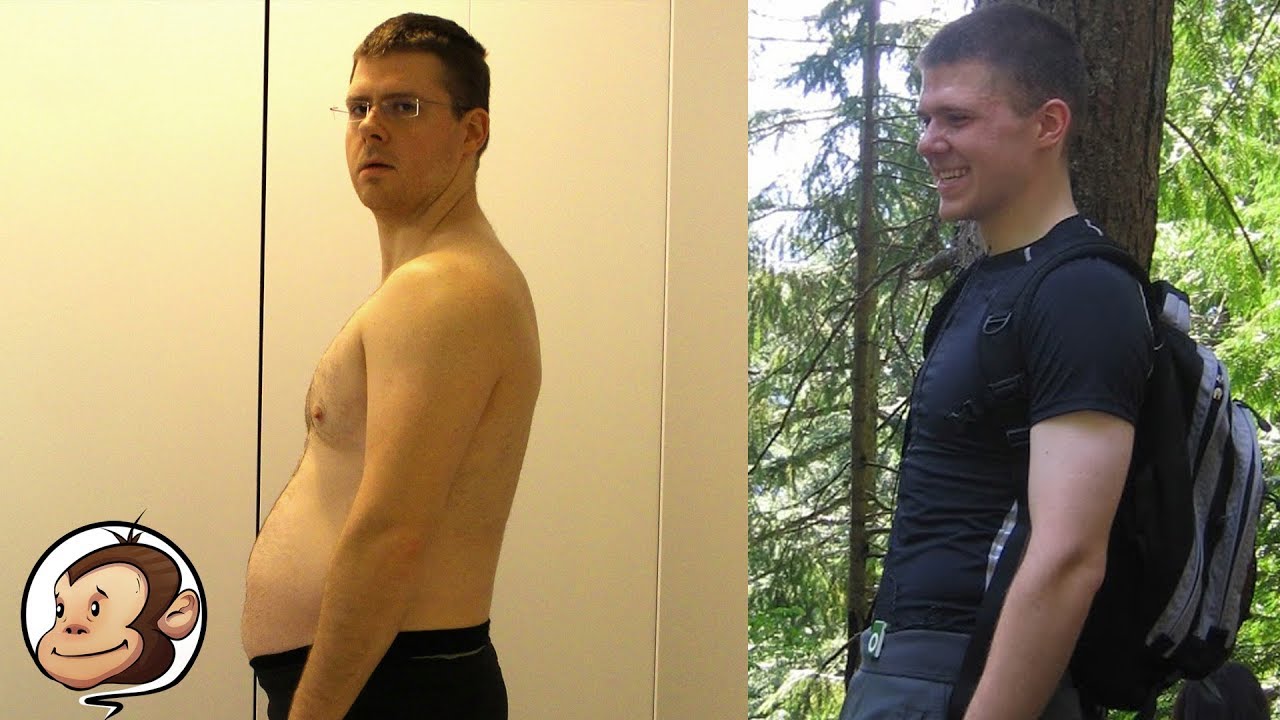
- Sarah, age 35: Lost 15 pounds in 3 months by hiking 3 times a week for 1-2 hours each session. She chose hilly trails and gradually increased backpack weight.
- Michael, age 50: Lost 20 pounds in 6 months. He started with flat trails and moved to moderate terrain. He also improved his mood and sleep.
- Linda, age 42: Combined hiking with healthy eating and lost 25 pounds in 8 months. She used trekking poles and hiked with friends for motivation.
These examples show that hiking can be a key part of a successful fat loss journey. Results vary, but most people see progress within 2-3 months if they stay consistent.
Common Mistakes That Limit Fat Loss
Even though hiking is effective, some mistakes can slow your results. Here’s what to avoid:
- Infrequent Hiking: Hiking once a month won’t burn much fat. Aim for regular hikes.
- Low Intensity: Flat, slow hikes don’t challenge your body enough.
- Poor Nutrition: Eating unhealthy foods after hiking cancels out calorie burn.
- Ignoring Hydration: Dehydration limits performance and fat burn.
- Skipping Warm-Up: Start each hike with a 5-10 minute warm-up to prevent injury.
- Overloading Backpack: Too much weight can cause injury and reduce enjoyment.
How Hiking Changes Your Body
Hiking does more than burn fat. It shapes your body and improves overall health. Here’s what happens with regular hiking:
Muscle Tone
Hiking strengthens the legs, glutes, and core. Steep trails and stairs also build calf and thigh muscles.
Cardiovascular Health
Your heart and lungs become stronger. Blood pressure, cholesterol, and blood sugar levels improve.
Metabolism Boost
Muscle burns more calories than fat, even at rest. Hiking builds muscle, raising your resting metabolic rate.
Mental Health
Nature reduces stress and anxiety. Lower stress helps control fat-storing hormones like cortisol.
Improved Balance And Flexibility
Uneven trails and obstacles train your balance. This lowers the risk of falls and injuries.
Hiking For Beginners: Getting Started
If you’re new to hiking, follow these steps for safe, effective fat burning:
- Start Easy: Choose simple trails with little elevation. Hike for 30-45 minutes.
- Wear Proper Shoes: Hiking shoes or boots protect your feet and support your ankles.
- Bring Water and Snacks: Stay hydrated and carry healthy snacks like fruit or nuts.
- Check the Weather: Dress for the conditions. Layers work best.
- Invite a Friend: Hiking with someone keeps you motivated and safe.
- Track Your Progress: Use a phone app or pedometer to record distance and calories burned.
- Listen to Your Body: Don’t push too hard. Rest when needed.
Hiking And Nutrition: What To Eat For Fat Loss
Nutrition is a key part of fat burning. Eating the right foods helps you hike longer and recover faster.
Before Hiking
Eat a balanced meal with:
- Complex carbs: Whole grains, oats, sweet potatoes
- Lean protein: Chicken, eggs, beans
- Healthy fats: Avocado, nuts, olive oil
Avoid heavy, fatty foods before hiking. They can slow digestion and make you tired.
During Hiking
For hikes longer than 1 hour, bring:
- Water
- Fruit (bananas, apples)
- Trail mix (nuts and dried fruit)
- Energy bars (low sugar)
After Hiking
Eat a meal with:
- Protein (fish, chicken, tofu)
- Vegetables
- Whole grains
This helps muscles recover and keeps metabolism high.
Comparing Hiking Styles: Which Burns More Fat?
Different hiking styles affect fat burning. Let’s look at three types:
| Hiking Style | Typical Terrain | Calories Burned (per hour, 160 lbs) | Fat Burning Potential |
|---|---|---|---|
| Day Hiking | Mixed, moderate hills | 430 | High |
| Backpacking | Rough, steep, multi-day | 500+ | Very High |
| Urban Hiking | Flat, city streets | 280 | Moderate |
Backpacking burns the most fat due to heavy packs and long distances. Day hiking is effective for most people. Urban hiking is good for beginners but burns less fat.
Hiking Safety: Protect Your Health While Burning Fat
Safety is important, especially as you push your body to burn fat. Follow these tips:
- Check your health: If you have heart or joint problems, talk to your doctor before hiking.
- Carry essentials: Bring water, snacks, a map, and a phone.
- Protect from sun: Use sunscreen and wear a hat.
- Watch for wildlife: Know the animals in your area and how to respond.
- Avoid overtraining: Rest between hikes and stretch after each session.
Advanced Hiking Tips For Maximum Fat Loss
If you want to take your fat loss to the next level, use these advanced strategies:
1. Elevation Training
Hiking at higher altitudes makes your body work harder, burning more calories. Start with low elevations and build up.
2. Weighted Vest
A weighted vest distributes weight evenly and boosts calorie burn. Use a light vest (5-10 pounds) and increase slowly.
3. Speed Hiking
Speed hiking combines fast walking with jogging on trails. It’s intense and burns more fat. Try intervals of 5 minutes fast, 5 minutes slow.
4. Combine Hiking With Strength Training
Add bodyweight exercises (squats, lunges, push-ups) during breaks. This builds muscle and increases fat burn.
5. Track Heart Rate
Use a fitness tracker to keep your heart rate in the fat-burning zone (usually 60-70% of maximum). This ensures you’re burning the most fat.

Credit: www.youtube.com
Hiking For Different Body Types And Ages
Hiking is suitable for almost everyone. Here’s how it works for different groups:
Overweight Beginners
Start with flat trails and short hikes. Gradually increase duration and intensity. Hiking is safe and doesn’t stress the joints.
Seniors
Choose easy trails and hike with friends. Trekking poles help balance. Hiking improves heart health and keeps muscles strong.
Young Adults
Try challenging trails, backpacking, or speed hiking. Combine hiking with other sports for best results.
Children
Hiking builds good habits early. Use fun trails and teach kids about nature.
The Psychological Benefits Of Hiking
Fat loss isn’t just physical. Hiking improves mental well-being, which helps you stick to your goals.
- Reduces stress: Nature lowers anxiety and depression.
- Boosts motivation: Enjoying the scenery makes exercise more enjoyable.
- Improves focus: Time outdoors sharpens attention.
- Supports healthy habits: Hiking often leads to better eating and sleep.
Credit: www.youtube.com
Hiking Vs Gym Workouts For Fat Burning
Some people prefer gyms, but hiking offers unique advantages.
| Aspect | Hiking | Gym Workouts |
|---|---|---|
| Calories Burned | Medium-High | High (depends on activity) |
| Muscle Groups Used | Full body | Varies (can be focused) |
| Impact Level | Low | Varies (can be high) |
| Mental Benefits | High | Medium |
| Cost | Free/low | Membership fees |
| Social Experience | Group hikes | Classes or solo |
Both burn fat, but hiking adds nature, mental health, and social benefits. It’s free and accessible for most people.
Non-obvious Insights For Beginners
Most beginners overlook these facts:
- Elevation gain is key: Even small hills greatly increase fat burning.
- Consistency beats intensity: Regular, moderate hikes are better for fat loss than rare, intense hikes.
- Nature boosts results: Being outdoors lowers cortisol, a hormone linked to belly fat.
The Role Of Rest And Recovery
Fat loss happens during recovery as well. Hiking breaks down muscle and burns calories, but rest allows your body to build muscle and burn fat.
- Sleep well: Aim for 7-8 hours per night.
- Stretch after hiking: Prevents soreness and improves flexibility.
- Take rest days: Hiking every day can lead to burnout. 2-3 hikes per week is ideal.
Additional Resources
For more detailed information about calorie burn and fat loss, you can check this Wikipedia article on hiking. It offers scientific explanations and practical advice for hikers of all levels.
Frequently Asked Questions
Is Hiking Good For Losing Belly Fat?
Yes, hiking helps burn overall body fat, including belly fat. Belly fat loss depends on regular hiking and healthy eating. Spot reduction is not possible, but hiking reduces total fat.
How Many Calories Does Hiking Burn Per Hour?
A 160-pound person burns about 430 calories per hour on moderate trails. Steeper hikes and heavier backpacks increase calorie burn.
Can I Lose Weight Just By Hiking?
You can lose weight with regular hiking, especially if you combine it with a balanced diet. Hiking burns calories, builds muscle, and improves metabolism.
How Often Should I Hike For Fat Loss?
Aim for 2-3 hikes per week, each lasting 45-90 minutes. Consistency is more important than intensity. More frequent hikes lead to faster results.
What Should I Eat Before And After Hiking?
Eat complex carbs and lean protein before hiking. After hiking, have a meal with protein, vegetables, and whole grains. Avoid heavy or sugary foods.
Hiking is a powerful tool for burning fat and improving your health. It’s accessible, enjoyable, and effective for people of all ages and fitness levels. By choosing challenging trails, hiking regularly, and eating well, you can see real fat loss results.
Remember to start easy, build up gradually, and enjoy the journey. With patience and consistency, hiking will help you reach your fat loss goals and feel better both physically and mentally.
