
Fort Bowie National Historic Site in Arizona offers visitors a unique window into the turbulent history of the American Southwest. Hidden in the rugged hills near Bowie, Arizona, this site preserves the story of the famous fort, Apache wars, and the people who shaped the region. For anyone interested in history, nature, or adventure, Fort Bowie offers much more than old ruins. It’s a destination full of things to do, attractions to explore, and stories to discover.
Exploring Fort Bowie National Historic Site
Most visitors begin their journey at the trailhead parking area, located about 12 miles south of the town of Bowie. The main attraction is the Fort Bowie Trail, a 1.5-mile walk (one way) through scenic terrain. This hike is not just a path—it’s a timeline. Along the trail, you’ll pass historic landmarks like the remains of the Apache Pass Stage Station, the Butterfield Overland Mail Route, and the old cemetery. Many people say the trail itself is one of the best ways to experience the fort’s history.
Fort Bowie Visitor Center
At the end of the trail, you’ll reach the Visitor Center. Here, you can find exhibits, ranger-led programs, and water refills. The center displays artifacts, maps, and photos, giving context to the ruins. Rangers are happy to answer questions or share stories about the fort and its people.
Fort Ruins And Interpretive Signs
The main highlight is the Fort Bowie Ruins. These are the remains of the second fort, built in 1868 and used until 1894. You can walk among foundations of old barracks, officer quarters, and hospital buildings. Interpretive signs explain what each ruin was used for and tell stories about daily life at the fort. Compared to other Arizona historic sites, Fort Bowie’s ruins are especially well-preserved and easy to explore.
| Attraction | Description | Walking Distance (from Visitor Center) |
|---|---|---|
| Fort Ruins | Historic foundations, interpretive signs | 0 miles (at Visitor Center) |
| Apache Pass Stage Station | Old stagecoach stop ruins | 0.5 miles |
| Cemetery | Graves of soldiers, settlers, Apaches | 1 mile |
| Spring | Freshwater spring, wildlife viewing | 1.2 miles |
Things To Do In Fort Bowie National Historic Site
You might wonder what activities are available after the hike and ruins. Fort Bowie offers more than just sightseeing:
- Wildlife Watching: The area is home to javelinas, deer, and many birds. Early mornings are best for spotting wildlife, especially near the spring.
- Photography: The dramatic hills, historic ruins, and desert plants make for excellent photos. The golden hour (just after sunrise or before sunset) gives the best light.
- Picnicking: There are several picnic tables near the Visitor Center. It’s a quiet place to eat, surrounded by beautiful scenery.
- Ranger Programs: During busy seasons, park rangers offer guided walks and talks. These programs explain Apache history, fort life, and local plants.
- Stargazing: Due to its remote location, Fort Bowie has little light pollution. On clear nights, the sky is filled with stars. Bring a flashlight and stay after sunset for an unforgettable view.
- Birdwatching: The park is a hotspot for bird species like phainopepla, western tanager, and red-tailed hawk. Binoculars are helpful, but you can spot many birds with the naked eye.
- Exploring the Cemetery: This peaceful area tells the stories of soldiers, settlers, and Apaches who lived and died here. Each grave has its own history.

Credit: armyhistory.org
Unique Insights For Visitors
Many first-time visitors miss some hidden details. Here are two tips to make your trip special:
- The spring near the fort was the main reason for its location. Water was precious in the desert, and the spring still flows today. It’s a quiet spot, often with birds and small animals.
- If you visit in late February or March, you may see wildflowers blooming, especially Mexican poppies. This adds color to the landscape and is perfect for photos.
Another insight: The park is rarely crowded, even during peak season. This means you get a peaceful experience without noise or rush. Compared to sites like Tombstone or Chiricahua National Monument, Fort Bowie feels like a hidden gem.
| Site | Annual Visitors | Atmosphere |
|---|---|---|
| Fort Bowie | ~8,000 | Quiet, uncrowded |
| Tombstone | ~400,000 | Busy, touristy |
| Chiricahua National Monument | ~60,000 | Moderate, scenic |
Tips For Enjoying Your Visit
Before you go, here are practical tips:
- Bring plenty of water; the hike is exposed and hot in summer.
- Wear sturdy shoes. The trail is rocky and uneven.
- Cell service is limited. Download maps or directions beforehand.
- Pets are allowed but must be leashed.
- There are no shops nearby. Pack snacks, sunscreen, and hats.

Credit: www.legendsofamerica.com
Local History And Apache Wars
Understanding Fort Bowie means learning about the Apache wars. The fort was built to control Apache Pass, a vital route between the San Simon and Sulphur Springs Valleys. The main conflict was between the US Army and the Chiricahua Apache led by Geronimo and Cochise. These battles shaped the fate of southern Arizona. Today, visitors can see the places where these events happened and imagine life in the late 1800s.
The fort was abandoned in 1894, but its history lives on through ruins, stories, and the land itself. For those interested in deeper research, the National Park Service provides detailed information.
Frequently Asked Questions
What Are The Opening Hours For Fort Bowie National Historic Site?
The site is open from sunrise to sunset daily. The Visitor Center usually operates from 8:00 AM to 4:00 PM but may close on holidays.
Is There An Entrance Fee?
No, Fort Bowie National Historic Site is free to visit. Donations are welcome but not required.
Can I Camp At Fort Bowie?
Camping is not allowed within the park. The nearest campgrounds are in the town of Bowie or at Chiricahua National Monument.
How Difficult Is The Trail To The Fort?
The trail is moderate. It is 1.5 miles each way with some hills and rocky sections. Most visitors, including families, can complete it in about 45 minutes.
Are Guided Tours Available?
Ranger-led walks are offered during peak seasons (usually spring and fall). Check the Visitor Center for schedules or join scheduled programs.
Fort Bowie is a place where history, nature, and adventure meet. Whether you’re seeking a quiet hike, vivid stories, or stunning scenery, the site delivers a memorable experience. Even with a short visit, you’ll leave with a deeper understanding of Arizona’s past and the landscape that shaped it.
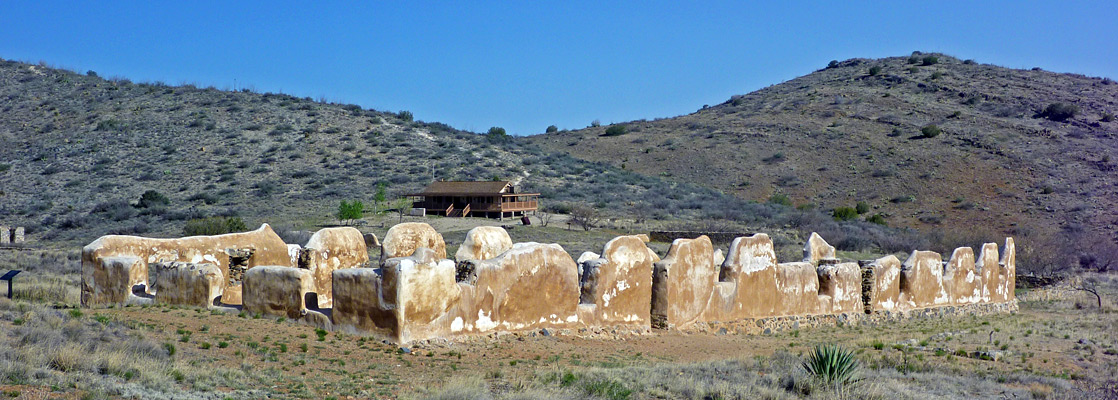
Credit: www.americansouthwest.net
