
Fort Pulaski: Exploring History And Adventure
If you want to step into America’s past while enjoying the outdoors, Fort Pulaski National Monument is a must-see. Located near Savannah, Georgia, this historic site brings together fascinating Civil War history, impressive architecture, and plenty of activities for travelers. Whether you are a history lover, nature enthusiast, or just want a scenic spot for family fun, Fort Pulaski offers something unique.
Why Visit Fort Pulaski?
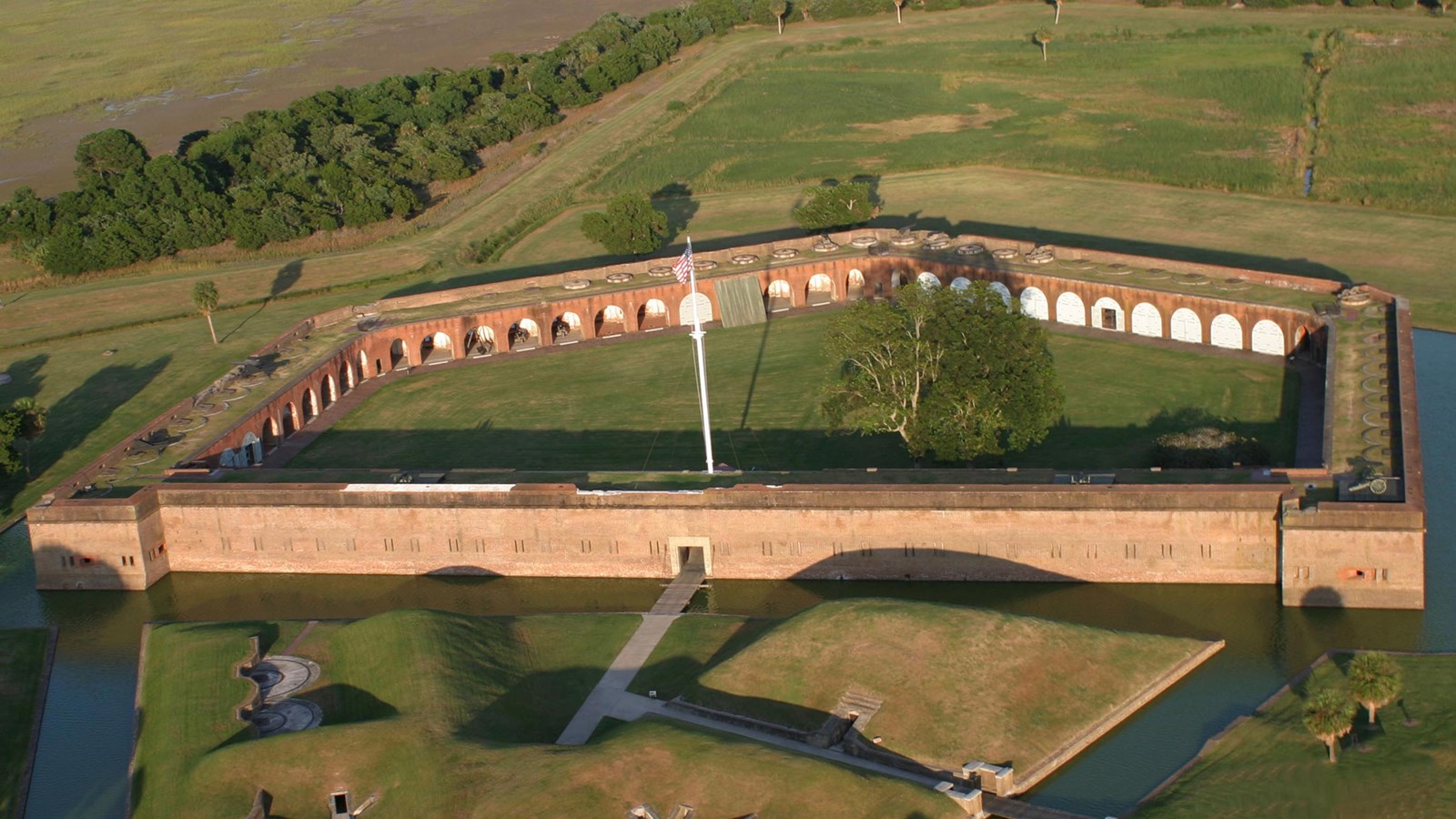
Fort Pulaski is more than just an old brick fort. Built in the 1800s to protect the Savannah River, it played a crucial role in the Civil War. Today, it’s part of the National Park Service, offering visitors a look at military engineering, nature, and culture in one place.
Here’s what makes Fort Pulaski special:
- Historic architecture: The fort’s massive walls and drawbridges show 19th-century military design.
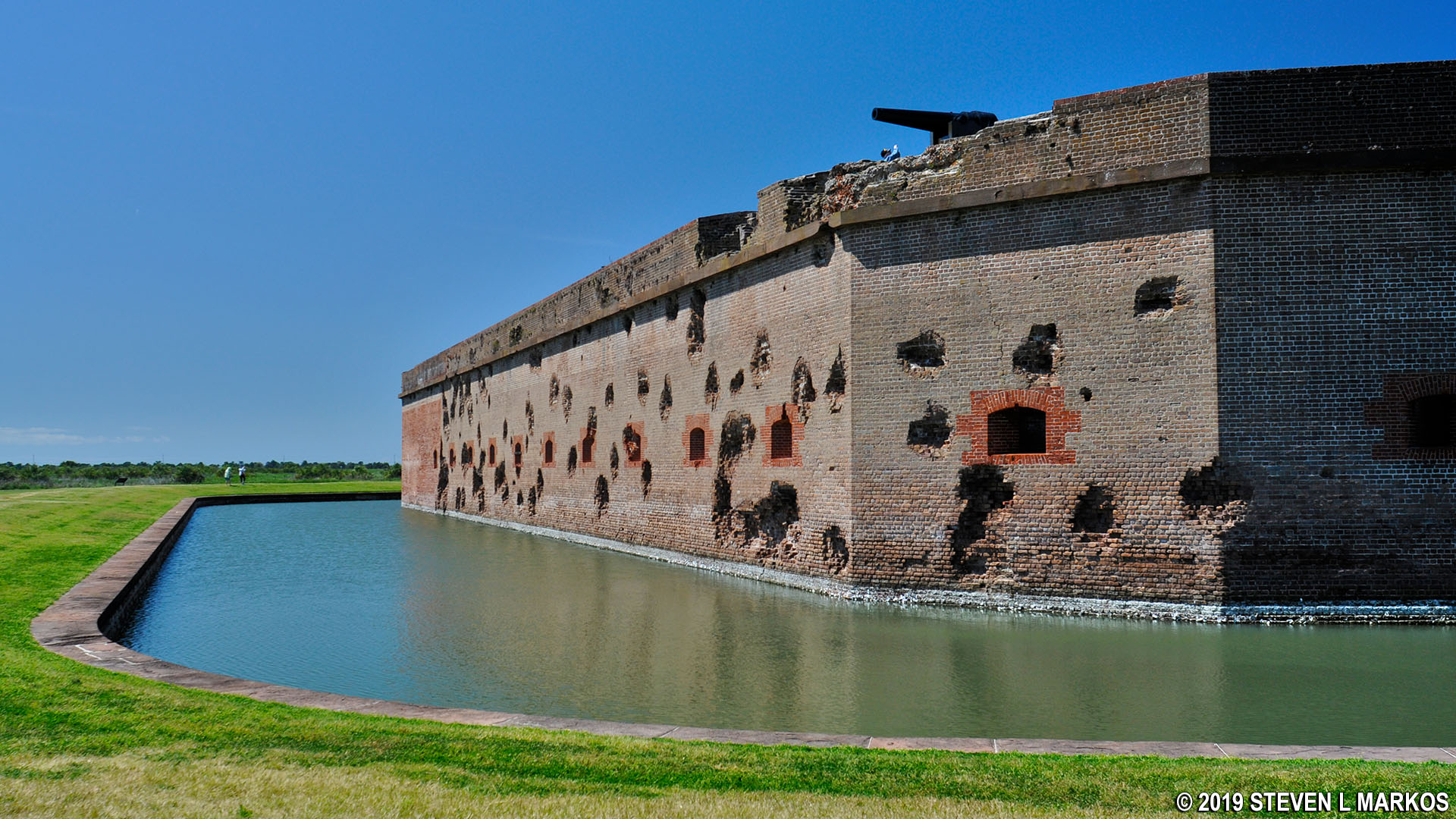
- Civil War stories: Learn how new rifle cannons changed warfare forever.
- Nature trails and wildlife: Explore salt marshes, spot birds, and enjoy fresh air.
- Family-friendly activities: Picnics, biking, and guided tours are available.
Top Things To Do In Fort Pulaski National Monument
There’s no shortage of activities at Fort Pulaski. Here are the highlights you don’t want to miss:
1. Tour The Historic Fort
Walking through the main fort is the top attraction. Massive brick walls, gunrooms, and underground tunnels make you feel like you’re back in the 1860s. Don’t miss:
- The drawbridge and moat
- Original cannons and mortars
- Restored soldier barracks
- Exhibits explaining the Union siege
Rangers often give guided tours, sharing stories about the battle and daily life. Be sure to check the schedule at the visitor center.
2. Watch A Cannon Firing Demonstration
On certain days, park staff wear period uniforms and fire real cannons. The thunderous sound and smoke make history come alive. It’s a favorite for both kids and adults. Arrive early—these events are popular and seating fills up fast.
3. Hike The Nature Trails
Fort Pulaski is surrounded by scenic trails. The most popular is the North Pier Trail—a short, easy walk leading to the Savannah River. Along the way, you’ll see marshes, wildflowers, and possibly dolphins.
Another favorite is the Lighthouse Trail, which takes you to the historic Cockspur Island Lighthouse. This route is a bit longer (about 1 mile each way) but flat and suitable for families.
4. Birdwatching And Wildlife Viewing
Bring your binoculars! The park is home to over 200 bird species, including egrets, herons, and even bald eagles. Early morning is the best time for spotting animals. You might also see turtles, raccoons, and fiddler crabs along the marshes.
5. Explore The Cockspur Island Lighthouse
This small lighthouse, built in 1855, stands at the edge of the Savannah River. While you can’t go inside, the view from the trail is excellent, especially at sunset. It’s a popular spot for photos and quiet reflection.
6. Biking And Picnicking
You can bike on the park roads and several trails. It’s a relaxing way to see more of the area. Picnic tables are scattered around the park—bring lunch and enjoy the shade under giant oak trees.
7. Kayaking And Fishing
Adventurous visitors enjoy kayaking in the tidal waterways around the fort. Rentals are available nearby. Fishing is allowed in certain areas—just follow park rules and bring your license.
8. Junior Ranger Program
Kids can become Junior Rangers by completing activities and earning a badge. It’s a fun way for young visitors to learn about history and nature.

Credit: en.wikipedia.org
Visitor Facilities And Practical Tips
Before you go, it helps to know what to expect. Here’s a quick overview:
| Facility | Details |
|---|---|
| Visitor Center | Exhibits, gift shop, restrooms, info desk |
| Parking | Free, large lot near entrance |
| Restrooms | Located at visitor center and fort |
| Picnic Areas | Tables, shaded spots, no grills |
| Accessibility | Most areas wheelchair-friendly |
Tips for your visit:
- Arrive early to avoid crowds, especially on weekends.
- Bring water, sunscreen, and bug spray.
- The fort can be windy—dress in layers.
- Check the weather; some trails may flood after heavy rain.
Events And Special Programs
Fort Pulaski often hosts living history events, including reenactments, blacksmith demonstrations, and ranger talks. During major holidays, you might see costumed actors and special cannon firings.
For families, seasonal programs like the annual “Birds of Prey” day offer a chance to meet wildlife up close.
Credit: www.nps.gov
Comparing Top Attractions Inside The Park
Here’s a quick look at how the main attractions compare:
| Attraction | Time Needed | Best For |
|---|---|---|
| Historic Fort Tour | 1-2 hours | History lovers, families |
| Lighthouse Trail | 1-1.5 hours | Walkers, photographers |
| Cannon Demonstration | 30 minutes | All ages, first-time visitors |
| Kayaking | 2-3 hours | Adventurers, nature fans |
Non-obvious Insights For Visitors
Many people miss the moat wildlife—look for turtles and fish swimming near the bridges. Early spring and late fall bring fewer bugs and cooler temperatures, making it a perfect time for long walks. Also, ask a ranger about the original bricks: some have handprints from workers over 150 years ago.
If you’re interested in photography, visit just before sunset. The fort’s walls glow in the golden light, and the marshes come alive with birds.
Planning Your Visit
Fort Pulaski is open daily except Thanksgiving, Christmas, and New Year’s Day. Entrance fees are reasonable, and annual passes are available if you plan to return.
If you have only a few hours, focus on the fort tour and one trail. With a full day, you can enjoy hiking, picnics, and ranger programs.
Savannah is just 15 miles away, making it easy to combine with other local attractions. For more details, check the official National Park Service page.
Frequently Asked Questions
How Much Does It Cost To Enter Fort Pulaski?
Entry is usually around $10 per adult, and kids under 16 are free. Annual passes and discounts for seniors are available.
Can I Bring My Dog To Fort Pulaski?
Yes, dogs are welcome on trails and grounds if kept on a leash. Pets are not allowed inside buildings.
What Is The Best Time Of Year To Visit?
Spring and fall offer cooler weather and fewer bugs. Summer can be hot and humid, but the park is open year-round.
Is Fort Pulaski Suitable For Children?
Absolutely. The fort, trails, and Junior Ranger program make it a family-friendly destination.
Are There Guided Tours Every Day?
Ranger-led tours are usually offered daily, but schedules can change. Check at the visitor center when you arrive.
Fort Pulaski offers a rare mix of history, nature, and hands-on activities. Whether you want to learn, relax, or explore, this national monument has something to remember.
Credit: npplan.com
