
Gates of the Arctic: Ultimate Guide to Things to Do and Top Attractions
Far above the Arctic Circle, Gates of the Arctic National Park and Preserve stands as one of the wildest and least-visited places in the United States. With no roads, marked trails, or visitor centers inside its boundaries, this park is not for casual tourists. Yet for those who crave true wilderness, Gates of the Arctic offers adventure, solitude, and dramatic landscapes that few other places can match. If you’re searching for things to do and the park’s best attractions, this guide will help you discover how to make the most of your visit.
Why Gates Of The Arctic Is Special
Gates of the Arctic covers over 8.4 million acres—bigger than several U.S. states. It protects the central Brooks Range in northern Alaska, a region of high peaks, wild rivers, and Arctic tundra. The park is home to grizzly bears, caribou, wolves, and Dall sheep, but the real highlight is the feeling of stepping into a land that remains untouched by roads and modern development.
Unlike most national parks, you must be self-sufficient. There are no maintained trails, signs, or facilities. Visitors fly or hike in, carrying everything they need. This makes every activity here feel like a true expedition.
Top Things To Do In Gates Of The Arctic
1. Backpacking And Hiking
Hiking in Gates of the Arctic is different from anywhere else. There are no marked paths—you make your own route through valleys, over ridges, and across tundra. Popular areas for backpacking include the Arrigetch Peaks, known for their dramatic granite spires, and the Itkillik River Valley.
- Most trips range from 3 to 10 days.
- Hikers must be ready for river crossings and changing weather.
- Navigation skills are essential; a map and compass (or GPS) are necessary.
Pro tip: Many beginners underestimate the difficulty of hiking across Arctic tundra. The ground is often uneven and wet, which slows progress.
2. Scenic Flightseeing
Because the park is so remote, many visitors experience its beauty from the air. Small bush planes from towns like Bettles and Coldfoot offer flightseeing tours over rugged mountains, wild rivers, and the famous Gates—two prominent peaks named by explorer Bob Marshall.
- Flights last 1 to 3 hours.
- Photographers love the bird’s-eye view of the Arrigetch Peaks and wild river valleys.
3. River Trips And Packrafting
Six designated Wild and Scenic Rivers flow through the park, including the Noatak, Alatna, and John Rivers. Floating these rivers is a highlight for adventurous visitors.
| River | Difficulty | Scenery |
|---|---|---|
| Alatna | Easy to moderate | Mountains, tundra |
| Noatak | Moderate | Vast valleys |
| John River | Easy | Open landscape |
- Trips usually last 5-10 days.
- You may encounter Class I–III rapids depending on the river.
- Raft or packraft rentals are available in gateway towns.
Insight: Mosquitoes can be intense in summer, so bring strong repellent and bug nets.
4. Wildlife Viewing And Birdwatching
The park is a sanctuary for caribou herds, grizzly bears, and wolves. In late summer, you might see caribou migration or spot Dall sheep on rocky slopes.
- The best time for wildlife: June to early August.
- Over 145 bird species have been recorded, including golden eagles and jaegers.
5. Camping Under The Midnight Sun
Camping here means true solitude. Summer brings 24-hour daylight, so you can hike or fish at midnight. Winter trips are rare, but offer a chance for Northern Lights if you’re well prepared.
- Campsites are chosen by you; follow Leave No Trace principles.
- Water is usually available from rivers, but must be treated before drinking.
Beginner tip: Many first-timers forget how cold it can get at night, even in July. Bring a warm sleeping bag.
6. Photography
With endless light in summer and dramatic skies in fall, photographers have unique opportunities. The Arrigetch Peaks glow at sunset, and fog often creates mysterious scenes in valleys.
- Bring extra batteries—cold drains power quickly.
- Waterproof your gear, as sudden storms are common.
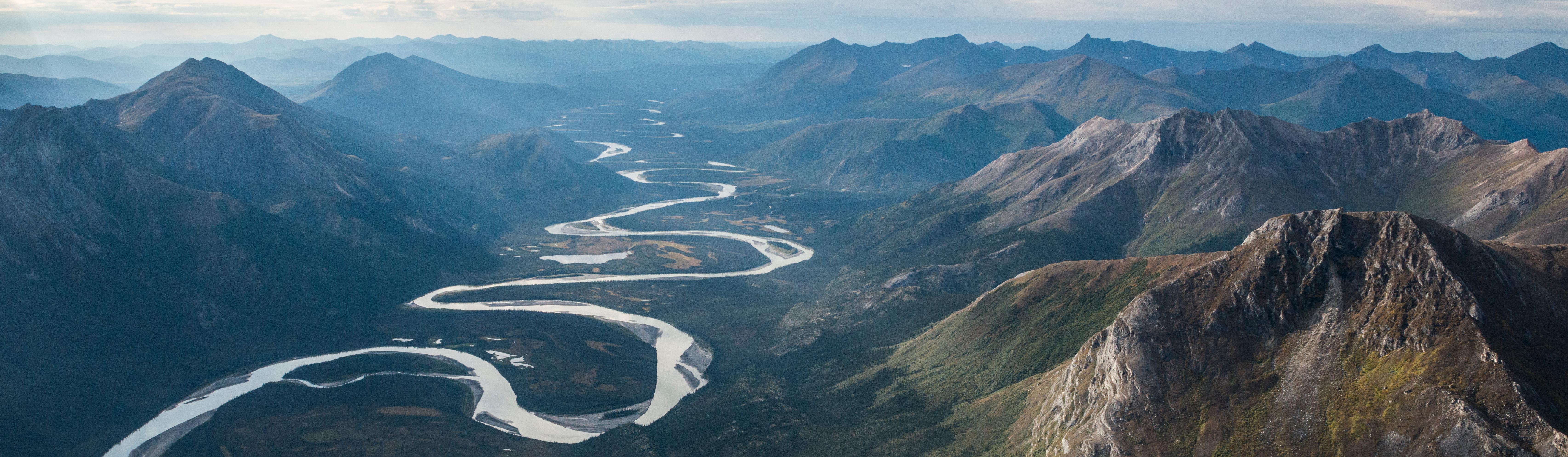
Credit: www.nps.gov
When To Visit And How To Get There
The best time to visit is from mid-June to late August. Snow and freezing conditions return by September.
| Month | Daylight Hours | Average Temperature (°F) |
|---|---|---|
| June | 24 hours | 40–60 |
| July | 24 hours | 45–65 |
| August | 18–20 hours | 40–60 |
You reach the park by small plane from Fairbanks to Bettles or Coldfoot, then by bush plane or on foot. There are no roads into the park.
Planning Your Trip: What You Need To Know
- Permits: No entrance fees or permits are required for backcountry travel, but large groups should notify the park office.
- Safety: There is no cell service. Carry a satellite phone or emergency beacon.
- Supplies: Bring all food, gear, and maps. The nearest store is in Bettles, far from the park’s interior.
- Weather: Conditions can change quickly. Snow can fall even in summer.
Hidden challenge: Many visitors are surprised by how difficult navigation and river crossings can be, especially after rain or snowmelt.
If you want detailed planning advice, the National Park Service’s official page offers trip-planning tools: National Park Service.
:max_bytes(150000):strip_icc()/TAL-header-arrigetch-peaks-gates-of-the-arctic-national-park-Alaska-MSTPEACFLNP1224-5e3c438015f04439ad185f854258e7f3.jpg)
Credit: www.travelandleisure.com
Frequently Asked Questions
What Is The Best Time Of Year To Visit Gates Of The Arctic?
Late June through August offers the warmest weather and 24-hour daylight. Snow and freezing temperatures return in September. Mosquitoes are heaviest in July.
How Do You Get Into The Park?
Most visitors fly from Fairbanks to Bettles or Coldfoot, then take a bush plane or hike into the park. There are no roads or maintained trails.
Are There Any Guided Tours?
Yes, some local outfitters offer guided backpacking, rafting, or flightseeing trips. These are recommended for first-timers or those without wilderness experience.
Is It Safe To Visit Gates Of The Arctic?
The park is safe if you are well prepared. However, it is extremely remote. Visitors must handle navigation, weather changes, and wildlife risks on their own.
Can You See The Northern Lights In The Park?
Yes, but only during winter when nights are dark. Most summer visitors do not see the aurora due to constant daylight.
Gates of the Arctic is not an easy destination, but for those who make the journey, it offers a rare chance to experience wild beauty and true adventure. Whether you come for the hiking, rivers, or solitude, each moment here feels like a step back in time—into the heart of the Arctic wilderness.
