
Hiking In The Woods
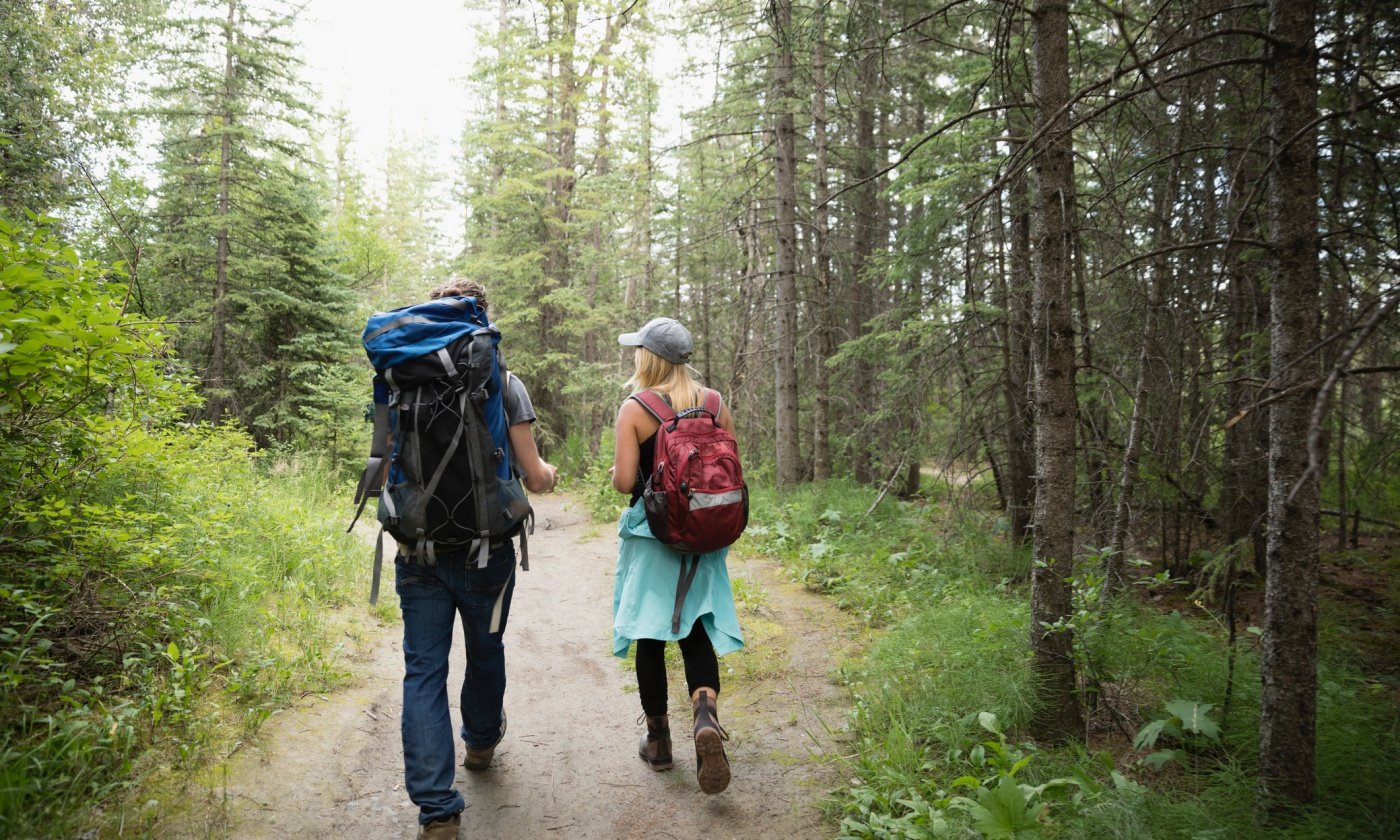
The sound of leaves underfoot, the scent of pine and earth, and the soft dappled sunlight breaking through tree branches—hiking in the woods offers a connection to nature that city life cannot match. For many, a walk through wooded trails is more than just exercise; it’s a way to reset, breathe deeply, and recharge. Whether you’re seeking adventure, solitude, or simply a change of scenery, wooded hikes provide a unique blend of challenge and peace.
But before you lace up your boots and head for the nearest forest, it helps to know what makes hiking in the woods special, how to prepare, and how to stay safe. This guide will walk you through everything you need to know, from choosing the right trails to understanding the unwritten rules of the woods.
With practical tips, real-world examples, and expert advice, you’ll be ready to make the most of your next woodland adventure.
The Unique Appeal Of Hiking In The Woods
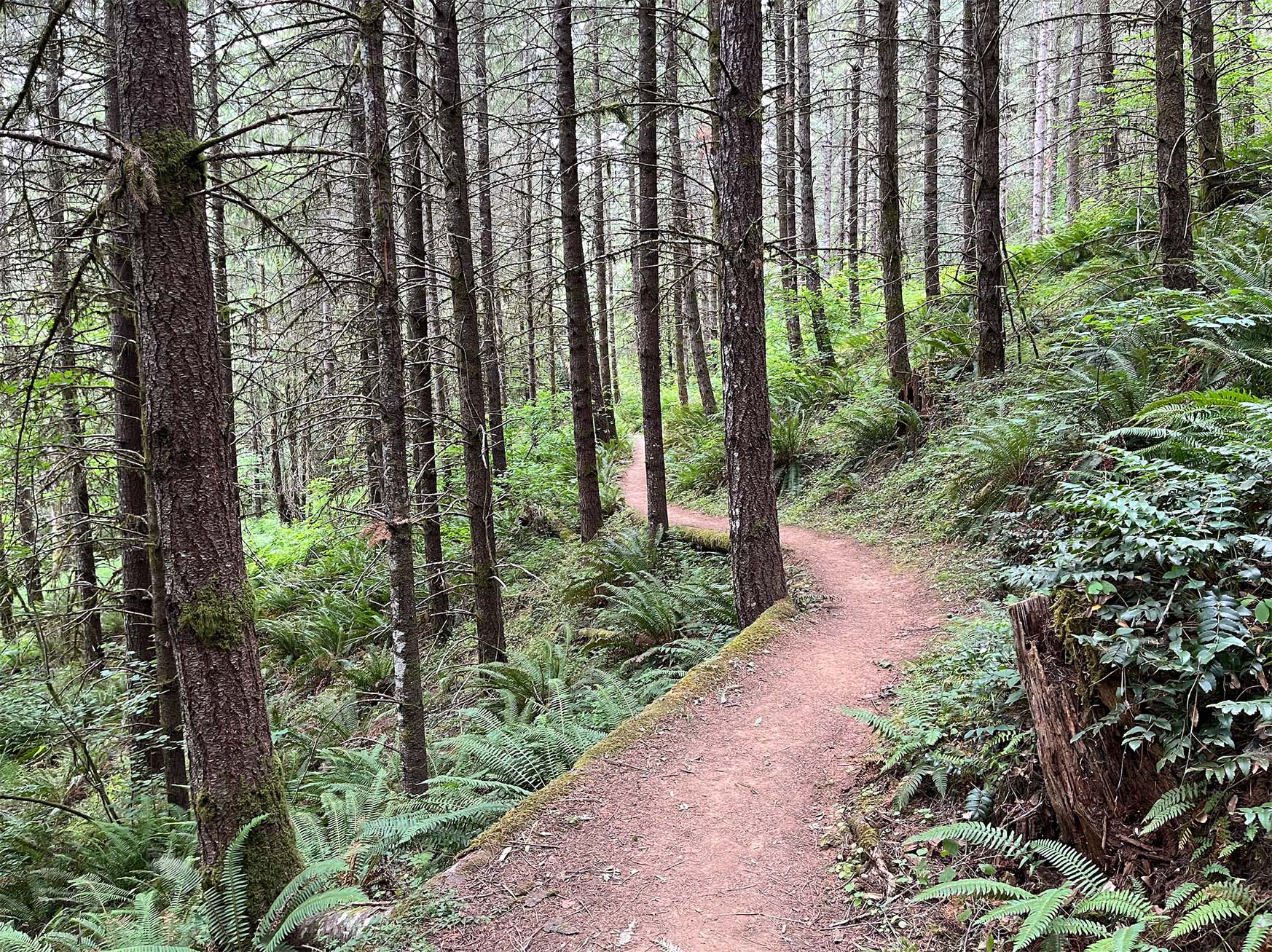
What sets woodland hiking apart from other types of outdoor activities? For one, wooded trails often provide a cool, shaded environment, making them comfortable even during warmer months. The dense trees and undergrowth create a living world full of sights, sounds, and smells that constantly change with the seasons.
There’s also a sense of discovery. Unlike open fields or mountain summits, woods can feel mysterious and intimate. Every turn might reveal a hidden stream, a patch of wildflowers, or an encounter with wildlife. This unpredictability is part of the magic.
Scientific studies show that spending time in forests can lower blood pressure, reduce stress hormones, and boost mood. The Japanese practice of “shinrin-yoku” (forest bathing) is built on these benefits, encouraging people to walk slowly among trees and absorb the sights and sounds.
Non-obvious insight: Many beginners overlook how different forests can be—hiking through a New England hardwood forest feels very different from a Pacific Northwest rainforest or a southern pine stand. Each region has its own ecosystem, terrain, and trail culture.
Essential Gear For Woodland Hiking
Packing the right gear can turn a good hike into a great one. Here’s what you need for a safe and enjoyable walk in the woods:
Footwear
Sturdy hiking boots are key. Woods often have roots, rocks, and muddy patches that demand good ankle support and slip-resistant soles. Trail runners are fine for well-maintained paths, but boots are safer for most forest hikes.
Clothing
- Moisture-wicking base layers (synthetic or merino wool)
- Long pants to protect against bugs and thorny plants
- Lightweight jacket (waterproof if rain is possible)
- Hat and sunglasses for sun protection, even in shade
Backpack And Hydration
A small daypack (15–25 liters) is usually enough. Bring at least 1 liter of water per hour of hiking, more if it’s hot or you sweat heavily. Many hikers use hydration bladders for easy sipping.
Navigation Tools
Don’t rely only on your phone—batteries die, and signals fade in dense woods. Always carry:
- Trail map (paper)
- Compass (and basic knowledge of how to use it)
- GPS device (optional, but helpful)
Safety And Comfort
- First aid kit (bandages, antiseptic, tweezers)
- Bug spray (woods can be buggy, especially in summer)
- Sunscreen
- Whistle (for signaling in emergencies)
- Headlamp or flashlight (in case you’re delayed)
- Snacks (nuts, dried fruit, energy bars)
Weather Preparation
Always check the forecast, but pack for surprises. Weather can change quickly under a tree canopy, especially in hilly or mountainous forests.
Beginner tip: Many new hikers pack too much or too little. Lay out what you think you need, then remove half the “just in case” items. Stick to essentials.
Choosing The Right Trail
Not all woodland hikes are created equal. Here’s how to find a trail that fits your fitness, interests, and schedule.
Trail Difficulty
Most trails are rated as easy, moderate, or difficult. These ratings consider length, elevation change, and terrain. For beginners, start with easy trails: short, with gentle slopes and good signage.
Location And Length
Choose a trail within your travel range. Day hikes are usually 2–10 miles round-trip. Factor in your pace (average: 2–3 miles per hour) and the time you want to spend outdoors.
Features
Some trails offer scenic rivers, waterfalls, or viewpoints. Others pass through old-growth forests or wildflower meadows. Research online or use trail apps to find descriptions and recent reviews.
Popular Woods Hiking Destinations
Here’s a quick look at some famous woodland hiking areas in the United States:
| Location | Region | Notable Feature | Trail Lengths |
|---|---|---|---|
| Appalachian Trail | Eastern US | Dense forests, mountain views | Up to 2,190 miles |
| Redwood National & State Parks | California | Ancient redwoods | 0.5 to 13 miles |
| Great Smoky Mountains NP | Tennessee/North Carolina | Misty woodlands | 0.5 to 14 miles |
| White Mountain National Forest | New Hampshire | Mixed hardwood forests | 1 to 20+ miles |
Non-obvious insight: Local parks often have less crowded, beautiful woods trails. Don’t overlook city or county forest preserves, which may be closer and less intimidating for first-timers.
Planning Your Hike: Before You Go
Preparation is everything when it comes to a safe and enjoyable hike.
Check Trail Conditions
Look for recent trail reports online, especially after storms or in spring when paths can be muddy or blocked by fallen trees.
Tell Someone Your Plan
Always let a friend or family member know:
- Which trail you’ll be on
- When you expect to start and finish
- When you’ll check in after the hike
Timing Your Hike
Start early. Morning hikes avoid crowds, heat, and afternoon storms. Aim to finish well before sunset—moving in woods after dark is difficult and risky.
Parking And Permits
Some parks require a parking pass or hiking permit. Check the official park website and carry cash for self-serve stations.
Pack Wisely
Review your gear and pack the night before. A forgotten item like a map or water bottle can turn a fun hike into a struggle.
Beginner mistake to avoid: Don’t trust GPS driving directions blindly; forest trailheads often have confusing or unmarked roads. Double-check with a map.

Credit: rightasrain.uwmedicine.org
Navigating The Woods: Trail Skills And Safety
Walking through the woods is different from strolling in a city park. Here’s how to stay on course and safe.
Reading Trail Markers
Most woodland trails use blazes—painted marks, signs, or colored ribbons on trees. Learn the color or symbol for your trail and watch carefully at forks or intersections.
Using A Map And Compass
A phone app is convenient, but always carry a paper map and basic compass. In dense woods, GPS signals can be weak. If you get lost, stop, stay calm, and backtrack to the last marker.
Dealing With Wildlife
Most woodland animals avoid humans, but know what lives in your area:
- Deer, squirrels, birds: Common and harmless
- Snakes: Watch where you step; most are non-venomous, but don’t touch any
- Bears: Rare, but in some regions; make noise and never approach cubs
- Ticks and mosquitoes: Use bug spray and check for ticks after the hike
Avoiding Getting Lost
Stick to established trails. If you must leave the path, mark your route with temporary objects (sticks, stones) and never wander far.
Emergency Steps
If you’re lost:
- Stop moving and stay calm.
- Blow your whistle (3 blasts means “help”).
- Use your phone to call for help if there’s a signal.
- Stay visible—bright clothing helps.
Expert tip: Many beginners panic when they lose the trail. Instead, pause, retrace your steps, and look for trail markers from a different angle.
Trail Etiquette And Leave No Trace Principles
Woods hiking comes with a set of unwritten rules that keep trails safe and beautiful for everyone.
Yielding On Trails
- Uphill hikers have the right of way (they can’t see as far ahead).
- Step aside for faster hikers or groups.
- Always let horses and bikes pass safely.
Stay On The Trail
Cutting corners or making your own path damages plants and causes erosion. Stick to the marked route, even if it’s muddy.
Leave No Trace
Follow the “Leave No Trace” principles:
- Pack out all trash, including food wrappers and tissues.
- Don’t pick flowers or remove rocks.
- Respect wildlife—watch quietly from a distance.
- Use a restroom before hiking; if you must go outdoors, bury waste at least 6 inches deep and 200 feet from water sources.
Noise And Technology
Keep voices low and phones silent. Many hikers seek peace and quiet—music and loud talking break the natural atmosphere.
Practical advice: Carry a small bag for your trash and pick up any litter you find. Small acts make a big difference.
Health And Fitness Benefits
Hiking in the woods isn’t just fun—it’s great for your body and mind.
Physical Benefits
- Burns calories: A 150-pound person burns about 400–500 calories per hour hiking on moderate terrain.
- Strengthens muscles: Navigating roots, rocks, and hills works your legs, core, and balance.
- Improves heart health: Regular hiking lowers blood pressure and cholesterol.
Mental Benefits
- Reduces stress: Studies show time in nature lowers cortisol (stress hormone) levels.
- Boosts mood: Exposure to green spaces is linked to lower rates of depression and anxiety.
- Increases focus: The “attention restoration theory” says nature helps your brain recover from information overload.
Social And Emotional Benefits
Hiking can be social or solitary. Walking with friends or family builds relationships, while solo hikes encourage mindfulness and self-reflection.
Interesting fact: According to the American Hiking Society, over 47 million Americans hiked at least once in 2022, and interest keeps growing.
Seasonal Differences In Woodland Hiking
Woods are beautiful year-round, but each season brings unique challenges and rewards.
Spring
- Pros: Wildflowers, fresh greenery, flowing streams
- Cons: Muddy trails, bugs, unpredictable weather
Summer
- Pros: Long days, shaded paths, bird activity
- Cons: Mosquitoes, ticks, heat, crowded trails
Fall
- Pros: Stunning foliage, cool temperatures, fewer bugs
- Cons: Shorter days, slippery leaves
Winter
- Pros: Quiet forests, animal tracks in snow, no bugs
- Cons: Cold, icy paths, limited daylight, special gear needed
| Season | Main Advantage | Main Challenge | Recommended Gear |
|---|---|---|---|
| Spring | Wildflowers | Mud | Waterproof boots, bug spray |
| Summer | Shade, long days | Heat, bugs | Light clothing, extra water |
| Fall | Foliage | Slippery leaves | Layered clothing, hiking poles |
| Winter | Peaceful scenery | Ice, cold | Microspikes, insulated layers |
Pro tip: In autumn, check local foliage maps for peak colors—timing your hike right can lead to unforgettable views.
Credit: www.yesmagazine.org
Common Challenges And How To Overcome Them
Even with planning, woodland hiking can test you. Here’s how to handle typical issues.
Mud And Wet Trails
Wear waterproof boots and gaiters. If a trail is too muddy, consider rescheduling—hiking on muddy paths damages trails and makes you more likely to slip.
Bugs And Insects
Apply repellent with DEET or picaridin. Wear light-colored clothing and tuck pants into socks. Check for ticks after every hike, especially in the Northeast and Midwest.
Weather Surprises
Always carry a rain jacket, even if the sky is clear. In warm weather, pack an extra liter of water and a salty snack to replace minerals lost by sweating.
Getting Tired
Pace yourself. Take regular breaks, eat snacks, and drink water. If you feel exhausted, it’s smarter to turn back than push on.
Navigation Errors
If you miss a turn, backtrack immediately. Don’t keep moving forward hoping for a shortcut—this leads deeper into the woods.
Advanced tip: Download offline trail maps before you go. Apps like AllTrails and Gaia GPS let you access maps without a data signal.
Making Your Woodland Hike Memorable
A great hike is more than just exercise. Here are ways to make your walk through the woods something you’ll remember.
Go With A Friend Or Group
Hiking with others is safer and more enjoyable. You can share discoveries, help each other spot wildlife, and motivate each other when the trail gets tough.
Bring A Camera Or Notebook
Many hikers overlook the value of capturing memories. A small camera or sketchbook helps you notice details—colors, shapes, or animal tracks—you might otherwise miss.
Learn About Local Nature
Download a plant or bird ID app. Knowing what you’re seeing adds a whole new layer to your hike. You’ll start to recognize tree species, bird calls, and even animal tracks.
Try Forest Bathing
Slow down and focus on your senses. Listen to the wind in the leaves, feel the bark of a tree, and breathe in the forest air. This mindful approach can reduce stress and create deeper memories.
Beginner insight: Don’t try to do everything at once. Focus on one new thing per hike—maybe identifying two new plants or simply walking more slowly and noticing the sounds.
Credit: visitmcminnville.com
Staying Safe: Hazards And First Aid
Preparation helps, but accidents can still happen. Here’s how to handle common issues:
Sprains And Falls
Walk carefully, especially on roots and rocks. If you twist an ankle, stop, elevate the foot, and wrap it if you can. Don’t try to “walk it off”—you could make it worse.
Dehydration
Drink regularly, even if you’re not thirsty. Signs of dehydration include headache, dizziness, and dark urine.
Hypothermia And Overheating
Watch for shivering (cold) or confusion (heat). In cold, add layers and eat snacks. In heat, rest in shade and drink water.
Insect Bites And Rashes
If bitten or stung, clean the area and apply ice if possible. For ticks, use tweezers to pull them out gently. For poison ivy or oak, wash the area with soap and water as soon as you can.
Resource: For more on outdoor first aid, the American Red Cross offers detailed guides.
Frequently Asked Questions
What Should I Do If I See A Wild Animal On The Trail?
Stay calm. Most animals avoid humans. Give the animal space and don’t try to approach or feed it. If it’s a larger animal (like a bear or moose), back away slowly—never run.
How Can I Find Safe Hiking Trails Near Me?
Check local park websites, hiking clubs, or trail apps like AllTrails. Read recent reviews and check for official updates about closures or hazards.
Is It Safe To Hike Alone In The Woods?
Yes, but take extra precautions: tell someone your plan, carry a whistle and a map, and stay on marked trails. Beginners are safer hiking with a friend or group.
How Do I Avoid Getting Lost?
Pay attention at trail intersections, follow blazes, and check your map often. If you’re unsure, stop and backtrack to the last known point. Don’t rely only on your phone’s GPS.
What’s The Best Time Of Year For Hiking In The Woods?
Fall and spring are favorites for many, thanks to mild temperatures and beautiful scenery. Summer offers long days but more bugs. Winter can be peaceful if you’re prepared for cold.
Hiking in the woods is an adventure that offers both challenge and reward. With preparation and respect for the environment, you’ll discover new paths, new skills, and a deeper sense of calm. So grab your boots, pack your essentials, and step into the woods—you never know what wonders you’ll find.
