
When you’re out camping, having a reliable gas canister can make all the difference for cooking and staying warm. But do you know the best way to store your camping gas canisters safely?
Storing them the wrong way can be dangerous and even costly. You’ll discover simple tips to keep your gas canisters secure, extend their life, and protect yourself and your gear. Keep reading to learn how to handle your camping gas canisters like a pro.

Credit: www.amazon.com
Choosing Safe Storage Spots
Choosing safe storage spots for camping gas canisters is key to keeping your campsite safe. Proper storage prevents leaks, fires, and accidents. It also helps your gas canisters last longer and work better. Follow simple rules to store these canisters safely.
Avoiding Heat And Flames
Keep gas canisters away from heat sources and open flames. Heat can increase pressure inside the canister. This may cause leaks or explosions. Never store canisters near stoves, campfires, or heaters. Choose a cool, calm place to keep them safe.
Keeping Away From Direct Sunlight
Direct sunlight heats the gas inside the canister quickly. This raises the pressure and risk of bursting. Store canisters in shaded areas or inside a protective box. Avoid leaving them in cars or tents exposed to sun. Shade helps keep the canisters cool and secure.
Selecting Well-ventilated Areas
Good airflow lowers the risk of gas buildup from leaks. Store canisters in places with fresh air circulation. Avoid small, closed spaces like cabinets or backpacks. Ventilation helps disperse any escaping gas safely. This reduces fire and health hazards at your campsite.

Credit: www.amazon.com
Proper Positioning Of Canisters
Proper positioning of camping gas canisters is crucial for safety and performance. Storing them correctly helps prevent leaks and damage. It also makes it easier to use them when needed. Knowing the right position keeps the gas flowing well and avoids accidents.
Storing Upright
Always store gas canisters in an upright position. This keeps the liquid gas at the bottom and the gas vapor at the top. Storing upright prevents liquid gas from escaping. It also helps the regulator work properly when you use the canister. Avoid laying canisters on their side or upside down.
Preventing Physical Damage
Keep canisters away from sharp objects and heavy items. Physical damage can cause leaks or make the canister unsafe. Store them in a dry, cool place with no direct sunlight. Check canisters regularly for dents or rust. Replace any damaged canister immediately to stay safe.
Using Protective Containers
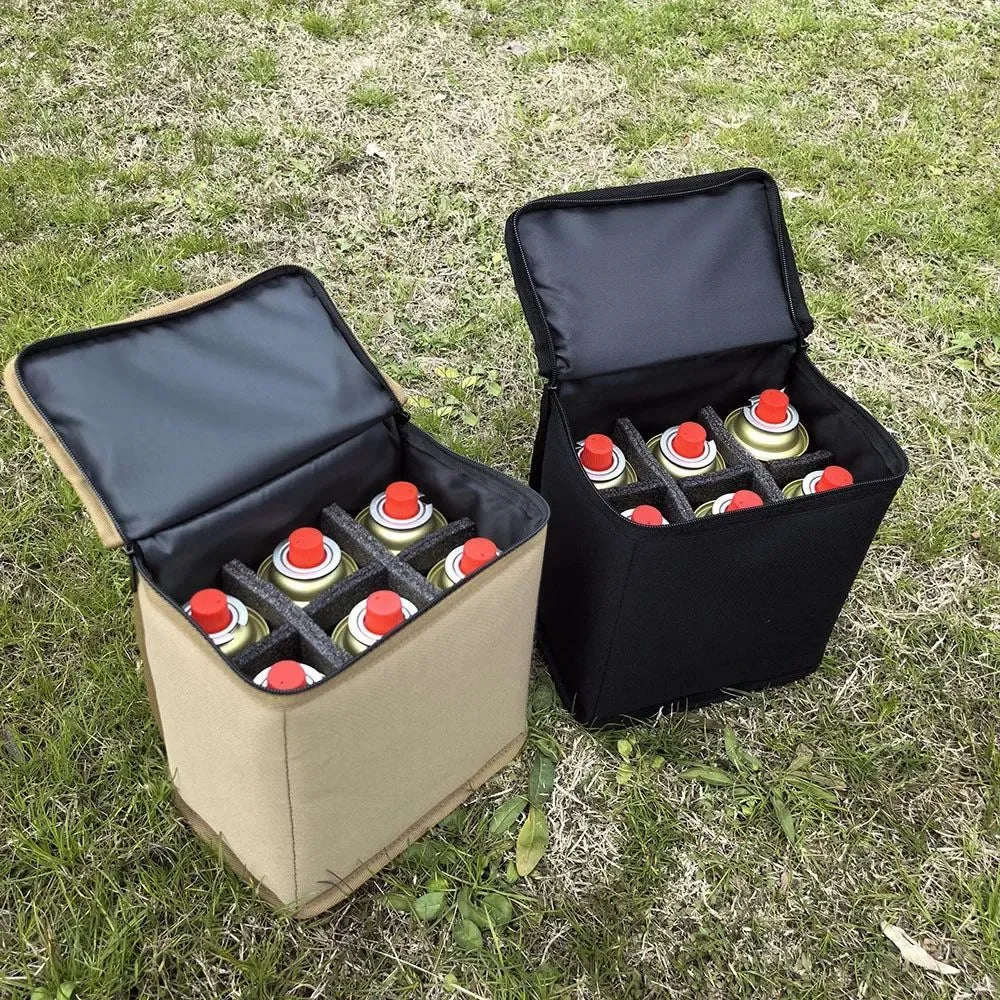
Using protective containers to store camping gas canisters keeps them safe and secure. These containers prevent damage from drops, bumps, and rough handling. They also protect the canisters from dirt, moisture, and sunlight. Proper storage extends the life of your gas canisters and keeps them ready for use.
Benefits Of Storage Cases
Storage cases offer strong protection against physical damage. They stop dents and punctures that can cause leaks. Cases make it easier to carry canisters without risk. They organize your gear, so you find canisters quickly. Cases also keep canisters away from heat and direct sunlight. This reduces pressure build-up inside the canister. Safe storage reduces accidents and improves camping safety.
Materials To Consider
Look for cases made from hard plastic or metal. Hard plastic is light and resists water and dirt well. Metal cases offer extra strength and durability. Some cases have foam padding to absorb shocks. Choose materials that do not rust or break easily. The case should fit your canister size snugly. A tight fit prevents movement and damage during transport.
Transporting Gas Canisters Safely
Transporting gas canisters safely is important for every camper. These canisters contain pressurized gas that can be dangerous if not handled right. Proper care during travel helps avoid leaks, fires, or accidents. Always treat gas canisters with respect and follow safety steps strictly.
Securing During Travel
Place gas canisters upright in your vehicle. Do not lay them flat or keep them loose. Use a sturdy box or container to hold the canisters firmly. This stops them from rolling or bumping during the drive. Keep canisters away from heat sources like direct sunlight or hot engine parts.
Legal Regulations To Follow
Many places have rules for carrying gas canisters. Check your local laws before traveling. Some areas limit the number or size of canisters you can transport. Always carry canisters in well-ventilated spaces inside your vehicle. Never transport gas canisters in the passenger cabin unless allowed by law.
Handling And Maintenance Tips
Proper handling and maintenance of camping gas canisters keep you safe. These steps help prevent accidents and extend the life of your canisters. Simple checks and cleaning routines make a big difference on every trip.
Checking For Leaks
Always check gas canisters for leaks before use. Apply soapy water to the connection points and valves. Watch for bubbles that show escaping gas. If bubbles appear, do not use the canister. Replace or repair it immediately. Leak checks reduce fire risks and protect your health.
Cleaning And Inspection
Keep canisters clean and dry after each use. Wipe off dirt and moisture with a cloth. Inspect the canister body for dents or rust. Check valve seals for cracks or damage. Damaged canisters can be dangerous and must be discarded. Regular cleaning and inspection ensure safe and smooth camping experiences.
Disposal Of Empty Or Expired Canisters
Disposing of empty or expired camping gas canisters safely matters a lot. These canisters can be dangerous if not handled correctly. They may still hold some gas, which can cause accidents or pollution. Proper disposal keeps you and the environment safe. It also helps in recycling useful materials.
Local Disposal Guidelines
Follow local rules for throwing away gas canisters. Some places have special drop-off points or recycling centers. Others require you to take canisters to hazardous waste sites. Check with your city or town waste service. They provide clear instructions on handling these items. Never throw gas canisters in regular trash bins.
Avoiding Environmental Hazards
Empty canisters might still have gas inside. Do not puncture or burn them. This can cause fires or explosions. Keep canisters in a cool, dry place before disposal. Make sure they are completely empty. Many recycling centers ask for this. Proper disposal reduces pollution and protects wildlife.
Credit: www.trekkeressentials.com
Frequently Asked Questions
How Should Camping Gas Canisters Be Stored Safely?
Store camping gas canisters in a cool, dry, and ventilated area. Keep them upright and away from direct sunlight or heat sources. Avoid storing them near flammable materials to prevent fire hazards. Always check for leaks before storing and ensure valves are tightly closed.
Can Camping Gas Canisters Be Stored Indoors?
Yes, camping gas canisters can be stored indoors if the area is well-ventilated and cool. Avoid storing them in basements or near heat sources. Ensure the storage spot is away from children and pets to maintain safety and prevent accidents.
How Long Can Camping Gas Canisters Be Stored?
Camping gas canisters can typically be stored for 5 to 10 years if kept in proper conditions. Always check the manufacturer’s expiration date and inspect for damage before use. Proper storage extends their lifespan and maintains safety.
Is It Safe To Store Camping Gas Canisters In A Car?
It is not recommended to store camping gas canisters in a car for long periods. Extreme temperatures inside vehicles can cause pressure build-up and risk leaks or explosions. If necessary, keep them in a ventilated, shaded area and avoid direct sunlight.
Conclusion
Storing camping gas canisters safely protects you and your gear. Keep them cool, dry, and away from heat sources. Always store canisters upright to avoid leaks. Use a ventilated area to prevent gas buildup. Check canisters regularly for damage before use.
Proper storage extends their life and ensures safety. Follow these simple steps for worry-free camping trips. Stay safe and enjoy your outdoor adventures with peace of mind.
