
Have you ever wondered how dangerous it really is to hike Mount Everest? Climbing the world’s tallest mountain is a dream for many, but it comes with serious risks.
You might be surprised to learn how many people have lost their lives trying to reach the summit. Understanding these risks can help you appreciate the challenges climbers face and why safety is so important. Keep reading to discover the true cost of this incredible adventure—and what it means for anyone thinking about taking on Everest.
Death Toll On Mount Everest
Mount Everest is the tallest mountain on Earth. Many climbers dream of reaching its peak. The climb is very dangerous. Many people have lost their lives trying to reach the summit. Understanding the death toll on Mount Everest helps us see the risks involved. It also shows how climbing safety has changed over time.
Historical Fatalities
Since the first attempts in the 1920s, Everest has seen many deaths. Early climbers faced unknown challenges. They lacked modern gear and weather forecasts. Most deaths happened from falls, avalanches, and altitude sickness. Between 1922 and 1996, over 200 people died on Everest. Many bodies still remain on the mountain due to harsh conditions.
Recent Trends
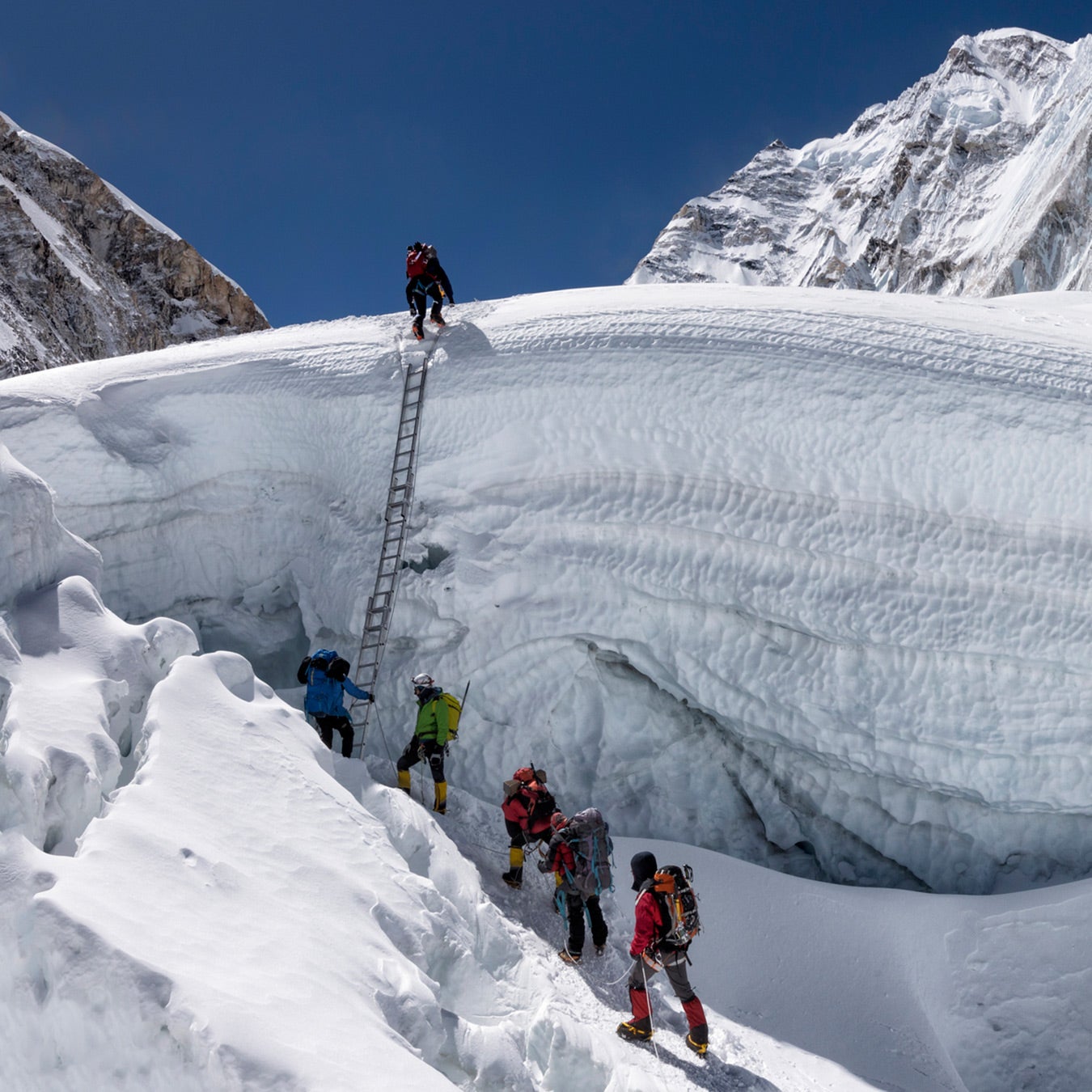
In recent years, more climbers attempt Everest each season. Better equipment and guides have improved safety. Death rates have dropped but risks remain high. Crowding on the mountain can cause delays and accidents. Weather changes still cause many fatalities. Each year, about 5 to 10 climbers die on Everest.
Credit: www.outsideonline.com
Common Causes Of Death
Climbing Mount Everest is very dangerous. Many climbers have lost their lives on the mountain. Understanding common causes of death helps us learn about these risks. These dangers come from the mountain’s natural challenges and harsh conditions.
Avalanches And Falls
Avalanches are sudden snow slides that bury climbers. They happen without warning and can be deadly. Falls occur on steep, icy slopes. A small mistake or loose footing can cause a fatal fall. Both avalanches and falls are among the top causes of death on Everest.
Altitude Sickness
High altitude makes breathing difficult. The body gets less oxygen at great heights. Altitude sickness causes headaches, nausea, and dizziness. Severe cases lead to brain swelling or fluid in the lungs. Many climbers die because their bodies cannot adjust fast enough.
Extreme Weather
Everest’s weather changes quickly and can be very harsh. Cold temperatures cause frostbite and hypothermia. Strong winds and storms reduce visibility and increase danger. Sudden weather shifts trap climbers and make rescue hard. Extreme weather remains a major threat on the mountain.
Notable Tragedies
Mount Everest attracts many climbers each year. Despite careful planning, the mountain remains very dangerous. Many have lost their lives while trying to reach the summit. Some accidents became well-known due to their scale and impact. These notable tragedies remind us of Everest’s deadly power.
The 1996 Disaster
The 1996 disaster is the deadliest single event on Everest. A fierce storm hit climbers near the summit. Eight people died in just a few hours. The event was widely covered in news and books. It showed how quickly conditions can change. Many climbers were trapped in freezing cold. Rescue efforts were difficult due to the storm.
Other Major Incidents
Other incidents have also caused many deaths on Everest. Avalanches, falls, and altitude sickness are common dangers. In 2014, an avalanche killed 16 Sherpas, the worst loss for guides. In 2015, an earthquake triggered avalanches, killing over 20 climbers. Each tragedy highlights the risks climbers face. Safety on Everest depends on weather, skill, and luck.

Credit: www.nytimes.com
Challenges Of Rescue Operations
Rescue operations on Mount Everest face many challenges. The mountain’s extreme environment makes saving lives very hard. Every rescue mission tests the skills and limits of the teams involved.
Rescuers must act fast but work under tough conditions. Harsh weather, low oxygen, and dangerous paths slow down help. These factors increase risks for both climbers and rescuers.
Difficult Terrain
Mount Everest’s terrain is steep and icy. Slopes covered in snow and ice cause slips and falls. Crevasses hide under thin snow, trapping climbers. Rocky areas block easy movement of rescue teams.
Helicopters cannot land everywhere. They can only hover or drop supplies in some spots. Rescuers must often climb on foot. Carrying injured climbers on difficult paths takes time and effort.
Limited Resources
Rescue teams have limited tools and supplies. Oxygen tanks run out quickly at high altitude. Medical equipment is basic and hard to carry. Communication devices may fail due to weather.
Few trained rescuers are available on the mountain. Many depend on local Sherpas for help. The number of people needing rescue can exceed resources. This shortage affects the speed and success of missions.
Impact On Climbers And Families
Climbing Mount Everest is a dream for many, but it comes with serious risks. The deaths on Everest leave deep marks on climbers and their families. The pain and loss affect their lives in many ways. Understanding this impact helps us see the true cost of this dangerous adventure.
Families often feel a mix of grief, shock, and helplessness. Climbers who survive also face hard challenges. They carry memories of lost friends and the harsh mountain. Both groups need support and care to cope with these experiences.
Psychological Effects
Survivors may suffer from stress and trauma. Many face nightmares and anxiety after the climb. Some feel guilt for surviving while others died. This is called survivor’s guilt. It can affect their daily life and mental health. Counseling and therapy often help them heal over time.
Families left behind also face long-term sadness. They may struggle to accept the loss. Some develop depression or post-traumatic stress. Support groups can provide comfort and connection. Talking about their feelings helps them move forward.
Memorials And Tributes
Many climbers honor those who died on Everest. Memorials appear at base camps and villages. These places remind everyone of the mountain’s dangers. Tributes include names, photos, and personal stories. They keep the memories alive and show respect.
Families often create their own tributes. Some plant trees or build shrines. Others hold ceremonies or share stories publicly. These acts help them feel close to their lost loved ones. They also raise awareness about the mountain’s risks.

Credit: www.denverpost.com
Safety Measures And Improvements
Climbing Mount Everest is very dangerous. Over the years, many climbers have lost their lives on this mountain. Safety measures have improved to reduce these deaths. New tools and rules help climbers stay safer. These changes save lives and make climbing less risky.
Technological Advances
Technology helps climbers prepare and stay safe. GPS devices now show exact locations on the mountain. Satellite phones allow climbers to call for help quickly. Weather apps give real-time updates about storms and wind. Oxygen tanks have become lighter and last longer. These tools help climbers avoid dangers and survive better.
Regulation Changes
Rules for climbing Everest have become stricter. Only experienced climbers can get permits now. Guides must have special training to lead groups. The government limits the number of climbers each season. These rules reduce crowding and lower risks. They make the climb safer for everyone involved.
Frequently Asked Questions
How Many People Have Died Hiking Mount Everest?
Over 300 people have died hiking Mount Everest since the first attempts in the 1920s. The official death toll varies due to unreported cases. Most fatalities occur from avalanches, falls, altitude sickness, and extreme weather conditions on the mountain.
What Causes Most Deaths On Mount Everest Hikes?
Most deaths on Everest are caused by avalanches, falls, and altitude sickness. Harsh weather and exhaustion also contribute significantly. These dangers make climbing Everest one of the deadliest mountaineering challenges in the world.
Is Hiking Mount Everest More Dangerous Than Other Mountains?
Yes, Everest is more dangerous due to its extreme altitude, severe weather, and difficult terrain. The risk of altitude sickness and sudden storms is higher than on most other peaks. These factors increase the chances of fatal accidents.
Can Inexperienced Hikers Survive Mount Everest Climbs?
Inexperienced hikers face a very high risk on Everest. Proper training, acclimatization, and guided support are essential. Many fatalities involve climbers lacking adequate preparation or ignoring safety protocols.
Conclusion
Mount Everest remains one of the most dangerous mountains on Earth. Thousands try to reach its summit each year. Sadly, many lose their lives during the climb. The harsh weather and high altitude cause severe risks. Climbers must prepare well and respect the mountain’s power.
Safety should always come before reaching the top. Every life lost reminds us of the mountain’s challenges. Adventure and caution must go hand in hand. Remember, Mount Everest demands respect and careful planning. Stay safe and honor those who faced its dangers.
