
Planning a camping trip means thinking about all the essentials, and one question often trips people up: How much camping gas do you actually need? Running out of gas in the middle of cooking or heating can quickly turn your fun outdoor experience into a stressful one.
But don’t worry—you’re about to learn simple tips that help you pack just the right amount. Keep reading, and you’ll discover how to avoid carrying too much or too little, so your adventure stays safe, easy, and enjoyable.
Factors Affecting Gas Consumption
Understanding the factors that affect camping gas use helps you plan better. Gas consumption depends on many things. Some are easy to control, others less so. Knowing these factors keeps you safe from running out of gas outdoors.
Preparing the right amount avoids carrying too much weight. It also ensures you cook meals without stress. Let’s explore the main factors that affect gas use during camping trips.
Type Of Camping Stove
Different stoves use gas at different rates. Small backpacking stoves often use less gas. Larger camp stoves with multiple burners use more. The stove’s design affects how fast it burns gas. Check stove specs for estimated fuel use.
Duration Of Camping Trip
The longer the trip, the more gas you need. A weekend trip needs less gas than a week-long one. Plan gas supply based on how many days you will cook. Include extra gas for unexpected delays or more cooking.
Number Of Campers
More campers mean more meals to cook. Cooking for one person uses less gas. Groups need more fuel to prepare enough food. Consider the group size to estimate total gas use. Sharing a stove with many people increases gas consumption.
Cooking Habits
Simple meals use less gas than complex recipes. Boiling water takes less time than slow cooking. Frequent cooking means using more gas. Using lids on pots saves heat and gas. Plan meals to balance gas use and taste.
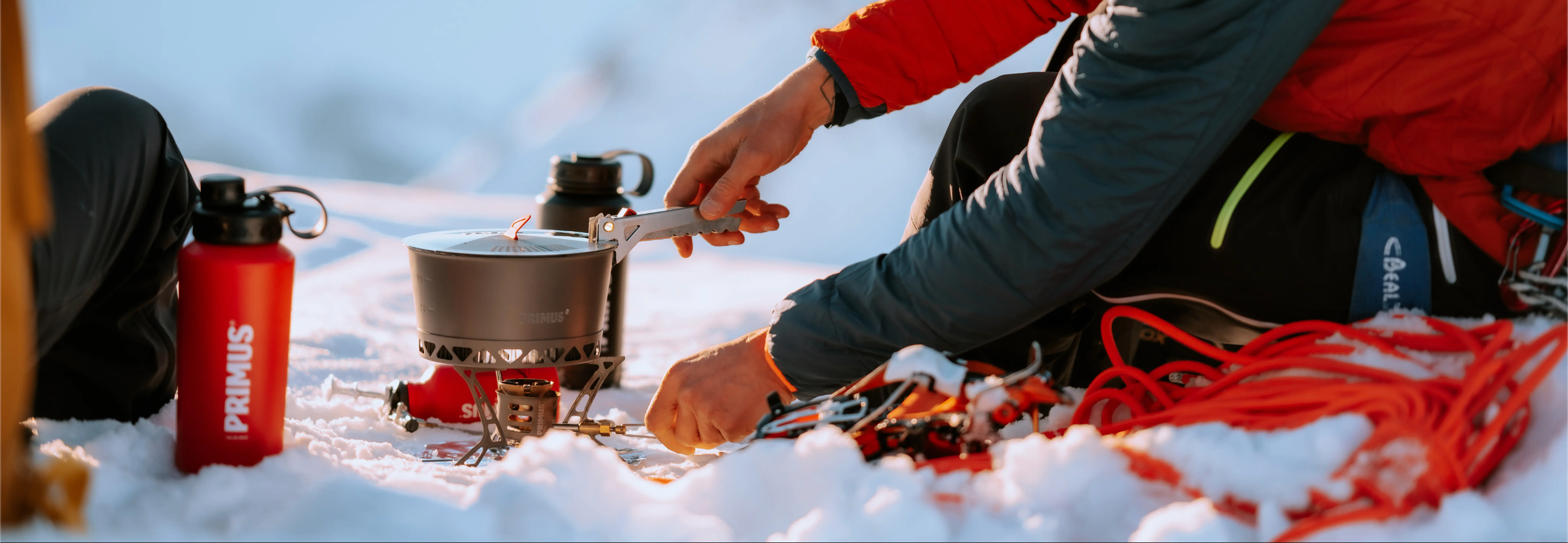
Credit: primusequipment.com
Estimating Gas Usage
Estimating how much camping gas you need helps avoid running out during your trip. Gas use depends on stove type, weather, and cooking habits. Knowing your gas needs ensures a smooth camping experience without extra weight.
Average Consumption Rates
Most camping stoves use about 100 grams of gas per hour. Small stoves burn less, around 50 grams each hour. Larger stoves or those with multiple burners use more gas. Cold weather can increase gas consumption by 20-30%.
Calculating Based On Meal Plans
Plan the meals you will cook on the stove. Simple meals need less time and gas, like boiling water for noodles. Cooking full meals with frying or simmering uses more gas. Count the total cooking hours to estimate gas use.
Considering Boiling And Simmering Times
Boiling water uses the most gas in a short time. Simmering uses less gas but takes longer. Estimate how long you will boil and simmer for each meal. Combine these times for a better gas usage estimate.
Types Of Camping Gas Canisters
Choosing the right camping gas canister is key for a smooth outdoor cooking experience. Different gases work better in different weather and temperatures. Knowing the types helps you pick the best fuel for your trip. Here are the main types of camping gas canisters you should know about.
Butane
Butane is popular for camping stoves. It burns clean and is easy to find. Butane works best in warm weather. It struggles in cold temperatures below 32°F (0°C). It is lighter and smaller than propane canisters. Great for short trips and mild climates.
Propane
Propane is powerful and works well in cold weather. It stays gas even in freezing temperatures. Propane canisters are bigger and heavier than butane. This gas is good for longer trips. It also heats faster and cooks food quickly.
Isobutane
Isobutane is a mix of butane and propane. It burns cleaner and is lighter than propane. It works better than butane in cold weather. Isobutane canisters are common for backpackers. They offer a balance of weight and power.
Mixed Gas Canisters
Mixed gas canisters combine propane, butane, and isobutane. They offer good performance in many conditions. These canisters work in cold and warm weather. Mixed gases provide better pressure and burn time. Many campers prefer these for versatility.
Tips For Conserving Camping Gas
Saving camping gas helps stretch your supply and lowers costs. Small changes in how you cook make a big difference. Use smart tips to get the most from your gas canisters. These ideas help you enjoy your trip without running out of fuel.
Focus on using less gas while still preparing tasty meals. Simple habits keep your stove burning longer. Careful planning and good tools play a key role.
Efficient Cooking Techniques
Choose pots and pans with flat bottoms for better heat contact. Cover your pots to trap heat and cook faster. Use a low flame to keep food warm without wasting gas. Boil only the amount of water needed. Avoid lifting the lid too often; it lets heat escape.
Using Windshields
Wind can blow out flames and waste gas quickly. Place a windshield around your stove to block the wind. A simple metal or aluminum shield works well. Position it carefully to keep air flowing but stop wind. This keeps the flame steady and saves fuel.
Prepping Meals In Advance
Cut and measure ingredients before you start cooking. Pre-cook some foods at home to reduce stove time. Use ready-to-eat or quick-cook meals on the trail. This lowers the amount of gas you need. Less cooking time means less gas used.
Safety And Storage Guidelines
Camping gas is useful but requires careful safety and storage. Handling gas canisters the right way keeps you safe. Proper storage stops accidents and gas leaks. Knowing how to dispose of empty canisters protects the environment. Follow these guidelines to camp safely and enjoy your trip.
Proper Canister Handling
Always check the canister for damage before use. Keep the valve closed when not in use. Attach and detach the canister gently to avoid leaks. Do not use a damaged or rusty canister. Use the gas stove in a well-ventilated area only. Keep the canister away from flames and heat sources. Avoid dropping or shaking the canister. Handle with care to prevent accidents.
Storage Precautions
Store gas canisters upright on a flat surface. Keep them in a cool, dry place out of direct sunlight. Avoid storing canisters near fire or heat sources. Never keep gas canisters inside a hot car or tent. Store away from children and pets. Do not store canisters in airtight containers. Check the storage area regularly for leaks or damage. Proper storage extends canister life and safety.
Disposal Of Empty Canisters
Empty canisters still have some gas inside. Do not throw them in regular trash. Follow local rules for hazardous waste disposal. Puncture or vent the canister safely before recycling. Use special collection points or recycling centers. Never burn or incinerate empty canisters. Proper disposal prevents fires and pollution. Dispose of canisters responsibly to protect nature.
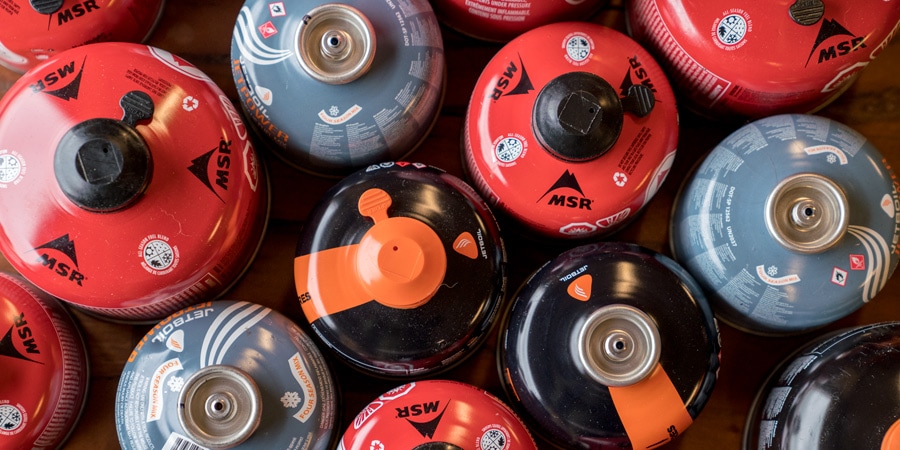
Credit: www.rei.com
Credit: www.reddit.com
Frequently Asked Questions
How Much Gas Does A Camping Stove Use Per Hour?
A typical camping stove consumes about 100 to 200 grams of gas per hour. Usage varies by stove type and flame intensity. Always check your stove’s specifications for precise consumption rates to plan your gas needs effectively.
How Do I Calculate Camping Gas For Multiple Days?
Multiply your daily gas consumption by the number of camping days. Add a 20% buffer for safety and unexpected usage. This ensures you have enough fuel without carrying excessive weight.
What Size Gas Canister Is Best For Camping?
A 220-250 gram canister suits short trips and small stoves. For longer trips, consider 450-500 gram canisters for extended use. Choose based on trip length, stove efficiency, and fuel availability.
Can Temperature Affect Camping Gas Usage?
Yes, cold temperatures reduce gas pressure, lowering stove efficiency. You may need more gas in cold weather to maintain the same cooking time. Always carry extra fuel in winter camping.
Conclusion
Choosing the right amount of camping gas keeps your trip smooth and safe. Think about your stove’s size and how long you will cook. Small trips need less gas, while longer ones require more. Always carry a little extra to avoid running out.
Store gas canisters away from heat and direct sun. With careful planning, you enjoy warm meals and cozy nights outdoors. Camping becomes easier and more fun with the right gas supply. Stay prepared and enjoy every moment under the open sky.
