
If you live in Florida, you know termites can cause serious damage to your home. But how often should you tent for termites to keep your property safe?
You might be wondering if one treatment is enough or if regular tenting is necessary. Getting this right can save you thousands in repairs and give you peace of mind. You’ll discover exactly when and why you should tent for termites, so you can protect your home the smart way.
Keep reading to find out the best schedule for termite tenting in Florida—and how it can save you from costly headaches.
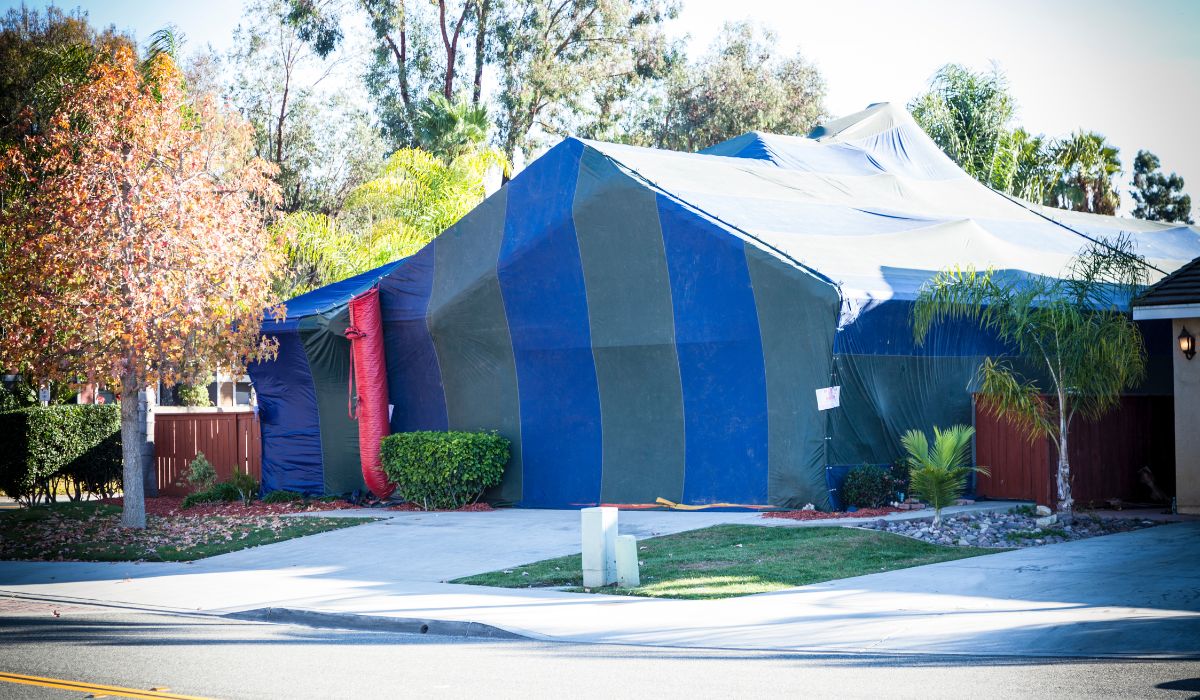
Credit: www.nativepestmanagement.com
Termite Threats In Florida
Florida is one of the top states for termite problems. Termites cause a lot of damage to homes and buildings. They eat wood quietly and can destroy structures fast. Many homeowners do not notice termites until the damage is bad.
Termites are active almost all year in Florida. The warm and wet weather helps them grow and spread. Knowing about termite types and how climate affects them helps protect your home.
Common Termite Species
Florida has several termite species that harm homes. The most common are subterranean termites. They live underground and build mud tubes to reach wood. Drywood termites also appear in Florida. They live inside dry wood and do not need soil contact. Another species is Formosan termites. They are very aggressive and cause fast damage.
Each termite type needs different treatment. Knowing the species helps pest control experts choose the right method.
Climate Impact On Termites
Florida’s hot and humid climate helps termites grow. Warm temperatures let termites stay active all year. Rainfall increases soil moisture, which termites need. Dry spells can slow termite activity, but they survive well underground. Floods can push termites into homes seeking dry wood.
The climate makes termite problems worse in Florida than other states. Regular checks and treatments are important to stop termite damage early.
Signs Of Termite Infestation
Termites can damage homes quietly. Early signs help stop big problems fast. Knowing what to watch for saves money and stress. Watch walls, floors, and wood carefully. Small hints show termites might be inside.
Visible Damage
Wood that looks hollow or crumbly is a big warning. Termites eat wood from the inside out. You might see blistered or cracked paint on walls. Floors may feel soft or sag underfoot. Check wooden doors and window frames for damage. Dark spots or tiny holes also point to termites.
Mud Tubes And Swarmers
Termites build thin, dirt-like tubes on walls or foundations. These mud tubes protect them while they travel. Spotting these tubes means termites are active nearby. Swarmers are winged termites flying out to start new colonies. Seeing swarmers inside or outside your home is a red flag. They often appear in spring or after rain.
Frequency Of Tent Treatments
Tent treatments for termites protect homes from damage. Knowing how often to tent is key. Termites can cause serious harm if left unchecked. Regular treatments keep them away and your house safe.
The frequency of tent treatments depends on several things. These include the type of termites and the home’s condition. Understanding these factors helps plan the right schedule.
Recommended Treatment Intervals
Most experts suggest tenting every 3 to 5 years. This range fits many homes in Florida. Some homes might need more frequent treatments. Others can wait longer between tentings. Following a set schedule limits termite risks.
Factors Influencing Treatment Frequency
Climate plays a big role in termite activity. Florida’s warm, humid weather helps termites thrive. This means more frequent checks and treatments might be needed. The age and condition of the home matter too. Older homes often have more entry points. Nearby wood or mulch also attracts termites. Homes near water or forests face higher risks. These factors can shorten the time between tentings. Pest control professionals can assess and advise on timing.

Credit: www.bbrief.co.za
Preparation For Tent Fumigation
Preparing your home for tent fumigation is a key step in successful termite treatment. This process ensures the treatment works well and keeps everyone safe. Proper preparation helps protect your belongings and makes the job easier for pest control experts.
Steps Before Treatment
Remove all food, drinks, and medications from your home. Store them in a safe place outside the house. Take out fish tanks or cover them with plastic and add oxygen. Open cabinets, drawers, and closets to let the gas reach all areas. Turn off all pilot lights and unplug electrical devices. Make arrangements for pets and plants to stay away from the house. Make sure to clear driveways and walkways for easy tent setup.
Safety Precautions
Wear gloves and masks when handling packed items. Keep children and pets out of the home during treatment. Avoid re-entering until pest control experts say it is safe. Inform neighbors about the fumigation to prevent any issues. Follow all instructions given by the pest control company carefully. Proper safety measures reduce risks and ensure smooth fumigation.
Post-treatment Care
Post-treatment care is crucial after termite tenting in Florida. It helps keep your home safe and termite-free for a long time. Proper care can stop termites from coming back. It also protects your investment in termite treatment.
Monitoring And Maintenance
Check your home regularly for signs of termites. Look for mud tubes, damaged wood, or small wings near windows. Use termite baits or traps as an early warning system. Schedule yearly inspections by a professional pest control expert. Keep the area around your home dry and clean. Moisture attracts termites and can cause damage.
Preventative Measures
Seal cracks and holes in your home’s foundation. Remove wood debris and firewood away from your house. Fix leaks in pipes and gutters quickly. Use termite-resistant wood for repairs and new construction. Maintain a gap between soil and wooden parts of your home. These steps reduce the chance of termites entering your home again.
Cost Considerations
Cost is a key factor when deciding how often to tent for termites in Florida. The price varies based on home size, location, and treatment type. Understanding these costs helps you plan your budget better. Balancing cost with the need for termite control is important. Investing in regular treatments can save money in the long run.
Typical Pricing
Termite tenting in Florida usually costs between $1,000 and $3,000. Larger homes or severe infestations may increase the price. Some companies charge a flat fee, while others price by square footage. Additional fees might apply for repairs after treatment. It is best to get quotes from several pest control services.
Value Of Regular Treatments
Regular termite treatments prevent costly damage to your home. Early detection lowers repair expenses and protects your property’s value. Scheduling tenting every few years can be more affordable than one big repair. Consistent treatment helps avoid structural problems and health risks. Spending on prevention gives peace of mind and long-term savings.

Credit: bugs.com
Frequently Asked Questions
How Often Should Florida Homes Be Tented For Termites?
Florida homes typically require termite tenting every 3 to 5 years. This depends on termite activity and environmental factors. Regular inspections help determine the need. Early treatment prevents costly damage and maintains home value.
What Are The Signs Termites Need Fumigation?
Signs include mud tubes, hollow wood, and discarded wings. Swarmers inside indicate active infestation. If you notice these, fumigation is essential. Early detection ensures effective termite control and protects your property.
Can Termite Tenting Prevent Future Infestations?
Yes, termite tenting eliminates current colonies and reduces future risks. Combined with regular inspections and treatments, it offers long-term protection. Proper tenting safeguards your home from extensive termite damage.
Is Termite Tenting Safe For Florida Families?
When done by professionals, termite tenting is safe. The fumigants used dissipate quickly and pose minimal risk. Follow all safety instructions during and after treatment to ensure family safety.
Conclusion
Termite tenting in Florida should happen every few years. This keeps your home safe from damage. Regular checks help spot termites early. Don’t wait for signs of trouble. Protecting your home means acting on time. Stay aware of termite risks in your area.
A good plan saves money and stress later. Remember, prevention is better than repair. Keep your home strong and termite-free.
