
Hiking is one of the best ways to connect with nature, challenge your body, and clear your mind. But while you’re out on the trail, there’s a risk many overlook: rattlesnakes. These snakes are common in many hiking areas, especially in the western and southern US. Their bite can be dangerous and even life-threatening. The good news? With careful planning and smart habits, you can greatly reduce your risk of encountering or being bitten by a rattlesnake. This guide will help you understand rattlesnakes, their behavior, and the steps you can take to stay safe while hiking.
Where Rattlesnakes Are Found
Understanding rattlesnake habitats is the first step. These snakes are most common in dry, rocky, and grassy areas, but they can also be found in forests and near water sources. In the US, rattlesnakes are widespread in the Southwest, West, and Southeast.
Here’s a quick comparison of the most common rattlesnake regions:
| Region | Rattlesnake Types | Risk Level | Typical Habitat |
|---|---|---|---|
| Southwest (AZ, NM, TX) | Western Diamondback, Mojave | High | Desert, rocky hills |
| California | Pacific, Red Diamond | Medium | Grassland, forest edges |
| Southeast (FL, GA) | Eastern Diamondback | Medium | Pine woods, marshes |
| Midwest | Timber Rattlesnake | Low | Rocky slopes, forests |
Key insight: Many beginners assume rattlesnakes only live in deserts. In reality, they can be found at higher elevations, near streams, and even in urban parks. Some hikers have reported seeing rattlesnakes in grassy fields near city edges, and even on golf courses. Be aware that a rattlesnake’s habitat can change with the weather and season. During hot spells, rattlesnakes may move closer to water sources like rivers or ponds. After heavy rains, they sometimes seek higher ground to avoid flooding. Always check local wildlife reports before heading out.
Why Rattlesnakes Are Dangerous
Rattlesnakes are not aggressive—they only bite to protect themselves. Their venom can cause pain, swelling, tissue damage, and even death if untreated. According to the Centers for Disease Control and Prevention (CDC), about 7,000–8,000 people are bitten by venomous snakes in the US each year. Around five deaths occur annually, mostly due to delayed medical care.
Non-obvious tip: Most bites happen when hikers accidentally step on or near a snake, not because the snake is hunting them. Rattlesnakes rely on camouflage and often freeze when they sense humans. If you don’t see them and step too close, they bite as a last resort. Their venom contains proteins that break down tissue and affect blood flow, which is why quick medical attention is vital. Some rattlesnakes, like the Mojave, have neurotoxic venom that can affect the nervous system, causing trouble breathing or speaking.
Another detail beginners miss: even a “dry bite” (where no venom is injected) can still cause infection and pain, so all bites require immediate care.
When Rattlesnakes Are Active
Knowing when snakes are most active helps you plan your hike. Rattlesnakes are cold-blooded, so their activity depends on temperature.
| Season | Typical Snake Activity | Best Hiking Time |
|---|---|---|
| Spring | Active mid-morning & late afternoon | Early morning or late evening |
| Summer | Active at dusk & night | Morning before 10am |
| Fall | Active midday | Morning or evening |
| Winter | Mostly dormant | Low risk, but rare encounters possible |
Practical tip: Snakes often sun themselves on rocks or trails in the morning. Avoid hiking during their peak activity times. After chilly nights, snakes seek warmth and may be sluggish, making them easier to spot but also less likely to move away quickly. In summer, rattlesnakes avoid extreme heat by staying under rocks or in burrows, but become active again at dusk. If you’re hiking in hot regions, plan to finish before noon. Also, cloudy days may change activity patterns—snakes sometimes stay hidden longer, but they will still come out if the temperature is right.
How To Avoid Rattlesnakes While Hiking
1. Choose The Right Trail
Trails that are well-used and cleared are safer. Avoid narrow paths with thick grass or heavy undergrowth. Well-maintained trails reduce your chances of surprising a snake. If you’re unsure, ask park staff about recent snake sightings or trail conditions.
2. Wear Proper Clothing
Wear long pants and high boots. Thick boots can prevent fangs from reaching your skin. Light-colored pants help you spot snakes more easily. Some hikers also use snake gaiters, which cover the lower leg and offer extra protection. Even if you’re hiking in warm weather, resist the urge to wear shorts—your safety is more important.
3. Stay On The Path
Don’t wander off the trail. Most bites happen when hikers step into brush or climb rocks off the main path. If you need to step over a log or rock, look carefully first. Use your walking stick to tap the log before stepping over—this can alert hidden snakes to your presence and encourage them to move.
4. Watch Where You Step
Look at the ground ahead as you walk. Rattlesnakes often blend in with leaves, rocks, and dirt. If you see a stick or root, check to make sure it isn’t a snake. Move slowly in areas with poor visibility, and pause at tricky spots.
5. Avoid Tall Grass And Underbrush
Snakes hide in tall grass to stay cool and avoid predators. If you must walk through grass, use a stick to move it aside and check for snakes. Take extra care after rain, when grass is taller and snakes are more likely to be close to trails.
6. Don’t Reach Into Holes Or Under Rocks
Never put your hands or feet where you cannot see. Snakes use holes, burrows, and spaces under rocks to rest. If you drop something, use a stick or tool to retrieve it instead of reaching blindly.
7. Listen For Rattling
Most rattlesnakes warn you with their rattle. If you hear a rattling sound, stop immediately and scan the area. Move away slowly.
Beginner mistake: Many hikers ignore rattling, thinking it’s an insect or bird. Always take rattling seriously—it’s the snake’s way of telling you to back off. In rare cases, rattlesnakes may not rattle due to injury or missing rattles, so don’t rely only on sound.
8. Hike With A Buddy
If you hike with others, someone can help in case of an emergency. Groups also make more noise, which can scare snakes away. Share responsibilities, like scanning the trail or carrying extra gear.
9. Keep Dogs Leashed
Dogs often poke their noses where they shouldn’t. Leash your dog and keep them on the trail. Consider using a short leash so you have better control.
10. Avoid Hiking At Night
Rattlesnakes are more active after dark in warm months. Visibility is low, so you might not see a snake before stepping on it. Even with a flashlight, it’s easy to miss a snake hiding in leaves or grass.
11. Don’t Try To Handle Or Kill Snakes
Never pick up or kill a rattlesnake. Most bites happen when people try to move or kill a snake. Leave the snake alone and give it space. If you see a snake blocking the trail, wait or choose another route.
12. Check Campsites Carefully
If you camp overnight, inspect your campsite for snakes before settling down. Shake out your sleeping bag and shoes before use. Clear away brush and rocks where snakes might hide.
13. Carry A Flashlight
If you must hike or camp at night, use a flashlight to scan the ground ahead. Rattlesnakes are harder to see in the dark. Extra batteries are useful if your hike lasts longer than planned.
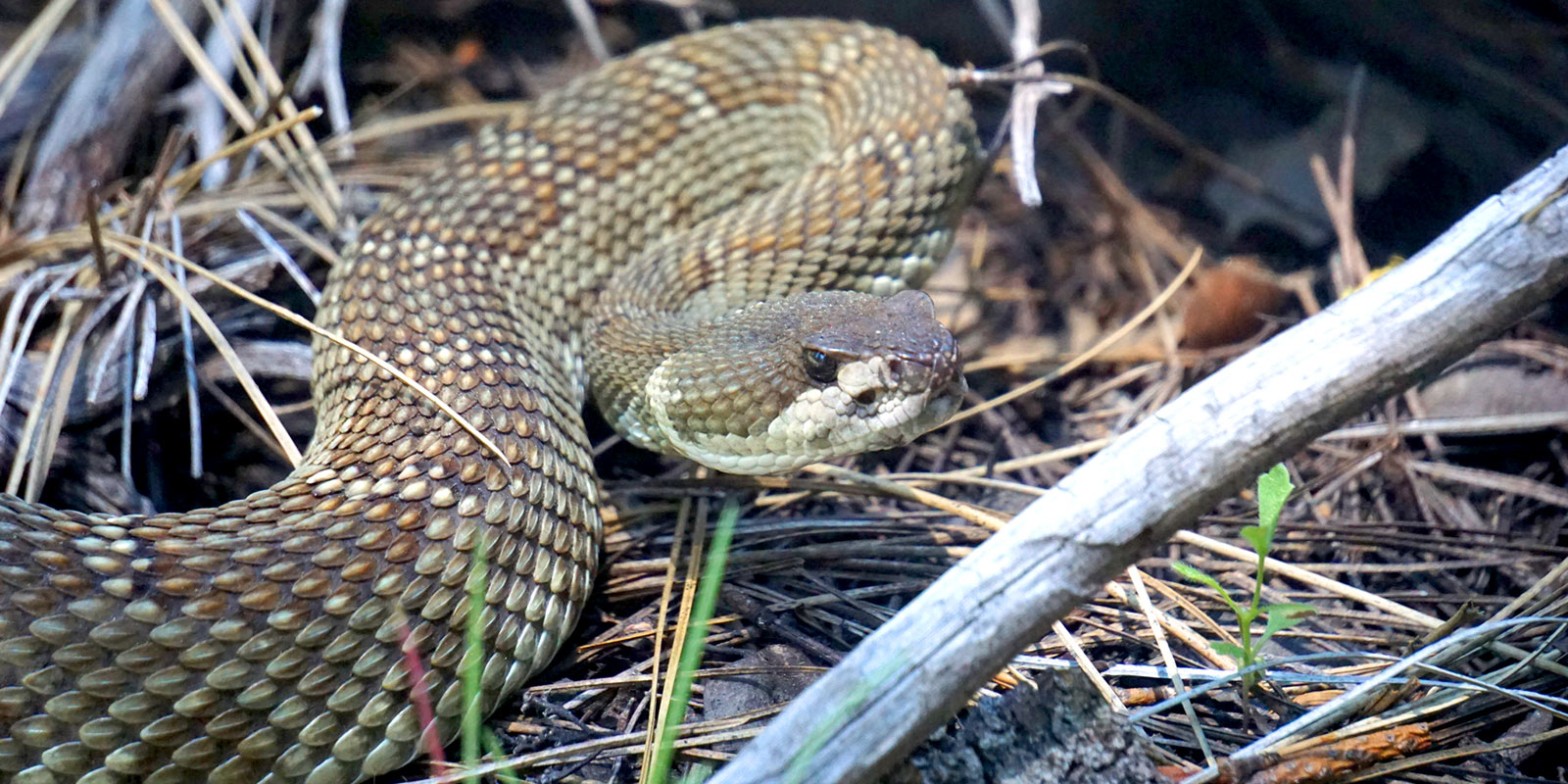
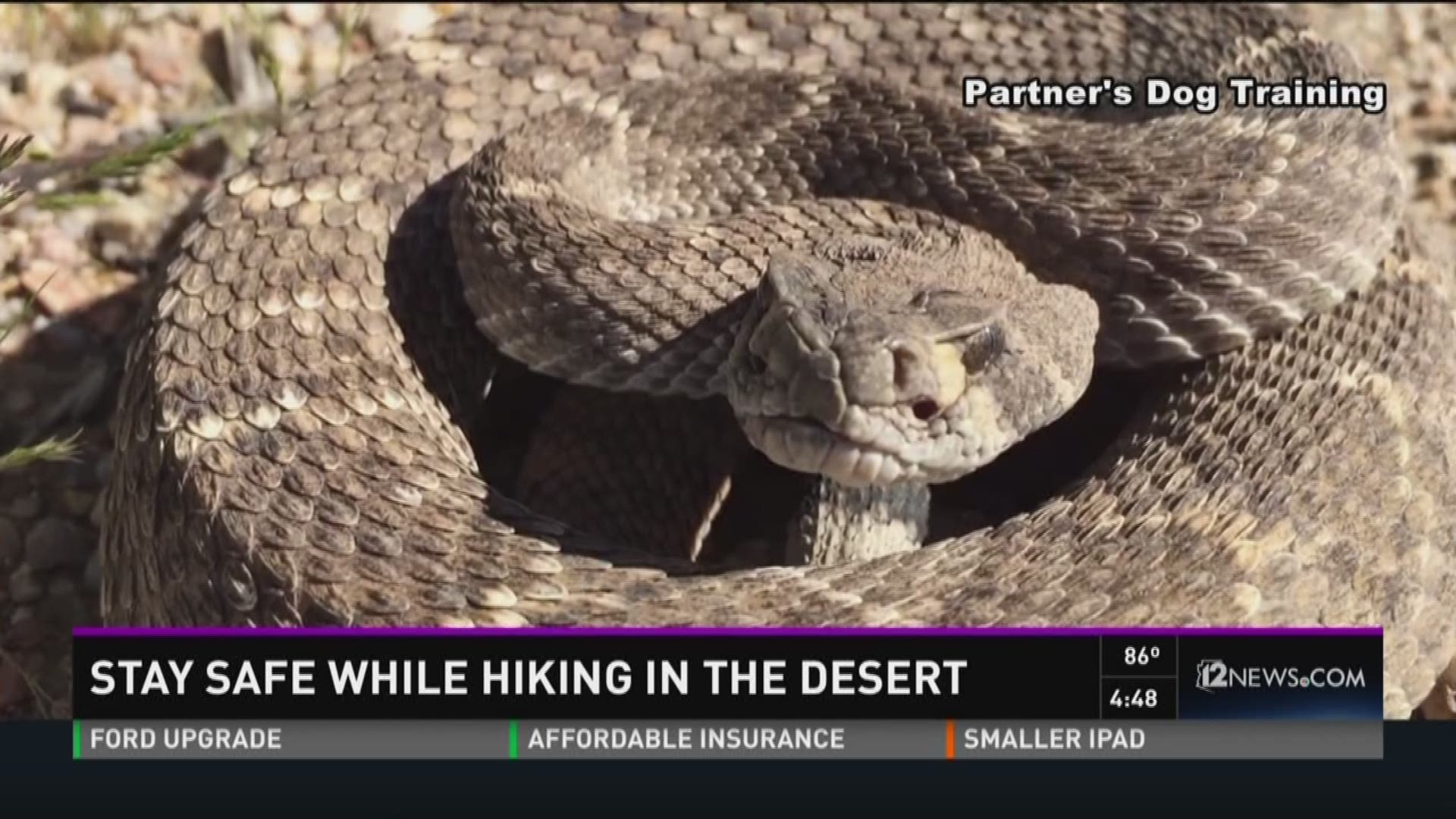
14. Learn To Identify Rattlesnakes
Study photos and learn the markings of local rattlesnakes. Most have a triangular head, heavy body, and a rattle at the end of their tail. Some rattlesnakes have diamond or zigzag patterns on their back. Knowing the difference between rattlesnakes and harmless snakes helps reduce panic and mistakes.
15. Respect Snake Signs
Many parks post signs about rattlesnake presence. Take these seriously. If a trail is closed due to snake activity, follow the rules. Signs may also warn of recent sightings or active dens—these are not just suggestions, but important safety notices.
Credit: parks.sonomacounty.ca.gov
What To Do If You Encounter A Rattlesnake
Stay Calm And Stop
If you see a rattlesnake, stop moving. Do not panic or run. Sudden movement can provoke the snake. Take a deep breath and assess the situation.
Back Away Slowly
Move away from the snake slowly and calmly. Give it at least six feet of space. Rattlesnakes can strike at about one-third of their body length. If the snake is coiled, it may be ready to strike—maintain your distance.
Don’t Make Sudden Movements
Avoid jumping, waving arms, or throwing objects at the snake. This only increases the risk. Keep your movements slow and steady.
Let The Snake Leave
Most snakes will move away if they feel threatened. Wait for the snake to leave before continuing. If you’re on a narrow trail, turn back if the snake doesn’t move.
Mark The Spot
If possible, mark the location for other hikers (with a stick or visible marker) and notify park staff. This helps others avoid the snake and lets staff manage the situation.
Non-obvious insight: Rattlesnakes often stay still when threatened. If a snake doesn’t move, be patient and give it time. Sometimes, a snake will wait until you leave before moving away.
How To Recognize A Rattlesnake Bite
A rattlesnake bite usually causes two puncture wounds, swelling, and intense pain within minutes. Other symptoms include:
- Weakness or dizziness
- Nausea
- Difficulty breathing
- Blurred vision
If you are bitten, seek medical help immediately. The area may turn red or purple and swell rapidly. Remember, even if you don’t see two puncture marks, you should treat any sudden bite as serious. Some bites may not show immediate symptoms but can worsen quickly.
First Aid For Rattlesnake Bites
What Not To Do
Many old myths about snake bites are dangerous. Never:
- Cut the wound or try to suck out venom
- Apply ice
- Use a tourniquet
- Drink alcohol
These actions can make things worse or cause infection. Cutting the bite can increase tissue damage and risk of scarring.
What You Should Do
- Move away from the snake and stay calm.
- Remove jewelry or tight clothing near the bite.
- Keep the bitten limb below heart level.
- Call 911 or get to the nearest hospital quickly.
- Do not walk too fast or run; keep movement slow to reduce venom spread.
Practical tip: Always carry a cell phone or emergency beacon, especially in remote areas. If possible, let someone else call for help while you focus on staying calm.
Another tip: If you’re alone and must walk for help, go slowly and rest often. Don’t delay seeking medical care—antivenom works best when given early.
Essential Gear For Rattlesnake Safety
Bringing the right gear can lower your risk and help in emergencies.
- Snake gaiters: Protect your lower legs.
- First aid kit: Include bandages and antiseptic wipes.
- Cell phone or GPS beacon: For emergencies.
- Walking stick: Helps check brush or grass ahead.
Here’s a comparison of common gear:
| Gear | Purpose | Effectiveness |
|---|---|---|
| Snake gaiters | Leg protection | High |
| High boots | Foot protection | Medium |
| Walking stick | Check brush | Medium |
| Cell phone | Emergency call | High |
Beginner tip: Don’t rely on snake bite kits sold in stores. Most experts do not recommend them. Focus on prevention and quick access to medical help.
Extra advice: Some hikers bring maps showing ranger stations or emergency routes, especially in larger parks. This helps you find help faster if bitten.
Credit: www.12news.com
Teaching Kids About Rattlesnake Safety
If you hike with children, teach them:
- Not to touch or pick up any snake
- To walk behind adults
- To listen for rattling sounds
- To stay on the trail
Practice safety drills before hiking so kids know what to do. Use stories and photos to show kids what rattlesnakes look like. Make rules clear: “If you see a snake, stop and call an adult.” Some families rehearse what to do if someone is bitten, so kids feel prepared and not scared.
Rattlesnake Myths And Facts
Many myths about rattlesnakes can lead to mistakes. Let’s clear up some common misunderstandings.
- Myth: Rattlesnakes always rattle before biting.
- Fact: Sometimes they bite without rattling.
- Myth: Baby rattlesnakes are more dangerous than adults.
- Fact: Both are dangerous; babies may inject more venom, but adults have more.
- Myth: Rattlesnake bites are always fatal.
- Fact: With prompt medical care, most people survive.
- Myth: You can suck out the venom.
- Fact: This is not effective and can cause infection.
Non-obvious insight: Rattlesnakes lose their rattles sometimes. Don’t rely only on the sound to detect them. Some snakes are silent due to injury or age, so always scan for movement and body shape.
Another myth: Some believe rattlesnakes can jump long distances. In truth, they can strike quickly, but only as far as one-third of their body length.
Using Technology And Apps
Several smartphone apps can help identify snake species and alert you to local snake activity. Some parks have websites or hotlines for reporting sightings.
One useful resource is the National Park Service, which offers safety tips and updates on wildlife activity.
Tip: Before hiking, check local wildlife updates and review snake identification guides. Some apps let you log sightings and read recent reports from other hikers. This helps you avoid areas with high snake activity.
What To Do After A Snake Encounter
If you see a rattlesnake and avoid it, report the sighting to park staff. This helps them keep trails safe for others.
Take time to review your hiking habits. Did you stray off the trail? Did you ignore a warning sign? Adjust your habits for future hikes. Consider sharing your experience with other hikers—your story might help them stay safe.

Credit: www.tfnu.org
Frequently Asked Questions
What Should I Do If I See A Rattlesnake On The Trail?
Stop and stay calm. Back away slowly and give the snake space. Wait for it to leave or walk around it at a safe distance. If you must cross, keep your distance and watch for other snakes nearby.
How Can I Tell If A Snake Is A Rattlesnake?
Look for a triangular head, thick body, and a rattle at the end of its tail. Some rattlesnakes may not have a visible rattle, so check for markings and body shape. If unsure, treat all snakes with caution.
Are Rattlesnakes More Active During Certain Times Of Day?
Yes. They are most active in the morning and late afternoon during spring and fall, and at night in summer. Plan your hike to avoid these times. In cooler weather, snakes may be active in the sunniest parts of the day.
Is A Rattlesnake Bite Always Fatal?
No. With prompt medical care, most people recover fully. However, bites can cause serious health problems, so always seek immediate help. Antivenom treatment works best if you get help quickly.
Should I Use A Snake Bite Kit If Bitten?
No. Most experts do not recommend snake bite kits. Focus on getting medical help quickly and keeping calm.
Hiking in rattlesnake country can be safe and enjoyable with the right knowledge. Remember to respect their space, stay alert, and plan ahead. Most snake encounters can be avoided by following these tips. With a little preparation, you’ll be ready to enjoy the outdoors safely—without fear of rattlesnakes.
