
Camping brings us closer to nature, but even the most beautiful campsite needs one basic thing: boiled water. Whether you need it to cook, make coffee, clean utensils, or just ensure safe drinking, knowing how to boil water outdoors is essential. But it’s not as easy as turning on a kitchen stove. You need to adapt, use the right tools, and follow safety rules. This guide will show you everything you need to know about boiling water while camping, from simple methods to advanced tips. You’ll learn how to choose the best approach, avoid common mistakes, and make your outdoor adventure safer and more comfortable.
Why Boiling Water Matters When Camping
When you’re far from home, boiling water is not just for making tea. It removes harmful bacteria, viruses, and parasites found in streams, lakes, or even tap water at some sites. According to the Centers for Disease Control and Prevention (CDC), boiling water kills most pathogens and is one of the most reliable purification methods. Besides safety, you need boiling water for cooking dehydrated meals, preparing hot drinks, cleaning, and even first aid. Many campers overlook this step and end up with stomach issues or infections.
Choosing The Right Method: Factors To Consider
Before you start, think about these key factors:
- Availability of fuel: Wood, gas, or electricity?
- Weight and space: Backpacking or car camping?
- Safety: Fire bans, wind, and weather conditions.
- Local regulations: Some parks restrict open flames.
- Time and convenience: How fast do you need hot water?
Let’s compare popular methods to help you decide:
| Method | Fuel Type | Boiling Time (1L) | Weight | Best For |
|---|---|---|---|---|
| Camp Stove | Gas/Propane | 4-8 min | Light/Moderate | All campers |
| Open Fire | Wood | 8-15 min | Heavy | Car camping |
| Jetboil/Backpacking Stove | Isobutane | 2-5 min | Very light | Backpacking |
| Solar Kettle | Solar | 20-60 min | Light | Eco campers |
| Electric Kettle | Electric | 3-7 min | Heavy | RV camping |
Notice that boiling time and weight vary a lot. Choose what matches your trip and needs.
Boiling Water With A Camp Stove
A camp stove is the most reliable and popular method. It works in almost any weather, is easy to use, and is allowed at most campsites.
Step-by-step Guide
- Set up your stove on a flat, stable surface. Clear away dry leaves or flammable material.
- Attach the fuel canister securely.
- Place your pot (preferably stainless steel or aluminum) on the burner.
- Pour in the water. Do not fill above the recommended line.
- Turn on the stove and ignite.
- Let water heat until it reaches a rolling boil (large, continuous bubbles).
- Keep boiling for at least one minute (three if above 6,500 feet elevation).
- Turn off the stove and let the pot cool before handling.
Practical Tips
- Use a lid to speed up boiling and save fuel.
- Wind can reduce efficiency. Use a wind screen or natural shelter.
- Always check for leaks and damaged parts before use.
- Never leave the stove unattended.
Common Mistakes
- Ignoring fuel levels. Many campers run out mid-trip.
- Using pots that are too small or unstable.
- Forgetting elevation rules: Water boils at lower temperatures in high altitudes, so longer boiling is necessary.
Boiling Water Over An Open Fire
Many campers love the idea of boiling water over a campfire. It feels authentic and connects you to tradition. But it’s harder than it looks, and there are safety risks.
Materials Needed
- Dry firewood
- Fire starter (matches, lighter, firesteel)
- Metal pot or kettle
- Tripod, grill grate, or rock setup
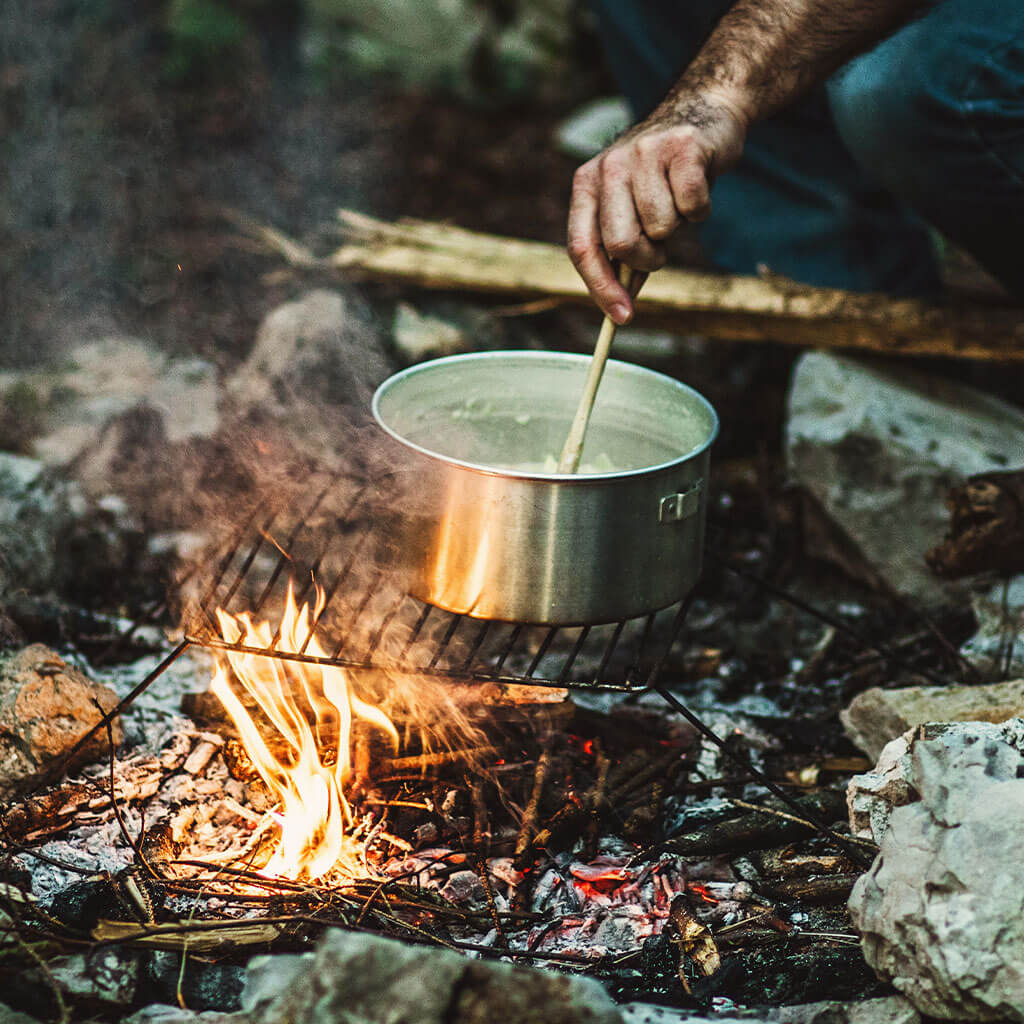
How To Boil Water
- Build a fire ring with rocks to contain flames.
- Start your fire with small twigs, then add larger wood.
- Wait for a bed of hot coals—flames are less stable for pots.
- Place your pot on a grill, tripod, or between rocks over the coals.
- Fill the pot and cover with a lid.
- Watch for a rolling boil and keep boiling for at least one minute.
- Remove the pot carefully (use gloves or a stick).
Safety Tips
- Never leave the fire unattended.
- Keep water and a shovel nearby for emergencies.
- Follow park rules and fire bans.
- Extinguish the fire fully after use.
Non-obvious Insights
- Coals, not flames, are best for even heating.
- Avoid using aluminum foil as a pot—it can tear or melt.
Jetboil And Compact Backpacking Stoves
If you’re hiking or traveling light, Jetboil or similar stoves are ideal. They’re designed for quick boiling and efficiency.
Using A Jetboil
- Assemble the stove as per instructions.
- Add water to the integrated pot.
- Start the burner.
- Wait for the water to boil (usually 2–5 minutes for 0.5–1 liter).
- Turn off and pour.
Key Advantages
- Very fast boiling time.
- Lightweight and compact.
- Great for solo or ultralight campers.
Hidden Pitfalls
- Fuel canisters can be hard to find in remote areas.
- Performance drops in extreme cold unless you use four-season mixes.
Solar Kettles: Eco-friendly But Slow
Solar kettles use sunlight to heat water. They’re perfect for eco-minded campers or places with fire restrictions, but only work with strong sunlight.
How Solar Kettles Work
- Place water in the kettle’s chamber.
- Set the device in direct sunlight.
- Wait (20–60 minutes) for water to reach boiling point.
Limitations
- Not reliable in cloudy or rainy weather.
- Takes much longer than other methods.
- Only small amounts of water can be boiled at once.
Pro Tip
Position your solar kettle early in the day, as morning sunlight is stronger and more consistent.
Boiling Water Using Electric Kettles (rv Camping)
If you camp in an RV or a site with power, an electric kettle is fast and easy.
Step-by-step
- Plug in the kettle to your campsite’s power outlet.
- Fill with water and cover.
- Turn on and wait for automatic shut-off.
- Let water cool before pouring.
Advantages
- No need for fuel or fire.
- Very quick and clean.
- Great for group camping.
Caution
- Not suitable for tent camping or remote sites.
- Can overload weak power sources.
Alternative Methods: Emergency And Unusual Approaches
Sometimes, you’re caught without standard gear. Here are some backup methods:
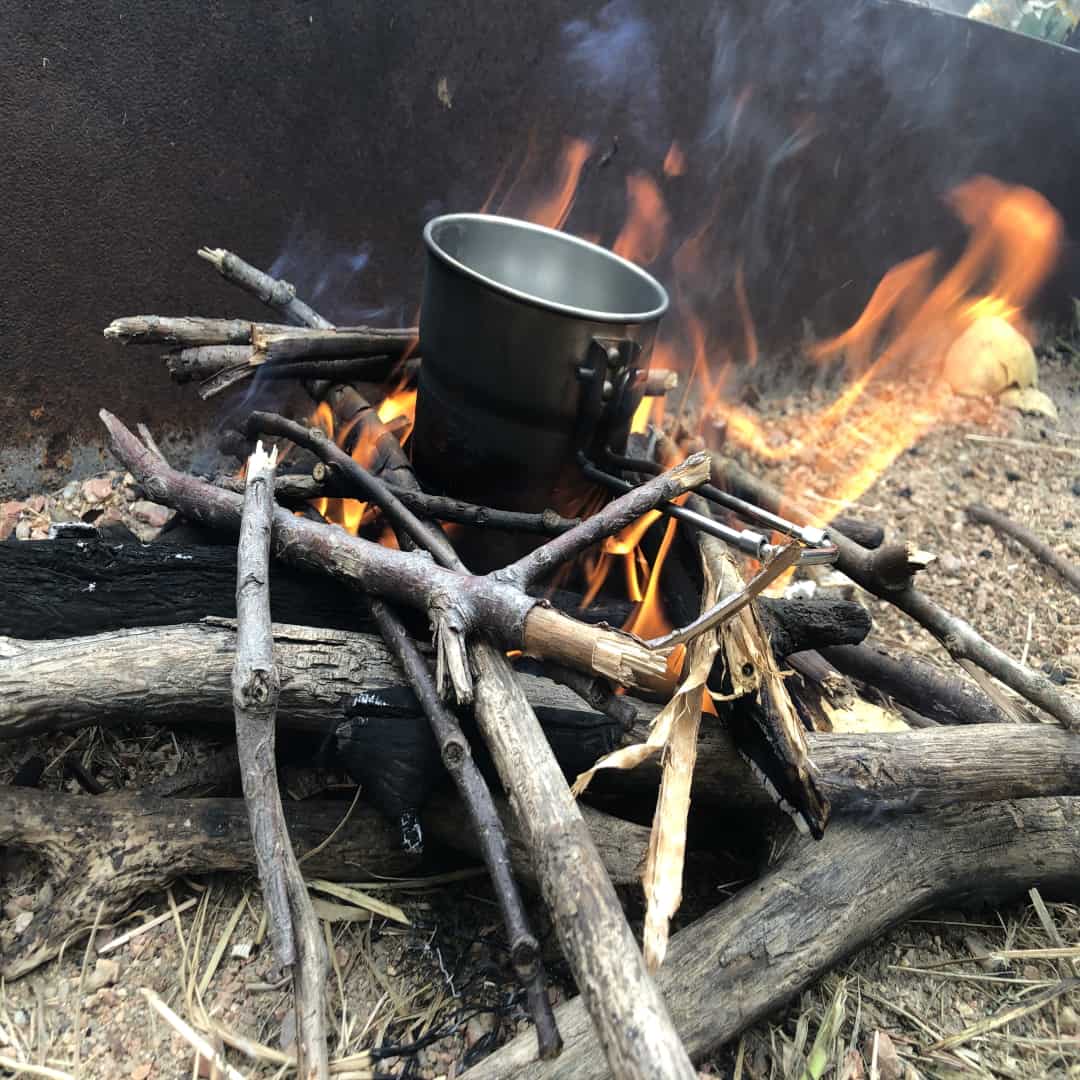
Metal Canteen Over Fire
If you have a metal canteen, you can boil water directly over coals. Remove plastic parts first.
Hot Stones
Heat stones in a fire and place them in your water container. Only use stones that are dry and from above ground—wet or river stones can explode.
Tin Foil Packets
Wrap water in thick, double-layered tin foil and place near coals. This is risky and only for emergencies.
Non-obvious Risks
- Never use plastic containers for boiling; toxins can leach into water.
- Some stones contain moisture and may crack or explode when heated.
Credit: villamagia.com.br
Boiling Water At High Altitude: What Changes
At higher elevations, water boils at lower temperatures. This means bacteria and viruses may not die as quickly, and food may not cook as well.
Key Facts
- At sea level, water boils at 212°F (100°C).
- At 8,000 feet, it boils at about 198°F (92°C).
- Boil water for at least three minutes above 6,500 feet.
Practical Adjustments
- Use a lid to keep heat in.
- Allow extra boiling time.
- Consider using chemical water treatments as a backup.
Water Sources: What To Boil And What To Avoid
Not all water is safe to boil. Some sources have chemicals, heavy metals, or contaminants that boiling cannot remove.
Safe Sources
- Streams and rivers (away from cities or farms)
- Lakes (avoid stagnant areas)
- Rainwater (if collected cleanly)
Unsafe Sources
- Water near animal activity
- Industrial runoff or polluted sites
- Ponds with algae blooms
Extra Step
If water is cloudy, filter it first with a cloth or portable filter before boiling. Boiling does not remove dirt or debris.

Credit: merinoprotect.com
Boiling Water For Cooking, Cleaning, And Drinking
Boiled water is needed for more than just drinking.
Cooking
- Use boiled water for pasta, rice, dehydrated meals.
- Let food cook fully—undercooked food is unsafe.
Cleaning
- Use boiled water to sanitize utensils, plates, and even wounds.
Drinking
- Let boiled water cool before drinking.
- Store in clean, sealed containers.
Real Example
According to the Backpacker Magazine survey, 68% of campers who boil water for drinking report fewer stomach issues than those who use only filters.
Comparing Boiling Tools: Pots, Kettles, And Cups
Choosing the right container affects boiling speed, safety, and taste.
| Container | Material | Boiling Speed | Durability | Taste Impact |
|---|---|---|---|---|
| Pot | Stainless Steel | Fast | High | Neutral |
| Kettle | Aluminum | Medium | Moderate | Neutral |
| Cup | Titanium | Slow | Very High | Sometimes metallic |
Stainless steel pots are best for most campers. Aluminum is lighter but dents easily. Titanium cups are ultralight but expensive.
Safety Tips And Fire Regulations
Fire safety is a top concern when boiling water outdoors.
- Always check for fire bans before lighting stoves or campfires.
- Use fire rings and keep fires small.
- Never leave fires unattended.
- Extinguish all flames and coals before leaving the site.
- Keep water or sand nearby for emergencies.
- Avoid boiling water too close to tents or gear.
Efficiency Tricks: Saving Fuel And Time
Experienced campers use small tricks to boil water faster and with less fuel.
- Use a lid: Cuts boiling time by up to 30%.
- Pre-filter water: Clean water heats faster.
- Wind protection: Shields prevent heat loss.
- Warm up fuel canisters: Cold fuel burns less efficiently.
- Boil only what you need: Smaller amounts boil quicker.
Environmental Considerations
Campers should respect nature and leave no trace.
- Use existing fire rings instead of making new ones.
- Collect only dead and down wood.
- Never dump boiled water directly onto plants or in streams.
- Pack out all trash, including used fuel canisters.
Troubleshooting: Common Problems And Solutions
Even experienced campers have trouble with boiling water. Here are solutions to frequent issues:
Stove Won’t Light
- Check fuel level.
- Clean burner and nozzle.
- Try a backup igniter.
Water Takes Too Long
- Use a lid.
- Move stove out of wind.
- Pre-warm water if possible.
Pot Tips Over
- Find a flatter surface.
- Use a wider pot.
- Build a stable platform with rocks.
Water Tastes Odd
- Clean containers before use.
- Avoid boiling in dirty or rusty pots.
- Filter water for debris.
Real-life Examples: Success And Failure Stories
Case Study 1: Backpacking Success
Anna, a solo backpacker, used a Jetboil stove to boil water from a mountain stream. She filtered cloudy water first, boiled for three minutes due to altitude, and avoided stomach issues for her whole trip.
Case Study 2: Campfire Trouble
Mike tried boiling water over an open fire during a windy night. His pot tipped, and the water was full of ash. He learned to use coals and a stable grill, and later switched to a camp stove for reliability.
Case Study 3: Solar Kettle Challenge
Sarah set up a solar kettle in cloudy weather. It took over an hour to boil a cup. She realized solar works best on sunny days and now packs a backup stove.
How To Make Boiling Water Taste Better
Boiled water often tastes flat or metallic, especially from new pots. Here’s how to improve it:
- Let water cool and aerate by pouring back and forth between containers.
- Add a pinch of salt or lemon juice for flavor.
- Use charcoal filters after boiling if taste is very bad.
When Boiling Isn’t Enough: Chemical Treatments
Boiling water kills most microbes, but not all chemicals or heavy metals. In areas with industrial pollution, use water filters or chemical treatments (like iodine or chlorine) as backup.
- Always follow manufacturer instructions.
- Combine boiling and chemical treatment for maximum safety.
Weather Impact: Rain, Wind, And Cold
Weather changes everything when boiling water outside.
- Rain: Makes firewood wet and harder to burn.
- Wind: Blows out flames and cools pots. Use wind screens.
- Cold: Increases boiling time and decreases stove efficiency.
Experienced campers bring backup methods and extra fuel for bad weather.
Credit: mountainhouse.com
Packing List: Essential Gear For Boiling Water
For safe and easy boiling, don’t forget these items:
- Pot or kettle (stainless steel preferred)
- Lid
- Stove or fire starter
- Fuel canisters or firewood
- Wind screen
- Heatproof gloves
- Water filter
- Backup igniter
- Water bottles
Advanced Tips For Experienced Campers
If you want to go beyond basics, try these advanced tricks:
- Use multi-fuel stoves for flexibility.
- Boil water in batches and store for later.
- Collect rainwater and boil for emergency supply.
- Practice boiling over coals instead of flames for even heating.
Comparing Boiling Water To Filtration And Chemical Purification
Many campers ask if boiling is better than other methods. Here’s a simple comparison:
| Method | Removes Microbes | Removes Chemicals | Speed | Best For |
|---|---|---|---|---|
| Boiling | Yes | No | Medium | All camping |
| Filter | Most | Some | Fast | Backpacking |
| Chemical | Most | No | Slow | Emergency |
Boiling is the safest for killing germs, but not for removing chemicals. For full safety, combine methods.
Frequently Asked Questions
How Long Should I Boil Water While Camping?
You should boil water for at least one minute at normal elevations and three minutes above 6,500 feet. This ensures most bacteria, viruses, and parasites are killed.
Is Boiling Water Safer Than Using Filters?
Boiling is safer for killing germs, but filters remove dirt and some chemicals. For full safety, filter cloudy water first, then boil.
Can I Boil Water In Any Pot Or Container?
Only use metal containers (stainless steel, aluminum, titanium). Avoid plastic or painted containers—they can melt or release toxins.
What Should I Do If I Run Out Of Fuel?
Use alternative methods like boiling over a campfire, heating stones, or solar kettles. Always carry backup fire-starting tools.
Are There Places Where Boiling Water Is Not Allowed?
Some parks and forests have fire bans or restrict open flames. Always check local rules. In these areas, use stoves with approved fuels or solar methods.
Camping is about adventure and learning new skills. Boiling water may seem simple, but it’s a key part of staying safe and comfortable outdoors. By choosing the right method, preparing properly, and respecting nature, you’ll enjoy your trip and avoid common mistakes. Remember, the best campers are always prepared and adaptable. For more details on water safety, visit the CDC’s camping water safety guide.
