
Choosing the right tent can make or break your camping trip. Imagine setting up your shelter after a long day outdoors, only to find it’s too small, too heavy, or not sturdy enough.
You don’t want that to happen. Your tent should keep you safe, comfortable, and dry—no matter where you camp. You’ll learn exactly what to look for so you can pick the perfect tent that fits your needs, budget, and adventure style.
Keep reading to discover the simple tips that will help you camp with confidence.

Credit: gearjunkie.com
Types Of Tents
Choosing the right tent starts with knowing the types available. Each tent fits different camping styles and needs. Picking the right one helps you enjoy your trip more. Here are the common types of tents to consider.
Backpacking Tents
Backpacking tents are light and easy to carry. They are small but protect well from rain and wind. These tents fit in a backpack without taking much space. Ideal for hikers who walk long distances and need to move fast.
Family Tents
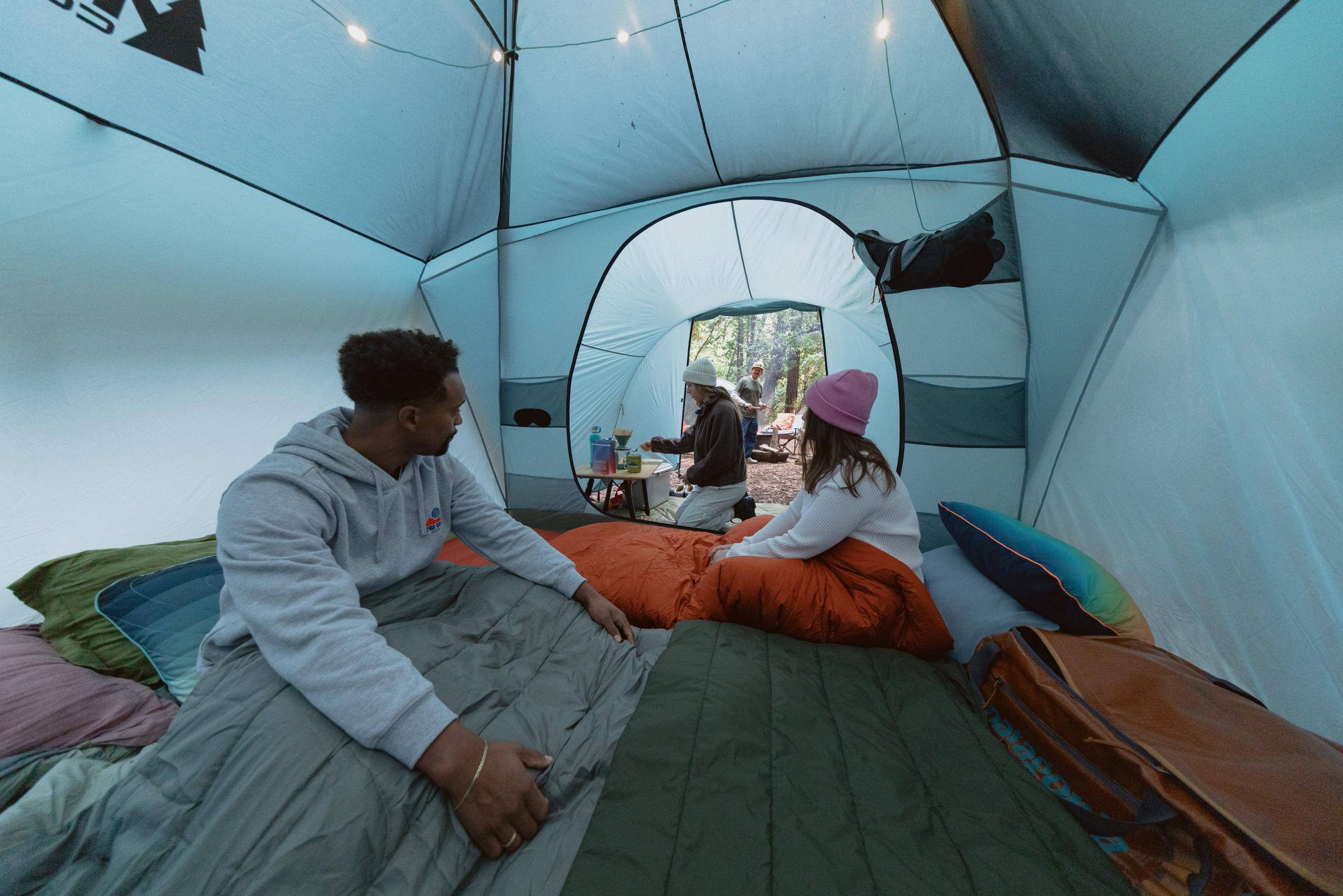
Family tents offer more space inside. They fit several people and have room for gear. These tents are heavier and bulkier but very comfortable. Great for car camping or short walks from the car to the site.
Pop-up Tents
Pop-up tents set up quickly in seconds. They have a simple design with flexible poles. Easy for beginners and casual campers who want fast shelter. Not best for strong wind or heavy rain but perfect for nice weather.
Four-season Tents
Four-season tents are strong and built for tough weather. They protect from snow, wind, and cold temperatures. These tents have sturdy poles and thicker fabric. Best choice for winter camping or mountain trips where weather can change fast.
Key Tent Features
Choosing the right tent means knowing which features matter most. These features affect comfort, safety, and ease during your camping trip. Focus on four key areas to pick the best tent for your needs. Each area plays a big role in your outdoor experience.
Material And Durability
Tent material affects strength and weather protection. Nylon and polyester are common fabrics. Polyester handles sun and rain well. Nylon is lightweight but less resistant to sunlight. Check the tent’s waterproof rating too. Look for strong seams and quality zippers. A durable tent lasts many camping trips.
Weight And Portability
Weight matters if you carry your tent far. Backpackers need light tents under 5 pounds. Car campers can choose heavier, sturdier tents. Consider packed size for easy storage. Compact tents fit better in your backpack. Carrying a heavy tent tires you faster.
Size And Capacity
Think about how many people will sleep inside. Tent capacity shows maximum occupants but can be tight. Choose a tent with extra space for gear. Taller people need tents with higher ceilings. More space means better comfort and movement inside.
Ventilation And Weather Resistance
Good airflow prevents condensation inside the tent. Look for tents with mesh windows or vents. These allow air to move without letting bugs in. Weather resistance means staying dry in rain and wind. Check for rain flies and strong poles. A stable tent stands firm in bad weather.
Camping Environment Considerations
Choosing the right tent depends a lot on the environment where you camp. Different places have different weather and ground types. These factors affect your comfort and safety. Knowing about the camping environment helps pick a tent that fits your needs.
Seasonal Weather Conditions
Think about the season you camp in. Summer tents are light and have good airflow. Winter tents are strong and keep warmth inside. Some tents work for all seasons. Match your tent to the usual weather at your site.
Terrain And Ground Type
The ground under your tent matters a lot. Soft soil needs strong stakes to hold the tent. Rocky areas need special stakes or anchors. Wet places require waterproof floors. Check the terrain before choosing your tent style and materials.
Expected Wind And Rain
Windy spots need tents with good stability. Look for tents with strong poles and secure guy lines. Rain needs a waterproof tent and a rainfly. A full-coverage rainfly keeps water out. Pick a tent that handles the weather you expect.

Credit: www.lifeintents.com
Setting A Budget
Setting a budget helps you find the best tent without overspending. It guides your choices and narrows down your options. A clear budget lets you focus on tents that fit your needs and price range.
Balancing Cost And Quality
Cheap tents may save money but might break easily. Expensive tents offer better materials and last longer. Find a tent that feels strong and fits your price. Quality means good zippers, sturdy poles, and waterproof fabric.
Long-term Investment Vs. Occasional Use
Think about how often you camp. Frequent campers benefit from buying a durable tent. It saves money over time despite a higher price. For rare trips, a simple, low-cost tent works well. Match your tent choice to how often you camp.
Additional Tent Accessories
Choosing the right tent is just the start of a good camping trip. Extra accessories help protect your tent and make camping easier. These small items keep your tent safe from weather and rough ground. They also create more space and comfort inside your shelter.
Footprints And Ground Tarps
Footprints and ground tarps go under your tent. They stop rocks and dirt from damaging the tent floor. This layer helps keep the bottom dry and clean. Using a footprint or tarp makes your tent last longer. It also adds extra protection against water seeping in.
Tent Stakes And Guy Lines
Tent stakes secure your tent to the ground. Strong stakes stop the tent from moving in wind. Guy lines add more stability by pulling the tent’s sides tight. They help your tent stay firm during storms. Using good stakes and guy lines keeps you safe and dry.
Rainflies And Vestibules
Rainflies cover the top of your tent to block rain. They keep water from dripping inside. Vestibules create extra covered space outside the main tent. You can store gear or cook under this shelter. Rainflies and vestibules make camping more comfortable in bad weather.
Tips For Tent Maintenance
Taking care of your tent helps it last longer and stay strong. Proper maintenance keeps it clean, safe, and ready for your next trip. Small efforts in cleaning and repairing make a big difference.
Cleaning And Storage
Always clean your tent after camping. Use a soft brush or cloth to remove dirt and dust. Avoid harsh soaps; mild soap and water work best. Let the tent dry completely before packing. Storing a wet tent can cause mold and bad smells.
Store your tent in a cool, dry place. Avoid tight bags for long storage. Use a large, breathable bag instead. This keeps fabric fresh and prevents damage.
Repairing Common Damage
Tents may get small tears or broken zippers. Fix tears quickly with patch kits made for tents. Clean the area before patching for better hold. Replace broken zippers with repair kits or seek help from a professional. Regular checks help catch damage early.
Fixing poles is also key. Use pole repair sleeves or tape for cracks. Keep spare parts in your camping kit for quick fixes. Proper repairs save money and ensure safety.
Credit: www.rei.com
Frequently Asked Questions
What Size Tent Do I Need For Camping?
Choose a tent size based on the number of campers. Add extra space for gear and comfort. Typically, add one or two more spots than people. This ensures enough room for sleeping and storage during your trip.
Which Tent Type Is Best For Different Weather?
Select a tent type based on weather conditions. Dome tents suit mild weather, while four-season tents handle snow and wind. Consider waterproof materials for rain. Matching tent type to weather improves comfort and safety outdoors.
How Important Is Tent Weight For Camping Trips?
Tent weight matters for backpacking and hiking trips. Lightweight tents ease carrying and reduce fatigue. For car camping, weight is less critical. Choose based on your travel style and distance to campsite.
What Features Should I Look For In A Tent?
Look for waterproof fabric, sturdy poles, and good ventilation. A rainfly and sealed seams prevent leaks. Multiple doors and windows add convenience. Prioritize features that enhance comfort and protection during camping.
Conclusion
Choosing the right tent makes camping more fun and safe. Think about how many people will sleep inside. Check the weather and pick a tent that fits it well. Look for easy setup, so you save time and stress. Don’t forget to consider weight if you carry your gear far.
A good tent keeps you dry and comfortable all night. Take time to compare options and choose what suits your needs best. Enjoy your outdoor adventure with the perfect shelter. Camping feels better with the right tent by your side.
