
Every year, millions of people head into the woods to hike. Maybe you’re one of them, or you want to try your first forest hike. Hiking in the woods is more than walking on a trail; it’s a mix of adventure, nature, and skill.
You get fresh air, see wildlife, and enjoy peace away from city noise. But the woods are different from parks or city trails. There are hidden roots, uneven ground, changing weather, and sometimes wild animals. Knowing how to hike in the woods safely and wisely can turn your trip into a great memory.
Many beginners think hiking is simple: just walk and enjoy. But the woods demand respect and preparation. If you don’t plan, you might face surprises—muddy paths, confusing signs, or even getting lost. In this article, you’ll learn the complete guide to hiking in the woods: from planning your route to handling emergencies. You’ll find practical advice, learn about gear, safety, and how to make your hike enjoyable. Whether you’re a beginner or improving your skills, you’ll discover insights that most new hikers miss. Ready to step into the forest? Let’s go.
Choosing The Right Trail
Picking the best trail is key for a safe and fun hike. Forest trails come in many levels: easy, moderate, and difficult. Each has its own features.
Understand Trail Difficulty
Trails are often rated by distance, elevation, and terrain. Easy trails may be flat and short, while difficult ones have steep climbs or rocky paths. Beginners should start with short, easy trails and slowly try harder routes.
Here’s a simple comparison of trail difficulty:
| Trail Level | Distance | Elevation Gain | Terrain |
|---|---|---|---|
| Easy | 1-3 miles | <500 ft | Smooth, few obstacles |
| Moderate | 3-7 miles | 500-1,500 ft | Roots, rocks, uneven |
| Difficult | 7+ miles | >1,500 ft | Steep, rugged, challenging |
Research Before You Go
Look up trail reviews and maps online. Check for recent conditions, closures, or warnings. Use sites like AllTrails or official forest websites. If you’re new, pick trails that are well-marked and popular.
Consider Your Fitness Level
Don’t overestimate your ability. If you’re not used to hiking, start small. A two-mile hike in the woods can feel much harder than a city walk. Bring a friend or join a group if you’re unsure.
Seasonal Factors
Some trails change with seasons. In spring, paths may be muddy. In fall, leaves cover roots and rocks. Winter hikes need special gear. Check weather and trail status before you leave.
Essential Gear For Hiking In The Woods
Having the right gear makes your hike safe and comfortable. You don’t need expensive items, but some basics are must-haves.
Footwear
Wear hiking boots or trail shoes. Regular sneakers don’t protect your feet from roots, rocks, or mud. Boots give ankle support and keep your feet dry.
Clothing
Dress in layers. Forest temperatures can change quickly. Choose moisture-wicking shirts, light jackets, and rain gear. Avoid cotton, as it stays wet and cold.
Backpack
A small backpack is perfect for carrying essentials. Make sure it fits well and isn’t too heavy.
Navigation Tools
Bring a map and compass, even if you have a phone. Batteries die, signals fade in thick woods. Paper maps and compasses never fail.
Water And Snacks
Carry enough water—at least half a liter per hour. Bring energy-rich snacks like nuts, protein bars, or dried fruit.
Emergency Kit
Include a first-aid kit, whistle, flashlight, and multi-tool. These can help in unexpected situations.
Sun And Bug Protection
Use sunscreen even in shade; UV rays pass through leaves. Apply insect repellent to avoid ticks and mosquitoes.
Here’s a gear comparison for a day hike versus a longer hike:
| Item | Day Hike | Overnight Hike |
|---|---|---|
| Backpack | Small (10-20L) | Medium (40-60L) |
| Water | 1-2 liters | 4+ liters or filter |
| Food | Snacks | Meals + snacks |
| Clothing | Layers | Extra clothes |
| Navigation | Map, compass | Map, compass, GPS |
| Shelter | None | Tent, sleeping bag |
| Emergency Kit | Basic | Full |
Extra Gear Tips
Many beginners forget to pack extra socks or a plastic bag for wet clothes. These small items can make a big difference. A hiking pole can help balance on rough terrain.
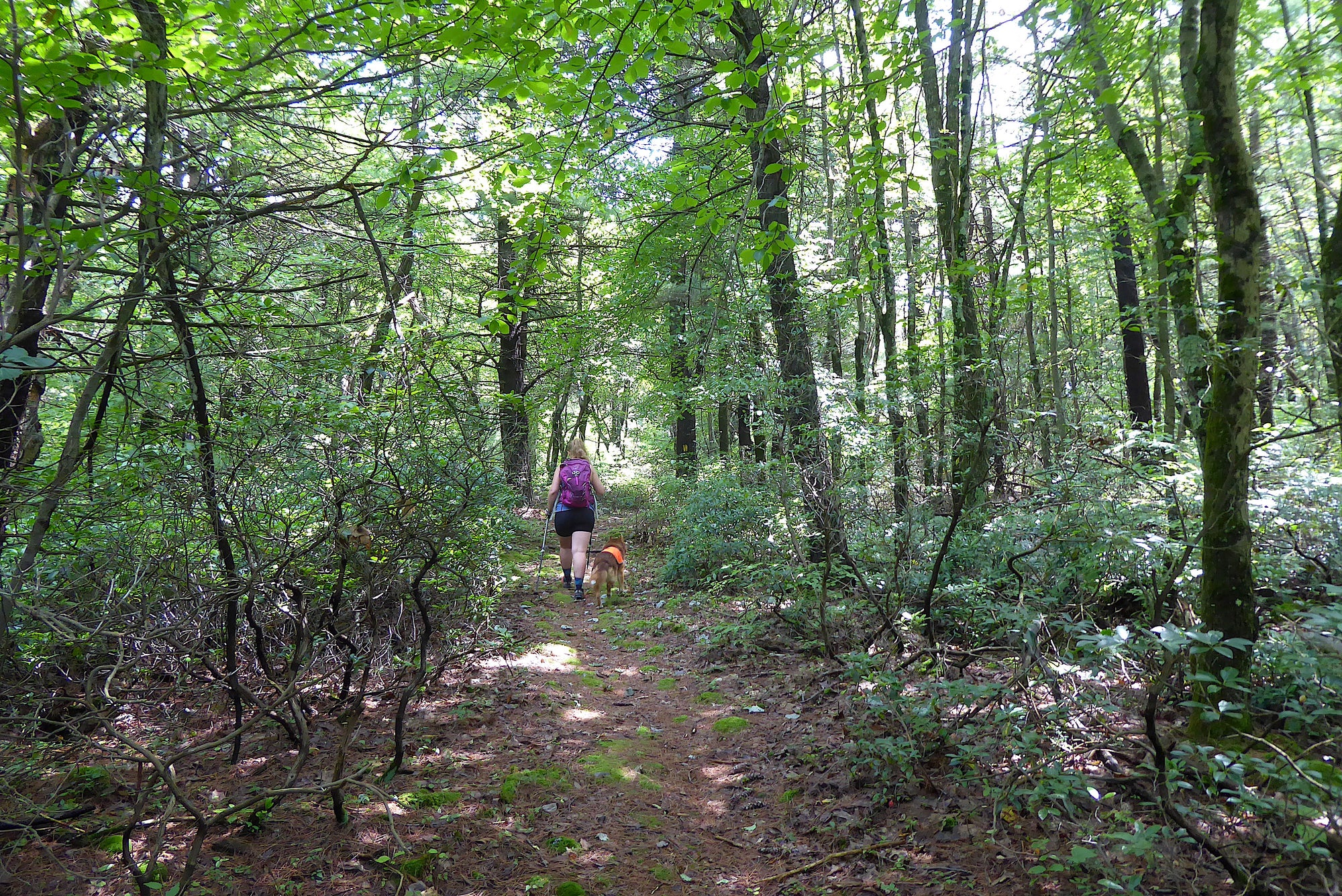
Credit: www.purplelizard.com
Planning Your Hike
A good plan makes your hike safer and more enjoyable. Don’t just show up and walk—think ahead.
Check The Weather
Weather can change fast in the woods. Look for forecasts from trusted sources. Avoid hiking in storms, heavy rain, or extreme heat.
Tell Someone Your Plan
Always let a friend or family member know where you’re hiking and when you expect to return. This helps if you get lost or injured.
Time Your Start
Begin early, especially for long hikes. Sunlight fades quickly in dense woods. Plan to finish your hike well before sunset.
Estimate Your Pace
Most hikers walk 2–3 miles per hour on easy trails. On rough paths, your speed drops. Add extra time for breaks, photos, or exploring.
Trail Rules And Permits
Some forests require permits or have rules about dogs, bikes, or campfires. Check regulations before you go.
Parking And Access
Find out where to park and if there are fees. Some areas fill up early, especially on weekends.
Emergency Contacts
Write down emergency numbers for the area. Some forests have ranger stations or rescue teams. Keep this information handy.
Safety In The Woods
Safety is more than avoiding falls. It’s about staying alert, knowing risks, and being ready for problems.
Stay On Marked Trails
Don’t wander off the path. It’s easy to get lost, and you may damage plants or disturb animals.
Watch Your Step
Roots, rocks, and mud can trip you. Look at the ground ahead as you walk. Use a hiking pole for balance.
Hydration And Nutrition
Drink water often, even if you don’t feel thirsty. Eat small snacks to keep energy up. Dehydration happens faster in the woods.
Avoid Wildlife Trouble
Most animals avoid people. Don’t feed or approach them. Make noise if you see bears, and carry bear spray where needed.
Know Poisonous Plants
Learn to spot poison ivy, poison oak, and poison sumac. These plants cause rashes. If you touch them, wash your skin right away.
First Aid Skills
Basic first aid is useful. Know how to treat cuts, blisters, and sprains. Carry bandages, antiseptic, and pain relief.
Handling Emergencies
If you get lost, stay calm. Use your whistle to signal for help. Stay put and wait for rescue. Don’t wander further.
Weather Changes
If rain or storms come, find shelter under thick trees. Don’t stand under single tall trees in lightning. If you hear thunder, move away from open spaces.
Navigation And Orientation
Getting lost is a common fear for hikers. With good navigation, you stay safe and confident.
Reading Trail Signs
Learn to read trail blazes—colored marks on trees or rocks. These show the path and direction. Some trails use arrows, others use symbols.
Using Maps And Compasses
Practice using a map and compass before your hike. Find your location and the direction you need to go. Even simple skills help if your phone dies.
Gps And Apps
Apps like Gaia GPS or AllTrails can track your hike. Download maps for offline use. But don’t rely only on technology.
Avoiding Common Navigation Mistakes
- Don’t ignore signs or warnings.
- Check your position often, not just when lost.
- If unsure, retrace your steps back to a known spot.
Hiking Techniques And Tips
Walking in the woods is different from sidewalks. Use the right techniques to stay comfortable and avoid injury.
Proper Walking Form
Keep your back straight and bend your knees slightly. Step carefully, especially downhill. Use your arms for balance.
Managing Uphill And Downhill
Uphill: Take small steps, breathe deeply, and slow down. Downhill: Lean slightly forward, step heel first, and don’t rush.
Resting And Breaks
Stop every hour for a short rest. Drink water and eat snacks. Don’t wait until you’re tired to pause.
Group Hiking
If hiking with others, stay together. Don’t leave slow hikers behind. Agree on meeting points if separated.
Leave No Trace
Respect nature. Don’t leave trash, pick flowers, or disturb wildlife. Carry out everything you bring in.
Dealing With Mud, Water, And Obstacles
Step on rocks or logs to cross streams. In mud, walk around if possible. Use a hiking pole for extra stability.
Health Benefits Of Hiking In The Woods
Hiking isn’t just fun—it’s good for your body and mind. Science shows real benefits.
Physical Fitness
A one-hour hike burns about 400 calories for most adults. It builds leg strength, improves heart health, and boosts stamina.
Mental Health
Nature reduces stress. Studies show hiking lowers anxiety and depression. The quiet and beauty of the woods calm the mind.
Immune System Boost
Research suggests time in forests boosts your immune system. Tree oils called phytoncides help fight sickness.
Social Connection
Hiking with friends or groups builds bonds. Shared adventures create memories and trust.
Creativity And Focus
Being in nature improves focus and creativity. Many people find solutions to problems or new ideas on hikes.
Environmental Awareness
Hiking in the woods means caring for the environment. You help protect forests for future hikers.
Leave No Trace Principles
Follow these simple rules:
- Plan ahead and prepare.
- Travel and camp on durable surfaces.
- Dispose of waste properly.
- Leave what you find.
- Minimize campfire impact.
- Respect wildlife.
- Be considerate of other visitors.
Avoiding Trail Damage
Stay on paths to prevent erosion. Don’t cut switchbacks or create new trails. Muddy spots may look tempting to bypass, but walking off-trail harms plants and soil.
Responsible Water Use
Don’t wash in streams or lakes. Use biodegradable soap and wash at least 200 feet away from water sources.
Sharing The Woods
Forests are for everyone. Yield to uphill hikers. Greet others and share tips. Don’t play loud music or disturb the peace.
Preparing For Longer Hikes
If you want to try longer hikes or overnight trips, take extra steps.
Extra Gear
Add a tent, sleeping bag, and cooking tools. Bring more food and water. Pack a warm jacket and rain cover.
Practice First
Try short hikes with a loaded backpack. Learn to set up a tent and cook simple meals.
Safety For Overnight
Know the area’s rules about camping and fires. Hang food away from animals. Check for safe water sources.
Navigation Skills
Practice finding your way in low light. Mark your camp location on a map.
Emergency Planning
Have a backup plan in case you need to leave early. Carry a fully charged phone and battery pack.
Common Beginner Mistakes
Many new hikers make mistakes that cause trouble. Avoid these to enjoy your hike.
Underestimating Trail Difficulty
Trails in the woods are harder than city walks. Don’t choose too long or steep a trail.
Not Checking The Weather
Rain or heat can ruin a hike. Always check forecasts and prepare.
Poor Gear Choices
Wearing jeans or sneakers leads to discomfort. Invest in proper shoes and clothes.
Forgetting Water And Snacks
Bring more than you think you need. Hunger and dehydration are common.
Ignoring Safety
Not telling someone your plan or hiking alone can be risky. Always share your plans.
Littering Or Damaging Nature
Leaving trash or picking plants harms the woods. Respect the environment.
Relying Only On Phones
Phones can fail. Always carry a map and compass.
Hiking With Kids And Pets
Hiking is a great family activity. Children and dogs enjoy the woods, but need special care.
For Kids
- Pick short, easy trails.
- Bring extra snacks and water.
- Encourage curiosity—let them explore safely.
- Watch for hazards like poison plants.
For Pets
- Check if dogs are allowed.
- Use a leash to protect wildlife and your dog.
- Bring water and a bowl for your pet.
- Clean up after your animal.
Safety Tips
Teach kids about trail signs and staying close. Carry a small first-aid kit for children or pets.
Weather And Seasonal Tips
Hiking changes with seasons. Each has special challenges.
Spring
Trails may be wet and muddy. Wear waterproof boots and watch for slippery spots.
Summer
Heat and bugs are common. Start early, use sunscreen, and carry extra water.
Fall
Leaves hide roots and rocks. Dress in layers and enjoy colorful trees.
Winter
Snow and ice make trails tough. Use special boots or spikes. Bring warm clothes and check for open trails.
Here’s a seasonal gear comparison:
| Season | Essential Gear | Weather Risks |
|---|---|---|
| Spring | Waterproof boots, rain jacket | Mud, rain, slippery paths |
| Summer | Sunscreen, insect repellent, hat | Heat, sunburn, bugs |
| Fall | Layered clothing, gloves | Cool temps, hidden hazards |
| Winter | Warm boots, spikes, insulated jacket | Snow, ice, cold |

Credit: rightasrain.uwmedicine.org
Practical Insights Most Beginners Miss
Some details are easy to overlook but make a big difference.
Trail Etiquette
Always yield to hikers going uphill. Step aside to let others pass. Greet people—simple hello creates a friendly atmosphere.
Trailhead Information
Look for info boards at the trailhead. They often have maps, rules, and warnings. Take a photo of the map before starting.
Quiet Time
Stop and listen. Birds, wind, and animal sounds are part of the forest experience. Don’t rush—enjoy the peace.
Packing Smart
Pack only what you need. Heavy bags slow you down. Arrange gear so essentials are easy to reach.
Staying Flexible
If conditions change, don’t force your plan. Turn back if tired, weather turns bad, or you feel unsure.
Frequently Asked Questions
How Do I Avoid Getting Lost While Hiking In The Woods?
Stay on marked trails and check your position often. Use a map and compass, and download offline maps. If lost, stay calm, retrace steps, and use a whistle to signal for help.
What Should I Do If I Encounter Wildlife?
Remain calm and keep your distance. Don’t approach or feed animals. Make yourself look bigger if you see a bear, and slowly back away. For snakes, step aside and let them pass.
How Much Water Should I Carry For A Day Hike?
Carry at least half a liter per hour of hiking. More in hot weather. For longer hikes, bring a water filter or purification tablets.
Can I Hike In The Woods Alone?
Yes, but it’s safer to hike with someone, especially if you’re new. Always tell someone your plan and expected return time.
What Is The Best Way To Prepare For My First Hike?
Start with short, easy trails. Wear proper shoes and clothes. Pack water, snacks, map, and first-aid kit. Check the weather and trail conditions before you go.
Hiking in the woods is a rewarding adventure. With the right preparation, gear, and respect for nature, you’ll enjoy every step. Forests offer beauty, challenge, and peace that city life can’t match. Remember the tips here, and you’ll be ready for your next hike—safe, confident, and happy. For more detailed information on hiking safety and planning, visit the National Park Service. Enjoy your journey, and let the woods inspire you.

Credit: www.purplelizard.com
