
Have you ever wondered why some places draw crowds from all over the world while others stay unnoticed? Making your place a tourist attraction is not just about having beautiful views or historical sites.
It’s about creating an experience that people can’t resist. If you want to turn your location into a must-visit spot, this guide will show you simple and powerful steps to do just that. Keep reading, and you’ll discover how to capture attention, spark curiosity, and make visitors eager to explore your place again and again.
Identifying Unique Features
Identifying unique features of a place is the first step to making it a tourist attraction. These features give a location its own character and charm. They can draw visitors by offering something different from other destinations.
Focus on what makes the place special. Look for natural beauty, cultural richness, history, and lively traditions. Each aspect adds value and interest for tourists.
Natural Attractions
Natural attractions include mountains, rivers, beaches, and forests. These spots offer scenic views and outdoor activities. Clean air and peaceful surroundings attract nature lovers and adventure seekers. Unique landscapes or rare wildlife can become a big draw.
Cultural Heritage
Cultural heritage shows the customs and arts of local people. Museums, art galleries, and traditional crafts tell stories. Visitors enjoy learning about local music, dance, and food. Preserving these elements helps keep the culture alive and interesting.
Historical Significance
Historical sites tell the story of a place’s past. Old buildings, monuments, and battlefields attract history fans. Sharing stories about important events or people can create strong interest. Well-preserved sites offer a glimpse into different times.
Local Traditions And Festivals
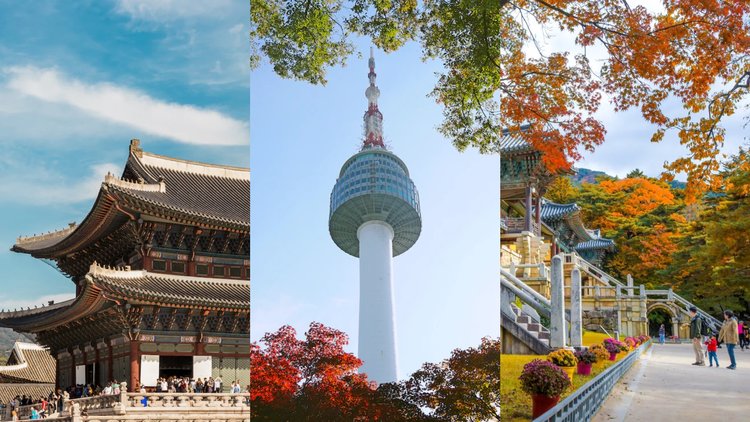
Festivals and traditions bring a place to life. Colorful events, music, and food offer fun and excitement. Visitors love to join celebrations and see unique customs. These activities create memories and encourage repeat visits.
Credit: www.klook.com
Enhancing Accessibility
Enhancing accessibility is key to making a place attractive for tourists. Visitors must reach and enjoy the site easily. Accessibility helps all people, including those with disabilities or limited mobility. It also improves the overall visitor experience and encourages more visits.
Improving Transportation Links
Good transportation links make a place easy to visit. Roads should be well-maintained and clearly marked. Public transport options like buses or trains should connect to the site. Shuttle services from nearby cities or airports help visitors without cars. Regular schedules and affordable prices attract more tourists.
Clear Signage And Information
Signs guide visitors and reduce confusion. Use clear and simple language on all signs. Place signs at key points such as entrances, parking lots, and paths. Maps and information boards help visitors plan their visit. Include multiple languages if many international tourists come.
Accessible Facilities For All Visitors
Facilities must be usable by everyone. Provide ramps and elevators for wheelchair users. Restrooms should have accessible stalls and sinks. Seating areas must accommodate people with different needs. Accessibility features show care and respect for all guests.
Developing Engaging Activities
Developing engaging activities helps attract visitors and keeps them interested. Activities create memories and encourage people to spend more time at a place. They also make the visit fun and meaningful. Offering varied activities meets different tastes and ages. It makes the destination stand out and invites repeat visits.
Guided Tours And Experiences
Guided tours provide knowledge and fun at the same time. Visitors learn about history, culture, or nature from experts. Personal stories and local facts make tours lively. Small groups create a friendly atmosphere. Special experiences, like night tours or tastings, add excitement.
Adventure And Outdoor Activities
Outdoor activities attract thrill-seekers and nature lovers. Hiking, biking, or zip-lining offer physical challenges and fresh air. Water sports like kayaking or snorkeling bring fun and relaxation. Safe and well-organized adventures encourage visitors to explore. These activities connect people to the place’s natural beauty.
Workshops And Interactive Events
Workshops teach skills and allow hands-on participation. Crafting, cooking, or art classes engage visitors deeply. Interactive events like festivals or local markets create lively scenes. People enjoy joining in and meeting locals. Such activities build a strong bond between visitors and the place.
Promoting Through Marketing
Promoting a place through marketing helps attract more visitors. Effective marketing spreads the word and creates interest. It builds a strong image and makes people want to visit. Smart marketing uses different channels to reach many travelers.
Utilizing Social Media
Social media platforms are powerful tools to share stories and photos. Post regularly about the place’s unique features and events. Use videos and live streams to show real experiences. Engage with followers by replying to comments and questions. Social media helps create a community of interested travelers.
Collaborating With Travel Influencers
Travel influencers have followers who trust their opinions. Invite them to visit and share their experience. Influencers create authentic content that reaches a wide audience. Their stories can inspire people to choose your place. Choose influencers whose audience matches your target visitors.
Creating Compelling Content
Good content grabs attention and holds interest. Write clear, simple descriptions of attractions and activities. Use high-quality images to show the place’s beauty. Share interesting facts and local culture stories. Compelling content helps travelers imagine their visit.
Participating In Travel Fairs
Travel fairs bring many industry professionals and tourists together. Set up an attractive booth with brochures and videos. Talk directly with visitors and answer their questions. Hand out souvenirs or small gifts to leave a good impression. Travel fairs increase visibility and build connections.
Building Local Partnerships
Building local partnerships is key to turning a place into a popular tourist spot. Working together with people and businesses in the area creates a strong support system. This helps visitors enjoy a richer and more authentic experience. Partnerships also make the destination more welcoming and trustworthy.
Involving Community Members
Community members know the place best. Their stories, culture, and traditions add real value. Invite them to share ideas and participate in events. This creates pride and encourages them to help visitors. A friendly community makes tourists feel safe and happy.
Collaborating With Local Businesses
Local shops, restaurants, and services benefit from tourism. Work closely with these businesses to offer deals and packages. This encourages tourists to spend more and stay longer. Businesses also provide useful information and help spread the word about the place.
Establishing Tourism Boards
A tourism board guides the growth of the destination. It brings together community leaders, business owners, and government officials. They plan marketing strategies and improve visitor services. This organized approach ensures the place grows in a balanced way.
Credit: cabistanbul.com
Ensuring Sustainable Tourism
Ensuring sustainable tourism is key to making a place a lasting attraction. It means caring for the environment, the people, and the local culture. This approach keeps the destination beautiful and welcoming for future visitors and residents.
Sustainable tourism balances enjoyment with protection. Visitors get great experiences without harming the place. Locals benefit from tourism without losing their lifestyle or resources.
Protecting Natural Resources
Natural resources are the heart of many tourist spots. Clean water, fresh air, and green spaces attract visitors. Protect these by limiting pollution and waste. Encourage using eco-friendly products and practices. Set rules to prevent damage to plants and animals. Nature thrives when people respect its limits.
Encouraging Responsible Visitor Behavior
Visitors must know how to act respectfully. Share guidelines on local customs and environmental care. Promote simple actions like not littering and staying on paths. Responsible visitors help keep the place clean and safe. Positive behavior spreads through word of mouth.
Supporting Local Economy
Tourism should help local people earn a good living. Encourage buying from local shops and hiring local guides. Show visitors traditional crafts and foods. Money spent locally stays in the community. This support builds pride and improves life for residents.
Leveraging Technology
Technology plays a big role in making a place popular for tourists. It helps people explore and plan trips easily. Using technology can attract more visitors and improve their experience. Simple tools can make a big difference.
Virtual Tours And Augmented Reality
Virtual tours let people see a place from home. They can explore museums, parks, and landmarks online. This creates interest before visiting in person. Augmented reality adds digital images to real views. Tourists can use their phones to see history or facts about a site. This makes visits more fun and educational.
Online Booking Systems
Online booking systems simplify buying tickets and making reservations. Visitors can plan trips without waiting in lines. This saves time and reduces stress. Easy booking encourages more people to visit. It also helps businesses manage crowds better.
Mobile Apps For Tourists
Mobile apps provide maps, guides, and tips on the go. Tourists can find restaurants, attractions, and events nearby. Apps can offer language help and safety info. This makes traveling smoother and more enjoyable. Good apps keep visitors informed and connected.
Measuring Success And Feedback
Measuring success and gathering feedback are key to growing a tourist spot. These steps help understand visitor experience and spot areas to improve. Tracking results shows what works and what needs change. Feedback guides smart decisions that attract more tourists. Regular checks keep the place fresh and exciting.
Collecting Visitor Reviews
Visitor reviews give real opinions about the place. Ask tourists to share their thoughts after visiting. Use easy surveys, comment cards, or online platforms. Positive reviews build trust and attract new guests. Negative feedback highlights problems to fix quickly. Responding to reviews shows care and builds good relations.
Analyzing Tourism Data
Data shows visitor numbers, peak times, and popular spots. Use ticket sales, website visits, and social media stats. Look for trends in visitor age, origin, and interests. Data helps plan events and manage crowds better. It also shows the financial success of the attraction. Clear data guides smart marketing and service improvements.
Adapting Strategies Based On Feedback
Use visitor reviews and data to change plans. Fix common complaints and add popular features. Try new ideas to keep tourists interested. Update marketing messages to match visitor needs. Small changes can improve visitor satisfaction a lot. Staying flexible helps the attraction grow steadily over time.
Credit: wherearethosemorgans.com
Frequently Asked Questions
What Makes A Place Attractive To Tourists?
A place becomes attractive by offering unique experiences, cultural richness, and excellent facilities. Accessibility and safety also play key roles. Effective marketing highlights these features to draw visitors. Local events and authentic interactions enhance appeal, making the location memorable and worth visiting.
How Can Local Culture Boost Tourism?
Local culture attracts tourists by providing authentic experiences and traditions. Festivals, crafts, and cuisine create unique memories. Promoting cultural heritage through tours and events increases visitor interest. Preserving traditions ensures sustainable tourism that benefits both locals and travelers.
What Role Does Infrastructure Play In Tourism?
Good infrastructure ensures ease of travel, comfort, and safety for tourists. Quality roads, accommodations, and signage improve visitor experience. Reliable public transport and connectivity attract more tourists. Well-maintained facilities encourage longer stays and positive reviews.
How Important Is Marketing For Tourist Attractions?
Marketing is crucial to increase visibility and attract visitors. Digital campaigns, social media, and partnerships reach wider audiences. Highlighting unique features and positive reviews builds trust. Effective marketing drives awareness and boosts tourist numbers.
Conclusion
Creating a tourist spot takes time and effort. Focus on what makes the place special. Keep the area clean and safe for visitors. Share stories that connect people to the place. Offer activities that everyone can enjoy. Listen to feedback and improve constantly.
Small steps can lead to big results. Attracting tourists helps the local community grow. Patience and care bring lasting success. Your place can become a favorite destination.
