
Camping is a wonderful way to connect with nature, build memories, and strengthen family bonds. But for kids, camping can sometimes feel boring or uncomfortable if not planned well. Making camping fun for kids means more than packing marshmallows. It’s about creating experiences that spark curiosity and joy.
If you want your children to love camping, you need clever ideas, good preparation, and a flexible mindset. Whether you’re a seasoned camper or planning your first trip, this guide will show you how to turn any camping adventure into a magical experience for kids.
Planning Ahead: Setting The Stage For Fun
Successful camping with kids begins before you even leave home. Careful planning makes the difference between a trip filled with laughter and one full of complaints.
- Choose the right campsite: Look for places with family-friendly facilities, safe environments, and nearby activities. National parks, state parks, and private campgrounds often offer playgrounds, swimming areas, and guided nature walks.
- Involve kids in decisions: Let children help pick the campsite, select activities, or choose meals. When kids feel included, they’re more excited and invested.
- Pack for comfort and fun: Bring extra clothes, favorite snacks, and comfort items like a stuffed animal or favorite blanket. Don’t forget entertainment—books, board games, and outdoor toys.
- Prepare for the weather: Check forecasts and pack for rain, sun, and chilly nights. Layered clothing is smart, and a waterproof tent is essential.
- Safety first: Always bring a first aid kit, insect repellent, and sunscreen. Teach kids basic safety rules, like staying within sight and recognizing poisonous plants.
Comparing Campsite Options
Here’s a simple comparison of three popular campsite types:
| Campsite Type | Kid-Friendly Features | Typical Price (per night) |
|---|---|---|
| National Park | Playgrounds, guided walks, ranger programs | $15–$35 |
| State Park | Swimming, fishing, picnic areas | $10–$30 |
| Private Campground | Pools, Wi-Fi, organized activities | $25–$60 |
Most families find state parks balance affordability and fun, but private campgrounds often offer more child-focused extras.
Engaging Activities: Turning Boredom Into Adventure
Kids love camping when they have plenty to do. The key is to mix structured activities with free play, so children feel both guided and independent.
Classic Camping Activities
- Scavenger hunt: Make a list of natural items—pinecones, feathers, wildflowers—and let kids explore. This sparks curiosity and teaches observation skills.
- Campfire stories: Encourage kids to share their own tales or read from a book. Ghost stories are classic, but silly stories work just as well.
- Outdoor games: Play tag, hide-and-seek, or create simple obstacle courses using logs and rocks.
- Stargazing: Bring a star chart or app. Teach kids to spot the Big Dipper or count shooting stars.
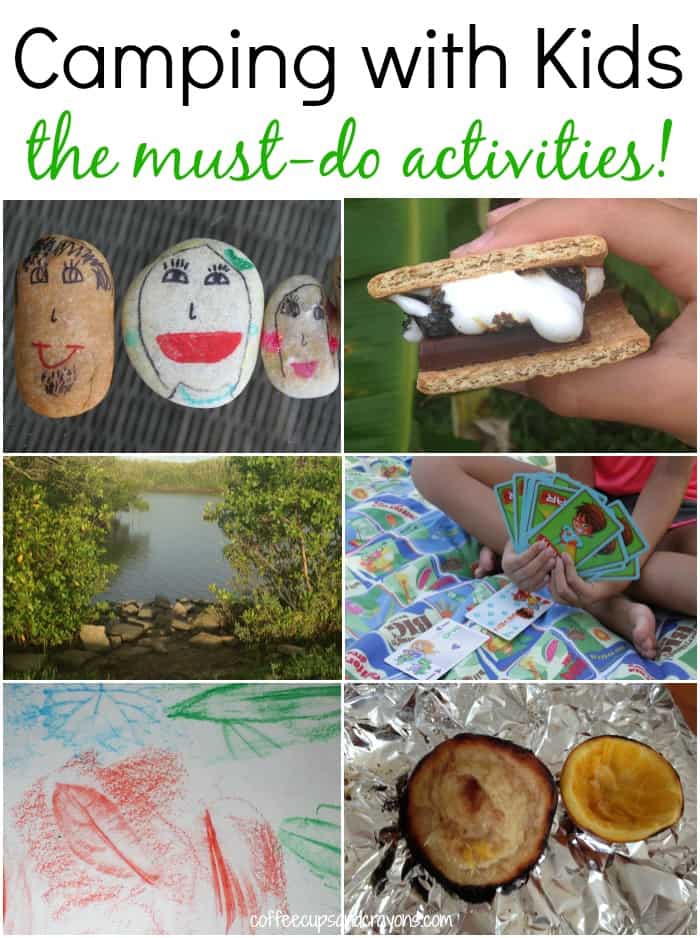
- Nature crafts: Use leaves, sticks, and stones to make art. Painting rocks or making nature necklaces is easy and fun.
Unique Activities Kids Often Miss
Many parents forget these simple yet powerful experiences:
- Animal tracking: Show kids how to look for footprints or listen for bird calls. This turns a walk into a detective game.
- Bug hotel building: Use bark, twigs, and leaves to make a home for insects. Kids learn about ecology and teamwork.
Activity Comparison
Let’s compare three popular camping activities by age suitability and supervision needs:
| Activity | Best Age Group | Supervision Required |
|---|---|---|
| Scavenger Hunt | 5–12 years | Light supervision |
| Stargazing | All ages | Minimal supervision |
| Obstacle Course | 6–10 years | Moderate supervision |
Mix activities to fit your children’s ages and keep things interesting.
:max_bytes(150000):strip_icc()/102748200-5158d15505d7421b8c428e6b3fc4eee1.jpg)
Making Meals Fun: Kids And Camp Cooking
Food is a highlight of any camping trip. Kids can get bored with standard sandwiches, so try easy recipes and involve them in cooking.
Simple And Kid-friendly Camping Recipes
- Campfire pizza: Use pita bread, tomato sauce, cheese, and toppings. Kids assemble their own pizzas, then heat them on the fire for 5–7 minutes.
- Banana boats: Slice a banana, fill with chocolate chips and marshmallows, wrap in foil, and cook for 10 minutes.
- Foil pack veggies: Let kids add their favorite veggies and seasoning to a foil pack. Bake on the fire for 20 minutes.
Cooking Safety Tips
Teach children basic campfire safety:
- Never touch hot surfaces
- Keep a safe distance from flames
- Always have water nearby for emergencies
Comparing Meal Prep Options
Here’s a quick look at meal prep methods and their kid-friendliness:
| Meal Method | Kid Involvement | Prep Time |
|---|---|---|
| Campfire cooking | High | 10–30 min |
| Pre-packed meals | Low | 0–5 min |
| Portable stove | Medium | 5–20 min |
Allowing kids to help with campfire cooking makes meals memorable. Pre-packed meals are faster but less engaging.
Encouraging Exploration And Learning
Camping is not just about fun—it’s a chance to teach kids about nature, responsibility, and teamwork.
Nature Education
- Wildlife spotting: Bring binoculars and a field guide. Record each animal seen in a notebook.
- Plant identification: Use a simple chart to identify trees, flowers, and bushes.
Teamwork And Responsibility
- Assign simple tasks like gathering firewood, setting up tents, or helping wash dishes.
- Teach Leave No Trace principles: Pack out trash, respect wildlife, and leave things as you found them.
Two Insights Beginners Often Miss
- Let kids lead: Give them a chance to guide a walk or choose the next activity. This builds confidence and keeps them engaged.
- Embrace mistakes: Let children try, fail, and learn. If they burn the campfire pizza or can’t find a bird, it’s part of the adventure.

Overcoming Common Camping Challenges
Even well-planned trips can run into trouble. Rain, boredom, or homesickness can ruin a child’s mood. Here’s how to handle these challenges:
Rainy Days
- Bring waterproof games like cards or small board games.
- Set up a tarp for outdoor play even when it’s wet.
- Tell stories or sing songs inside the tent.
Boredom
- Keep a “surprise bag” with small toys or snacks to use if kids get restless.
- Change the routine often—switch from hiking to crafts or games.
Homesickness
- Stay positive and patient. Share favorite family stories or photos.
- Allow kids to call home if needed, but encourage them to focus on the fun.
Creating Lasting Memories: Capture And Celebrate
Documenting your camping trip helps kids remember the adventure and builds excitement for next time.
- Take photos and videos of activities, meals, and funny moments.
- Encourage kids to keep a camping journal. They can write or draw about their favorite parts.
- At home, create a scrapbook together or display photos on the wall.
Non-obvious Memory Tips
- Let kids collect a small item (like a rock or leaf) from each trip and label it with the date and location.
- Have kids write a letter to themselves about what they learned or enjoyed most.
Frequently Asked Questions
How Do I Keep Kids Safe While Camping?
Always set clear boundaries for where kids can go, and supervise closely near water or fires. Teach children about wildlife, poisonous plants, and emergency procedures. Bring a well-stocked first aid kit and check the campsite for hazards.
What Should I Pack For Kids On A Camping Trip?
Pack layered clothes, waterproof shoes, favorite snacks, bug spray, sunscreen, and comfort items. Include entertainment like books or games, and don’t forget basic toiletries. A flashlight or headlamp is useful for each child.
How Can I Make Camping Educational For Kids?
Use nature walks to teach about plants and animals. Let kids help with tasks like setting up tents or cooking. Encourage journaling or drawing about their experiences. Find ranger-led programs or borrow field guides for wildlife spotting.
What If My Child Doesn’t Like Camping?
Start with short trips and familiar locations. Bring favorite foods and activities. Allow your child to express concerns and involve them in planning. If things aren’t going well, be flexible—sometimes a change in schedule or activity helps.
Are There Organized Camping Programs For Families?
Yes, many state parks and private campgrounds offer family camping weekends, workshops, and guided hikes. These programs provide structured activities and are a great way for beginners to learn. For more information, check local park websites or visit National Park Service.
Camping can be magical for kids if you plan with care, keep things flexible, and focus on discovery and joy. By choosing the right campsite, mixing fun activities, and encouraging exploration, you turn a simple trip into lasting memories. Remember to celebrate mistakes and embrace the unexpected—these moments often become your child’s favorite stories.
With the right approach, camping will become a tradition your family looks forward to every year.
