
Tenting with foil might sound simple, but it’s a kitchen skill that can make a real difference in your cooking. Whether you’re roasting a turkey, baking a lasagna, or grilling vegetables, knowing how to tent with foil helps you get better results.
Many home cooks skip this step or do it wrong, ending up with dry meat, burnt tops, or uneven cooking. The good news is, tenting with foil is easy to learn and works for both ovens and grills. Let’s explore how to tent with foil the right way, common mistakes, and some tips to help you master this handy technique.
What Does Tenting With Foil Mean?
Tenting with foil means covering food loosely with aluminum foil so that it forms a “tent” shape over the dish. This is different from wrapping food tightly. The idea is to create a space where heat and steam can circulate, protecting the food from direct heat but not sealing it completely.
Benefits of tenting with foil:
- Prevents over-browning or burning
- Keeps food moist by trapping steam
- Even cooking by diffusing heat
- Protects delicate toppings like cheese or meringue
Many recipes for roasting meat, baking casseroles, or even making bread call for tenting with foil at some stage.
When Should You Tent With Foil?
Tenting is useful in several situations:
- Roasting meats (like turkey or chicken): To keep the top from burning while the inside finishes cooking.
- Resting meat after cooking: To keep it warm and juicy without making the skin soggy.
- Baking casseroles: To stop cheese or breadcrumbs from burning before the center heats through.
- Reheating leftovers: To prevent drying out in the oven.
- Baking bread or pies: To shield crust edges from over-browning.
- Grilling vegetables: To steam them gently while still getting some char.
Credit: www.kopiaste.org
How To Tent With Foil: Step-by-step
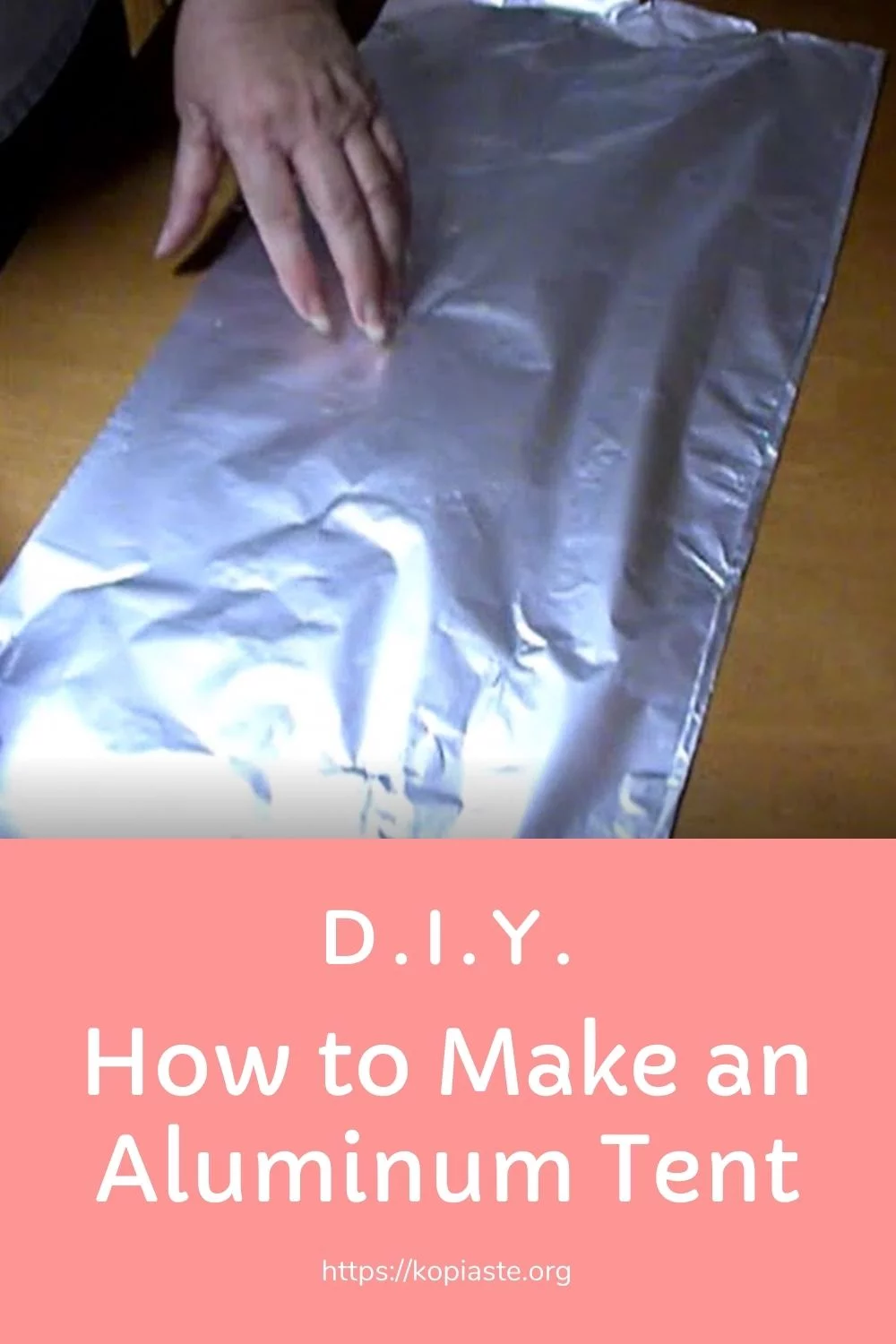
Tenting works best when you do it correctly. Here’s how to tent with foil for most oven and grill uses:
- Tear a sheet of foil
- Make sure the foil is longer and wider than your dish or meat.
- Heavy-duty foil works better for large items or higher temperatures.
- Shape the foil
- Fold the foil in the middle, making a gentle crease.
- This will help you create a “roof” over your food.
- Place the foil
- Set the foil over your food or pan, letting it sit above the surface.
- The center should be higher than the edges, like a tent.
- Seal the edges loosely
- Tuck the foil at the corners of the pan or dish, but don’t press it tight.
- Leave space for air and steam to move.
- Check during cooking
- If the recipe calls for removing the foil later (for browning), lift it off carefully.
Example: Roasting A Chicken
- Roast the chicken uncovered for the first 30 minutes.
- Once the top looks golden, tent with foil for the rest of the cooking time.
- This keeps the breast meat moist while the legs cook through.
Tenting Vs. Wrapping: What’s The Difference?
People often confuse tenting with wrapping. Here’s a quick comparison:
| Tenting | Wrapping | |
|---|---|---|
| How tight? | Loose cover, space above food | Sealed, tight around food |
| Heat effect | Moderates heat, prevents burning | Locks in all steam, may change texture |
| Common use | Roasting, baking | Steaming, storing leftovers |
Tip: Tenting lets air escape, so food won’t get soggy, while wrapping keeps all moisture in.

Credit: www.youtube.com
Practical Tips For Tenting With Foil
Tenting is simple, but a few tricks can make it work even better:
- Use enough foil: Always use a sheet larger than your pan.
- Shiny side down: For high heat, place the shiny side toward the food to reflect heat away.
- Don’t press down: If foil touches cheese or a delicate topping, it might stick and pull it off.
- Secure corners: If you’re roasting something large (like a turkey), tuck foil under the pan’s handles.
- Peeking is okay: If you need to check doneness, gently lift one side and replace it.
A common beginner mistake is pressing the foil tightly against the food, which can steam the surface and ruin crispiness.
Common Problems And Solutions
When tenting with foil, some things can go wrong. Here’s how to fix them:
| Problem | Why It Happens | Solution |
|---|---|---|
| Meat is dry | Tent was too loose or removed too early | Keep tent on longer, or tent more tightly |
| Food is soggy | Foil pressed too close, trapped too much steam | Raise foil, create more space above food |
| Top isn’t browned | Foil left on the whole time | Remove foil for last 10-15 minutes of cooking |
Smart Uses For Foil Tenting
Beyond the basics, tenting with foil can solve kitchen problems:
- Tent after grilling steak: Keeps it hot and lets juices settle for juicier results.
- Cover bread dough while rising: Stops crust from drying out.
- Shield pie edges: Cut strips of foil to tent only the rim, preventing burnt crust.
Sometimes, tenting is the secret to recipes that look and taste professional.
Foil Tenting: Safety And Environmental Tips
Aluminum foil is safe for most uses, but a few guidelines help you use it wisely:
- Don’t use with acidic foods (like tomatoes or citrus): Acid can react with the foil.
- Recycle used foil if it’s clean; crumpled foil can be recycled in most cities.
- Avoid foil in the microwave: It can spark and cause a fire.
If you want to learn more about foil safety, check out this USDA guide on aluminum foil.

Credit: www.bacofoil.co.uk
Frequently Asked Questions
How Do I Know When To Tent With Foil?
You should tent with foil if a recipe says so, or if you notice the top of your food is browning too fast. For meats, tenting is helpful during both roasting and resting.
Can I Tent With Foil On The Grill?
Yes, tenting with foil on a grill can prevent burning and help cook food evenly. Just make sure the foil doesn’t touch the flames.
What’s The Best Way To Tent A Turkey?
Use a large sheet of heavy-duty foil. Form a tent over the breast area, tucking the ends under the pan’s edges. Remove the foil for the last 30-45 minutes to brown the skin.
Will Tenting With Foil Make Food Soggy?
If you leave plenty of space between the food and foil, steam can escape, and food won’t become soggy. Pressing foil tightly can trap too much steam, leading to sogginess.
Can I Reuse Aluminum Foil For Tenting?
Yes, as long as it’s not torn or covered in grease. Wipe it clean after use and save it for another tenting job.
Tenting with foil is a simple skill, but it can make your food juicier, tastier, and more attractive. With these tips, you’ll be able to handle almost any recipe that calls for tenting—no guesswork needed.
