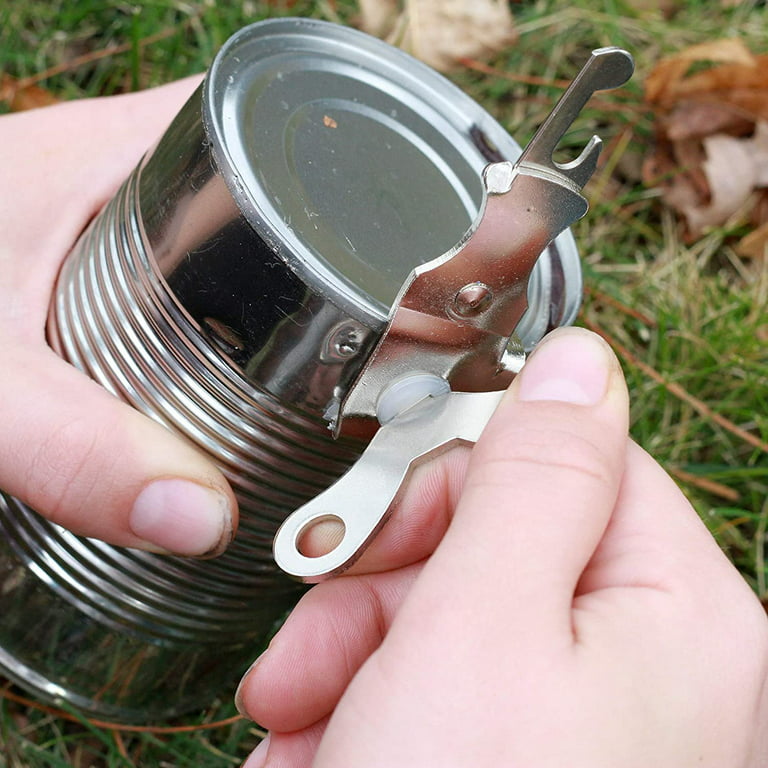
Camping is about adventure, freedom, and reconnecting with nature. But when hunger strikes, the simplest tool can make all the difference. A camping can opener is one of those small but essential items that many people overlook until they need it. Whether you’re preparing a quick meal by the fire or packing for a multi-day hike, knowing how to use this tool correctly saves time, effort, and frustration. This guide will show you exactly how to use a camping can opener, help you choose the right one, and share expert tips to make your outdoor cooking easier and safer.
What Is A Camping Can Opener?
A camping can opener is a compact device designed to open canned food while outdoors. Unlike kitchen can openers, camping versions are lightweight, often small enough to fit on a keychain, and built for durability. Most are made of stainless steel or aluminum to resist rust and damage from rough conditions. There are several types, but the most common are the P-38 and P-51 military-style openers, and the multi-tool can openers found in Swiss Army knives or survival kits.
Types Of Camping Can Openers
- P-38 Can Opener: Small, about 1.5 inches long, originally designed for military use. It’s simple, reliable, and easy to carry.
- P-51 Can Opener: Slightly larger (about 2 inches), giving more leverage and easier operation.
- Multi-tool Can Opener: Found on pocket knives, Swiss Army knives, or multitools. These usually combine several functions.
- Twist Can Opener: Similar to kitchen-style, but smaller and designed for portability.
Here’s a quick comparison of popular types:
| Type | Size | Weight | Ease of Use | Durability | Price Range |
|---|---|---|---|---|---|
| P-38 | 1.5 in | ~10g | Moderate | High | $1-3 |
| P-51 | 2 in | ~20g | Easy | High | $1-4 |
| Multi-tool | Varies | Varies | Varies | Very High | $15-60 |
| Twist | 3-4 in | ~50g | Easy | Moderate | $5-10 |
Why You Need A Camping Can Opener
When camping, you often rely on canned food for convenience and safety. Cans keep food fresh, prevent contamination, and offer a wide variety of meals. But cans are tough to open without the right tool. A camping can opener solves this problem and offers several benefits:
- Lightweight: Won’t weigh down your pack.
- Durable: Handles rough conditions and repeated use.
- Safe: Reduces the risk of injury compared to improvised methods.
- Efficient: Opens cans quickly so you can eat sooner.
Many campers think a knife or rock can substitute for a can opener. In reality, using the wrong tool can damage your gear, cause injury, or waste food. Statistics from outdoor safety organizations show that improvised can opening causes dozens of hand injuries each year—most from slipping knives or sharp edges.

Choosing The Right Camping Can Opener
Not all camping can openers are equal. Picking the right one depends on your needs, trip length, and cooking style. Let’s look at the main factors:
Size And Weight
Backpackers and hikers need the smallest, lightest tool possible. For car camping or group trips, a larger can opener may be fine.
Ease Of Use
If you have limited hand strength or dexterity, choose a P-51 or a twist style. Multi-tool openers are convenient but can be tricky for beginners.
Durability
Camping gear gets knocked around, dropped, and exposed to the elements. Stainless steel is best for resisting rust and breaking.
Functionality
Some openers only open cans, while others include bottle openers, screwdrivers, or knives. Multi-tools are great for versatility but may sacrifice ease of use.
Price
Most basic openers cost less than $5. Multi-tools can cost $20 or more. For most campers, a P-38 or P-51 offers the best value.
| Criteria | Best Option | Reason |
|---|---|---|
| Backpacking | P-38 | Ultra-light, compact |
| Family Camping | P-51 or Twist | Easy to use, more leverage |
| Survival/Prepper | Multi-tool | Multiple functions |
Insight: Many beginners ignore weight, but even a few extra ounces matter on long hikes. Always check the weight before buying.
How To Use A Camping Can Opener: Step-by-step
Using a camping can opener is straightforward, but technique matters. Here’s a step-by-step guide for the most common types: P-38/P-51 and multi-tool openers.
Using A P-38 Or P-51 Can Opener
- Open the Opener: Unfold the hinged blade so it sticks straight out from the handle.
- Position on Can: Place the opener’s sharp tip against the rim of the can lid. Hold the handle firmly.
- Pierce the Lid: Push the blade down to puncture the lid. You may need to wiggle it for the first cut.
- Cut Around the Lid: Move the opener forward along the lid’s edge. Lift the handle slightly and repeat the piercing motion. Continue until you’ve cut a full circle.
- Remove the Lid: Once the lid is loose, use the opener or a spoon to lift it away. Be careful—edges are sharp.
Tip: The P-51 is larger, so it gives more leverage and requires less force. Beginners often find it easier than the P-38.
Using A Multi-tool Can Opener
- Find the Can Opener Blade: On a Swiss Army knife or multitool, locate the blade marked for can opening.
- Align the Blade: Place the blade’s hooked part against the rim.
- Pierce and Cut: Push down, then pull the tool toward you, rotating the can as you cut.
- Complete the Cut: Circle the lid until it’s loose, then lift it off.
Mistake to Avoid: Many people try to cut too quickly, which can lead to slipping or jagged cuts. Take your time for a smooth edge.
Using A Twist Can Opener
- Clamp the Opener: Attach the opener to the rim and squeeze handles together.
- Twist: Rotate the handle clockwise. The blade cuts as you twist.
- Finish and Remove Lid: Once the lid is free, lift carefully.
Safety Note: Always wipe the can opener clean after use, especially if you’re camping near water or in humid conditions.
Practical Tips For Using Camping Can Openers
Experienced campers know that small details make a big difference. Here are some practical tips:
- Practice at Home: Before your trip, try opening a few cans with your opener. This builds confidence and reduces mistakes.
- Keep It Clean: Food residue attracts animals and causes rust. Wash your opener after each use.
- Check for Sharp Edges: After opening, the lid and can edges are sharp. Use gloves or a cloth to avoid cuts.
- Lubricate Hinges: If your opener has moving parts, add a drop of oil to keep it smooth.
- Attach to Keychain: A P-38 or P-51 can attach to your keychain or pack for easy access.
- Bring a Backup: Extra openers are lightweight. Losing one in the woods can ruin a meal.
- Use a Spoon for Lid Removal: Don’t pry with fingers—use a spoon or stick to avoid injury.
Non-obvious Insight: Many people forget that cold hands make using a can opener harder. Warm your hands before starting.
Cleaning And Maintaining Your Camping Can Opener
Keeping your camping can opener clean and well-maintained ensures it works smoothly every time. A dirty or rusty opener can ruin your meal and even cause illness.
Cleaning After Use
- Rinse with Water: After opening a can, rinse the opener in clean water.
- Scrub Gently: Use a soft brush to remove food bits.
- Dry Thoroughly: Moisture causes rust. Dry with a cloth or let it air dry.
Preventing Rust
- Store Dry: Never pack your opener wet.
- Use Oil: A light coat of cooking oil prevents rust.
- Avoid Saltwater: Salt accelerates corrosion. Rinse with fresh water if exposed.
Deep Cleaning
- Use Vinegar: For stubborn stains or rust, soak the opener in vinegar for 30 minutes, then scrub.
- Disinfect: If you drop it in dirt, use a disinfectant wipe before using again.
Expert Tip: If camping in humid areas, check your opener daily for rust spots.
Common Problems And How To Solve Them
Even the best gear sometimes fails. Here are common issues with camping can openers and how to fix them:
Opener Won’t Pierce The Can
- Check Blade Sharpness: Dull blades struggle to cut. Sharpen with a small file.
- Try a Different Spot: Some cans have thicker lids. Move to a thinner area.
Opener Is Rusty Or Sticky
- Clean and Oil: Wash, dry, and apply oil.
- Replace If Needed: Severe rust can make the opener unsafe.
Difficult To Use With Cold Hands
- Warm Up: Rub hands together or use gloves.
- Use Larger Opener: P-51 is easier for stiff hands.
Lost Opener
- Use Backup: Always pack a spare.
- Improvise Safely: Only as a last resort, use a sturdy knife (never a pocket knife), and cut away from your body.
Non-obvious Insight: Some cans have extra-thick lids (like dog food or baked beans). These need more pressure—don’t force the opener, or you risk bending it.
Safety Tips When Using Camping Can Openers
Opening cans outdoors can be riskier than at home. Follow these safety rules:
- Keep Fingers Away: Never place fingers near the blade or lid.
- Open on Stable Surface: Set the can on a log or flat rock—not your lap.
- Watch for Sharp Edges: Both the lid and the can edge are dangerous.
- Store Safely: After use, fold the opener and store in a pouch or pocket.
- Supervise Kids: If camping with children, open cans for them.
Data Point: According to the American Camping Association, hand injuries from cans are among the top 10 camping kitchen accidents.
Camping Can Opener Vs. Kitchen Can Opener
You might wonder if you can bring your regular kitchen can opener camping. Here’s how they compare:
| Feature | Camping Can Opener | Kitchen Can Opener |
|---|---|---|
| Size | Very small | Large |
| Weight | Light | Heavy |
| Durability | High (rust-resistant) | Moderate |
| Ease of Use | Moderate | Easy |
| Multi-function | Often yes | No |
| Price | $1-4 | $10-20 |
Insight: Kitchen can openers are easier to use but not practical for hiking. They take up space and can break under rough conditions.
When To Replace Your Camping Can Opener
A good camping can opener lasts for years, but not forever. Here’s when to replace it:
- Blade Is Dull or Bent: Can’t cut cleanly.
- Severe Rust: Even after cleaning, rust returns.
- Broken Handle or Parts: Unsafe to use.
- Lost Functionality: Multi-tool blades stuck or won’t open.
A quality opener costs less than $5. Don’t risk a ruined meal or injury—replace as soon as problems appear.
Can Opener Hacks For Campers
If you want to make your camping experience even smoother, try these hacks:
- Attach with Paracord: Tie your opener to your pack so you never lose it.
- Use as a Mini Screwdriver: Many P-38/P-51 models can tighten screws in an emergency.
- Open Bottles: Some can openers double as bottle openers—check your model.
- Emergency Signal: The shiny metal can reflect sunlight for signaling.
- Mark Your Gear: Scratch your initials on your opener to avoid mix-ups.
Practical Example: On group trips, color-code your openers with tape for quick identification.
Environmental Considerations
Using a camping can opener wisely helps protect nature:
- Pack Out Cans: Never leave cans or lids in the wild. Animals can get injured, and cans don’t biodegrade.
- Recycle: At campgrounds, rinse cans and place in recycling bins.
- Avoid Single-Use Openers: Choose durable models to reduce waste.
Data: The US National Park Service reports that metal cans are among the most common litter items found in campsites.

Expert Recommendations And Real-world Examples
Outdoor experts agree: a camping can opener is a must-have. Veteran campers share these recommendations:
- Always carry a spare: Lost openers are common.
- Choose stainless steel: Resists rust best.
- Practice before your trip: Avoid frustration at camp.
Real-World Example: Emma, an experienced hiker, forgot her opener on a three-day trip. She had to borrow one from another group, which delayed meals. Now she keeps a P-38 on her backpack at all times.
If you want more detailed reviews and history about camping can openers, check out this Wikipedia article.
Frequently Asked Questions
How Do I Use A Camping Can Opener Safely?
To use a camping can opener safely, place the opener firmly on the can, keep fingers away from the blade and lid, and open cans on a stable surface. Always check for sharp edges after opening.
What’s The Difference Between A P-38 And P-51 Can Opener?
The P-38 is smaller and lighter but requires more force. The P-51 is bigger, easier to use, and gives more leverage, making it better for beginners or people with less hand strength.
Can I Use A Camping Can Opener For Bottles Or Other Tasks?
Many camping can openers, especially multi-tool versions, can open bottles, tighten screws, or act as mini knives. Check your model for extra functions.
How Do I Clean A Camping Can Opener After Use?
Rinse with clean water, scrub gently with a brush, dry thoroughly, and apply a light coat of oil to prevent rust. Store the opener dry and out of moisture.
Is It Safe To Use A Camping Can Opener In Cold Weather?
Yes, but cold hands make it harder to operate. Warm your hands first and use a larger opener like a P-51 if needed. Avoid rushing, as cold metal and hands can increase the risk of injury.
A camping can opener is a simple tool, but it plays a big role in your outdoor experience. With the right opener, good technique, and a few expert tips, you’ll enjoy safer, easier meals on every adventure. Don’t forget to practice before your trip, carry a backup, and keep your opener clean and ready.
Whether you’re hiking, car camping, or preparing for emergencies, this small tool makes a big difference.