
Are you ready to make your outdoor cooking easier and more enjoyable? Learning how to use a camping stove with a propane tank is a simple skill that can change the way you camp.
Imagine having hot meals ready in minutes, no matter where you are. In this guide, you’ll discover step-by-step tips to set up and use your camping stove safely and efficiently. By the end, you’ll feel confident and prepared to cook delicious food on your next adventure.
Keep reading—you’re just moments away from mastering your camping stove!

Credit: www.amazon.com
Choosing The Right Camping Stove
Choosing the right camping stove is important for a safe and easy cooking experience. The right stove fits your needs, the type of camping, and the fuel you use. This helps you cook meals quickly and enjoy your time outdoors. Consider stove types, propane tank compatibility, and how easy the stove is to carry.
Types Of Camping Stoves
Camping stoves come in different styles. Some have one burner, while others have two or more. Single-burner stoves are simple and light. Multi-burner stoves let you cook many dishes at once. There are also compact stoves for backpackers. Choose the type that matches your cooking needs and trip length.
Compatibility With Propane Tanks
Not all camping stoves work with every propane tank. Check the stove’s connection type before buying. Some stoves fit small propane canisters. Others need larger tanks for longer use. Make sure the stove and tank connect safely. Using the right propane tank keeps cooking steady and safe.
Portability And Size Considerations
Camping stoves vary in size and weight. A heavy stove is harder to carry on long hikes. Smaller stoves are easy to pack but may cook slower. Think about how much space you have and how far you will travel. Choose a stove that fits your backpack or car trunk easily.
Credit: www.walmart.com
Selecting A Propane Tank
Choosing the right propane tank is important for using a camping stove safely and efficiently. The tank must fit your stove and meet your camping needs. Size, safety, and type are key points to consider.
Tank Sizes And Capacity
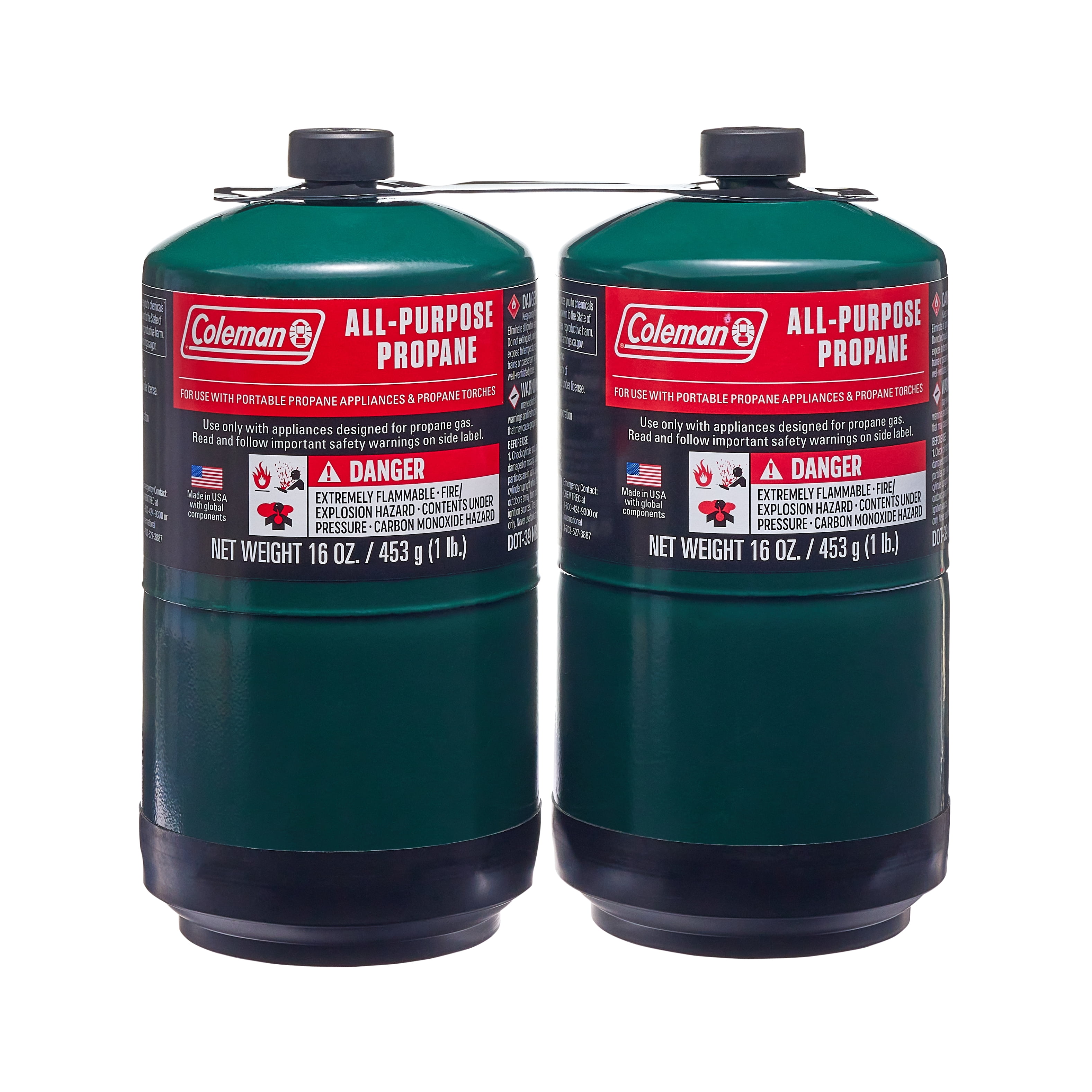
Propane tanks come in different sizes. Small tanks hold about 1 pound of propane. They are light and easy to carry. Larger tanks can hold 5 or 20 pounds. Bigger tanks last longer but weigh more. Choose a size that suits your trip length and stove use.
Safety Features To Look For
Safety is very important with propane tanks. Look for tanks with a pressure relief valve. This valve stops excess pressure from building inside. Check for a secure valve cap to prevent leaks. Tanks should have clear instructions and certification marks. These ensure the tank meets safety rules.
Refilling Vs. Disposable Tanks
Refillable tanks can be used many times. You can refill them at gas stations or outdoor stores. They save money over time. Disposable tanks are for one-time use. They are lighter and easy to dispose of. Choose refillable tanks for longer trips. Use disposable tanks for short or occasional camping.
Connecting The Stove To The Propane Tank
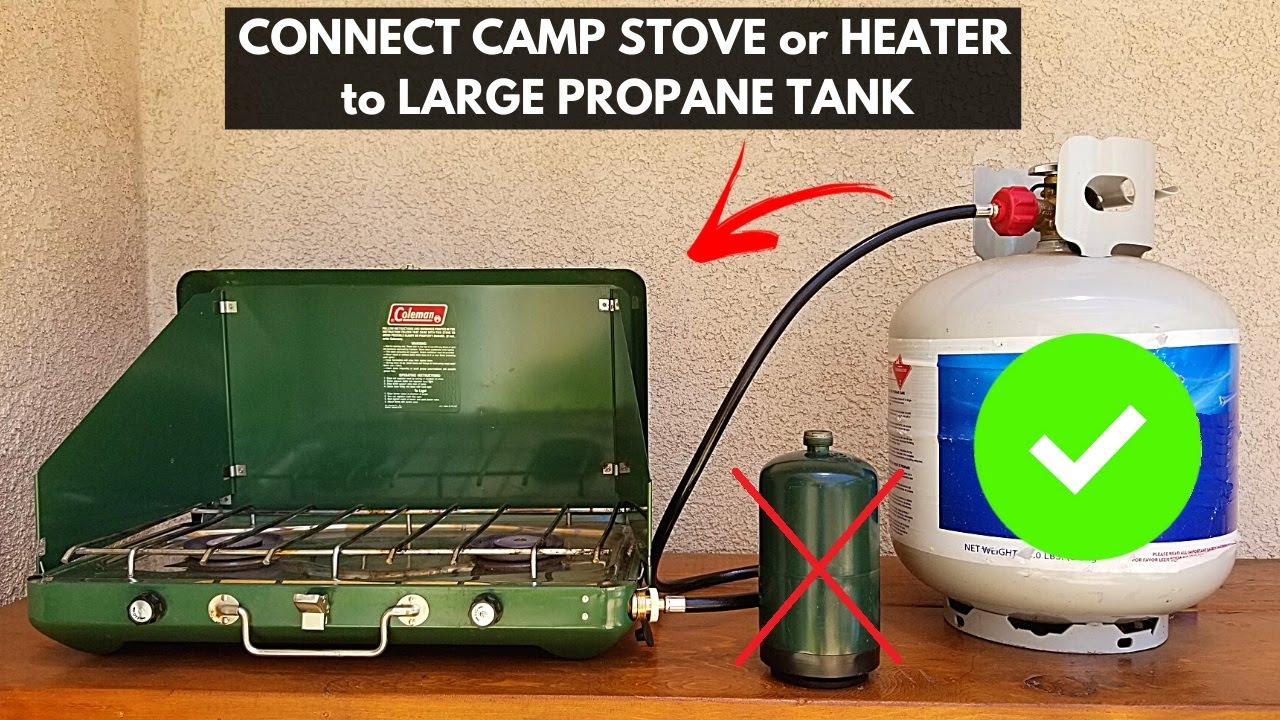
Connecting the camping stove to the propane tank is a key step for safe cooking outdoors. This process requires care and attention to avoid gas leaks and ensure a steady flame. Follow simple steps to attach the stove correctly and check everything before lighting the burner.
Checking For Leaks
Start by inspecting the propane tank and hose for damage. Look for cracks or signs of wear. After attaching the hose, apply soapy water to the connection points. Bubbles mean there is a gas leak. Do not use the stove if you see bubbles. Tighten connections and test again until no bubbles appear. Safety first.
Proper Attachment Techniques
Align the stove’s connector with the propane tank valve. Turn the connector clockwise to tighten. Do not force it too hard. Hand-tighten firmly to avoid damaging threads. Make sure the connection is secure but easy to disconnect later. Keep the stove stable during this step for better control.
Using Regulators And Hoses
The regulator controls gas flow from the tank to the stove. Always attach the regulator between the tank and stove. Check that the hose is the right length and free of cracks. Replace damaged hoses immediately. Connect the hose to the regulator and stove tightly. This setup ensures steady pressure and safe operation.
Operating The Camping Stove Safely
Operating a camping stove with a propane tank needs care and attention. Safety prevents accidents and makes cooking easier outdoors. Follow clear steps to use the stove without risks. Simple habits keep you and others safe around the fire.
Ignition Methods
Start by checking the propane tank connection. Make sure it is tight and leak-free. Turn the gas knob slightly to release propane. Use the stove’s built-in igniter or a long match to light the burner. Keep your face away while lighting. Wait for the flame to appear before adjusting the stove.
Adjusting Flame Intensity
Control the flame by turning the gas knob slowly. A low flame saves fuel and reduces risk. A high flame heats food faster but needs more attention. Avoid flames that are too big or flickering. A steady blue flame shows the stove works well. Turn off the gas fully after cooking.
Safe Cooking Practices
Cook in a well-ventilated area to avoid gas buildup. Keep the stove on a flat, stable surface. Clear the area around the stove from leaves or flammable items. Use pots and pans that fit the burner size. Never leave the stove unattended while cooking. Let the stove cool before packing it away.
Maintaining And Storing Equipment
Maintaining and storing your camping stove and propane tank keeps them safe and working well. Proper care helps avoid accidents and makes your gear last longer. Simple steps ensure your stove stays clean and ready for every trip.
Cleaning The Stove And Tank
After each use, wipe the stove with a damp cloth. Remove dirt and food crumbs from burners and knobs. Check the propane tank for dust and dirt. Avoid soaking the tank or using harsh chemicals. Clean parts dry before storing to stop rust and damage.
Inspecting For Damage
Look over the stove and tank carefully before each trip. Check hoses for cracks or leaks. Tighten loose connections on the tank and stove. Replace damaged parts right away. A small problem can become dangerous fast.
Storage Tips For Longevity
Store the stove and propane tank in a cool, dry place. Keep them away from direct sunlight and heat sources. Make sure the tank valve is closed tightly. Use a protective cover to stop dust buildup. Store tanks upright to keep them stable and safe.
Credit: www.youtube.com
Troubleshooting Common Issues
Camping stoves with propane tanks are easy to use. Still, problems can happen. Knowing how to fix common issues saves time and stress. This guide helps you solve typical stove troubles fast.
Ignition Problems
Sometimes the stove won’t light. Check the propane tank valve. Make sure it is open. Look at the igniter button. Press it firmly and listen for clicks. Clean the igniter tip if dirty. Use a small brush to remove dirt. If the igniter does not spark, try lighting the stove with a match carefully.
Uneven Flame Or Low Heat
The flame may be weak or uneven. Check for dirt or debris in the burner holes. Clean the burner with a soft brush or cloth. Make sure the propane tank is not empty. Turn the control knob to adjust the flame size. Avoid using the stove in very cold weather; propane pressure can drop.
Propane Tank Malfunctions
Propane tanks need care. Look for dents or rust on the tank. Replace the tank if damaged. Check the connection between tank and stove. Tighten the hose if it leaks. Never use a tank that smells like gas. Store tanks in a cool, ventilated place. Always handle propane safely.
Frequently Asked Questions
How Do I Connect A Propane Tank To A Camping Stove?
To connect a propane tank, first ensure the stove valve is off. Attach the regulator to the tank securely. Tighten the connection by hand, then open the tank valve slowly. Check for leaks before lighting the stove to ensure safety.
What Safety Precautions Are Needed Using Propane Camping Stoves?
Always use the stove outdoors in a well-ventilated area. Keep flammable materials away from the stove. Check for gas leaks regularly. Never leave the stove unattended while in use to prevent accidents and ensure safe cooking.
How Do I Ignite A Camping Stove With Propane?
Open the propane tank valve slowly. Turn the stove’s burner knob to the ignite or high position. Use the built-in igniter or a lighter to ignite the burner. Adjust the flame to the desired level for cooking.
How Can I Store Propane Tanks Safely When Camping?
Store propane tanks upright and in a cool, shaded area. Keep them away from direct sunlight and heat sources. Ensure the tank valve is closed tightly. Avoid storing tanks inside tents or vehicles to prevent fire hazards.
Conclusion
Using a camping stove with a propane tank is safe and simple. Always check for leaks before lighting the stove. Keep the tank upright and away from flames. Adjust the flame to cook food evenly. Store the propane tank in a cool, dry place.
Follow these steps to enjoy warm meals outdoors. Camping feels better with easy cooking. Stay safe and enjoy your time outside.
