
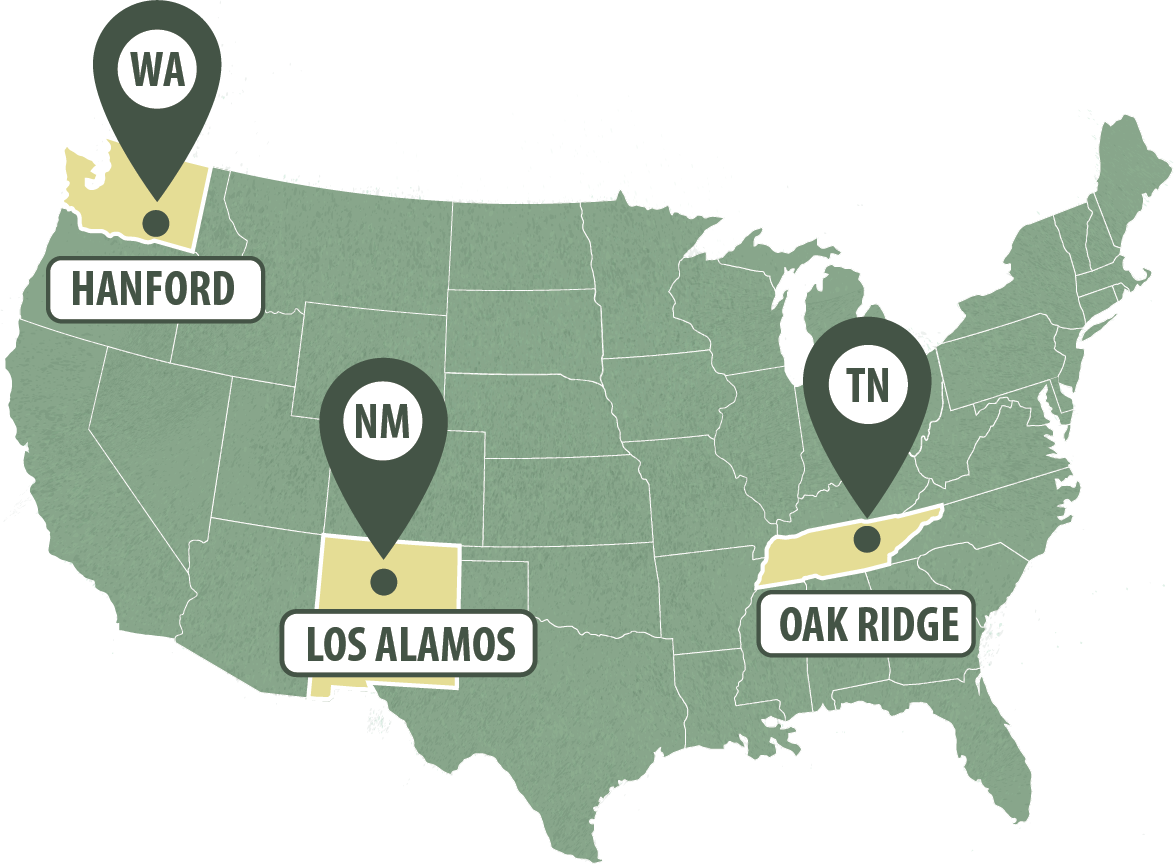
The Manhattan Project National Historical Park is a unique destination spread across three U.S. states: New Mexico (NM), Washington (WA), and Tennessee (TN). This park tells the story of the secret WWII program that led to the creation of the atomic bomb. Today, visitors can explore sites where history changed forever, walk in the footsteps of scientists, and discover how three remote locations became centers of innovation. If you’re interested in science, history, or just looking for something different, this park offers experiences you won’t find anywhere else.
What To Do In Los Alamos, New Mexico
Los Alamos was the heart of the Manhattan Project’s scientific work. This area blends science, nature, and local culture.
Bradbury Science Museum
The Bradbury Science Museum is the best place to start. It’s free, interactive, and explains the science and people behind the Manhattan Project. You’ll see replicas of atomic bombs, historic gadgets, and personal stories. Many displays are hands-on, which makes complex topics easy to understand.
Los Alamos Historical Museum
Just a short walk away, the Los Alamos Historical Museum shares the town’s transformation from a boys’ school to a secret lab. The exhibits use photos, artifacts, and even letters from people who lived through the era.
Bathtub Row
This row of old houses once belonged to top scientists. The name comes from the rare luxury of bathtubs during wartime. You can see the Oppenheimer House (from the outside), where the project’s leader, J. Robert Oppenheimer, lived.
Nature Trails
Los Alamos isn’t just about history. The area is surrounded by Ponderosa pines and mesas. Trails like the Canyon Rim Trail offer beautiful views and a peaceful break from museums.
| Los Alamos Attraction | Type | Time Needed |
|---|---|---|
| Bradbury Science Museum | Interactive Museum | 1-2 hours |
| Los Alamos Historical Museum | Local History | 1 hour |
| Bathtub Row | Historic Area | 30 min |
| Canyon Rim Trail | Hiking/Nature | 1 hour |
Non-obvious tip: Many visitors miss the guided walking tours. These tours share hidden stories and point out small details you might skip on your own.
Exploring Hanford, Washington
Hanford’s wide-open spaces and industrial feel contrast with the forests of Los Alamos. This was where the world’s first large-scale nuclear reactor operated.
B Reactor Tour
The B Reactor is the main attraction. It’s the first nuclear reactor ever built. Tours take you inside the giant structure, with original control panels and machinery. Standing in the reactor hall is an unforgettable experience.
Hanford Reach National Monument
Near the reactor, the Hanford Reach National Monument is a protected area along the Columbia River. It’s home to rare wildlife and plants, and you can hike, bird-watch, or even take boat tours.
Manhattan Project Interpretive Center
The Interpretive Center in Richland helps visitors understand the area’s history before and after the Manhattan Project. It’s a good stop before or after your B Reactor tour.
| Hanford Experience | Highlight | Visitor Info |
|---|---|---|
| B Reactor Tour | Historic Engineering | Advance reservation required |
| Hanford Reach National Monument | Nature & Wildlife | Open year-round |
| Interpretive Center | Educational Exhibits | Family-friendly |
Practical insight: The B Reactor tours run only part of the year and fill up fast. Booking early is essential—this is a common mistake for first-time visitors.
Credit: nationalparksouvenirs.com
Discovering Oak Ridge, Tennessee
Oak Ridge was built almost overnight, and much of the city’s original layout was designed for secrecy. Now it’s open for exploration and learning.
American Museum Of Science & Energy
This museum explains the science behind uranium enrichment and the people who made it happen. The exhibits are interactive, making them engaging for all ages. The museum also runs tours to historic sites around Oak Ridge.
Oak Ridge Reservation Bus Tour
This bus tour takes you to places not usually open to the public, like the Y-12 National Security Complex, the X-10 Graphite Reactor, and the Bethel Valley Church. You’ll see where uranium was processed and hear stories of workers who didn’t even know what they were building.
Historic Jackson Square
Once the social center for Oak Ridge workers, Jackson Square now offers shops, restaurants, and public art. It’s a good place to relax after a busy day of touring.
| Oak Ridge Site | Tour Type | Duration |
|---|---|---|
| American Museum of Science & Energy | Interactive Exhibits | 1-2 hours |
| Oak Ridge Bus Tour | Guided Tour | 3 hours |
| Jackson Square | Dining/Relaxation | 1 hour |
Non-obvious tip: The bus tour is only open to U.S. citizens over a certain age. Bring your ID and check requirements before planning.
Planning Your Visit
Each park location is quite far from the others, so most people visit one area per trip. Here’s how they compare:
- Los Alamos: Best for science and nature lovers.
- Hanford: Ideal for engineering fans and those curious about large-scale projects.
- Oak Ridge: Great for families and people interested in how a secret city worked.
Try to combine historical sites with outdoor activities. Many miss the chance to hike, picnic, or enjoy local food—these small experiences make the trip more memorable.
Check hours and tour availability for each site before you go. Some places require advance tickets or have seasonal hours.
Credit: www.nps.gov
Why The Park Matters
The Manhattan Project National Historical Park is more than just old buildings and machines. It’s a place to reflect on how science can change the world—for better or worse. The park helps visitors see the human side of history: the challenges, teamwork, and ethical questions that shaped our modern age.
If you’re curious to learn even more, the Wikipedia page offers deep background and links to further resources.
Frequently Asked Questions
What Is The Manhattan Project National Historical Park?
It’s a U. S. national park with sites in New Mexico, Washington, and Tennessee. The park preserves places important to the development of the atomic bomb during WWII.
Are All Three Sites Open To The Public?
Some areas are always open, like museums and outdoor spots. Other sites, like reactors or labs, require guided tours and sometimes ID checks. Always check ahead for each location.
How Much Time Should I Plan For A Visit?
Most main attractions take 2-4 hours each. If you want to see everything at one location, plan a full day. Visiting all three areas would take several days and long drives or flights.
Is The Park Suitable For Children And Families?
Yes. Many exhibits are interactive and designed for kids. Outdoor trails and activities also make it family-friendly. However, some tours have age restrictions.
Do I Need Reservations?
For popular tours like the B Reactor or Oak Ridge bus tour, yes—reservations are required and can sell out fast. Museums usually do not need reservations.
The Manhattan Project National Historical Park offers a chance to step into one of history’s most important stories. Whether you’re interested in science, nature, or just want to see something unique, there’s something here for every traveler.

Credit: shop.americasnationalparks.org
