
Thinking about getting a camping trailer for your next adventure? It’s a big decision that can change the way you travel and enjoy the outdoors.
You want to know if it’s worth the investment and how it fits your lifestyle. Camping trailers offer freedom and comfort, but they also come with some challenges you should consider. You’ll discover the key pros and cons of camping trailers to help you decide if it’s the right choice for you.
Keep reading—your perfect trip might depend on it!
Benefits Of Camping Trailers
Camping trailers offer many benefits for outdoor lovers. They bring comfort and ease to your trips. Trailers provide a mobile space that feels like home. You can enjoy nature without giving up basic comforts. These benefits make camping trailers a popular choice for many travelers.
Comfort And Convenience
Camping trailers have beds, kitchens, and bathrooms. You do not need to set up a tent every time. The trailer protects you from bad weather. It keeps bugs and dirt outside. You can rest well after a long day of exploring. Trailers also have electricity for lights and appliances. This makes camping easier and more relaxing.
Cost-effectiveness
Owning a camping trailer can save money over time. You avoid paying for hotels or cabins. Cooking your own meals lowers food costs. Trailers last for many years with proper care. You can travel often without extra lodging expenses. This makes trailers a smart choice for regular campers.
Versatility In Travel
Camping trailers allow you to visit many places. You can tow them behind different vehicles. They fit in campgrounds, parks, and remote spots. Trailers give freedom to change plans easily. You carry your gear and essentials with you. This flexibility supports all types of travel adventures.
Storage And Space
Trailers offer plenty of storage for gear and supplies. You can bring bikes, fishing rods, and hiking equipment. Inside storage keeps things organized and safe. Space inside trailers is designed for comfort and utility. This helps you pack everything needed without clutter. It makes traveling lighter and more enjoyable.
Drawbacks Of Camping Trailers
Camping trailers offer many benefits, but they also have some downsides. Knowing these drawbacks helps you decide if a camping trailer fits your needs. Understanding the challenges can save time and money later.
Towing Challenges
Towing a camping trailer can be hard for new drivers. It changes how the vehicle handles on roads. Turning, braking, and parking require more skill and care. Wind and narrow roads add extra difficulty. Some vehicles may not be strong enough to tow large trailers safely.
Maintenance Requirements
Camping trailers need regular upkeep to stay safe and functional. Tires, brakes, and lights must be checked often. Water and electrical systems also need care to avoid problems. Ignoring maintenance can cause costly repairs or breakdowns during trips. Maintenance takes time and some mechanical knowledge.
Limited Mobility
Once parked, a camping trailer limits where you can go. You cannot take it on rough or narrow paths easily. Exploring nearby spots may require driving your tow vehicle separately. This reduces freedom compared to smaller campers or tents. Moving the trailer frequently can be tiring.
Initial Investment Costs
Buying a camping trailer costs a lot upfront. Prices vary based on size and features but often reach thousands of dollars. New trailers have a higher price tag than used ones. Besides buying, you may pay for insurance and registration. These costs can be a barrier for some campers.
Types Of Camping Trailers
Camping trailers come in many shapes and sizes. Each type offers unique features and benefits. Choosing the right trailer depends on your travel style, budget, and towing vehicle. Understanding the common types helps you make a smart choice.
Pop-up Trailers
Pop-up trailers are lightweight and compact. They fold down for easy towing and storage. Once parked, they expand to provide extra space. These trailers offer basic comfort without bulk. Ideal for small families or beginners.
Travel Trailers
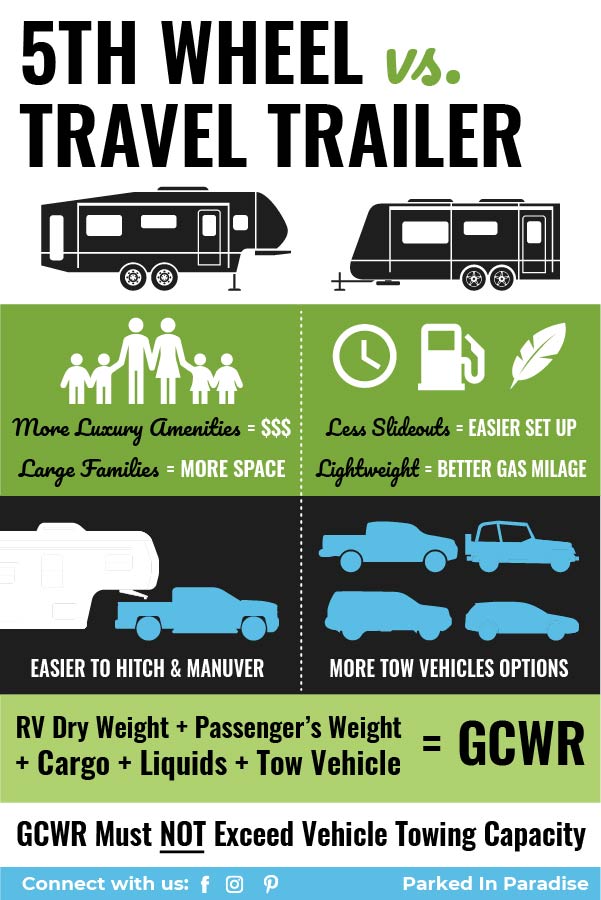
Travel trailers come in various lengths and layouts. They attach to a vehicle’s hitch and offer full living space. Many include kitchens, bathrooms, and sleeping areas. Travel trailers suit longer trips and larger groups. They require a stronger tow vehicle.
Fifth-wheel Trailers
Fifth-wheel trailers connect to a special hitch in a truck bed. This design provides better stability and maneuverability. They offer spacious interiors with multiple rooms. Fifth-wheels often include luxury features. Best for experienced campers with heavy trucks.
Teardrop Trailers
Teardrop trailers have a small, aerodynamic shape. They are easy to tow and park. Inside, they usually have a bed and small storage. Outside kitchens are common in these trailers. Perfect for solo travelers or couples who want simple camping.
Credit: www.parkedinparadise.com
Choosing The Right Trailer
Choosing the right camping trailer is key for a great outdoor experience. The trailer you pick affects comfort, convenience, and travel ease. Careful thought helps find the perfect fit for your trips. Consider several important factors before making your choice.
Assessing Your Needs
Think about how you plan to use the trailer. Will you camp alone, with family, or friends? Decide on the number of beds and space you need. Check if you want cooking or bathroom facilities inside. Your style of camping also matters. Some trailers suit short trips better. Others fit long stays or rough terrain.
Budget Considerations
Set a clear budget before shopping for trailers. Prices vary widely based on size and features. New trailers cost more than used ones. Repairs and maintenance add to expenses over time. Consider fuel costs too, as heavier trailers use more gas. A realistic budget keeps your camping fun without stress.
Size And Weight Factors
The trailer’s size affects where you can camp. Large trailers may not fit in small or remote spots. Weight matters for towing safety and fuel use. A heavy trailer requires a strong tow vehicle. Small trailers offer easier driving and parking. Balance your space needs with manageable size and weight.
Compatibility With Tow Vehicle
Check your vehicle’s towing capacity before buying a trailer. Exceeding this limit is unsafe and illegal. Match the trailer weight to your vehicle’s limits. Also, consider the hitch type and brake systems. Proper compatibility ensures smooth, safe towing on all roads. Confirm this to avoid costly issues later.
Tips For Using Camping Trailers
Camping trailers offer great freedom and comfort outdoors. Using them well makes your trip safer and more fun. Simple tips help you tow, pack, and set up your trailer with ease. Follow these steps to enjoy your camping adventures fully.
Safe Towing Practices
Check your vehicle’s towing capacity before hooking up the trailer. Attach safety chains and test brake lights. Drive slower than usual and keep a bigger distance between cars. Avoid sharp turns and sudden stops to prevent accidents. Use mirrors to watch your trailer while driving.
Regular Maintenance
Inspect tires for wear and proper pressure before every trip. Check brake systems and lights regularly to stay safe on the road. Clean the trailer inside and out to avoid damage. Lubricate moving parts like hinges and jacks. Fix small issues quickly to avoid bigger problems later.
Efficient Packing
Pack only what you really need to save space and weight. Store heavy items low and near the trailer’s center for stability. Use containers and bags to keep things organized. Keep essential tools and first aid kits easy to reach. Avoid overloading to improve fuel efficiency and safety.
Campsite Setup
Choose a flat spot to park your trailer for easy setup. Use leveling blocks to make the trailer stable and comfortable. Connect power and water carefully following campsite rules. Set up awnings and outdoor furniture for extra space. Keep the area clean to respect nature and other campers.

Credit: blog.campingworld.com
Credit: www.sylvansport.com
Frequently Asked Questions
What Are The Main Benefits Of Camping Trailers?
Camping trailers offer comfort, convenience, and mobility. They provide shelter, cooking facilities, and storage. They allow travelers to explore while enjoying home-like amenities. Trailers are cost-effective compared to RVs. They also protect against weather and insects. Overall, they enhance outdoor camping experiences.
What Are The Common Drawbacks Of Camping Trailers?
Camping trailers can be heavy and hard to tow. They require storage space when not in use. Setup and maintenance take time and effort. Limited maneuverability in tight spaces is common. Some models have higher upfront costs. These factors may affect travel plans and budget.
How Do Camping Trailers Compare To Tents?
Camping trailers provide more comfort and protection than tents. They include beds, kitchens, and bathrooms. Trailers are better for bad weather and longer trips. Tents are lighter and easier to carry. Choice depends on budget, travel style, and camping needs.
Are Camping Trailers Suitable For All Vehicles?
Not all vehicles can tow camping trailers safely. Check your vehicle’s towing capacity before buying a trailer. SUVs and trucks usually have higher towing limits. Small cars may require lightweight or pop-up trailers. Always prioritize safety and legal towing guidelines.
Conclusion
Camping trailers offer comfort and convenience on the road. They save time setting up and packing. Space can feel limited for bigger groups. Costs may be higher than tents or RVs. Maintenance requires effort and some skill. Choose based on your travel style and budget.
Think about how often you will use it. Balance the benefits with the drawbacks carefully. This helps you enjoy your trips fully. Camping trailers can make adventures easier and fun.
