
Are you thinking about trying seasonal camping but aren’t sure if it’s right for you? Seasonal camping can offer a unique way to connect with nature, but it also comes with some challenges you should know about.
Understanding the pros and cons will help you decide if spending weeks or months at a campsite fits your lifestyle and adventure goals. Keep reading to discover what seasonal camping really means for your comfort, budget, and overall experience. This way, you can make the best choice for your next outdoor escape.

Credit: popehaven.com
Benefits Of Seasonal Camping
Seasonal camping offers unique benefits that enhance your outdoor experience. Choosing the right season can make camping more enjoyable and comfortable. It allows you to plan activities suited to the weather and environment. This section explains the key advantages of seasonal camping.
Enjoying Ideal Weather
Seasonal camping means camping in the best weather. You avoid extreme cold or heat. Mild temperatures make setting up tents and sleeping outside easier. Clear skies and gentle breezes add to comfort. Pleasant weather improves your mood and energy during trips.
Access To Seasonal Activities
Each season brings special activities. Spring and summer offer hiking, fishing, and swimming. Fall showcases beautiful foliage and harvest festivals. Winter provides snow sports like skiing and snowshoeing. Seasonal camping lets you try activities not available year-round.
Less Crowded Sites
Camping outside peak times means fewer campers. Less crowded sites feel peaceful and private. You get better spots near lakes or trails. Quiet campsites help you connect with nature. Avoiding crowds also reduces noise and wait times for facilities.
Challenges Of Seasonal Camping
Seasonal camping offers unique experiences but comes with its own set of challenges. These challenges can affect your plans and overall enjoyment. Understanding them helps you prepare better and avoid surprises. Here are the main difficulties you might face during seasonal camping.
Weather Unpredictability
Weather changes fast during seasonal camping. Sunny mornings can turn into rainy afternoons. Cold nights can catch campers off guard. This unpredictability requires flexible plans and proper gear. It can be hard to enjoy camping if weather disrupts your activities.
Limited Availability
Many campsites close during off-seasons. Only a few spots open for seasonal campers. This limits your choice of locations and dates. Booking early becomes necessary to secure a place. Popular sites fill up quickly, causing frustration for campers.
Higher Costs
Seasonal camping sometimes means higher prices. Campsites may charge more during peak seasons. Equipment and supplies can also cost extra. Budgeting carefully is important to avoid overspending. These costs can add up and affect your trip.
Seasonal Camping Safety Tips
Seasonal camping offers unique experiences but also brings safety challenges. Staying safe requires careful planning and awareness. This section covers key tips to keep you secure during seasonal camping trips.
Preparing For Weather Changes
Weather can shift quickly during seasonal camping. Pack clothes for hot and cold temperatures. Bring rain gear to stay dry. Check weather forecasts daily. Set up your tent where it won’t flood. Keep extra blankets and warm layers ready.
Wildlife Awareness
Animals behave differently in each season. Store food in sealed containers away from your tent. Avoid feeding or approaching wild animals. Learn about local wildlife hazards before camping. Make noise to avoid surprising animals. Carry bear spray or noise makers in bear country.
Emergency Planning
Prepare for emergencies before your trip. Share your camping plans with a trusted person. Bring a fully charged phone and extra batteries. Pack a first aid kit with basic supplies. Know the nearest medical facility location. Have a map and compass for navigation without signal.
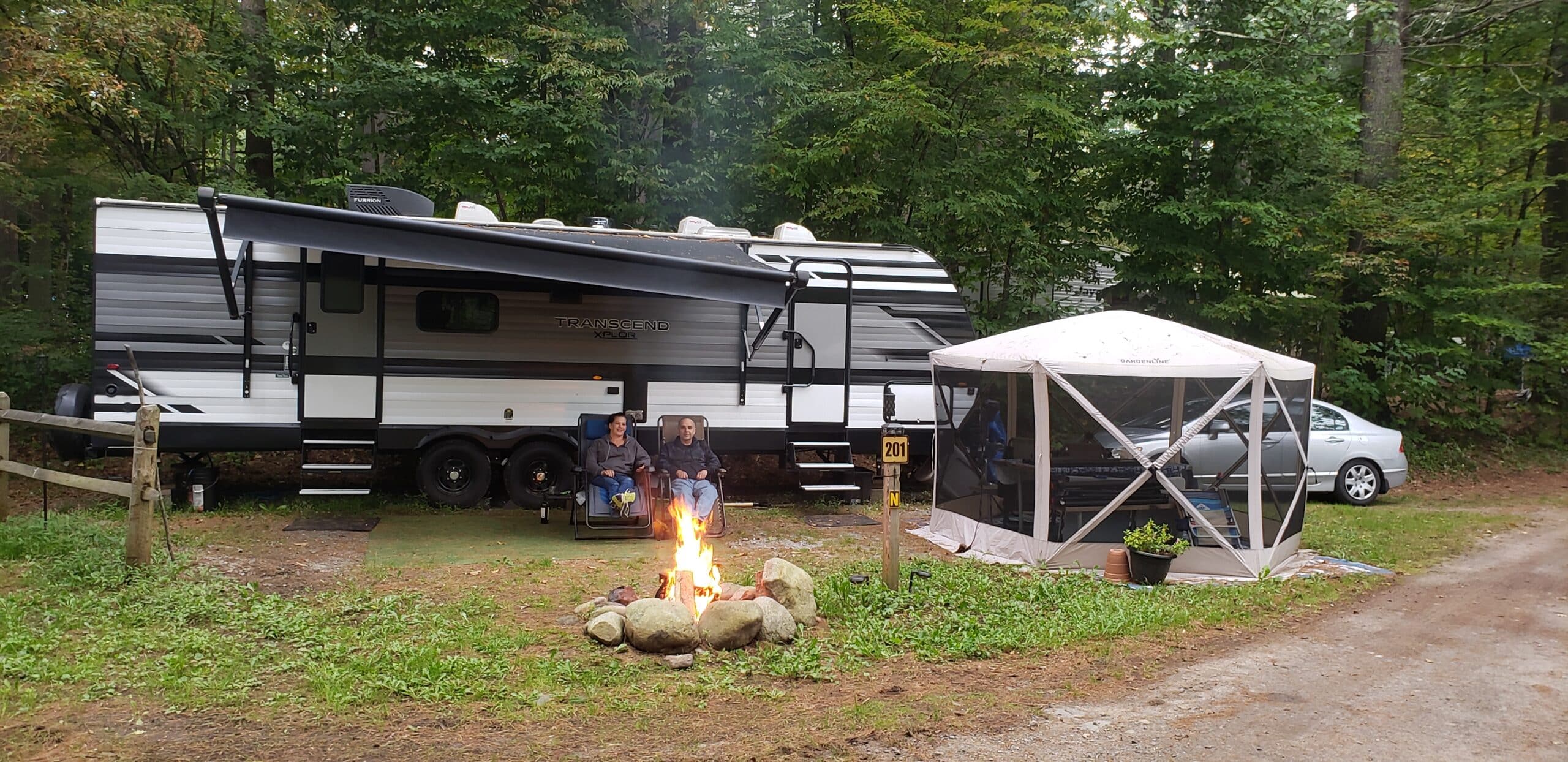
Credit: www.warrensburgtravelpark.com
Choosing The Right Season
Choosing the right season for camping affects your whole trip. Weather, crowd size, and activities change with each season. Picking the best time helps you enjoy nature and stay safe. It also affects what gear you need and how long you can stay outside.
Spring Camping Perks And Pitfalls
Spring brings fresh air and blooming flowers. Campsites look colorful and lively. The weather is cool, not too hot or cold. Bugs start to appear but are fewer than in summer. Rain showers can happen often, so waterproof gear is smart. Trails may be muddy after rain. Spring is great for bird watching and nature walks.
Summer Camping Highlights
Summer means warm weather and long daylight hours. It’s perfect for swimming, fishing, and hiking. Campsites are lively with many people around. This season has less rain in many areas. Nights can be warm, so light sleeping bags work well. Bugs can be a problem, so bring insect repellent. Summer camps often have more activities and events.
Fall Camping Advantages
Fall offers cool, crisp air and colorful leaves. It is less crowded than summer, so you get more peace. The weather is mild, good for hiking and exploring. Bugs start to disappear as temperatures drop. Fall mornings can be chilly, so pack warm clothes. This season is great for photography and quiet time in nature.
Winter Camping Considerations
Winter camping is quiet and very peaceful. Snow changes the landscape into a white wonderland. You need warm clothes and special gear for cold weather. Campsites may be empty, offering solitude. Roads and trails can be icy or blocked. Fires and hot drinks help keep you warm. Winter camping suits those who enjoy calm and solitude.
Gear Essentials For Each Season
Camping gear changes with each season. Using the right gear keeps you safe and comfortable. It also makes your trip more fun. Packing wrong items can cause problems. Cold nights, rain, or heat need special tools. Knowing what to bring helps you enjoy nature fully.
Every season has unique weather and challenges. Your gear must match these changes. Light clothes and sun protection are good for summer. Warm clothes and insulated tents work well in winter. Spring and fall need gear for rain and cool air. Let’s explore must-have items for each season.
Spring Gear Must-haves
Spring weather is often wet and cool. Waterproof jackets and boots protect you from rain. Bring extra socks to keep feet dry. A warm hat helps in chilly mornings. Insect repellent is important to avoid bites. A sturdy tent with good rainfly keeps you dry. Layers of clothing work best for changing temperatures.
Summer Equipment Tips
Summer camping needs light and breathable gear. Choose tents with good ventilation. Pack sunscreen and sunglasses to protect skin and eyes. A wide-brim hat helps block the sun. Carry plenty of water to stay hydrated. Use a portable fan or cooling towel if possible. Light sleeping bags work well for warm nights.
Fall Camping Supplies
Fall brings cooler days and chilly nights. Bring warm clothes like fleece or wool. A sleeping bag rated for low temperatures is essential. Waterproof gear helps during autumn rains. A campfire kit can keep you warm and cozy. Headlamps and extra batteries are useful for shorter days. Layering clothes allows you to adjust to weather changes.
Winter Camping Gear
Winter camping needs special gear to stay warm. Use a four-season tent built for snow and wind. Insulated sleeping pads keep cold from the ground. Heavy-duty sleeping bags rated for subzero temperatures are necessary. Wear thermal base layers and waterproof outerwear. Hand warmers and insulated gloves protect extremities. Always carry extra food and warm drinks to maintain energy.

Credit: www.youtube.com
Frequently Asked Questions
What Are The Main Benefits Of Seasonal Camping?
Seasonal camping offers great weather, fewer bugs, and scenic beauty. It allows campers to enjoy nature comfortably and safely. Popular seasons provide ideal conditions for outdoor activities and socializing. It also helps campers avoid extreme weather and crowded sites, enhancing the overall camping experience.
What Challenges Does Seasonal Camping Present?
Seasonal camping can bring unpredictable weather changes and limited campsite availability. Some facilities may close off-season, reducing amenities. Bugs and wildlife activity can spike in certain seasons. Campers must prepare for temperature fluctuations and potential overcrowding during peak times to ensure a safe trip.
How Does Seasonal Camping Affect Camping Gear Needs?
Seasonal camping requires specific gear for comfort and safety. Winter camping needs insulated tents and warm clothing. Summer camping demands breathable fabrics and sun protection. Proper gear prevents discomfort and hazards, adapting to temperature, humidity, and weather conditions unique to each season.
When Is The Best Season For Camping?
The best season depends on personal preference and location. Spring and fall offer mild weather and fewer crowds. Summer provides longer days and more activities but can be hot. Winter appeals to those seeking solitude and snow adventures. Choosing the right season enhances enjoyment and safety.
Conclusion
Seasonal camping offers both fun and challenges. You enjoy nice weather and fewer crowds. But, weather changes can cause problems too. Planning well helps you avoid many issues. Choose the season that fits your needs best. This way, your camping trip stays safe and fun.
Try camping in different seasons to find your favorite. Each season brings its own unique experience. Camping can be a great way to relax and connect with nature. Keep these points in mind for a happy camping adventure.
