
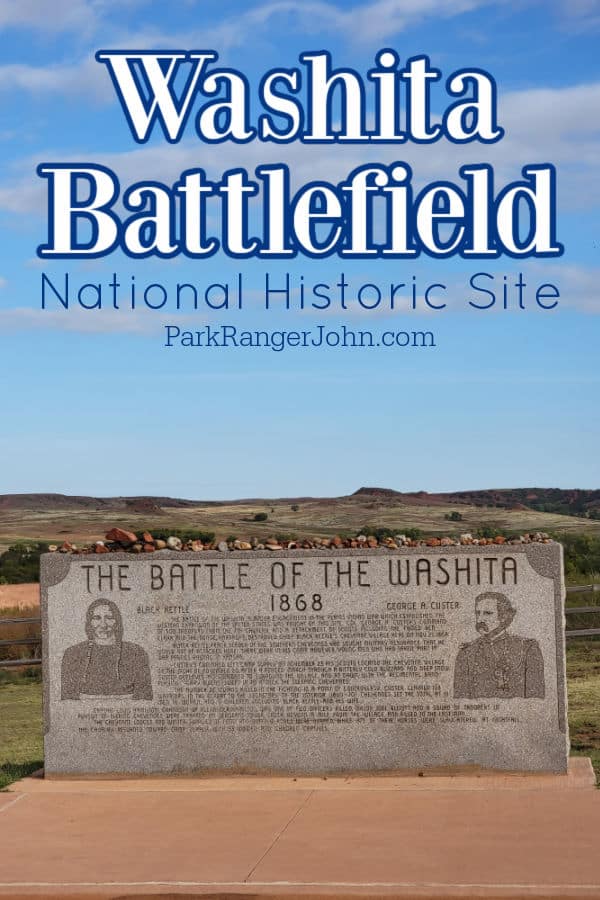
Visiting Washita Battlefield National Historic Site in Oklahoma gives you a unique chance to experience a powerful piece of American history. This quiet area in western Oklahoma marks the site of the Battle of the Washita, where Lt. Col. George Armstrong Custer led a surprise attack on the Southern Cheyenne village of Chief Black Kettle in 1868. Today, the park is not only a place for learning about the past, but also a destination for outdoor activities, reflection, and discovering the culture of the Great Plains. Whether you’re a history lover or just looking for a scenic stop on your road trip, Washita Battlefield offers several things to see and do.
Top Things To Do At Washita Battlefield
Exploring Washita Battlefield is more than just walking through a field; the park is carefully designed to help visitors understand the events of 1868, the land’s natural beauty, and the stories of the people who lived here.
1. Start At The Visitor Center
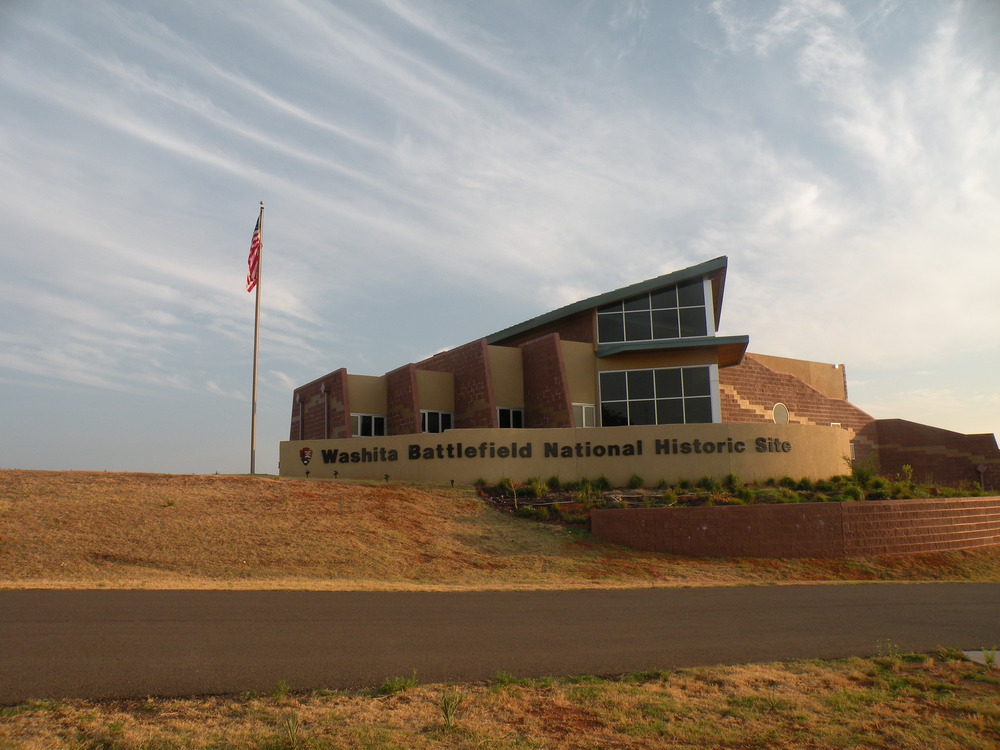
The Visitor Center is the heart of the park experience. Here you’ll find museum exhibits, artifacts, and a short film that explains the history and significance of the battle. Staff members are available to answer questions and give advice on the best ways to explore the park. Don’t miss the small gift shop with books and souvenirs.
2. Walk The Battlefield Trail
The Battlefield Trail is a 1.5-mile loop that takes you through the heart of the historic site. Along the way, signs explain what happened during the 1868 attack and how it affected both the Cheyenne and U.S. soldiers. The trail is mostly flat and suitable for all ages, but wear comfortable shoes. Walking this trail is a moving experience, especially when you pause at the overlook above the site of Black Kettle’s village.
3. Enjoy Ranger-led Programs
Throughout the year, rangers offer guided walks and talks. These programs are a great way to learn details you might miss on your own. Topics often include the story of Chief Black Kettle, the role of women and children, and the wider impact of the battle on the Plains tribes. Check the schedule at the Visitor Center or on the park’s website before your visit.
4. See The Park Overlook
For a sweeping view of the Washita River valley, head to the park overlook. This spot gives you a sense of the landscape as it looked in 1868. Early morning or late afternoon light makes the view especially beautiful and is ideal for photos.
5. Explore The Nature And Birdwatching
The park is home to many native plants and animals. Bring binoculars if you enjoy birdwatching—you might see meadowlarks, hawks, or even wild turkeys. Spring and fall are the best seasons for spotting wildlife.
6. Picnic In The Park
There are picnic tables near the Visitor Center. It’s a peaceful place to relax, have a snack, and enjoy the quiet prairie surroundings. Please remember to pack out all trash, as there are limited facilities.
7. Junior Ranger Program For Kids
If you’re traveling with children, ask about the Junior Ranger program. Kids can complete activities to earn a badge and learn about the site in a fun, hands-on way.
Main Tourist Attractions At Washita Battlefield
While the park is best known for its history, there are several points of interest that make it a memorable stop.
| Attraction | Description | Best For |
|---|---|---|
| Visitor Center | Interactive exhibits, theater, ranger help | First-time visitors, families |
| Battlefield Trail | Self-guided walk with historical signs | History lovers, hikers |
| Overlook | Scenic view of battlefield and river valley | Photographers, all visitors |
| Picnic Area | Tables for outdoor meals | Families, groups |
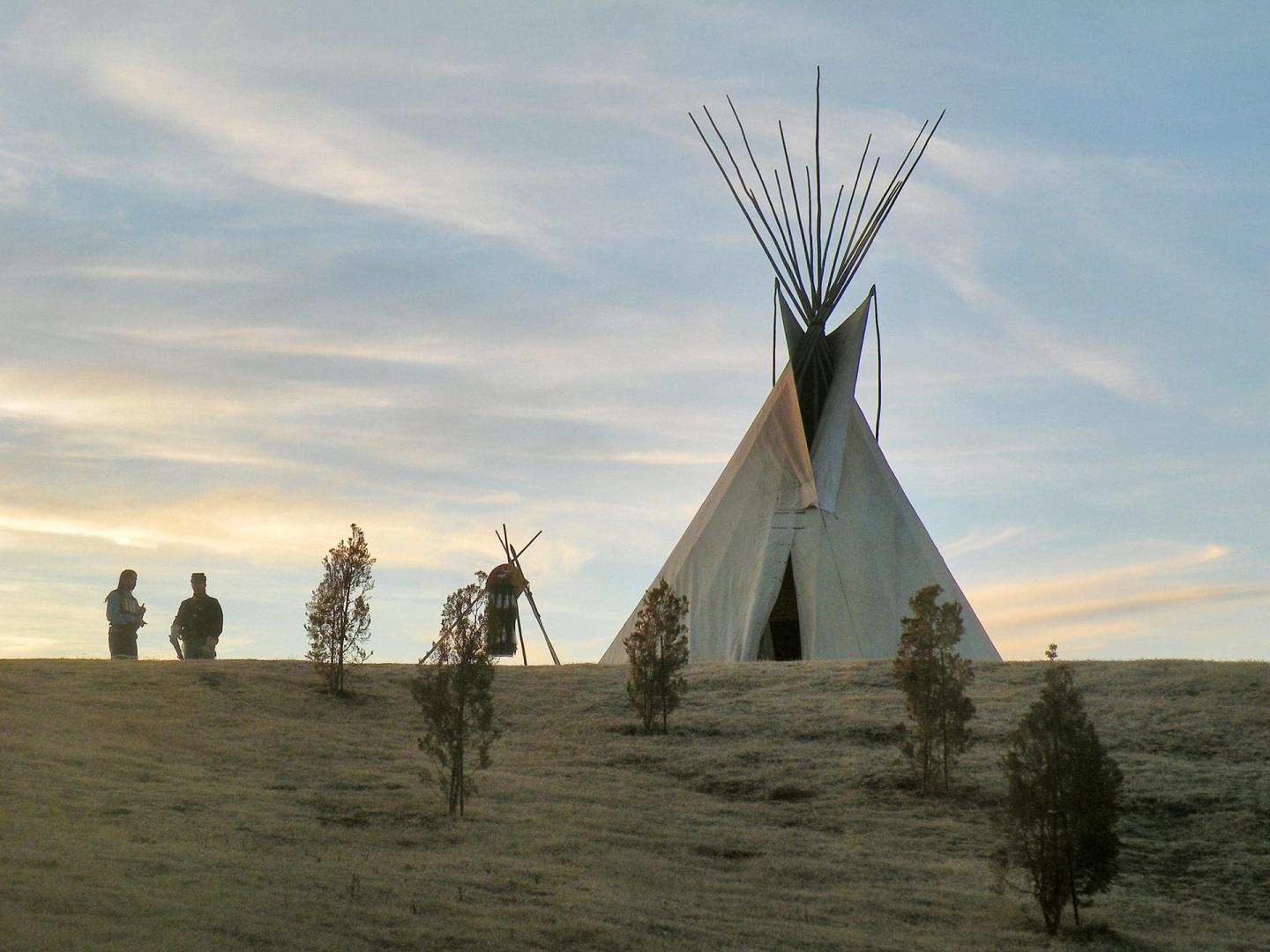
One non-obvious insight: Most visitors don’t realize how much the landscape itself tells the story. The gentle hills and quiet riverbanks were central to both the Cheyenne way of life and the military strategies used during the battle.
Credit: www.parkrangerjohn.com
How Washita Battlefield Compares To Other Historic Parks
If you’re trying to choose between Washita Battlefield and other nearby sites, the following comparison may help:
| Park | Main Focus | Unique Features |
|---|---|---|
| Washita Battlefield | Battle of 1868, Cheyenne culture | Immersive trail, original landscape |
| Little Bighorn Battlefield (MT) | 1876 battle, Lakota & Cheyenne vs Custer | Large monuments, cemetery |
| Fort Reno (OK) | Military history, post-Civil War West | Museum, original buildings |
Washita Battlefield stands out for its quiet, reflective atmosphere and its focus on both Cheyenne and U.S. Army perspectives.
Planning Your Visit: Hours, Fees, And Tips
Washita Battlefield National Historic Site is open year-round, though hours for the Visitor Center vary by season. Entry to the park and all main activities is free—a welcome surprise for budget travelers. The site is located near Cheyenne, Oklahoma, and is easiest to reach by car.
Practical tips for your visit:
- Check the weather before you go; Oklahoma can be hot and windy in summer, cold in winter.
- Bring water, sunscreen, and a hat for the trail.
- Cell service is limited in some areas.
- Pets are allowed on leashes but not inside buildings.
- If you want a quieter experience, visit early in the morning.
A common mistake is not allowing enough time—plan at least 2–3 hours to see the exhibits, walk the trail, and enjoy the views.
Credit: parktrust.org
Why Washita Battlefield Matters
The story of Washita Battlefield is not just about a single event; it reflects the larger struggle for land and survival on the Great Plains. The surprise attack and its aftermath changed the lives of the Southern Cheyenne forever. Today, the park honors both the victims and the survivors, offering a place to learn, remember, and reflect.
Another non-obvious insight: Many visitors are surprised by the focus on healing and reconciliation. Signs and programs encourage understanding between cultures, not just military history.
For more historical background, you can visit the park’s official page or trusted resources like the National Park Service.
Frequently Asked Questions
What Is The Best Time Of Year To Visit Washita Battlefield?
Spring and fall offer the most pleasant weather for walking and outdoor activities. Wildflowers bloom in spring, and the prairie grass turns golden in fall.
How Long Should I Plan To Spend At The Park?
Most visitors spend about 2–3 hours. If you join a ranger program or want to take your time on the trail, you may need half a day.
Is The Park Accessible For People With Mobility Challenges?
The Visitor Center is fully accessible. Some parts of the Battlefield Trail are gravel and may be difficult for wheelchairs, but there are accessible viewpoints and rest areas.
Can I Bring My Dog To Washita Battlefield?
Yes, leashed pets are allowed on outdoor trails and picnic areas but not inside buildings. Always clean up after your pet.
Are There Nearby Places To Stay Or Eat?
Cheyenne, Oklahoma, has basic services such as gas, small motels, and cafes. Larger towns like Elk City offer more options for hotels and dining.
Washita Battlefield is a special place where history and nature come together. Whether you’re stopping for a few hours or planning a deeper exploration, the park provides a chance to connect with the land, learn powerful stories, and reflect on the past.
Credit: wnpa.org
